
Embarking on a journey from the historic charm of Boston to the vibrant energy of Chicago is a popular choice for travelers seeking a taste of American culture, iconic landmarks, and culinary delights. Whether you’re planning a quick business trip, a family vacation, or a leisurely exploration of the Midwest, understanding the flight duration is a crucial first step in your travel planning. This article delves into the specifics of flight times between these two major American metropolises, offering insights that will help you optimize your travel itinerary and make the most of your time.
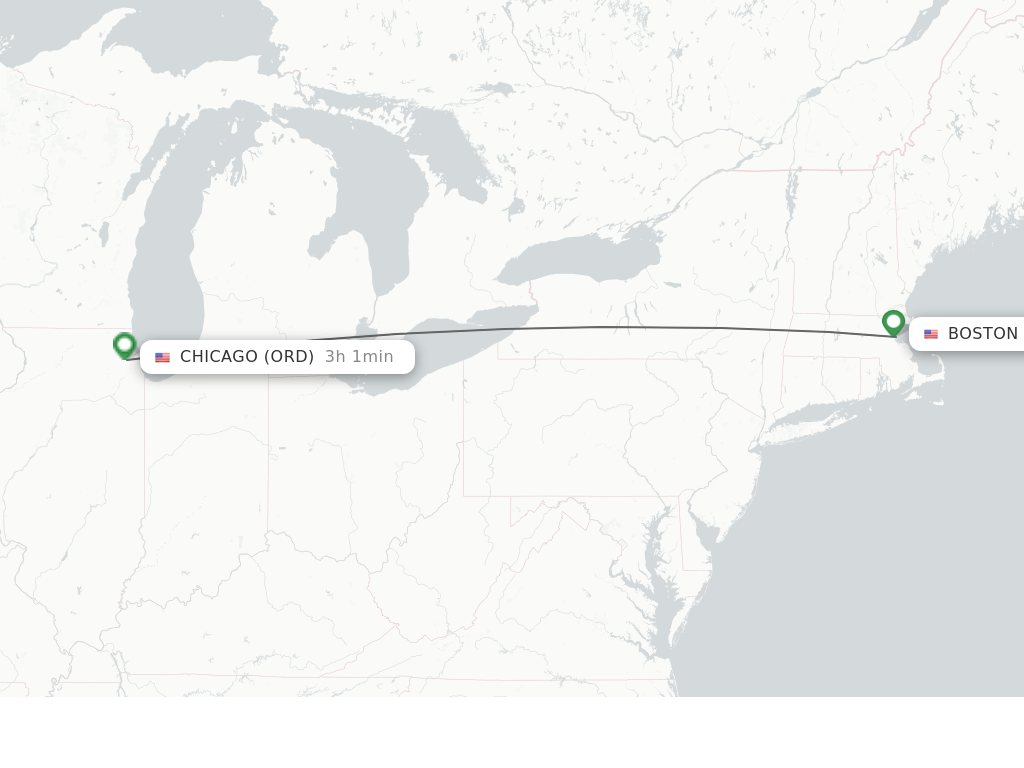
The flight from Boston, Massachusetts, to Chicago, Illinois, is a relatively short domestic hop, making it an accessible destination for a weekend getaway or an extension of a New England adventure. While the actual flight time can vary due to several factors, most direct flights fall within a predictable range.
Direct Flight Durations: The Fastest Way to the Windy City
When time is of the essence, opting for a direct flight is your best bet. These flights bypass the need for layovers, allowing you to get from Boston Logan International Airport (BOS) to Chicago O’Hare International Airport (ORD) or Chicago Midway International Airport (MDW) with maximum efficiency.
Average Direct Flight Time
On average, a direct flight from Boston to Chicago typically lasts between 2 hours and 30 minutes to 3 hours. This timeframe represents the time spent airborne from takeoff to landing. It’s important to remember that this is the pure flight duration and does not include the time spent at the airport for check-in, security, boarding, deplaning, and travel to your final destination.
Several airlines operate this popular route, including major carriers like American Airlines, United Airlines, Delta Air Lines, and budget-friendly options such as Spirit Airlines and Southwest Airlines. The specific aircraft type and the airline’s operational efficiency can contribute to minor variations in flight time. For instance, a Boeing 737 might have a slightly different cruising speed compared to an Airbus A320, leading to a few minutes difference.
Factors Influencing Direct Flight Times
While the average is a good benchmark, several factors can influence the actual time your flight takes:
- Wind Conditions: Tailwind or headwind can significantly impact flight duration. Flying east to west, as from Boston to Chicago, often means contending with prevailing headwinds, which can add a few minutes to the journey. Conversely, a strong tailwind on the return journey can shorten the flight.
- Air Traffic Control: Busy air corridors, especially around major hubs like Chicago, can lead to holding patterns or slower speeds assigned by air traffic control, thus extending the flight time.
- Aircraft Type and Cruising Speed: Different aircraft models have varying cruising speeds. Larger planes might fly at slightly different altitudes and speeds than smaller ones.
- Specific Airport Operations: The efficiency of operations at both Boston Logan International Airport and Chicago O’Hare International Airport can play a role. Factors like taxiing time on the runway, gate assignments, and departure/arrival schedules are managed by the airports and airlines.
For the most accurate estimation, it’s always recommended to check the flight schedule provided by your chosen airline when booking your tickets. Flight times are usually listed with a precise duration, giving you a clear expectation.
Flights with Layovers: Understanding Extended Travel Times
While direct flights are the most convenient, sometimes booking a flight with a layover is necessary due to cost, availability, or specific travel plans. Flights with layovers from Boston to Chicago will, by definition, take longer than direct flights. The total travel time will depend on the duration of the layover and the location of the connecting airport.
Common Layover Hubs and Their Impact
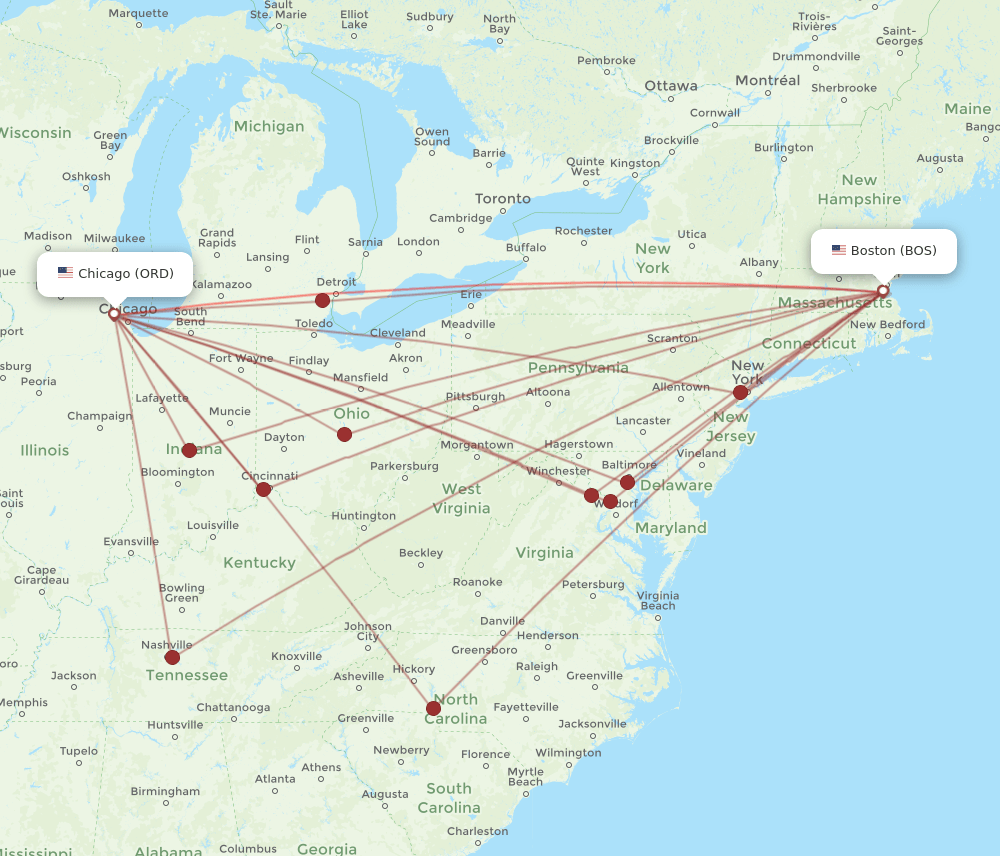
Typical connecting cities for this route might include airports like Detroit Metropolitan Wayne County Airport (DTW), Charlotte Douglas International Airport (CLT), or sometimes even further afield depending on the airline and route.
- Short Layovers: A short layover, typically 1 to 2 hours, is designed to minimize your overall travel time. In this scenario, your total travel duration might be around 4 to 6 hours. This includes the flight time to the connecting city, the layover itself, and the subsequent flight to Chicago.
- Long Layovers: Longer layovers, which can range from 3 hours to several hours, might be chosen for a more relaxed pace or to take advantage of a significantly lower ticket price. These journeys could extend to 7 hours or more, depending on the layover duration. Some travelers even use long layovers to briefly explore the connecting city, though this requires careful planning and awareness of flight schedules.
Maximizing Your Layover Experience (or Minimizing the Hassle)
When you have a layover, it’s wise to consider a few things:
- Airport Amenities: Research the amenities available at your connecting airport. Some airports offer excellent dining, shopping, and relaxation areas, making a longer layover more enjoyable.
- Connection Time: Ensure you have sufficient connection time, especially if you need to change terminals or go through security again. Airlines usually recommend a minimum connection time, and it’s best to adhere to it.
- Baggage Transfer: Confirm that your baggage will be transferred automatically to your connecting flight. This is usually the case for single bookings but is worth double-checking.
For those seeking an extended travel experience, a layover can offer an unexpected opportunity to see another part of the country. However, for most travelers focused on reaching Chicago efficiently, direct flights are the preferred choice.
Planning Your Trip: Beyond the Flight Time
Understanding the flight duration is just one piece of the puzzle when planning your trip from Boston to Chicago. Several other elements contribute to the overall travel experience and the success of your visit to the “Second City.”
Navigating Chicago’s Airports and Beyond
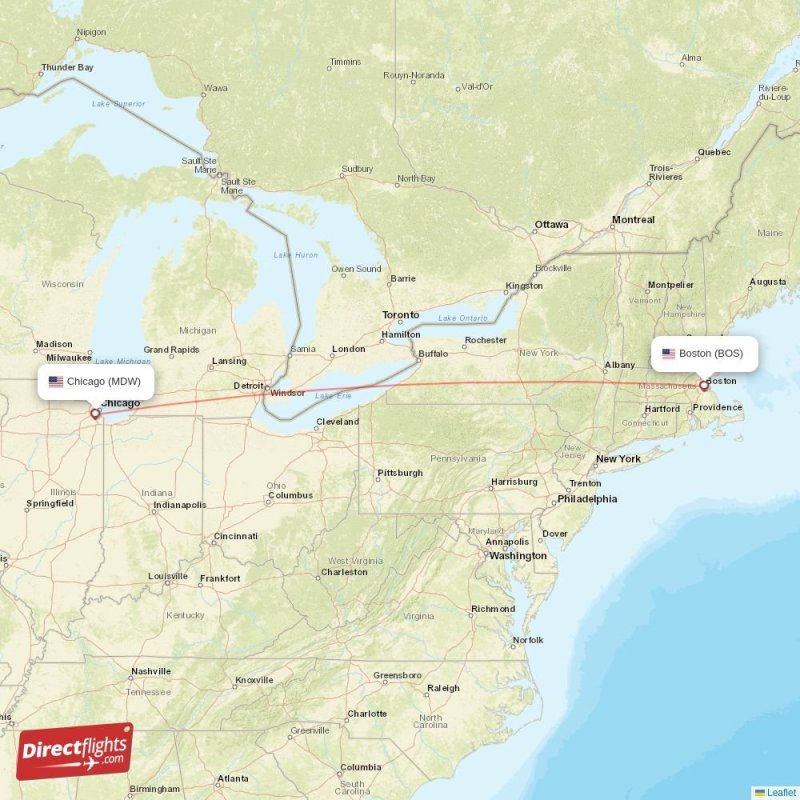
Chicago is served by two major airports: Chicago O’Hare International Airport (ORD) and Chicago Midway International Airport (MDW).
- O’Hare International Airport (ORD): This is a major hub for United Airlines and American Airlines and is one of the busiest airports in the world. It offers extensive domestic and international flight options. From ORD, you can easily access downtown Chicago via the CTA ‘L’ Blue Line, a convenient and cost-effective option. The train ride typically takes around 40-50 minutes to reach the Loop.
- Midway International Airport (MDW): Primarily a hub for Southwest Airlines, MDW is smaller and often perceived as easier to navigate than O’Hare. The CTA ‘L’ Orange Line connects MDW directly to downtown Chicago, with a journey time of approximately 25-30 minutes.
When considering your flight, check which Chicago airport it arrives at, as this can affect your onward travel time and cost.
Accommodation and Attractions in Chicago
Once you’ve landed, your travel plans will likely involve finding suitable accommodation and exploring the city’s many attractions. Chicago offers a diverse range of lodging options, from luxurious hotels and boutique inns to budget-friendly hostels and vacation rentals.
- Hotels: Areas like the Magnificent Mile, the Loop, and River North are popular for hotels, offering proximity to shopping, dining, and business districts. For those seeking a more residential feel with access to vibrant nightlife and diverse eateries, neighborhoods like Lincoln Park or Wicker Park are excellent choices. Consider properties like the W Chicago – Lakeshore for stunning lake views or the Thompson Chicago for a stylish, boutique experience.
- Attractions: Chicago boasts world-class museums such as the Art Institute of Chicago, the Field Museum, and the Museum of Science and Industry. Iconic landmarks include the Willis Tower (formerly Sears Tower) with its Skydeck, and the stunning architecture along the Chicago River, best appreciated on a boat tour. Don’t forget to stroll through Millennium Park to see the famous “The Bean” sculpture, officially known as Cloud Gate.
Culinary Experiences and Local Culture
Chicago is a renowned foodie destination, offering everything from deep-dish pizza to Michelin-starred dining. Exploring the city’s diverse culinary landscape is an essential part of any visit. Neighborhoods like West Loop are celebrated for their innovative restaurants, while Greektown and Little Italy offer authentic ethnic cuisines. For a taste of local culture, catch a show in the historic Theatre District, experience live jazz or blues music, or explore the vibrant street art scene.
Travel Tips for Your Boston to Chicago Journey
To ensure a smooth journey, keep these tips in mind:
- Book in Advance: Especially during peak travel seasons, booking flights and accommodation well in advance can secure better prices and availability.
- Factor in Airport Time: Always add at least 2-3 hours before your flight departure for domestic travel to account for check-in, security, and boarding.
- Consider Time Zones: Boston is in the Eastern Time Zone (ET), while Chicago is in the Central Time Zone (CT). Remember to set your watch back one hour upon arrival in Chicago.
- Transportation: Familiarize yourself with Chicago‘s public transportation system, the CTA, which is extensive and efficient for getting around the city.
By understanding the nuances of flight times and planning other aspects of your trip, your journey from Boston to Chicago will be a seamless and enjoyable experience, setting the stage for an unforgettable exploration of one of America’s most captivating cities.
LifeOutOfTheBox is a participant in the Amazon Services LLC Associates Program, an affiliate advertising program designed to provide a means for sites to earn advertising fees by advertising and linking to Amazon.com. Amazon, the Amazon logo, AmazonSupply, and the AmazonSupply logo are trademarks of Amazon.com, Inc. or its affiliates. As an Amazon Associate we earn affiliate commissions from qualifying purchases.