
The question “Does Puerto Rico pay taxes to America?” often arises from a common misunderstanding of the island’s unique political and economic relationship with the United States. As a vibrant Caribbean gem renowned for its stunning beaches, rich history, and captivating culture, Puerto Rico stands as an unincorporated territory of the United States. This distinct status means its tax landscape is unlike that of any U.S. state, creating a fascinating blend of local autonomy and federal ties that impacts everything from its economy to the daily lives of its residents and the experiences of its visitors.
For anyone planning a trip, considering a move, or simply curious about this beautiful island, understanding this intricate tax system is key to appreciating Puerto Rico’s broader appeal. It shapes the cost of living, influences investment, and even contributes to the unique lifestyle found across its diverse regions, from the bustling streets of San Juan to the serene shores of Flamenco Beach.
Understanding Puerto Rico’s Unique Tax Landscape: A Traveler’s and Resident’s Guide
At the heart of the matter, U.S. citizens residing in Puerto Rico are generally exempt from federal income tax on income sourced within the island. This is perhaps the most significant difference from residents of the 50 U.S. states. However, this doesn’t mean they are entirely free from the federal tax system or that they pay no taxes at all. The reality is a nuanced interplay of local and federal obligations.
Residents of Puerto Rico are indeed U.S. citizens, and they pay several types of federal taxes, just like their counterparts on the mainland. These include federal payroll taxes, specifically Social Security and Medicare contributions. These taxes fund essential federal programs that benefit eligible individuals in Puerto Rico, including retirement benefits and healthcare. Furthermore, individuals and businesses in Puerto Rico are subject to federal excise taxes, customs duties, and various federal user fees. So, while the absence of federal income tax on island-sourced income is a major distinguishing factor, federal tax obligations remain in other crucial areas.
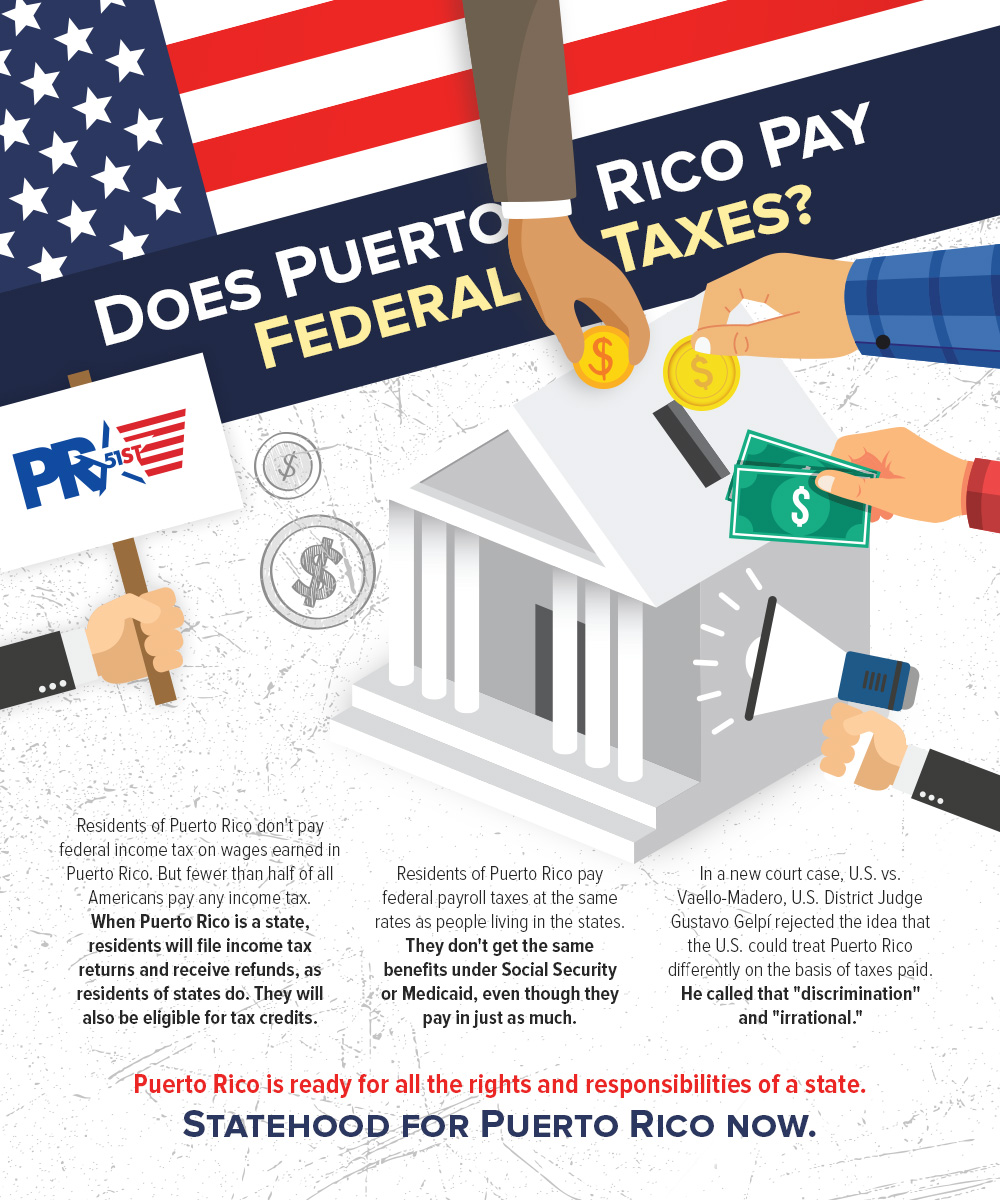
On the local front, the Puerto Rico Treasury Department collects a comprehensive array of taxes from its residents. These include local income tax, which is the primary source of revenue for the insular government. Property taxes, sales and use taxes (known as IVU, or Impuesto sobre Ventas y Uso), and excise taxes on certain goods are also collected locally. For visitors, this means that while prices for goods and services might reflect the local tax structure, they won’t encounter the same federal sales taxes that exist in some U.S. states. This local taxation system is vital for funding Puerto Rico’s public services, infrastructure, education, and healthcare, directly impacting the quality of life for its residents and the visitor experience.
For digital nomads, remote workers, or entrepreneurs considering a move to Puerto Rico, this unique tax environment presents a compelling proposition. The potential for significant tax savings on income can make the island an attractive place to live and work, contributing to a vibrant, often luxurious, lifestyle that still embraces the island’s authentic cultural heritage. This influx of new residents also spurs the economy, leading to the development of new businesses, dining establishments, and accommodations that enhance the tourism sector.
The Historical Tapestry: How Puerto Rico’s Status Shaped its Economy and Appeal
To truly grasp Puerto Rico’s current tax structure, one must delve into its rich and complex history. The island’s journey from a Spanish colony to a U.S. territory is a tale that profoundly influenced its political status and, consequently, its economic and tax relationship with the mainland.
Puerto Rico was a colony of Spain for over 400 years, a legacy beautifully preserved in the architecture and cobblestone streets of Old San Juan. This era ended in 1898 when, following the Spanish-American War, Spain ceded Puerto Rico to the United States under the Treaty of Paris. Initially governed by military rule, the Foraker Act of 1900 established a civilian government and formally designated Puerto Rico as an “unincorporated territory.” This critical designation meant that while the island belonged to the United States, it was not considered an integral part of it, and the U.S. Constitution did not apply to it in its entirety.
A pivotal moment arrived in 1917 with the passage of the Jones-Shafroth Act of 1917. This act granted U.S. citizenship to Puerto Ricans, a significant step that cemented their bond with the United States. However, it did not grant statehood, nor did it fully integrate Puerto Rico into the federal tax system like a U.S. state. The act stipulated that residents of Puerto Rico would generally not pay federal income taxes on income earned within the territory, while still being subject to federal tariffs and customs duties. This arrangement was initially designed to foster economic development on the island by allowing the local government to retain more of its revenue.
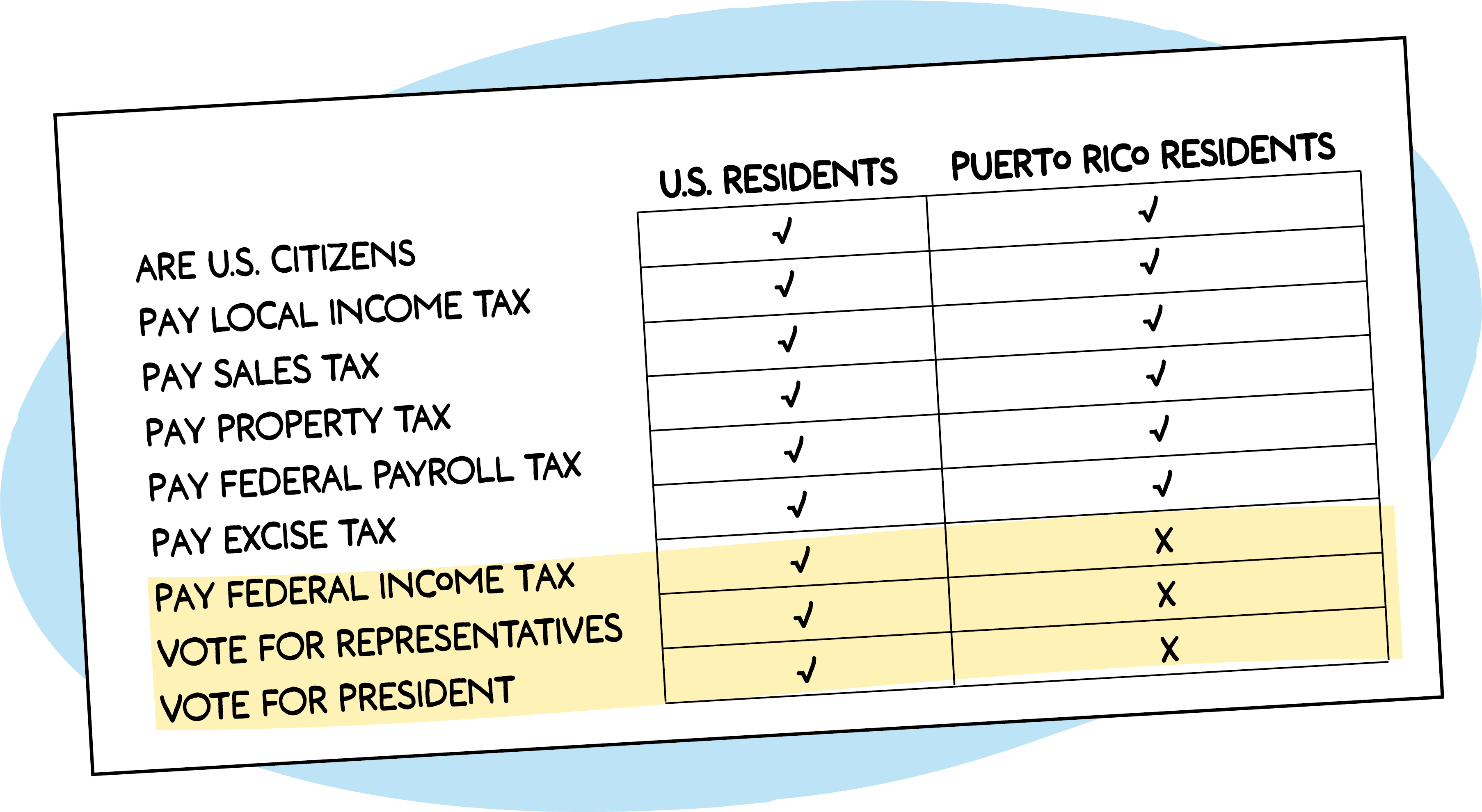
This historical context explains the enduring “unincorporated territory” status, where Puerto Rico is subject to the plenary powers of the U.S. Congress but does not have voting representation in that body. The economic implications of this status have been profound. It has allowed Puerto Rico to develop its distinct legal and fiscal framework, fostering a unique blend of cultures that fascinates travelers. The blend of Spanish colonial influence and American modernity is evident in its architecture, cuisine, music, and the very fabric of its society, making it a truly unique destination for cultural immersion.
For tourists, this historical backdrop means that a visit to Puerto Rico is not just a beach holiday; it’s an exploration of centuries of intertwined histories. From the formidable walls of El Morro in San Juan to the charming streets of Ponce, the island offers a rich narrative that contextualizes its present-day economic and political situation. The distinct culture born from this history is one of Puerto Rico’s’s greatest attractions, drawing visitors keen on experiencing a destination with both familiar and exotic elements.
Navigating the Financial Realities: Taxes, Benefits, and Investment Opportunities
Beyond the basic understanding of who pays what, it’s essential to delve into the broader financial realities shaped by Puerto Rico’s tax structure. This includes the availability of federal benefits, the impact of specific tax incentive laws, and the resulting investment climate, all of which influence lifestyle choices and tourism trends.
While Puerto Ricans do not typically pay federal income tax on island-sourced income, they are eligible for many federal programs. As mentioned, Social Security and Medicare benefits are available to eligible residents, funded by the payroll taxes they contribute. However, federal welfare programs, such as Medicaid funding and Supplemental Security Income (SSI), often come with caps or limitations that differ from those in the U.S. states. This disparity means that the island’s government often bears a greater share of the cost for social services, reflecting the fiscal challenges inherent in its territorial status.
Perhaps one of the most significant aspects of Puerto Rico’s modern financial landscape is its suite of tax incentive laws, most notably Act 20 and Act 22, which have since been consolidated and updated under Act 60. These laws were designed to attract high-net-worth individuals, entrepreneurs, and export-oriented businesses to the island by offering extremely attractive tax rates. For example, qualified individuals who relocate to Puerto Rico can achieve a 0% tax rate on passive income (like capital gains, dividends, and interest), and eligible businesses can enjoy a low corporate tax rate of 4% on export services.
These incentives have had a transformative effect. They have encouraged an influx of new residents and businesses, particularly in sectors like finance, technology, and professional services. This migration of talent and capital has contributed to a burgeoning luxury lifestyle sector on the island, with an increase in high-end accommodations, fine dining establishments, and exclusive experiences. For the discerning traveler, this means a wider array of sophisticated options, from boutique hotels to world-class resorts and culinary experiences that rival those found in major international cities. The growth spurred by these tax laws also helps fund improvements in local infrastructure, which benefits both residents and tourists alike, from better roads to enhanced telecommunications.
However, these tax incentives also come with debate. Critics argue about their equity and long-term benefits for the broader Puerto Rican population, questioning whether the economic boost sufficiently trickles down. Despite these discussions, the laws undeniably create a unique investment climate that continues to shape Puerto Rico’s economic trajectory and its appeal as a destination for both business and leisure. For those looking to combine an attractive tax environment with a tropical lifestyle, Puerto Rico offers a compelling blend that makes it stand out from other potential destinations like Florida or California.
Puerto Rico’s Economic Horizon: What Does the Future Hold for Travel and Lifestyle?
The question of Puerto Rico’s political status — and by extension, its tax relationship with the United States — remains a central and ongoing debate. Options such as statehood, independence, or an enhanced commonwealth status are regularly discussed, each with profound implications for the island’s economic future and the lifestyle of its inhabitants.
Should Puerto Rico become the 51st state, its residents would fully integrate into the federal tax system, paying federal income taxes, just like residents of New York or Texas. This would likely mean the end of tax incentive laws like Act 60, fundamentally altering its appeal for tax-advantaged relocation. Conversely, it would also grant Puerto Rico full voting representation in the U.S. Congress and full eligibility for all federal programs, potentially boosting its economy and improving public services. An independent Puerto Rico would establish its own completely sovereign tax system, trade agreements, and foreign policy, leading to a drastically different economic model. The enhanced commonwealth status seeks a middle ground, often proposing greater autonomy while retaining some form of association with the United States.
Regardless of the political outcome, Puerto Rico has demonstrated remarkable resilience in the face of significant challenges, from devastating hurricanes like Maria to economic downturns and seismic activity. The island’s recovery efforts, often supported by federal aid and the unwavering spirit of its people, have continuously aimed to rebuild and modernize its infrastructure and tourism sector. New hotels, renovated attractions, and improved accessibility are testaments to this resilience, ensuring that Puerto Rico remains a top-tier travel destination.
The island’s inherent appeal — its breathtaking natural beauty, from the tropical rainforest of El Yunque National Forest to the bioluminescent bays and pristine beaches — will undoubtedly continue to draw visitors. Its vibrant culture, fusion cuisine, and warm hospitality are evergreen attractions that transcend political and economic shifts. For travelers, Puerto Rico offers an accessible tropical escape, using the familiar U.S. dollar and requiring no passport for U.S. citizens, making it an effortlessly convenient international-feeling vacation.
In conclusion, while the answer to “Does Puerto Rico pay taxes to America?” is complex and nuanced – yes, in some ways, and no, in others – it ultimately highlights the island’s singular identity. This unique tax relationship has shaped Puerto Rico’s economy, fueled its growth in certain sectors, and created a distinctive lifestyle that blends American ties with a rich Caribbean heritage. For anyone seeking a destination rich in history, culture, natural beauty, and economic intrigue, Puerto Rico offers an unforgettable experience, an island constantly evolving yet deeply rooted in its captivating past.
LifeOutOfTheBox is a participant in the Amazon Services LLC Associates Program, an affiliate advertising program designed to provide a means for sites to earn advertising fees by advertising and linking to Amazon.com. Amazon, the Amazon logo, AmazonSupply, and the AmazonSupply logo are trademarks of Amazon.com, Inc. or its affiliates. As an Amazon Associate we earn affiliate commissions from qualifying purchases.