
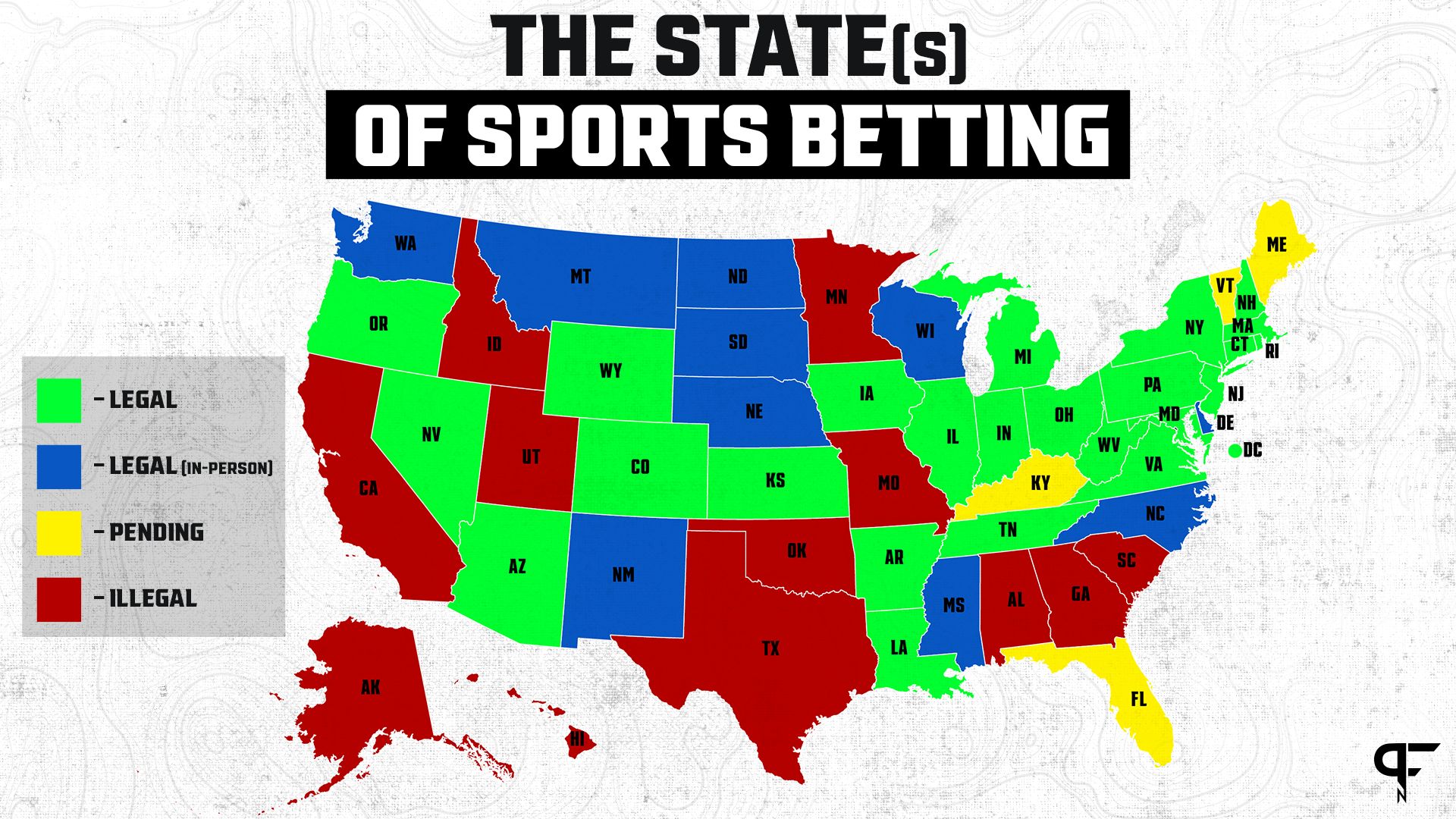
For travelers planning a visit to the Heart of Dixie, particularly those who enjoy the thrill of sports and the potential excitement of placing a wager, the question of sports betting legality in Alabama often arises. Unlike many of its neighboring states and a growing number of jurisdictions across the United States, Alabama currently stands as one of the few states where sports betting, in any form, remains illegal. This status quo impacts not only residents but also visitors who might be accustomed to legal sports wagering options in their home states or other travel destinations. Understanding the intricacies of Alabama’s gambling laws is crucial for any tourist or business traveler looking to plan their itinerary, especially if they hope to combine their travel experiences with the entertainment of sports betting. The absence of legal sportsbooks means that those visiting cities like Birmingham, Mobile, or Montgomery will need to seek other forms of leisure and entertainment, of which Alabama offers a rich and diverse array.
The Current Legal Landscape of Sports Betting in Alabama
Alabama’s stance on sports betting is unequivocally clear: it is not legal. There are no state-regulated brick-and-mortar sportsbooks, nor are there any legal online sports betting platforms operating within state lines. This places Alabama in a distinct category, differentiating it from states like Mississippi and Tennessee, both of which have embraced varying forms of sports wagering. The legal framework in Alabama has historically been conservative regarding most forms of gambling, a position that has been maintained despite increasing pressure and legislative efforts to introduce sports betting and a state lottery.
Awaiting Legislative Action
The journey towards potential sports betting legalization in Alabama has been a long and winding one, marked by numerous legislative attempts that have ultimately fallen short. Each year, bills are introduced in the Alabama Legislature proposing to legalize sports betting, often as part of broader gambling reform packages that include a state lottery and expanded casino gaming. Proponents of these bills often highlight the significant revenue potential that legalized sports betting could bring to the state, earmarked for critical public services such as education, infrastructure, and healthcare. They point to the millions of dollars that neighboring states are generating, suggesting that Alabama is missing out on a valuable economic opportunity and that its residents are crossing state lines to place bets, taking potential tax dollars with them.
However, these legislative efforts consistently face strong opposition from various groups, including conservative factions, religious organizations, and some existing gambling operators who fear increased competition. Concerns often revolve around the social impacts of expanded gambling, addiction, and the potential for increased crime rates. The legislative process in Alabama is complex, requiring substantial consensus to pass such measures, and the issue of gambling reform remains a contentious topic, often leading to stalemates or bills failing to garner enough support in both legislative chambers. While the debate continues to simmer, for now, the status remains unchanged: sports betting is illegal, and any changes would require a significant shift in political will and public opinion, often culminating in a statewide referendum.
What Travelers Need to Know
For the average traveler visiting Alabama, this legal status has direct implications. If you’re traveling from a state where sports betting is legal and you attempt to use an online sportsbook app while in Alabama, geolocation technology will prevent you from placing bets. These apps are designed to comply with state-specific laws, recognizing when a user is in a prohibited jurisdiction. Therefore, even if you have an account with a legal sportsbook in another state, you will be unable to access its betting features within Alabama.
Furthermore, there is no option for retail sports betting at any physical location, including the state’s existing tribal casinos or any other commercial establishments. Visitors should be aware that attempting to engage in illegal sports betting, whether through unregulated offshore websites or local bookmakers, carries risks and is not advised. The emphasis for travelers should be on enjoying the rich cultural, historical, and natural attractions that Alabama proudly offers, without the expectation of sports wagering as a leisure activity. Hotels and resorts across the state, from luxury establishments in coastal areas to boutique hotels in urban centers, do not offer sports betting facilities, aligning with state law. Tourists seeking gambling experiences will find their options limited to the state’s tribal casinos, which offer traditional casino games but no sports wagering.
Alabama’s Unique Approach to Gambling
Alabama’s general approach to gambling is notably restrictive compared to many other U.S. states. While a state lottery is a common feature in most jurisdictions, Alabama remains one of the few without one. This conservative stance shapes the entire gaming landscape, impacting everything from local entertainment options to potential tourism revenue. The state’s history is steeped in debates over “moral” issues, and gambling has frequently been at the forefront of these discussions, leading to the current limited scope of legal gaming.
Limited Gaming Options
Despite the widespread illegality of sports betting and a state lottery, Alabama is not entirely devoid of legal gambling options. The state is home to several tribal casinos operated by the Poarch Band of Creek Indians under the brand Wind Creek Hospitality. These include Wind Creek Atmore, Wind Creek Wetumpka, and Wind Creek Montgomery. These establishments offer a range of electronic bingo machines, often resembling slot machines, as well as table games like blackjack and roulette in some locations. They provide a significant entertainment hub for both residents and tourists, often featuring hotels, restaurants, and live entertainment, making them self-contained resorts.
For travelers seeking a casino experience, these properties are the only legal recourse within Alabama. However, it’s crucial to remember that even at these venues, sports betting is strictly prohibited. The presence of these tribal casinos highlights the complex and often fragmented nature of gambling laws across the United States, where tribal sovereignty plays a significant role in determining what forms of gaming are permissible on reservation lands. While these resorts are popular destinations for those looking for traditional casino thrills and accommodation, they do not extend to sports wagering. Visitors should plan accordingly, understanding that their travel itinerary in Alabama will not include the option of legally betting on their favorite sports teams or events.
The Socio-Economic Debate
The ongoing debate surrounding the expansion of gambling, particularly the legalization of a state lottery and sports betting, is deeply intertwined with socio-economic considerations. Proponents argue that the state is losing out on hundreds of millions of dollars in potential tax revenue annually that could be reinvested into Alabama’s education system, roads, and healthcare infrastructure. They often cite the success of neighboring states like Georgia, Florida, and Tennessee, which have leveraged lottery and sports betting revenues to fund various public programs. From a tourism perspective, some argue that offering sports betting could enhance Alabama’s appeal as a destination, particularly for younger travelers and those attending major sporting events, such as college football games involving Auburn University or the University of Alabama. This could potentially lead to increased hotel bookings, restaurant patronage, and overall tourist expenditure.
Conversely, opponents raise concerns about the potential negative societal impacts, including problem gambling, increased crime, and the disproportionate effect on low-income communities. They argue that the social costs associated with expanded gambling could outweigh the financial benefits. This dichotomy creates a persistent legislative gridlock, where the economic incentives for legalization are weighed against deeply held moral and social objections. For the lifestyle-focused traveler or business visitor, this means that while Alabama offers numerous attractions and a distinct Southern charm, its legislative landscape regarding gambling limits certain forms of entertainment and leisure that are increasingly common elsewhere.
Exploring Alabama Beyond the Bets: A Traveler’s Guide
Even without the option of sports betting, Alabama offers an abundance of attractions and experiences that cater to diverse interests, making it a compelling destination for any traveler. From its pivotal role in American Civil Rights history to its stunning Gulf Coast beaches and vibrant cultural scenes, the state promises a memorable journey. For those interested in history, nature, food, or simply relaxation, Alabama’s hospitality and unique character shine through.
Iconic Destinations and Attractions
Alabama boasts a wealth of landmarks and destinations that offer rich experiences:
- Birmingham: Known as the “Magic City,” Birmingham played a critical role in the Civil Rights Movement. Visitors can explore the Birmingham Civil Rights Institute, the Sixteenth Street Baptist Church, and the Kelly Ingram Park. For a panoramic view of the city, the Vulcan Park and Museum, home to the world’s largest cast-iron statue, is a must-see. The city also offers a thriving culinary scene and vibrant nightlife.
- Mobile: Alabama’s oldest city and the original home of Mardi Gras in the United States, Mobile exudes a charming, historic atmosphere. Its French colonial heritage is evident in its architecture and the Dauphin Street entertainment district. A visit to the USS Alabama Battleship Memorial Park offers a fascinating look at military history, while the Bellingrath Gardens and Home provides a serene escape into nature.
- Montgomery: As the state capital and another crucial site of the Civil Rights Movement, Montgomery is rich in history. Key sites include the Rosa Parks Museum, the Dexter Avenue King Memorial Baptist Church (where Dr. Martin Luther King Jr. served as pastor), and the Legacy Museum. The city also boasts beautiful antebellum architecture and the Alabama State Capitol.
- Coastal Alabama: The pristine white-sand beaches of Gulf Shores and Orange Beach are a major draw, offering opportunities for swimming, fishing, boating, and sunbathing. Family-friendly attractions, fresh seafood restaurants, and a relaxed coastal lifestyle define this region. Natural wonders like Gulf State Park provide hiking and wildlife viewing.
- Huntsville: Known as “Rocket City,” Huntsville is a hub for space exploration and technology. The U.S. Space & Rocket Center is an incredible attraction for all ages, featuring Saturn V rockets, IMAX theaters, and interactive exhibits. The city also has a charming historic district and a growing craft beer scene.
- Robert Trent Jones Golf Trail: For golf enthusiasts, Alabama is home to sections of the internationally renowned Robert Trent Jones Golf Trail, a collection of championship golf courses spread across the state. This trail attracts golfers from around the globe, offering world-class facilities and challenging layouts amidst scenic Alabama landscapes.
Accommodation and Lifestyle Choices
Alabama’s accommodation landscape caters to every preference and budget, ensuring that travelers can find the perfect base for their adventures. From luxurious resorts to charming boutique hotels and practical extended-stay options, the state offers diverse choices.
- Luxury and Resort Stays: Along the coast, properties like The Lodge at Gulf State Park offer eco-friendly luxury with direct beach access, while Perdido Beach Resort in Orange Beach provides upscale amenities and Gulf views. For a historic and opulent experience, The Grand Hotel Golf Resort & Spa, Autograph Collection, in Point Clear, offers Southern charm, a championship golf course, and a full-service spa. In cities, the Renaissance Montgomery Hotel & Spa at the Convention Center provides a sophisticated urban retreat with convenient access to major attractions.
- Boutique and Historic Hotels: Throughout cities like Birmingham and Mobile, travelers can discover unique boutique hotels housed in historic buildings, offering personalized service and local character. These often blend modern comforts with architectural heritage, providing an authentic Alabama experience.
- Family-Friendly and Budget Options: For family trips or budget-conscious travelers, a wide array of chain hotels (Marriott, Hilton, Holiday Inn, etc.), vacation rentals, and campsites are available across the state, especially near popular tourist destinations and national parks. These accommodations ensure comfort and convenience without compromising on access to Alabama’s wonders.
- Unique Stays: Beyond traditional hotels, visitors can find charming bed and breakfasts, rustic cabins in natural parks, or even houseboat rentals along the scenic waterways, offering distinct lifestyle experiences for those seeking something different.
Culinary Delights and Cultural Experiences
Alabama is a paradise for foodies, with a rich culinary tradition rooted in Southern hospitality. From succulent BBQ joints to fresh Gulf Coast seafood, the state offers a delicious journey for the palate. Don’t miss classic Southern dishes like fried green tomatoes, shrimp and grits, and pecan pie. The state also has a growing farm-to-table movement, with many restaurants sourcing fresh, local ingredients.
Culturally, Alabama’s contributions are immense. It’s the birthplace of jazz legends and country music icons, and its musical heritage is celebrated in venues and festivals across the state. The Alabama Shakespeare Festival in Montgomery offers world-class theatrical performances, while numerous art galleries and museums showcase local and regional talent. Engaging with Alabama’s culture means immersing oneself in its history, its music, its art, and, most importantly, its people, known for their warm and welcoming nature.
The Future of Sports Betting and Tourism in Alabama
The dialogue surrounding the legalization of sports betting in Alabama is far from over. As more states embrace sports wagering and the economic benefits become increasingly apparent, the pressure on Alabama to reconsider its stance is likely to intensify. The future could bring significant changes, potentially reshaping the state’s tourism and lifestyle offerings.
Potential Economic Boost
Should sports betting become legal in Alabama, the implications for the state’s economy and tourism sector could be substantial. New revenue streams from licensing fees and taxation on sports wagering could provide a much-needed boost to public funds, which could then be directed towards improving infrastructure, education, and other vital services. The legalization could also spur economic development within the hospitality industry. Existing hotels and resorts, particularly those near major sporting venues or in popular tourist areas, might consider adding sportsbooks or dedicated sports lounges to attract new clientele. This could lead to job creation in various sectors, from hospitality to technology, and potentially foster the growth of new entertainment complexes.
Furthermore, a legalized sports betting market could draw more visitors who are keen to combine their travel with sports entertainment, especially during major college football weekends or other sporting events. This influx of tourists could increase demand for accommodation, dining, and other leisure activities, providing a broader economic benefit to local communities. The integration of sports betting could transform certain travel experiences, adding another layer of excitement for visitors who follow teams like the University of Alabama Crimson Tide or the Auburn University Tigers.
Navigating a Shifting Landscape
For now, travelers to Alabama must continue to navigate a landscape where sports betting is not an option. However, staying informed about legislative developments is always wise, as the situation could evolve in the coming years. Major legislative sessions often see new bills introduced, and public sentiment can shift. For those planning future trips, it would be prudent to check the latest legal updates regarding gambling laws in Alabama closer to their travel dates.
Regardless of the legal status of sports betting, Alabama remains a truly captivating destination. Its profound historical significance, vibrant cultural heritage, natural beauty, and warm Southern hospitality ensure that every visit is rich with opportunities for exploration and enjoyment. Travelers can immerse themselves in the stories of the Civil Rights Movement, relax on the stunning Gulf Coast beaches, explore the wonders of space in Huntsville, or savor the unique flavors of Southern cuisine. The focus for any visitor to Alabama should ultimately be on experiencing the unparalleled charm and diverse attractions that the state offers, confident that there is an abundance of memorable experiences awaiting, even without placing a bet.
LifeOutOfTheBox is a participant in the Amazon Services LLC Associates Program, an affiliate advertising program designed to provide a means for sites to earn advertising fees by advertising and linking to Amazon.com. Amazon, the Amazon logo, AmazonSupply, and the AmazonSupply logo are trademarks of Amazon.com, Inc. or its affiliates. As an Amazon Associate we earn affiliate commissions from qualifying purchases.