
Understanding Water Hardness and Its Impact on Your Seattle Stay
When planning a trip, most travelers focus on booking the perfect accommodation, curating an itinerary filled with iconic attractions, and sampling the local culinary delights. However, a less glamorous, yet potentially impactful, aspect of a destination is the quality of its tap water. For those sensitive to water composition or concerned about its effects on their skin and hair, understanding water hardness is key. This is particularly relevant for a city like Seattle, known for its stunning natural beauty and vibrant urban life. The question, “Does Seattle have hard water?” is one that might cross the minds of discerning travelers, especially those who have experienced the effects of hard water elsewhere.
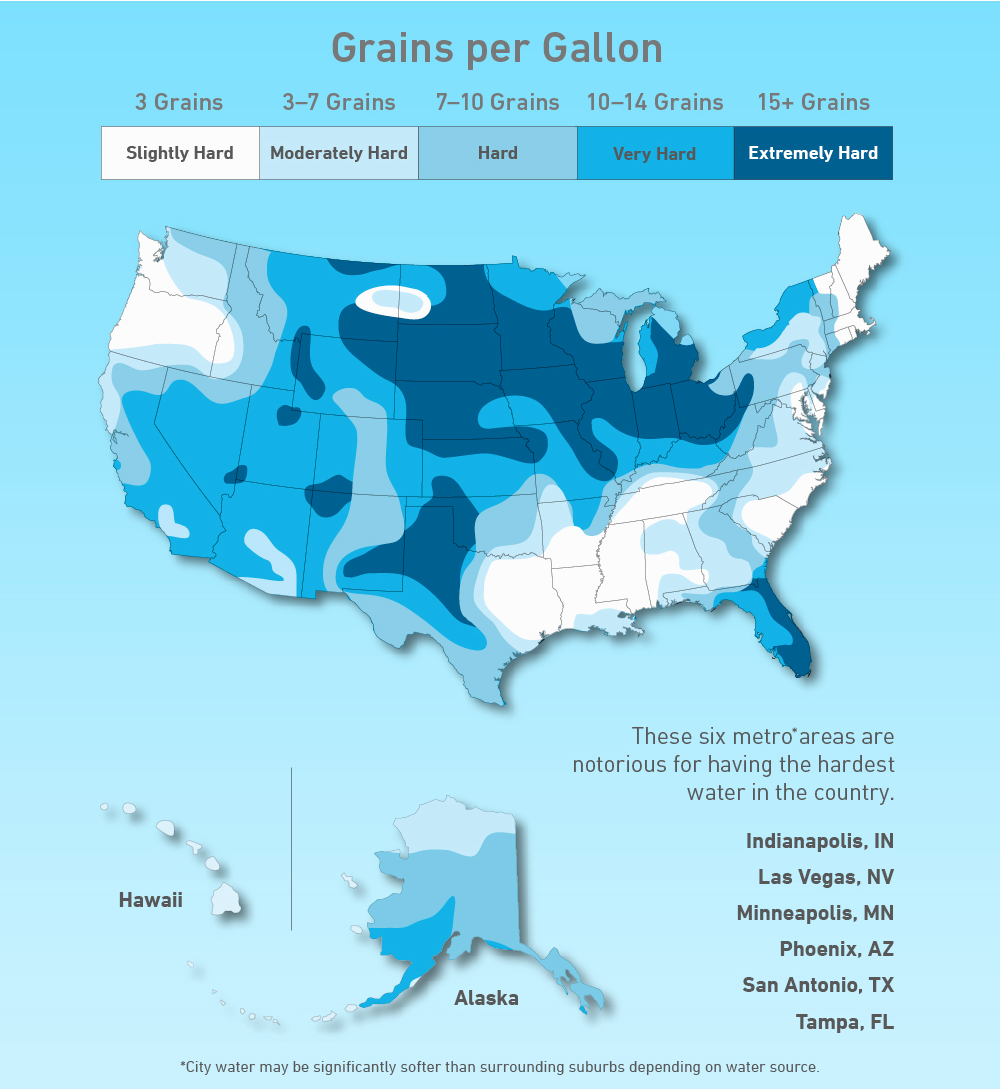
What is Water Hardness?
Water hardness is a measure of the mineral content of water, primarily calcium and magnesium. These minerals are naturally dissolved in water as it passes through rock and soil. The higher the concentration of these dissolved minerals, the harder the water is considered. Water is typically classified into several categories based on its parts per million (ppm) or grains per gallon (GPG) of calcium carbonate:
- Soft Water: Less than 60 ppm (less than 3.5 GPG)
- Slightly Hard Water: 60–120 ppm (3.5–7 GPG)
- Moderately Hard Water: 120–180 ppm (7–10.5 GPG)
- Hard Water: 180–300 ppm (10.5–17.5 GPG)
- Very Hard Water: More than 300 ppm (more than 17.5 GPG)
The presence of these minerals, while not harmful to health, can have noticeable effects. In Seattle, as in many cities, the water source and treatment processes play a significant role in its final composition.
The Water Supply of Seattle: A Closer Look
Seattle’s primary water source comes from the Cedar River watershed in the Cascade Mountains. The City of Seattle operates the Seattle Public Utilities, which is responsible for delivering high-quality drinking water to residents and visitors. The purity of water from mountain watersheds is often a good indicator of its mineral content. Water that originates from pristine, undeveloped mountain sources tends to be naturally softer because it has less contact with mineral-rich rock formations.
The Seattle Public Utilities is committed to providing safe and palatable water. Their treatment processes focus on disinfection, filtration, and maintaining the water’s quality as it travels through the distribution system. While their primary goal is public health and safety, the natural composition of the water from the Cedar River is a crucial starting point.
Typical Water Hardness Levels in Seattle
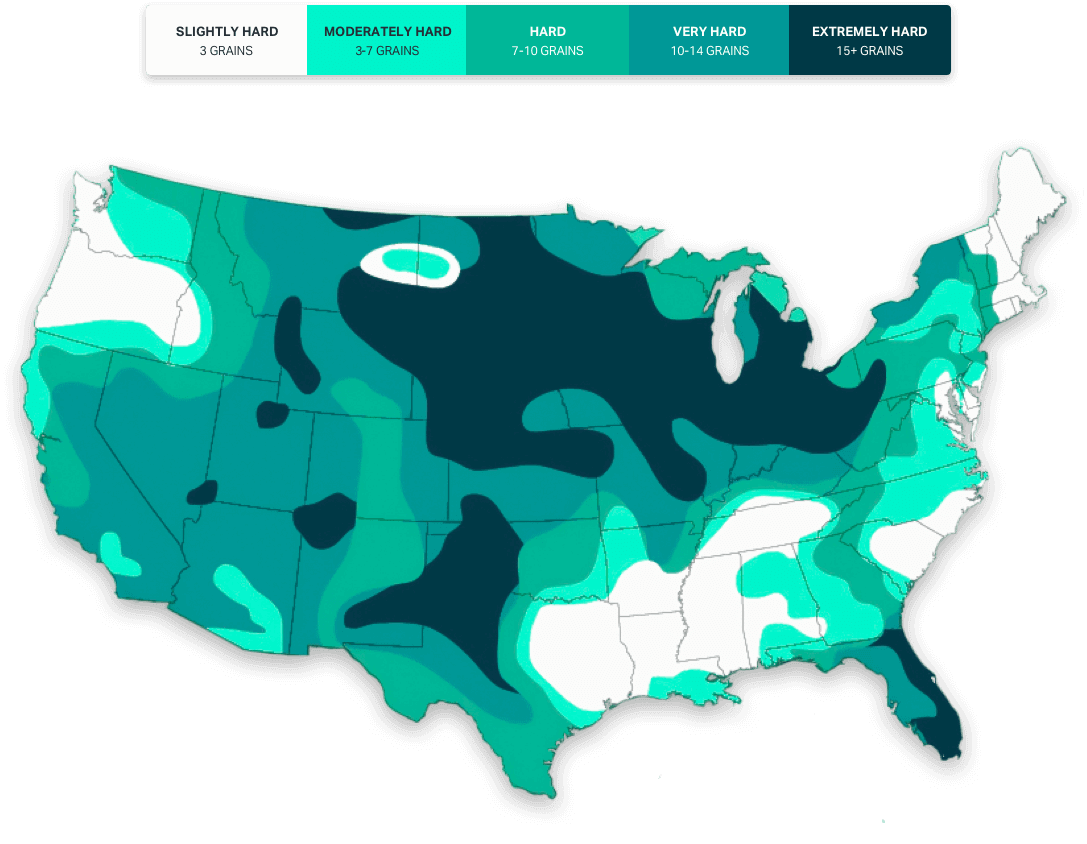
Based on data and reports from Seattle Public Utilities and other environmental agencies, Seattle is generally known for having soft to slightly hard water. The average hardness levels typically fall within the range of 30-80 ppm (approximately 2-5 GPG). This is considerably lower than the threshold for moderately hard or hard water.
This means that most residents and visitors in Seattle will not experience the common issues associated with hard water, such as:
- Soap Scum Buildup: Hard water reacts with soap to form a sticky residue that can be difficult to clean from showers, sinks, and bathtubs.
- Limescale Deposits: Minerals in hard water can leave white, chalky deposits on faucets, showerheads, coffee makers, and other appliances, reducing their efficiency and lifespan.
- Dull Hair and Dry Skin: Hard water can leave a film on hair, making it appear dull and difficult to manage. It can also strip natural oils from the skin, leading to dryness and irritation for some individuals.
- Reduced Effectiveness of Cleaning Products: Soaps and detergents are less effective in hard water, often requiring more product to achieve the same cleaning results.
Implications for Travelers in Seattle
For the average traveler visiting Seattle, the water hardness is unlikely to be a significant concern. The soft to slightly hard nature of the water means that:
- Showers and Baths: You can expect your shampoo and soap to lather well, and you’re less likely to encounter stubborn soap scum in hotel bathrooms. Your skin and hair are also less likely to feel a “tight” or dry sensation after washing compared to regions with very hard water.
- Appliance Performance: The plumbing and appliances in hotels and rental properties are less prone to damage and inefficiency caused by limescale buildup.
- Drinking Water: Seattle boasts excellent tap water quality. It is safe, refreshing, and widely available. Travelers are encouraged to drink tap water to stay hydrated and reduce plastic waste. The taste is generally clean and palatable, free from the mineralic notes that sometimes characterize very hard water.
Experiencing Seattle: Beyond Water Hardness
While understanding water hardness can be a point of interest for some, it’s just one small facet of the Seattle experience. The city offers a wealth of attractions, from the iconic Space Needle and the bustling Pike Place Market to the serene beauty of Discovery Park and the vibrant cultural scene of neighborhoods like Fremont and Ballard.
Accommodation and Water Quality
When booking accommodation in Seattle, whether it’s a luxury hotel like the Four Seasons Hotel Seattle or a cozy boutique stay, the tap water hardness is generally not a distinguishing factor. Most establishments in the city will have water within the soft to slightly hard range. However, if you have extremely sensitive skin or specific concerns, it might be worth inquiring with your chosen hotel, though it’s unlikely to be a widespread issue. Many high-end hotels may also employ water softening systems as a standard amenity, ensuring a consistently pleasant experience for all guests, regardless of the municipal water’s natural hardness.
Local Tips for Travelers
For travelers visiting Seattle:
- Embrace the Tap Water: Carry a reusable water bottle and refill it throughout your stay. Seattle’s tap water is delicious and readily available in most public spaces, restaurants, and accommodations.
- Enjoy Your Showers: Relax and enjoy the lather of your soaps and shampoos. The soft water will likely enhance their effectiveness.
- Explore with Ease: The cleanliness of fixtures in hotels and public restrooms will be less affected by mineral buildup compared to areas with hard water.

Conclusion: A Refreshing Aspect of Seattle
In conclusion, the question “Does Seattle have hard water?” can be answered with a resounding “no, not typically.” The city benefits from a naturally soft to slightly hard water supply, primarily sourced from the protected Cedar River watershed. This characteristic contributes to a pleasant experience for residents and visitors alike, from the performance of soaps and shampoos to the longevity of plumbing and appliances. While water hardness is a technical detail, for Seattle, it’s a detail that leans in favor of a smoother, more comfortable stay, allowing travelers to focus on the myriad of other wonderful aspects this Pacific Northwest gem has to offer.
LifeOutOfTheBox is a participant in the Amazon Services LLC Associates Program, an affiliate advertising program designed to provide a means for sites to earn advertising fees by advertising and linking to Amazon.com. Amazon, the Amazon logo, AmazonSupply, and the AmazonSupply logo are trademarks of Amazon.com, Inc. or its affiliates. As an Amazon Associate we earn affiliate commissions from qualifying purchases.