
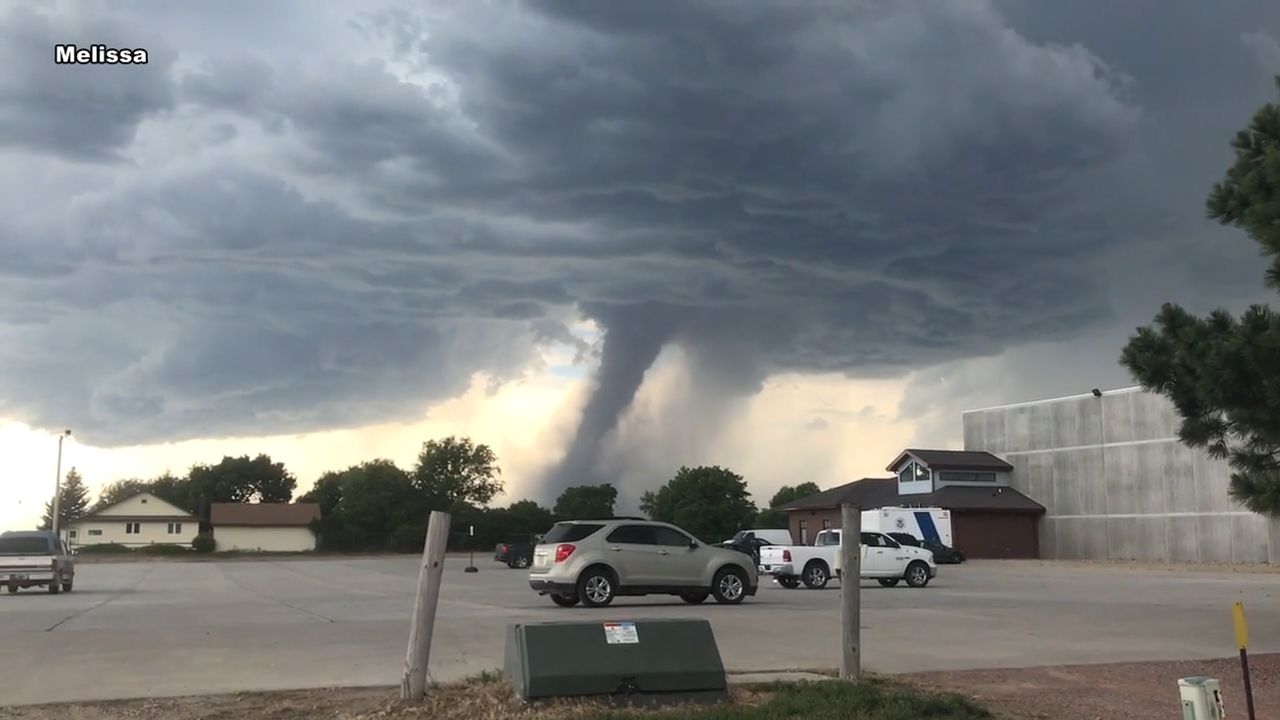
For those planning a memorable trip to the heartland of America, specifically to South Dakota, questions about local weather phenomena are perfectly natural. From its dramatic landscapes to its iconic monuments, South Dakota offers a diverse range of experiences for every tourist. However, for a state located within a region often associated with severe weather, a common query among prospective visitors is: “Does South Dakota have tornadoes?” The answer is unequivocally yes, South Dakota does experience tornadoes. This article aims to provide a professional, insightful, and engaging overview for tourists, detailing the climatic realities, the potential impact on travel plans, and essential preparedness tips, ensuring your visit remains both safe and unforgettable. Understanding the local environment is a cornerstone of responsible tourism, allowing visitors to appreciate the state’s beauty while being informed about its occasional meteorological challenges.

The Climatic Reality of South Dakota
Understanding the atmospheric conditions that give rise to tornadoes in South Dakota is crucial for any informed traveler. The state’s geographical position plays a significant role in its susceptibility to these powerful weather events, making weather awareness an important component of any itinerary.
Understanding “Tornado Alley” and “Dixie Alley”
When discussing tornadoes in the United States, two primary regions often come to mind: Tornado Alley and Dixie Alley. While Dixie Alley refers to the Southeastern U.S., Tornado Alley broadly encompasses the central plains, stretching from Texas north through Oklahoma, Kansas, Nebraska, and indeed, into South Dakota and further north. South Dakota sits at the northern fringe of this infamous corridor, making it a state where the atmospheric ingredients for severe thunderstorms, including those that produce tornadoes, frequently converge. The unique combination of warm, moist air from the Gulf of Mexico, cool, dry air from the Rockies, and the jet stream often creates the instability necessary for severe weather development. While not as frequently hit as states further south like Oklahoma or Kansas, South Dakota still sees a significant number of tornadoes each year, especially in its eastern plains.
Peak Tornado Season and Frequency
Tornado activity in South Dakota follows a discernible seasonal pattern, primarily concentrated during the late spring and early summer months. The peak season typically runs from May through August, with June being the most active month. During this period, the atmospheric conditions are most conducive to severe weather formation. On average, South Dakota experiences around 30 tornadoes annually, though this number can fluctuate significantly from year to year. Some years may see fewer than 20, while others might exceed 50. Most of these tornadoes are relatively weak (EF0 or EF1 on the Enhanced Fujita Scale) and often occur in open, rural areas, posing minimal threat to populated centers or major tourist attractions. However, stronger, more destructive tornadoes are certainly possible, albeit less common. Being aware of the peak season allows tourists to plan their visits with a heightened sense of meteorological understanding.
Geographical Factors Contributing to Tornadoes in South Dakota
The topography of South Dakota, largely characterized by its vast, flat plains in the east and the more rugged terrain of the Black Hills in the west, plays a role in tornado formation and movement. The flat expanse of the eastern part of the state allows for unobstructed flow of air masses, facilitating the development and sustainment of rotating supercell thunderstorms. These flat plains lack significant geographical barriers that might disrupt storm systems. While tornadoes can occur anywhere in the state, they are statistically more common in the eastern and central counties. The Black Hills region, with its higher elevation and forested areas, may see fewer tornadoes directly, but severe thunderstorms with high winds and hail are still a common occurrence, sometimes even producing weaker, short-lived tornadoes. Understanding these geographical nuances helps in appreciating why certain areas of the state are more prone to specific types of severe weather.
Tornadoes and the South Dakota Tourist Experience
While the presence of tornadoes in South Dakota is a fact, their actual impact on the average tourist experience is often minimal, provided visitors are prepared and informed. It’s about balancing the appreciation of the state’s natural beauty with a realistic understanding of potential weather events.
Impact on Popular Tourist Destinations
South Dakota boasts world-renowned attractions like Mount Rushmore and Badlands National Park, as well as vibrant cities such as Sioux Falls and Rapid City. The good news for tourists is that severe tornadoes directly impacting these major destinations are rare events. Most tornado activity occurs in more rural areas, and direct hits on major tourist sites are statistically improbable. For instance, while the Black Hills region experiences thunderstorms, a direct tornado hitting Mount Rushmore itself is an extremely low-probability event. However, severe thunderstorms associated with tornadoes can bring heavy rain, hail, and strong winds, which might temporarily disrupt outdoor activities, road travel, or park access. Park rangers and local tourism operators are well-versed in weather protocols and prioritize visitor safety, often providing shelter guidance or temporary closures when conditions warrant. Major cities like Sioux Falls also have robust emergency services and established community shelters.
Dispelling Myths vs. Understanding Real Risks for Visitors
One common myth is that tornadoes are a constant, pervasive threat across South Dakota during the summer. This is far from the truth. While the state is susceptible, tornadoes are localized, short-lived phenomena. The chances of a tourist being directly in the path of a devastating tornado are extremely low, akin to many other low-probability travel risks. The real risk for visitors during peak season lies more in being caught unaware by a severe thunderstorm, which can produce dangerous lightning, flash floods, or damaging winds, even without a tornado. These storms can disrupt plans, cause temporary road closures, or create hazardous driving conditions. Understanding the difference between general severe weather (which is more common) and an actual tornado (less common and highly localized) helps tourists maintain a realistic perspective and avoid unnecessary anxiety. The key is to be informed and prepared, not fearful.
How Tornado Risk Compares to Other Travel Concerns

When evaluating travel risks, it’s important to put tornado concerns into perspective. The likelihood of experiencing a personal injury or fatality due to a tornado during a trip to South Dakota is statistically far lower than risks associated with driving, accidental falls, or even common illnesses. Travelers are generally more likely to encounter minor inconveniences such as flight delays due to weather, sunburn, or insect bites than a direct tornado encounter. Nevertheless, the potential severity of a tornado warrants respect and preparedness. Think of it similarly to preparing for a hurricane in coastal regions or an earthquake in seismic zones – understanding the risk allows for sensible precautions without letting it overshadow the enjoyment of the destination. [South Dakota](https://lifeoutofthebox.com/south-dakota] offers immense natural beauty and cultural richness, and tourists should focus on experiencing these while simply being informed about safety protocols.
Preparing for a Safe South Dakota Trip
Responsible tourism involves being prepared for various eventualities, and understanding severe weather protocols in South Dakota is a key aspect of this. With a few simple precautions, tourists can significantly enhance their safety and peace of mind.
Essential Weather Preparedness Tips for Tourists
Before and during your trip to South Dakota, consider these essential tips:
- Monitor Forecasts Daily: Check the weather forecast from reputable sources, such as the National Weather Service (NWS), especially if you plan outdoor activities. Many weather apps provide real-time updates and alerts.
- Pack Appropriately: Even in summer, weather can change rapidly. Pack layers, waterproof outerwear, and sturdy shoes.
- Know Your Location: Always be aware of your exact location, especially when exploring rural areas or national parks. This is crucial for relaying information in an emergency.
- Have a Plan: Discuss with your travel companions what you would do in case of a severe weather alert. Identify potential shelters at your accommodation or destination.
Utilizing Local Alert Systems and Resources
Modern technology provides excellent tools for staying informed about severe weather.
- NOAA Weather Radio: Consider bringing a portable NOAA Weather Radio or checking if your accommodation has one. These devices provide continuous broadcasts of NWS weather warnings, watches, and advisories.
- Smartphone Apps: Download reliable weather apps that offer push notifications for severe weather alerts based on your current location. Apps from local news channels or the NWS are highly recommended.
- Local News and Social Media: Stay tuned to local television and radio stations, as well as official emergency services social media accounts for real-time updates specific to the area you are visiting.
- Park Ranger Information: If visiting national parks or monuments, always check in with park rangers or visitor centers for current weather conditions and safety guidelines. They are excellent sources of localized information and shelter options.
What to Do if a Tornado Warning is Issued
A “Tornado Watch” means conditions are favorable for tornadoes to develop. A “Tornado Warning” means a tornado has been sighted or indicated by radar, and there is an imminent threat to life and property.
- Seek Immediate Shelter: If a tornado warning is issued for your area, the most critical action is to seek sturdy, substantial shelter immediately.
- Interior Room: At home or in a hotel, go to an interior room on the lowest floor possible, away from windows. Basements or storm cellars are ideal.
- Public Shelters: If in a public building (e.g., shopping mall, museum), follow staff instructions to designated shelter areas.
- Vehicle Safety: Never try to outrun a tornado in a car. If caught outdoors or in a vehicle with no immediate shelter, lie down in a ditch or low-lying area and cover your head, away from trees or power lines.
- Stay Informed: Continue monitoring official weather alerts using your smartphone or weather radio for updates.
Responsible Tourism and Community Resilience
Engaging with South Dakota as a responsible tourist also means understanding and appreciating the local community’s resilience and the infrastructure in place to handle severe weather.
Supporting Local Efforts and Emergency Services
When visiting, your adherence to safety guidelines and respect for local emergency protocols indirectly supports the community. Familiarize yourself with emergency contact numbers and understand that local authorities, including the National Weather Service offices in Sioux Falls and Rapid City, work tirelessly to monitor conditions and disseminate warnings. Your cooperation allows them to effectively manage any weather-related incidents. Should you witness damage or require assistance, knowing how to contact local emergency services (911 is universal in the U.S.) promptly is vital. Supporting local businesses that contribute to community resilience through preparedness and safety measures also strengthens the overall safety net for residents and visitors alike.
Understanding Tornado-Resistant Infrastructure in Tourist Areas
Many tourist accommodations and public buildings in South Dakota are built to withstand severe weather, or at least have designated safe areas. Newer constructions often adhere to stricter building codes designed to enhance resistance to high winds. Hotels, motels, and larger resorts typically have concrete structures, basements, or interior hallways that serve as adequate temporary shelters during a tornado warning. National parks and monuments also have established protocols and structures to direct visitors to safety. While no structure is entirely tornado-proof, understanding that significant efforts are made to protect occupants can provide a measure of reassurance. In more rural settings, especially when camping or staying in cabins, it’s particularly important to identify the nearest community shelter or the safest available option.
The Overall Safety Record and Visitor Confidence in South Dakota
Despite the presence of tornadoes, South Dakota maintains an excellent safety record for tourists. Millions visit the state annually without incident. The risk of a direct, life-threatening encounter with a tornado is exceedingly low for any individual visitor. The state’s emergency management agencies, along with local communities and tourist operators, are well-prepared and prioritize public safety. Continuous monitoring by the National Weather Service, combined with rapid communication systems, means that warnings are typically issued with enough lead time for people to seek shelter. Visitors can travel to South Dakota with high confidence, knowing that while weather can be dynamic, the systems and knowledge are in place to ensure as safe and enjoyable an experience as possible.
In conclusion, while South Dakota does indeed experience tornadoes, they are a manageable aspect of travel to the region, not a deterrent. By understanding the climate, recognizing the seasonal patterns, and adhering to simple preparedness guidelines, tourists can enjoy all the spectacular attractions and experiences this vibrant state has to offer, confident in their safety knowledge. Responsible tourism is informed tourism, and with the insights provided here, your South Dakota adventure will undoubtedly be a memorable one.
LifeOutOfTheBox is a participant in the Amazon Services LLC Associates Program, an affiliate advertising program designed to provide a means for sites to earn advertising fees by advertising and linking to Amazon.com. Amazon, the Amazon logo, AmazonSupply, and the AmazonSupply logo are trademarks of Amazon.com, Inc. or its affiliates. As an Amazon Associate we earn affiliate commissions from qualifying purchases.