
Colorado has long been a pioneer in the United States, particularly when it comes to its progressive approach to cannabis policy. For travelers and locals alike, understanding the timeline of cannabis legalization in the Centennial State is crucial for navigating its unique cultural landscape and the burgeoning tourism industry it has inspired. This journey from prohibition to regulated access has reshaped not only the state’s economy but also its social fabric, offering a fascinating case study in policy change and its far-reaching implications.
The Road to Recreational Legalization
The history of cannabis in Colorado is a layered one, marked by significant shifts in public opinion and legislative action. While medicinal cannabis had been available for some time, the true watershed moment arrived with the passage of Amendment 64 in November 2012. This ballot initiative, a direct democracy measure, allowed for the recreational use of marijuana by adults 21 years and older. The amendment also legalized the cultivation of limited amounts of marijuana for personal use and established a framework for regulated retail sales.

Key Milestones in Legalization
- November 6, 2012: Colorado voters approve Amendment 64, legalizing recreational marijuana for adults over 21. This vote was a landmark decision, making Colorado one of the first states in the U.S. to embrace such a policy. The amendment was modeled after policies in other jurisdictions and aimed to create a regulated market, generate tax revenue, and reduce the illicit drug trade.
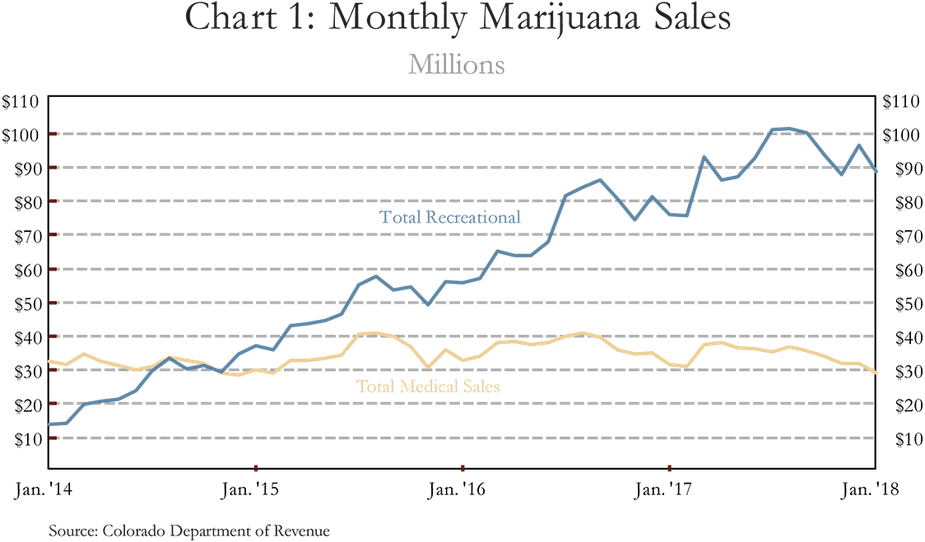
- January 1, 2014: Retail sales of recreational marijuana officially begin in Colorado. This date marked the transition from a voter-approved initiative to a tangible, operational market. Dispensaries across the state were authorized to sell cannabis products, sparking significant interest from both residents and tourists. The initial rollout was closely watched, with policymakers and the public eager to see how the new system would function.
- Ongoing Regulatory Adjustments: Since 2014, Colorado’s cannabis laws have undergone continuous refinement. The state legislature and regulatory bodies have worked to address issues related to licensing, advertising, product safety, taxation, and public health. These adjustments reflect a commitment to evolving the cannabis industry responsibly and ensuring it aligns with broader public policy goals.
The legalization of recreational cannabis in Colorado was not a singular event but a process that involved extensive public debate, careful legislative planning, and ongoing adaptation. The intent behind Amendment 64 was multifaceted, aiming to bring the cannabis market out of the shadows, create a new source of tax revenue for public services, and align state law with changing societal attitudes.
The Impact on Tourism and Local Culture
The legalization of recreational marijuana has had a profound and undeniable impact on Colorado as a tourist destination. The state quickly became a prominent location for “cannabis tourism,” attracting visitors eager to legally experience cannabis culture. This phenomenon has created a new segment of the travel industry, with businesses catering specifically to these interests.

The Rise of Cannabis Tourism
- New Visitor Demographics: Colorado saw an influx of tourists from states where cannabis remained illegal. These visitors were drawn by the novelty and legal status of cannabis consumption. This demographic shift brought new economic opportunities and also presented challenges in managing public perception and ensuring responsible tourism practices.
- Cannabis-Friendly Accommodations and Experiences: In response to the growing demand, various businesses emerged to cater to cannabis tourists. This includes “cannabis-friendly” hotels, lounges, and tour operators. While direct consumption is often restricted to private residences, many establishments offer designated smoking areas or facilitate access to cannabis lounges. These services have become integral to the cannabis tourism experience.
- Economic Contributions: The cannabis industry has become a significant contributor to Colorado’s economy. Tax revenues generated from cannabis sales have been allocated to various public services, including schools, infrastructure, and public health initiatives. This economic boon has further solidified the state’s progressive stance on cannabis. The tourism sector, in particular, has benefited from the increased visitor numbers and spending associated with cannabis-related activities.
Beyond the direct economic impact, cannabis legalization has also subtly influenced Colorado’s local culture. The conversation around cannabis has moved from hushed tones to open dialogue, fostering a more relaxed and accepting atmosphere in many communities. This cultural shift is palpable, influencing everything from social norms to the types of businesses that thrive within the state.
Navigating Cannabis Tourism in Colorado
For visitors interested in exploring Colorado‘s cannabis offerings, understanding the legal framework and local etiquette is paramount. The state has implemented specific regulations to ensure responsible use and public safety, and adhering to these guidelines enhances the overall travel experience.
Understanding the Rules and Regulations
- Age Restrictions: As established by Amendment 64, all individuals must be 21 years of age or older to purchase and consume cannabis in Colorado. This rule is strictly enforced, and valid identification is required at all licensed dispensaries.
- Public Consumption Laws: It is illegal to consume cannabis in public places, including parks, sidewalks, and within view of public areas. This regulation is designed to maintain public order and prevent the normalization of public intoxication. Designated private consumption spaces or private residences are the only legal venues for consumption.
- Driving Under the Influence: Driving under the influence of cannabis is strictly prohibited and carries severe penalties, akin to those for driving under the influence of alcohol. The state has robust laws and enforcement mechanisms to ensure road safety. Visitors are strongly advised against operating any vehicle after consuming cannabis.
- Possession Limits: There are legal limits to the amount of cannabis individuals can possess. Adults 21 and over can legally possess up to one ounce of usable cannabis. Exceeding these limits can result in legal consequences.
- Where to Purchase: Legal cannabis products can only be purchased from licensed retail dispensaries. These establishments are regulated by the state and are subject to strict inventory controls and safety standards. It is advisable to research dispensaries in advance, as they offer a wide range of products and varying levels of customer service and expertise.
Tips for a Responsible Cannabis Journey
- Plan Your Visit: Research dispensaries, consumption lounges, and cannabis-friendly accommodations in advance, especially if you are traveling to cities like Denver or Boulder. Many dispensaries offer online menus and educational resources.
- Start Slow: If you are new to cannabis or trying a new product, it is advisable to start with a low dose and wait to assess its effects before consuming more. Edible products, in particular, can take longer to take effect and may have stronger impacts.
- Stay Hydrated and Nourished: Cannabis can sometimes cause dry mouth and increased appetite. Staying hydrated with water and having snacks available can enhance your comfort.
- Respect Local Laws: Always be mindful of and adhere to Colorado’s cannabis laws and regulations. Ignorance of the law is not a valid defense.
- Consider Transportation: Utilize ride-sharing services, public transportation, or designated drivers to avoid any risk of driving under the influence.
- Be Discreet: While Colorado is generally accepting of cannabis, it is still important to be discreet about your consumption, especially in public spaces or if staying in a hotel that does not explicitly permit it.
The legalization of cannabis in Colorado has opened up new avenues for exploration and experience. By understanding the history, the impact, and the regulations, visitors can embark on a journey that is both enjoyable and responsible, contributing positively to the unique tourism landscape of the state. The evolution of cannabis policy in Colorado serves as a compelling narrative of societal change and adaptation in the modern era.
LifeOutOfTheBox is a participant in the Amazon Services LLC Associates Program, an affiliate advertising program designed to provide a means for sites to earn advertising fees by advertising and linking to Amazon.com. Amazon, the Amazon logo, AmazonSupply, and the AmazonSupply logo are trademarks of Amazon.com, Inc. or its affiliates. As an Amazon Associate we earn affiliate commissions from qualifying purchases.