
Texas, with its vast landscapes stretching from the piney woods to the arid deserts, boasts a diverse appeal for travelers. From the vibrant cityscapes of Houston and Dallas to the cultural richness of San Antonio and the live music scene in Austin, the Lone Star State offers an endless array of experiences. But for those planning a trip, particularly to its stunning Gulf Coast, a crucial question often arises: Does Texas get hurricanes?
The short answer is a resounding yes. Texas is indeed susceptible to hurricanes and tropical storms, a reality that visitors and residents alike must acknowledge and prepare for. Located along the Gulf of Mexico, the state’s coastline is directly exposed to these powerful weather systems, which form over warm ocean waters and can bring devastating winds, torrential rain, and storm surge.
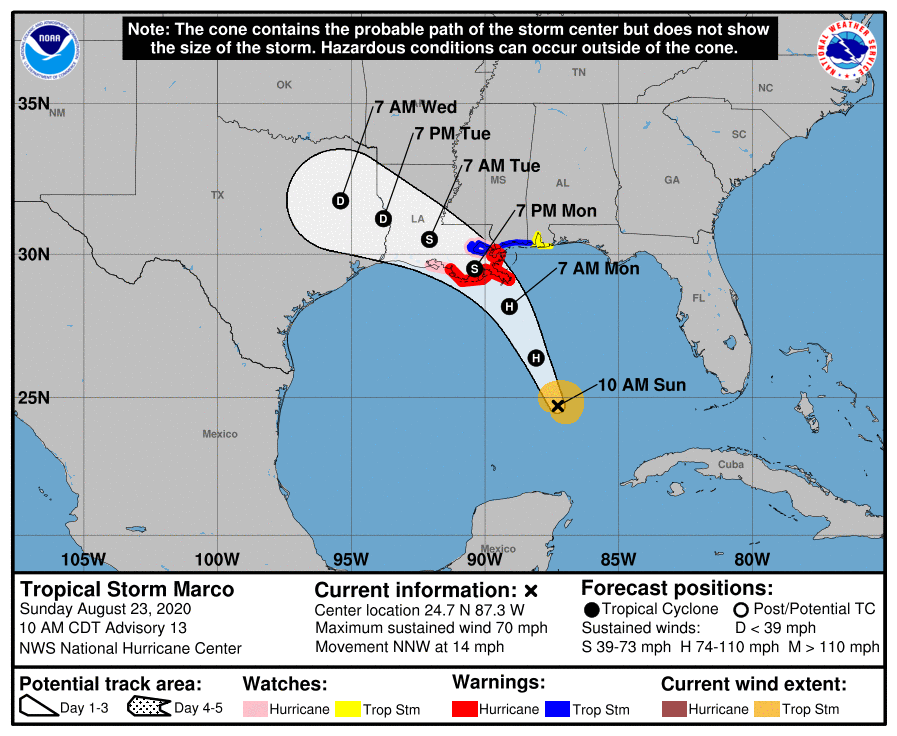
However, understanding this vulnerability doesn’t mean you should strike Texas off your travel list. Instead, it means embracing informed travel planning, knowing when hurricane season occurs, and understanding the robust preparedness measures in place. This article will delve into what you need to know about hurricanes in Texas, how they impact travel, and how you can still enjoy an incredible and safe experience in this captivating state, regardless of the season. We’ll explore travel tips, accommodation considerations, and highlight the resilient spirit of Texas tourism.
Understanding Texas’s Vulnerability to Hurricanes
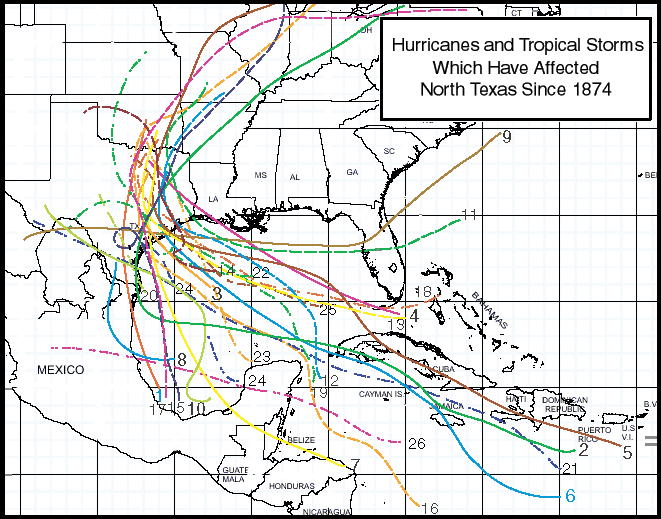
The geographical position of Texas makes it a frequent visitor on the radar of tropical weather systems. Its extensive coastline, stretching over 370 miles from the Sabine Pass near Louisiana to Boca Chica at the southern tip, is directly in the path of storms originating in the Atlantic Ocean and the Gulf of Mexico.
The Gulf Coast Reality
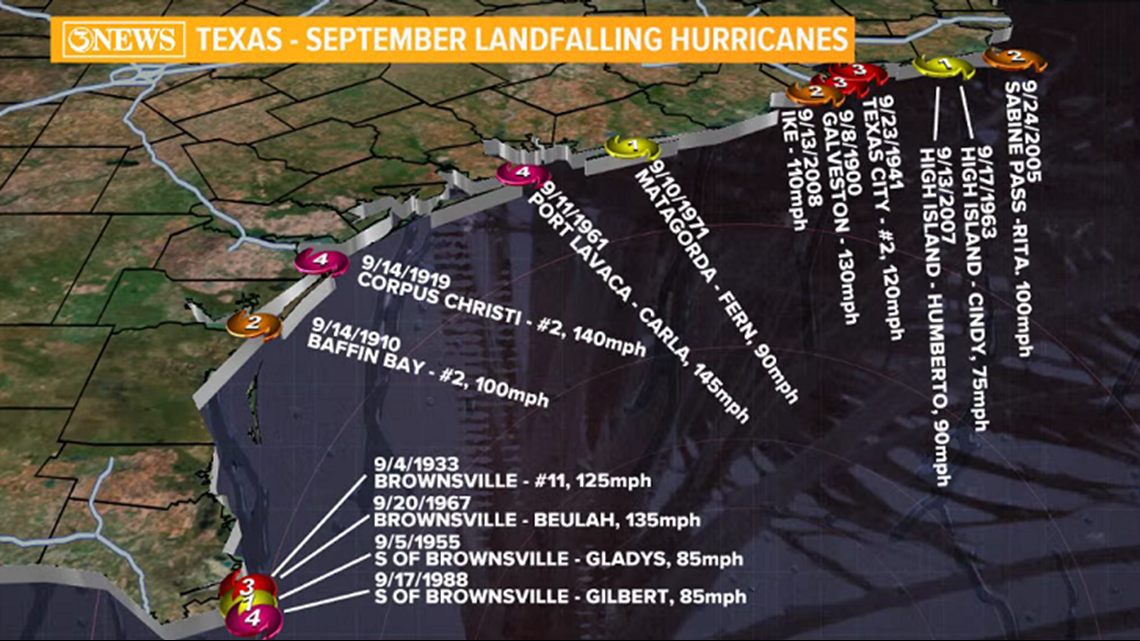
Historically, the Texas Gulf Coast has experienced numerous significant hurricanes. Iconic coastal cities like Galveston, Corpus Christi, and South Padre Island have borne the brunt of these powerful storms. Hurricanes can cause widespread damage, including property destruction, power outages, and coastal flooding due to storm surge. The sheer force of these events necessitates comprehensive emergency planning and resilient infrastructure.
For instance, Galveston famously rebuilt and developed robust storm protection after the devastating 1900 hurricane, and continues to evolve its preparedness. Modern early warning systems, advanced meteorological forecasting by agencies like the National Hurricane Center (NHC), and well-practiced evacuation protocols significantly enhance safety for residents and visitors alike. However, it’s crucial for any traveler to understand that while these systems are effective, they require cooperation and attentiveness.
When is Hurricane Season in Texas?
The official Atlantic hurricane season runs from June 1st to November 30th each year. Within this period, the peak activity typically occurs between mid-August and late October. While a hurricane can theoretically form at any point during this six-month window, travel planning around these peak months often requires a bit more vigilance.
It’s important to note that “hurricane season” doesn’t mean constant storms. Many hurricane seasons pass with minimal direct impacts on Texas. However, being aware of the timeframe allows travelers to make informed decisions about when to visit coastal areas and how to prepare for contingencies. Off-season travel, particularly during the spring (March to May) or late fall (November to early December), can offer pleasant weather with a much lower risk of tropical systems. Winter in Texas is also typically mild and hurricane-free, offering unique holiday experiences without the weather concerns.
Navigating Hurricane Season: Essential Travel Tips for Texas
For those who plan to visit Texas during hurricane season, or simply want to be prepared, adopting a proactive approach is key. It’s all about minimizing risk and ensuring a smooth, enjoyable trip, even if unexpected weather arises. This involves a combination of smart planning, understanding your accommodation’s policies, and considering travel insurance.
Pre-Trip Planning and Weather Monitoring
Before you even book your flight or hotel, especially if traveling between June and November, make it a habit to check long-range weather forecasts and seasonal hurricane outlooks. Reputable sources like the National Oceanic and Atmospheric Administration (NOAA) provide valuable information.
Once your trip is booked, stay informed. Download reliable weather apps and enable notifications. Follow local news outlets in your destination city. If a tropical system begins to develop in the Gulf of Mexico or the Atlantic, pay close attention to its projected path and intensity. Early warnings are your best tool. Being flexible with your travel dates or destination might also be an option if a storm threatens. Many airlines and hotels offer waivers for changes or cancellations during declared emergencies.
Securing Your Stay: Accommodation Policies and Evacuation
When booking hotels, resorts, or vacation rentals along the Texas Gulf Coast, always inquire about their hurricane policies. This is a critical aspect of travel planning, particularly for those looking for luxury travel or long-term stays.
- Cancellation Policies: Do they offer refunds or credit for future stays if a mandatory evacuation is issued or if the property is damaged? What are the deadlines for these policies? Reputable establishments like The San Luis Resort in Galveston or Hotel Galvez often have clear guidelines published on their websites.
- Evacuation Plans: What are their procedures in case of an evacuation order? Do they provide assistance or information on evacuation routes? Where do staff typically go? Understanding this can provide peace of mind.
- Amenities During Storms: While you hope not to need them, what amenities are available if a storm causes temporary disruptions? Some high-end resorts might have backup generators to maintain power for essential services.
- Long-term Stays: If you’re planning an extended stay, perhaps in an apartment or villa, ensure your lease or booking agreement clearly outlines responsibilities and procedures during a severe weather event.
Choosing accommodation with a strong track record of safety and guest communication during emergencies is highly recommended. Many modern hotels and resorts are built to stricter codes and have robust emergency plans in place, making them safer havens than older structures or less reputable options.
The Importance of Travel Insurance
Perhaps the single most important recommendation for anyone traveling to a hurricane-prone area during hurricane season is to purchase comprehensive travel insurance. This falls squarely under smart lifestyle choices for any traveler.
Standard travel insurance policies often cover losses due to unforeseen events, including hurricanes. This can include:
- Trip Cancellation: If you have to cancel your trip because a hurricane makes your destination uninhabitable or inaccessible.
- Trip Interruption: If a hurricane forces you to cut your trip short and return home.
- Travel Delay: If your flight or other transportation is delayed due to severe weather.
- Emergency Medical Coverage: While less directly related to hurricanes, it’s always a good idea to have.
- Baggage Delay/Loss: If your luggage is delayed or lost due to disruptions caused by a storm.
It’s crucial to read the policy details carefully to understand exactly what is covered and what conditions apply, such as “named storms” or “mandatory evacuations” declared after you’ve purchased the policy. Most policies have a waiting period, meaning you cannot buy insurance after a storm has been named or is directly threatening your destination. Purchase your policy as soon as you book your trip to maximize your coverage.
Iconic Texas Destinations: Coastal Charm and Inland Escapes
Texas’s appeal extends far beyond its beaches, offering a wealth of destinations that cater to every interest, from history buffs to nature enthusiasts. Understanding the regional impact of hurricanes can help you plan the perfect Texas itinerary.
Preparing for Coastal Adventures (Galveston, Corpus Christi, and South Padre Island)
The coastal cities are undeniably magnificent, offering unique attractions and experiences.
- Galveston: A historic island city known for its Victorian architecture, beautiful beaches, and family-friendly attractions like Moody Gardens and Pleasure Pier. Its rich history and resilient spirit make it a fascinating destination.
- Corpus Christi: Home to the Texas State Aquarium and the USS Lexington Museum on the Bay, Corpus Christi offers a vibrant blend of naval history, marine life, and outdoor activities.
- South Padre Island: A tropical paradise famous for its stunning beaches, water sports, and vibrant nightlife, particularly popular during spring break.
If your heart is set on a coastal getaway during hurricane season, ensure you follow all the pre-trip planning advice above. Be prepared for potential changes, and consider flexible bookings. Many resorts and hotels in these areas are well-versed in storm preparedness and guest safety, having refined their procedures over decades. Even if a storm necessitates a temporary closure, the communities are typically quick to rebound, eager to welcome visitors back.
Discovering Inland Sanctuaries (Houston, Austin, San Antonio)
While coastal areas bear the direct brunt of hurricanes, inland cities like Houston, Austin, and San Antonio can still experience significant impacts from heavy rainfall and flooding, even if they are spared the hurricane-force winds. However, they are generally safer bets if you’re concerned about direct hurricane strikes.
- Houston: A sprawling metropolis offering world-class museums, incredible culinary experiences, and the iconic Space Center Houston. While it can experience severe flooding from hurricane remnants, direct wind damage is less common.
- Austin: The state capital, known for its live music scene, vibrant culture, and outdoor activities like kayaking on Lady Bird Lake. Austin is further inland and generally less impacted by tropical systems than coastal cities, though heavy rains can still occur.
- San Antonio: Rich in history, home to the Alamo and the enchanting River Walk. San Antonio is far enough inland that hurricanes typically weaken significantly before reaching it, primarily bringing heavy rain.
These inland destinations offer fantastic alternatives or additions to your itinerary, providing a different flavor of Texas culture and entertainment, often with less direct hurricane concern. They can also serve as excellent fallback destinations if your coastal plans are disrupted.
The Resilient Spirit of Texas Tourism: Making the Most of Your Trip
The threat of hurricanes is a part of life in Texas, but it doesn’t diminish the state’s incredible appeal or its ability to provide unforgettable travel experiences. The state has a proven track record of resilience, recovery, and an unwavering commitment to hospitality.
Post-Storm Recovery and Community Support
Texans are known for their strong community spirit and their ability to bounce back after adversity. When hurricanes strike, local communities, supported by state and federal resources, mobilize quickly for recovery efforts. Tourism boards, hotel associations, and local businesses work tirelessly to restore services and welcome visitors back as soon as it’s safe to do so. Supporting these destinations once they’ve recovered is a meaningful way for travelers to contribute to their long-term vitality.
Year-Round Allure: Why Texas is Always Worth Visiting
Ultimately, the question “Does Texas get hurricanes?” should not deter you from experiencing this extraordinary state. Instead, it should empower you to plan wisely and travel safely. The best time to visit often depends on your priorities:
- Spring (March-May): Generally ideal weather across the state, with wildflowers blooming and pleasant temperatures for exploring both coasts and cities. Minimal hurricane risk.
- Summer (June-August): Hot, especially inland, but perfect for beach vacations. This is the start of hurricane season, so coastal trips require extra vigilance.
- Fall (September-November): Offers cooler temperatures, especially in late fall, perfect for outdoor activities and city exploration. Peak hurricane season, so constant weather monitoring is advisable for coastal trips.
- Winter (December-February): Mild temperatures across much of the state, with pleasant conditions for urban exploration and snow-free holidays. No hurricane risk.
From the vibrant street art of Austin and the historic battlefields of San Antonio to the sun-kissed beaches of South Padre Island and the bustling energy of Houston, Texas offers an unparalleled travel experience. By being informed, preparing for contingencies, and staying vigilant during hurricane season, you can ensure your Texas adventure is not only memorable but also safe and stress-free. So pack your bags, plan smart, and get ready to discover the magic of the Lone Star State!
LifeOutOfTheBox is a participant in the Amazon Services LLC Associates Program, an affiliate advertising program designed to provide a means for sites to earn advertising fees by advertising and linking to Amazon.com. Amazon, the Amazon logo, AmazonSupply, and the AmazonSupply logo are trademarks of Amazon.com, Inc. or its affiliates. As an Amazon Associate we earn affiliate commissions from qualifying purchases.