
Embarking on the journey to obtain a driver’s license is a significant milestone, marking a new chapter of independence, freedom, and boundless opportunities for travel and exploration. For residents of Oregon, this exciting path begins with successfully navigating the permit test, a crucial first step that verifies your foundational knowledge of traffic laws, road signs, and safe driving practices. Understanding the structure and requirements of this exam is paramount to passing it with flying colors, unlocking not just the ability to drive, but also the gateway to experiencing the vast beauty of the Pacific Northwest and beyond.
The permit test isn’t merely a bureaucratic hurdle; it’s a foundational lesson in responsible citizenship on the road. It ensures that every prospective driver understands the rules that keep our communities safe, whether they’re commuting through bustling cities like Portland or embarking on a scenic road trip along the Oregon Coast. This article will delve into the specifics of the Oregon permit test, providing a comprehensive guide to its format, content, and the best strategies for preparation. Beyond the test itself, we’ll explore how earning your permit and eventually your full driver’s license can profoundly enhance your lifestyle, opening up a world of travel, tourism, and accommodation possibilities across the United States.
Navigating the Oregon Permit Test: An Overview
The permit test, officially known as the knowledge test, is administered by the Oregon Department of Motor Vehicles (DMV). It’s designed to assess your comprehension of the rules and regulations outlined in the official Oregon Driver Manual. This initial test is a prerequisite for obtaining a provisional instruction permit, which allows you to practice driving under the supervision of a licensed adult.
The Structure of the Exam
The Oregon permit test consists of 35 multiple-choice questions. These questions are meticulously crafted to cover a broad spectrum of topics essential for safe driving. To pass, you must correctly answer at least 28 questions, which translates to a passing score of 80%. Failing to meet this threshold means you’ll need to retake the test. It’s important to approach this exam with thorough preparation, as each attempt requires a waiting period, and you want to ensure your first try is a successful one, preventing any unnecessary delays in your journey to driving freedom.
The questions are typically divided into two main categories:
- Traffic Laws and Regulations: This section covers a wide array of rules governing how vehicles operate on the road. Topics include right-of-way, speed limits, parking regulations, turning rules, passing procedures, impaired driving laws, distracted driving penalties, and understanding various traffic signals and pavement markings. Questions might present scenarios, asking you to identify the correct course of action or the legal requirement in a specific situation. For instance, you might be asked about the legal implications of driving under the influence or the proper procedure for yielding to an emergency vehicle.
- Road Signs and Markings: Recognizing and understanding the meaning of road signs is critical for safe driving. This part of the test assesses your knowledge of regulatory signs (e.g., Stop, Yield, Do Not Enter), warning signs (e.g., sharp curve ahead, deer crossing), guide signs (e.g., route markers, destination information), and service signs (e.g., gas, hospital). You’ll often be presented with an image of a sign and asked to identify its meaning or what action a driver should take upon seeing it. This section also includes questions on pavement markings, such as solid or broken lines, crosswalks, and lane usage symbols.
A deep understanding of both categories is crucial for passing. The test aims to ensure that you not only know the rules but can also interpret the visual cues on the road quickly and accurately.
Eligibility and Application Process
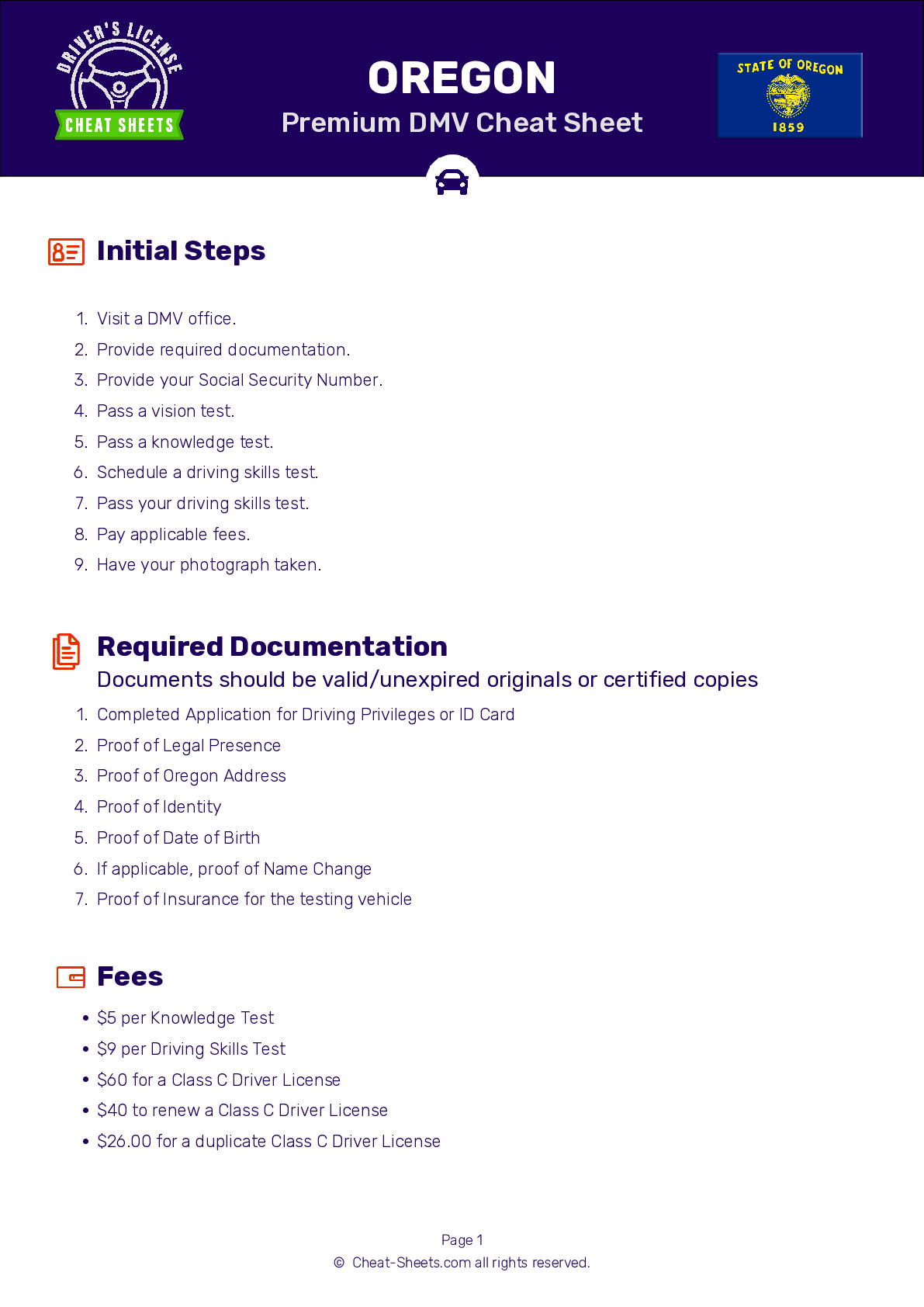
Before you can even take the permit test, you need to meet certain eligibility requirements set by the Oregon DMV. Generally, you must be at least 15 years old to apply for an instruction permit. The application process itself involves several steps:
- Gather Required Documents: You’ll need to provide proof of identity, legal presence, residency in Oregon, and your Social Security number. Acceptable documents might include a birth certificate, passport, utility bills, or a Social Security card.
- Complete the Application Form: Fill out the necessary forms provided by the DMV.
- Pass a Vision Test: Your eyesight will be checked to ensure you meet the minimum visual acuity standards for driving.
- Pay the Required Fees: There are fees associated with the permit application and the knowledge test itself.
- Pass the Knowledge Test: This is where your preparation truly pays off.
Once you successfully pass the vision and knowledge tests and complete all other requirements, you will be issued your provisional instruction permit. This permit allows you to practice driving with a licensed driver who is at least 21 years old and has held a valid driver’s license for at least three years, ensuring you gain valuable real-world experience under supervision.
Preparing for Success: Your Journey to Driving Freedom
Diligent preparation is the cornerstone of success for the Oregon permit test. Think of this preparation phase as planning for a grand journey; the more thoroughly you plan, the smoother and more enjoyable the trip will be. Your goal is not just to memorize answers but to truly understand the principles of safe driving, which will serve you for a lifetime on the road.
Essential Study Resources
The most vital resource at your disposal is the official Oregon Driver Manual. This comprehensive guide, available for free online on the DMV’s website or in print at DMV offices, contains all the information you need to pass the test.
- The Official Manual: Read the Oregon Driver Manual cover to cover, not just once, but multiple times. Pay special attention to sections on traffic laws, road signs, and safe driving practices. Many find it helpful to highlight key information or take notes as they read. The manual is organized logically, making it easy to navigate specific topics like turning maneuvers, parking rules, or the specifics of driving near bicycles.
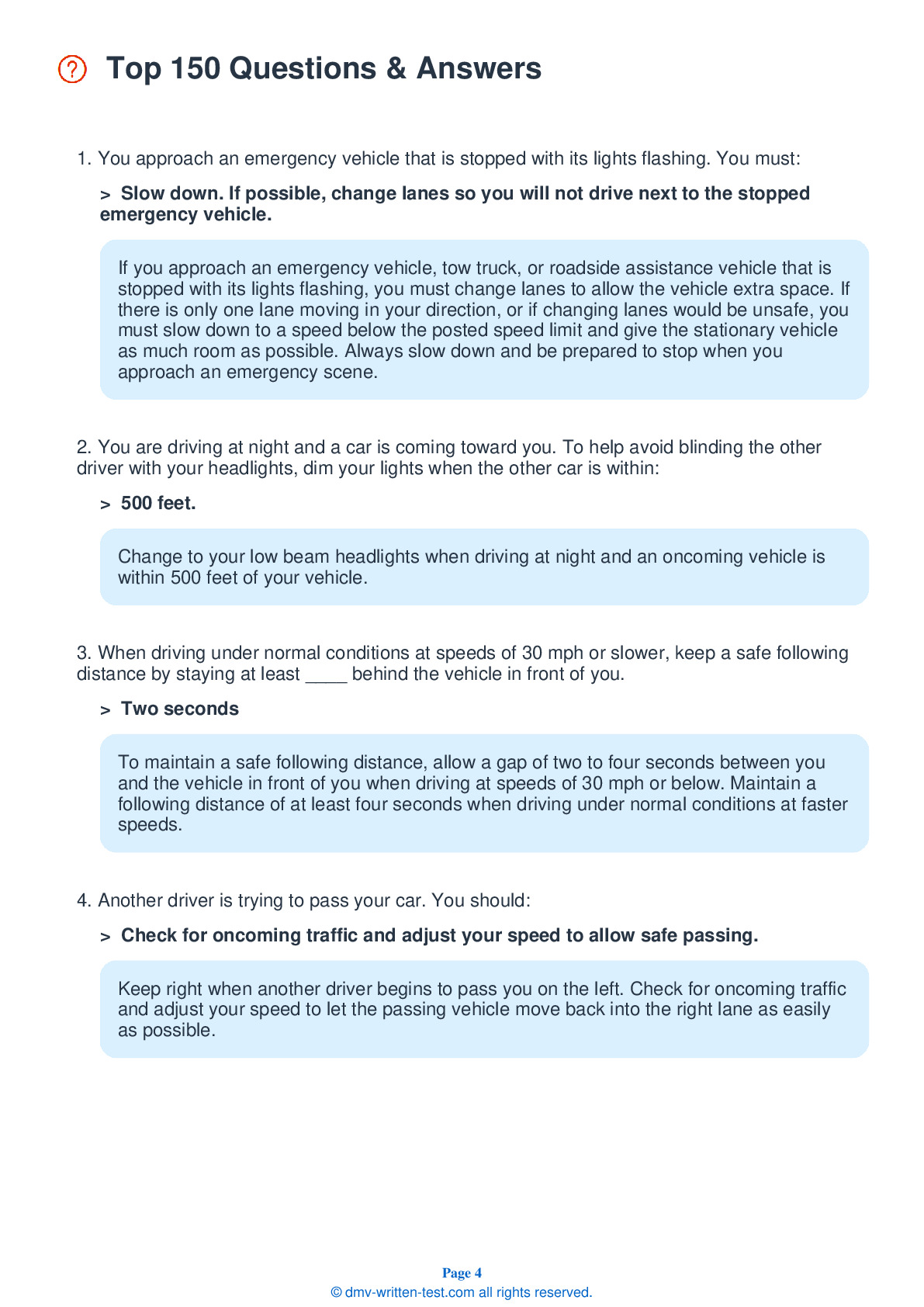
- Online Practice Tests: Numerous websites offer free practice tests that mimic the format and content of the actual Oregon permit test. These tests are invaluable tools for:
- Assessing Your Knowledge: Identify areas where you need further study.
- Familiarizing Yourself with the Format: Get comfortable with multiple-choice questions and time constraints.
- Building Confidence: Repeatedly passing practice tests can boost your self-assurance for the actual exam.
- Identifying Tricky Questions: Some questions are designed to be slightly ambiguous; practice tests help you learn to read questions carefully.
- Driving Schools and Courses: While not mandatory for the permit test, enrolling in a certified driving school can provide structured learning and expert instruction. These courses often cover the manual’s content in depth and offer insights from experienced instructors, which can be particularly beneficial for understanding complex scenarios or specific Oregon regulations. Many schools also offer specialized preparation courses for the knowledge test.
Tips for Effective Preparation
To maximize your chances of success and build a solid foundation for your driving career, consider these effective study tips:
- Start Early and Study Consistently: Don’t cram the night before. Break down the Oregon Driver Manual into manageable sections and review them over several weeks. Consistent, short study sessions are often more effective than infrequent, long ones.
- Understand, Don’t Just Memorize: While memorization has its place, true understanding of why certain rules exist will help you apply them in various situations, both on the test and on the road. For example, understanding the physics behind stopping distances is more valuable than just memorizing a number.
- Focus on Your Weaknesses: After taking practice tests, identify the topics you consistently struggle with. Devote extra time to reviewing those specific sections in the manual.
- Simulate Test Conditions: When taking practice tests, try to simulate the actual test environment. Find a quiet place, set a timer, and avoid distractions. This helps reduce test-day anxiety.
- Review Incorrect Answers Thoroughly: For every question you get wrong on a practice test, go back to the manual and understand why your answer was incorrect and what the right answer is. This is a powerful learning technique.
- Get Enough Rest: A well-rested mind performs better. Ensure you get adequate sleep before your test day.
- Arrive Early and Prepared: On the day of the test, arrive at the DMV office early, with all your required documents, and a calm, focused mindset.
Beyond the Test: Exploring Oregon and Beyond
Passing your permit test is more than just obtaining a piece of paper; it’s the first step towards a lifestyle of unparalleled freedom and adventure. With a driver’s license, the roads of Oregon and the entire United States become accessible, transforming your travel and tourism experiences.
Unlocking Oregon’s Wonders with a Driver’s License
Oregon is a state renowned for its breathtaking natural beauty and diverse landscapes. A driver’s license empowers you to explore these wonders at your own pace, creating personalized itineraries and spontaneous adventures.
- City Escapes and Urban Exploration: Drive to vibrant cities like Portland, known for its eclectic food scene, unique boutique hotels, and quirky attractions. Visit Salem, the state capital, with its historical sites, or explore the academic charm of Eugene.
- Coastal Retreats: Take a scenic drive along the iconic Oregon Coast, stopping at charming towns like Cannon Beach to marvel at Haystack Rock, or visiting the Tillamook Creamery for a taste of local dairy delights in Tillamook. Discover hidden coves, dramatic cliffs, and pristine beaches.
- Mountain Adventures: Head east to the majestic Cascade Range, where Mount Hood stands tall, offering year-round recreation from skiing to hiking. Explore the high desert landscapes around Bend, a hub for outdoor sports and resorts.
- Natural Landmarks and Parks: Your license provides access to iconic national parks and state parks. Drive to the unparalleled beauty of Crater Lake National Park, the deepest lake in the United States, or witness the stunning waterfalls of the Columbia River Gorge. Venture to the geological wonders of the Painted Hills or rock climb at Smith Rock State Park. Discover the vineyards of the Willamette Valley or raft down the Rogue River.
- Accommodation and Tourism: With a license, you can easily reach remote cabins, luxurious resorts, charming bed and breakfasts, or even camping sites that might otherwise be inaccessible. This freedom to choose your accommodation and explore local tourism enriches the entire travel experience.
Road Trips and Lifestyle Adventures
A driver’s license transforms your approach to travel, moving beyond local exploration to epic road trips that cross state lines. Imagine driving down the Pacific Coast Highway into California, exploring the vibrant cities of Washington, or venturing into the natural beauty of Idaho and Nevada.
This ability to self-drive fundamentally changes your lifestyle, offering:
- Spontaneity: The freedom to pick up and go on a whim, pursuing new destinations or revisiting beloved attractions.
- Flexibility: No longer dependent on public transport schedules or expensive ride-sharing services, you control your itinerary and pace.
- Accessibility: Reach off-the-beaten-path locations, quaint towns, and hidden gems that public transportation might miss.
- Enhanced Experiences: Bring more gear for outdoor activities, carry souvenirs from your travels, and enjoy the journey as much as the destination.
- Convenience for Business Stays: For those requiring business travel, a license facilitates easy navigation to and from corporate hotels, meeting venues, and Portland International Airport, streamlining professional engagements.
Common Questions and Misconceptions
As you prepare for your permit test, it’s natural to have questions and encounter some common misconceptions. Addressing these can help clarify the process and alleviate any anxiety.
What Happens If I Fail?
If you don’t achieve the 80% passing score on the Oregon permit test, don’t despair! You are allowed to retake the test. However, the DMV typically requires a waiting period, often a minimum of one day, before you can attempt it again. This waiting period is designed to give you time to review the Oregon Driver Manual and focus on the areas where you struggled. Each retake will also involve paying the associated test fee again. It’s crucial to use the time between attempts wisely, focusing on improving your knowledge rather than rushing into another test unprepared. Many people do not pass on their first try, and it is a learning experience.
Is the Permit Test the Same as the Driving Test?
No, the permit test (knowledge test) is entirely distinct from the driving test (road test).
- Permit Test (Knowledge Test): This is the written or computer-based exam we’ve discussed, focusing on your theoretical knowledge of traffic laws, road signs, and safe driving principles. Passing this grants you an instruction permit.
- Driving Test (Road Test): This is a practical, behind-the-wheel examination conducted by a DMV examiner. It assesses your actual driving skills, including your ability to control a vehicle, follow traffic laws in real-world conditions, perform maneuvers like parallel parking, and make safe decisions on the road. You can only take the driving test after you’ve held your instruction permit for a specified period (typically at least six months for minors) and have completed a certain number of supervised driving hours.
Both tests are critical components of the licensing process, each serving a different but equally important purpose in ensuring you are a safe and competent driver.
In conclusion, the Oregon permit test is a 35-question exam requiring 28 correct answers to pass. It’s your initial step towards gaining the freedom of the open road. By thoroughly studying the Oregon Driver Manual, utilizing practice tests, and understanding the application process, you can confidently pass this test. Beyond the immediate goal of earning your permit, remember that this achievement is a gateway to a richer lifestyle, filled with countless travel opportunities, whether you’re exploring the majestic Mount Hood, the vibrant streets of Portland, or planning an epic cross-country adventure. Prepare diligently, drive safely, and embrace the journey that lies ahead.
LifeOutOfTheBox is a participant in the Amazon Services LLC Associates Program, an affiliate advertising program designed to provide a means for sites to earn advertising fees by advertising and linking to Amazon.com. Amazon, the Amazon logo, AmazonSupply, and the AmazonSupply logo are trademarks of Amazon.com, Inc. or its affiliates. As an Amazon Associate we earn affiliate commissions from qualifying purchases.