
When planning a trip, considering a relocation, or simply exploring the economic landscape of different regions, one of the most common questions that arises is about state taxes. For visitors and potential new residents alike, understanding the tax structure of a destination can significantly influence budgeting, lifestyle choices, and overall travel experiences. In the context of the United States, the state of Texas stands out with a distinct approach to taxation, often sparking curiosity and making it a topic of great interest.
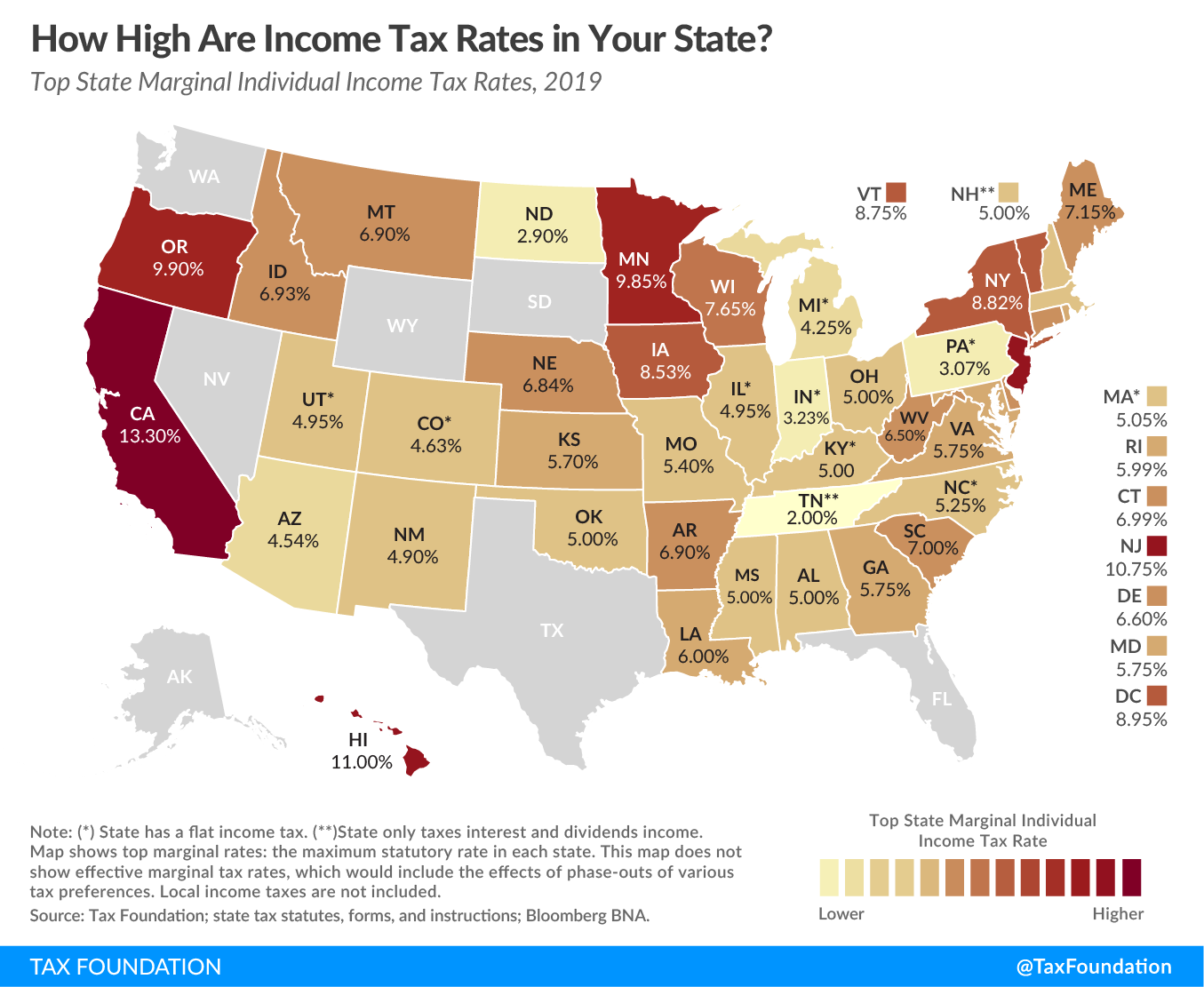
The straightforward answer to the question, “Does Texas have a state tax?” is a resounding no when it comes to personal income tax. Unlike many other states that levy a portion of an individual’s earnings, Texas operates without a state-level income tax. This fundamental aspect of the Texas fiscal policy has profound implications, not just for its residents and businesses, but also for the vibrant travel and tourism industries that thrive within its expansive borders. This unique tax environment contributes to a dynamic economic climate, influencing everything from the cost of living and the availability of diverse accommodations to the development of world-class attractions and the overall lifestyle enjoyed by millions.
Texas’s Unique Tax Landscape: No State Income Tax
The absence of a state income tax in Texas is often highlighted as one of its most significant economic advantages. This policy choice sets it apart from the majority of United States states, creating a distinct financial environment that influences nearly every facet of life and commerce within the state.
What This Means for Residents and Businesses
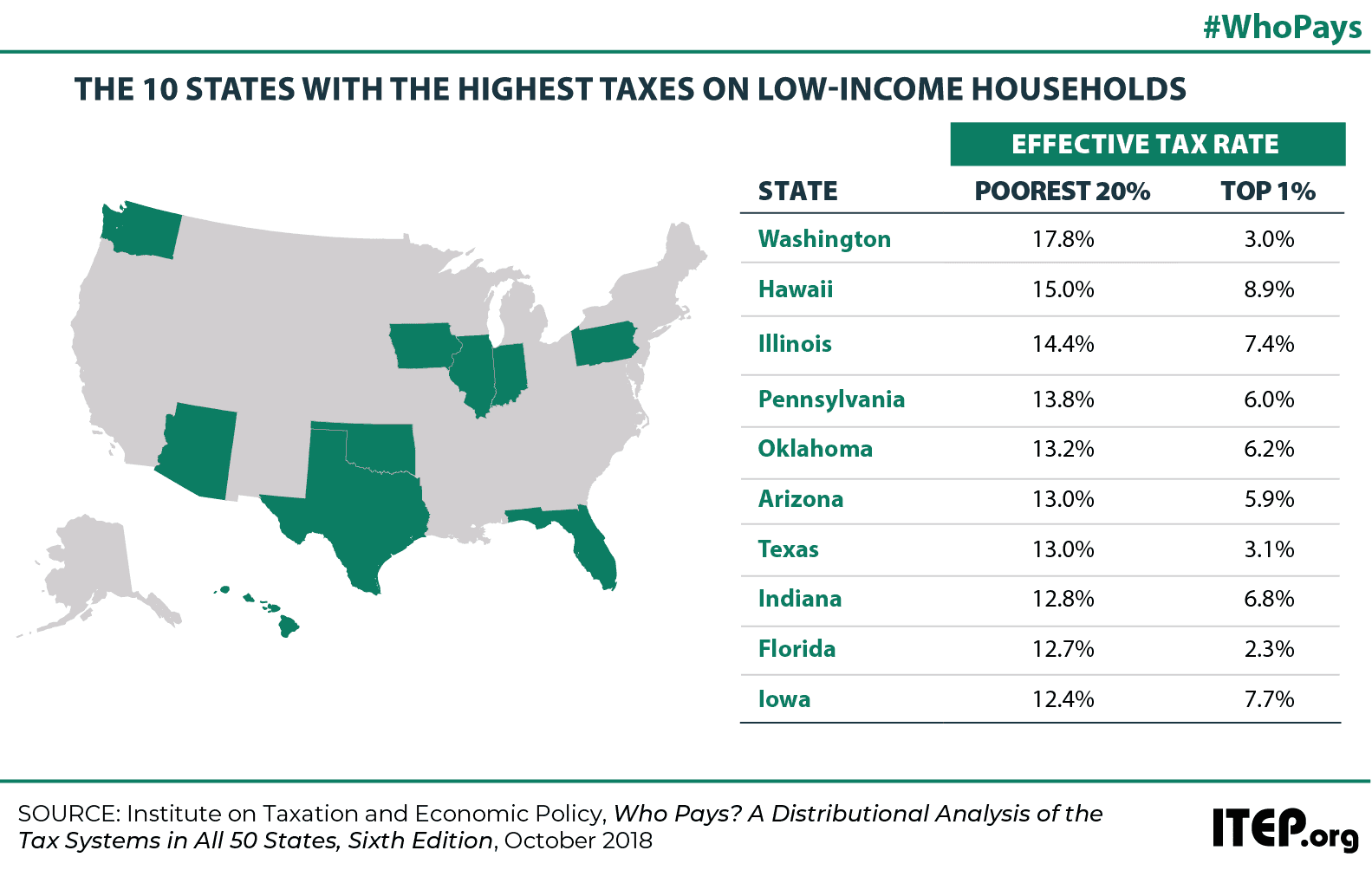
For individuals residing in Texas, the lack of a state income tax means that a larger portion of their gross income remains in their pockets, subject only to federal income tax. This can translate into increased disposable income, which often contributes to a higher perceived quality of life and greater financial flexibility. This advantage is a key factor in attracting talent and families from other states, eager to benefit from potentially lower overall tax burdens. The appeal extends beyond just personal finance; it creates a more attractive environment for consumer spending, boosting local economies across cities like Houston, Dallas, Austin, and San Antonio.
For businesses, the no-state-income-tax policy also presents a compelling incentive. While corporations do face a franchise tax, the absence of a broad-based corporate income tax makes Texas an appealing destination for companies looking to establish or expand operations. This business-friendly climate fosters economic growth, job creation, and investment, contributing to a robust and diverse economy. Startups, large corporations, and everything in between find a welcoming environment that supports innovation and expansion. This, in turn, fuels the development of infrastructure, entertainment venues, and hospitality services, all of which directly benefit tourism and travel.
The Other Side of the Coin: Property and Sales Taxes
While Texas foregoes a state income tax, it must fund its extensive public services and infrastructure through other revenue streams. The primary mechanisms for this are property taxes and sales taxes. Understanding these taxes is crucial, especially for travelers and those considering long-term stays or property investment.
Property Taxes: Texas property taxes are among the highest in the nation. These taxes are levied by various local entities, including counties, cities, school districts, and special utility districts. The rates vary significantly depending on the location and the specific taxing authorities. For residents, this means that while their income may not be taxed at the state level, their homeownership comes with a substantial annual property tax bill. This reality often influences housing affordability and the overall cost of living, especially in highly desirable areas. For investors in rental properties, it’s a significant operational cost that impacts rental rates and profitability.
Sales Taxes: Sales tax is a ubiquitous part of transactions in Texas. The statewide sales tax rate is 6.25%, but local jurisdictions (cities, counties, and special purpose districts) can add up to 2% more, bringing the total combined sales tax rate to a maximum of 8.25% in most areas. This tax applies to the sale of most goods and services, including retail purchases, restaurant meals, and various entertainment activities. For travelers, sales tax directly impacts the cost of souvenirs, dining out, and enjoying attractions, making it a key factor in budgeting for a trip.
Hotel Occupancy Tax (HOT): Directly relevant to travelers and the accommodation sector, Texas also levies a Hotel Occupancy Tax (HOT). This tax is charged on the rent paid for a room or space in a hotel, motel, bed and breakfast, or other lodging establishment. The state HOT rate is 6%, but cities and counties can also impose their own HOT rates, which can add several percentage points to the bill. For instance, in popular tourist destinations like Houston or San Antonio, the combined state and local hotel taxes can significantly increase the nightly cost of a room. This revenue is often earmarked for tourism promotion and local infrastructure projects, directly benefiting the traveler experience by funding convention centers, visitor bureaus, and cultural programs.
The Financial Lure for Travelers and Tourists
The unique tax structure in Texas plays a subtle yet significant role in shaping the travel experience and the overall appeal of the state as a destination. While direct state income tax doesn’t affect a tourist’s wallet, the secondary effects of this policy are noteworthy.
Impact on Travel Budgets
For visitors, the primary taxes they will encounter are the sales tax and the Hotel Occupancy Tax (HOT). When planning a trip to Texas, travelers should factor in the sales tax on their purchases, from dining at renowned restaurants in Austin to shopping for unique Texan souvenirs in Fort Worth. An average sales tax rate hovering around 8% means that a $100 meal will cost approximately $108. While this is standard for many states, being aware helps in precise budgeting.
More impactful for accommodation planning is the HOT. A luxury stay at a resort like the JW Marriott San Antonio Hill Country Resort & Spa or a boutique hotel like The Driskill in Austin will see an additional 6% (state) plus local percentages added to the base room rate. In popular cities, this can push the combined rate to over 15%, adding a considerable amount to multi-night stays. However, much of this revenue is reinvested into local tourism promotion and infrastructure, which ultimately enhances the visitor experience through improved attractions, cleaner public spaces, and better visitor services. For instance, funds collected in San Antonio might contribute to the beautification of the San Antonio Riverwalk or the maintenance of historical landmarks like The Alamo.
Cost of Living and Lifestyle

The absence of a state income tax significantly impacts the overall cost of living and the lifestyle enjoyed by residents, which indirectly influences the tourism landscape. For residents, more disposable income often translates to a greater willingness to spend on local entertainment, dining, and travel within the state. This strong local consumer base supports a thriving hospitality sector, leading to a wider array of restaurants, shops, and attractions for tourists to enjoy.
Furthermore, the tax environment has contributed to substantial population growth in Texas, particularly in its major metropolitan areas. This influx of people brings diverse cultures, culinary traditions, and a demand for varied lifestyle amenities. For tourists, this means a richer, more dynamic experience, whether exploring the world-class museums in the Dallas Arts District, enjoying live music in Austin, or experiencing the vibrant nightlife of Houston. The economic vibrancy, partly fueled by tax policies, allows for continuous investment in urban development, creating new experiences and attractions that draw visitors from around the globe. This also supports a wider range of accommodation options, from budget-friendly apartments to luxurious resorts, catering to every travel style.
Texas as a Destination: Where Your Money Goes (and Stays)
Beyond the technicalities of taxation, the fiscal policies of Texas have a tangible impact on its identity as a premier travel destination. The economic dynamism fostered by its tax structure allows for substantial investment in infrastructure, cultural institutions, and leisure activities, ensuring that visitors have a wealth of experiences to choose from.
Exploring Iconic Cities and Attractions
Texas’s major cities are not just economic powerhouses but also cultural epicenters, each offering a unique flavor. Houston, a global city, is home to the NASA Johnson Space Center and its public counterpart, Space Center Houston, offering an awe-inspiring look into space exploration. The city also boasts a vibrant culinary scene and impressive arts districts. Dallas offers a blend of historical significance, epitomized by the Sixth Floor Museum at Dealey Plaza, and modern luxury, with high-end shopping and a thriving business environment. The Dallas World Aquarium is another must-visit attraction.
Austin, the “Live Music Capital of the World,” pulses with creative energy, attracting visitors with its eclectic music venues, food trucks, and outdoor havens like Barton Springs Pool and Zilker Park. San Antonio is steeped in history and charm, from the solemn beauty of The Alamo and the mission churches of San Antonio Missions National Historical Park to the picturesque San Antonio Riverwalk, teeming with shops, restaurants, and entertainment.
Beyond the urban centers, Texas offers breathtaking natural wonders, including the vast wilderness of Big Bend National Park, the stunning canyons of Palo Duro Canyon State Park, and the pristine beaches of Padre Island National Seashore on the Gulf Coast. The fiscal environment, by attracting residents and businesses, provides the tax base to maintain and improve roads, parks, and other public facilities that make these attractions accessible and enjoyable for everyone.
Accommodation and Hospitality: A Booming Sector
The robust economy and growing tourism in Texas have fueled a booming accommodation and hospitality sector. From luxurious five-star resorts to charming boutique hotels and practical long-term stay apartments, the state offers an impressive range of choices to suit every budget and preference. Major cities like Houston boast establishments such as The Houstonian Hotel, offering unparalleled luxury and amenities. In Dallas, the Omni Dallas Hotel stands as a testament to modern urban hospitality, while Austin features iconic stays like the Hyatt Regency Austin.
The absence of a state income tax contributes to a vibrant business environment, which in turn encourages investment in hotel development and renovation. This means travelers often find modern facilities, competitive pricing, and a high standard of service. Whether you’re seeking family-friendly resorts near theme parks like Six Flags Over Texas and SeaWorld San Antonio, or exploring the historic charm of a bed and breakfast in the Texas Hill Country, the options are plentiful. The reinvestment of Hotel Occupancy Tax revenues further supports the industry, enabling destinations to attract conventions, events, and leisure travelers, thus creating a self-sustaining cycle of growth and improvement in the hospitality sector.
Business and Investment: Fueling the Texas Boom
The state’s approach to taxation is a foundational element of its economic success, directly influencing its appeal for business and investment. This, in turn, has a ripple effect on its tourism and lifestyle offerings, creating a dynamic and prosperous environment.
A Magnet for Relocation
Texas has become a magnet for both corporate and individual relocation. Major companies across diverse industries, from technology and energy to manufacturing and finance, have moved their headquarters or expanded operations to Texas cities. This inflow is largely attributed to the favorable tax environment, lower regulatory burdens compared to some other states, and a strong talent pool. The surge in corporate presence translates into an increase in business travel, demanding more hotels, convention centers, and supporting services. This also contributes to population growth, expanding the potential customer base for leisure and entertainment.
Individuals and families are also drawn by the prospect of keeping more of their earnings, combined with a generally lower cost of living (despite higher property taxes in some areas) and diverse job opportunities. This contributes to the energetic, ever-evolving cultural landscape of Texas, making it an exciting place to live, work, and visit.
Entrepreneurship and Innovation
The business-friendly climate of Texas fosters a strong spirit of entrepreneurship and innovation. The lack of state income tax can reduce the operating costs for small businesses and startups, allowing them to invest more in growth, research, and development. This environment has nurtured booming tech hubs in Austin and Dallas, a robust energy sector in Houston, and a growing manufacturing base throughout the state.
The success of these businesses indirectly benefits tourism by generating wealth, creating jobs, and expanding the tax base that supports public services and infrastructure. It also leads to the development of unique attractions and services. For example, the success of large corporations enables them to invest in their local communities, sponsoring cultural events, parks, and other amenities that enhance the overall visitor experience. This continuous cycle of growth and investment ensures that Texas remains a dynamic and attractive destination for all.
In conclusion, while Texas does not impose a state income tax, its public services are funded through sales and property taxes, alongside specific levies like the Hotel Occupancy Tax. This unique fiscal structure plays a pivotal role in shaping the state’s economic vitality, attracting businesses and residents, and fostering a thriving tourism sector. For travelers, understanding these elements allows for better budgeting and appreciation of the vibrant experiences that await in the Lone Star State, where your travel dollars contribute to a diverse and dynamic destination.
LifeOutOfTheBox is a participant in the Amazon Services LLC Associates Program, an affiliate advertising program designed to provide a means for sites to earn advertising fees by advertising and linking to Amazon.com. Amazon, the Amazon logo, AmazonSupply, and the AmazonSupply logo are trademarks of Amazon.com, Inc. or its affiliates. As an Amazon Associate we earn affiliate commissions from qualifying purchases.