
For many aspiring drivers, obtaining a learner’s permit marks a pivotal moment on the journey toward independence. In the vast and diverse landscape of Texas, this rite of passage opens up a world of possibilities, from spontaneous road trips to exploring dynamic cities and serene natural landmarks. Understanding the precise age requirements and the comprehensive process involved is not just a regulatory necessity; it’s the first step towards embracing a lifestyle of freedom and discovery. This guide is designed to walk you through every essential detail of acquiring a learner’s permit, officially known as a Learner License, in Texas, ensuring a smooth and informed transition from passenger to provisional driver.

Navigating the Initial Steps: Age and Education Requirements
The pursuit of a driver’s permit begins with meeting fundamental age and education criteria set forth by the state of Texas. These requirements are carefully structured to ensure that young drivers are adequately prepared both mentally and practically before they can begin their supervised driving experience.
Eligibility at 15: The Learner License
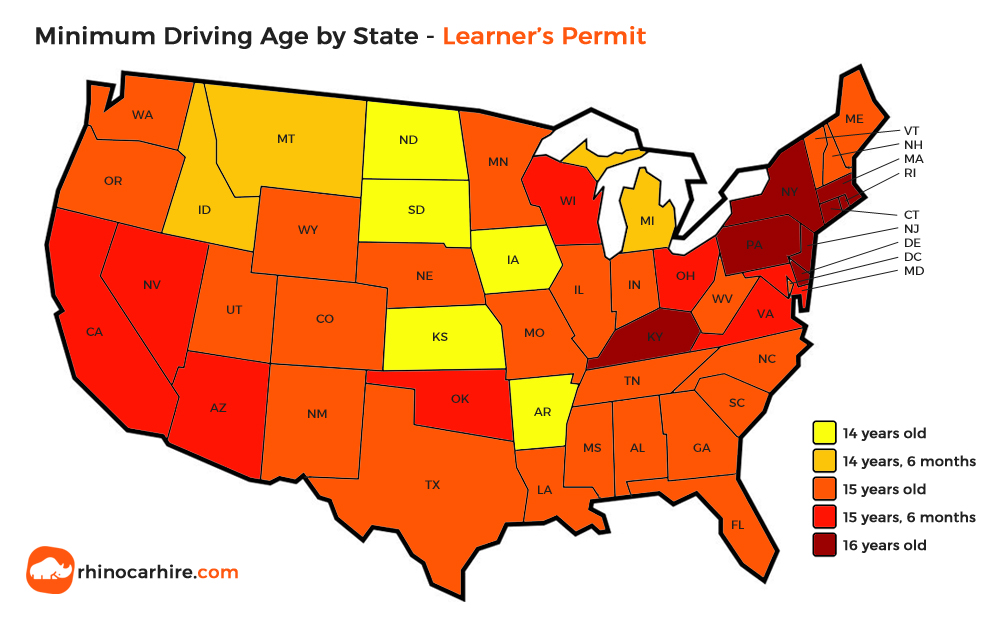
In Texas, the journey to unrestricted driving freedom can commence remarkably early. You become eligible to apply for a Learner License as soon as you turn 15 years old. This foundational permit is more than just a piece of paper; it’s a gateway to practical, supervised driving. With a Learner License, you are permitted to operate a motor vehicle, but under very specific conditions designed for safety and skill development. You must always be accompanied by a licensed driver who meets two critical criteria: they must be at least 21 years old and possess a minimum of one year of driving experience. This supervising driver must occupy the front passenger seat, ready to provide guidance and intervention if necessary. This period of supervised driving is an invaluable opportunity, offering hands-on experience that solidifies theoretical knowledge and instills safe driving habits before the responsibilities of a provisional license are undertaken. It’s an immersive learning phase, crucial for adapting to real-world driving scenarios under the watchful eye of an experienced mentor.
Choosing Your Path: Driver Education Options
Before you can even set foot in a Texas Department of Public Safety (DPS) office to apply for your Learner License at age 15, you must demonstrate a commitment to driver education. Texas provides flexible pathways to meet this essential requirement, catering to various learning styles and family circumstances.
The most traditional route involves enrolling in a state-approved driving school. This option typically entails a 32-hour classroom portion designed to impart comprehensive knowledge of traffic laws, road signs, and safe driving principles. Following this, students embark on 44 hours of behind-the-wheel instruction, offering practical application of classroom learning with a certified instructor. This structured environment provides expert guidance and a controlled setting for initial driving experiences.
Alternatively, the Parent-Taught Driver Education (PTDE) program offers a highly popular and flexible option for families. This program empowers a qualified parent, legal guardian, or even a court-appointed conservator to deliver both the classroom and behind-the-wheel components of the driver education course. Similar to the traditional model, the PTDE program mandates 32 hours of classroom instruction and 44 hours of supervised behind-the-wheel training. This choice is particularly appealing for families seeking to integrate driving lessons into their daily lives, providing a personalized and often more convenient learning experience.
For individuals who are 18 years old or older, the driver education landscape shifts. At this age, the comprehensive driver education course typically required for younger applicants is waived. Instead, adult applicants are required to complete a focused 6-hour adult driver education course. This expedited program is specifically tailored to provide essential driving knowledge and prepare older applicants for the permit and licensing process without the extensive hours mandated for teenagers.
Essential Documentation and the DPS Application Journey
Embarking on the journey to obtain a Texas Learner License requires careful preparation, particularly when it comes to gathering the necessary paperwork. A meticulously organized application portfolio is key to a smooth process at the Texas Department of Public Safety (DPS) office, minimizing potential delays and frustrations.
Assembling Your Application Portfolio
Before scheduling your visit to the Texas Department of Public Safety (DPS) office, it is paramount to gather all required documents. Proactive preparation of this documentation will significantly streamline your application process.
- Proof of U.S. Citizenship or Lawful Presence: This crucial document establishes your legal right to obtain a driver’s license in the United States. Acceptable forms include an original or certified copy of your U.S. birth certificate, a valid U.S. passport, or other specific documents recognized by the DPS. Ensure the document is current and untampered.
- Proof of Texas Residency: To confirm you are a resident of Texas, you will need to present two documents displaying your current Texas residential address. Common examples include a recent utility bill, a bank statement, or an official school transcript. These documents help verify your ties to the state.
- Social Security Card: Your original Social Security card is a mandatory piece of identification. It’s essential to bring the physical card, not just a photocopy.
- Verification of Enrollment and Attendance (VOE) form: This form is obtained directly from your high school or educational institution. It confirms your enrollment and satisfactory attendance, a critical requirement for underage applicants. If you are applying during the summer months, a VOE from the previous school year may be accepted, or a high school diploma or GED certificate can serve as an alternative.
- Completed Driver License Application (DL-14A): This form serves as your official application. While it can be filled out at the DPS office, printing and completing it beforehand can save considerable time during your visit. Accuracy and completeness are vital.
- Proof of Driver Education Enrollment or Completion: Depending on your stage in driver education, you will need to provide either a certificate of enrollment or completion for the classroom portion of your course. This is typically represented by a DE-964 certificate from a traditional driving school or a PTDE 01 form for parent-taught programs.
- Application Fee: There is a standard application fee for the Learner License. It is always advisable to check the current fee on the official Texas Department of Public Safety website prior to your visit, as fees can occasionally change. Payment options usually include cash, check, money order, or credit card.
The DPS Office Experience: From Appointment to Permit
With all your documents meticulously organized, the next phase involves a visit to a Texas Department of Public Safety (DPS) office. This step is where your preparation culminates in the official application and examination process.
- Schedule an Appointment (Highly Recommended): To bypass potentially lengthy wait times, it is strongly advised to schedule an appointment at your local DPS office. Many locations now either recommend or mandate appointments, which can significantly enhance the efficiency of your visit. Check the official DPS website for appointment scheduling options and availability.
- Present Documents: Upon arrival, you will present your complete set of required documents to a DPS representative. They will meticulously review each item for accuracy, authenticity, and completeness, ensuring all state requirements are met.
- Pass Written Knowledge Test: A crucial hurdle in the application process is the written knowledge test. This examination assesses your understanding of Texas traffic laws and road signs. Typically comprising 30 multiple-choice questions, you must achieve a score of at least 70% (21 correct answers) to pass. Thorough preparation using the official Texas Driver Handbook is indispensable for success.
- Vision Test: Your vision will be screened to confirm that your eyesight meets the minimum standards required for safe driving. This is a quick but essential part of the process.
- Thumbprints and Photo: As part of the identification and licensing procedure, your thumbprints will be digitally captured. Subsequently, a photograph will be taken for your Learner License card, which will serve as your official identification as a permit holder.
- Pay Application Fee: After successfully navigating the previous steps, you will be directed to pay the required application fee.
- Receive Temporary Permit: Once all requirements have been met and verified, you will be issued a temporary Learner License. This temporary document allows you to begin your supervised driving immediately. The official, durable Learner License card will be processed and mailed to your verified Texas residential address within a few weeks.

From Learner to Licensed: The Road to Independence
Securing your Learner License is a significant achievement, but it’s merely the beginning of your journey towards full driving independence. The period following the issuance of your permit is crucial for developing the skills, confidence, and responsible habits necessary for safe driving.
Supervised Practice: Building Confidence Behind the Wheel
With your Learner License in hand, the real-world driving education commences. Texas mandates a minimum of 30 hours of supervised driving practice. This extensive practical experience is vital for developing your driving proficiency and judgment. These 30 hours must include at least 10 hours of night driving, which exposes you to different driving conditions and helps you adapt to reduced visibility and specific challenges associated with nighttime operation.
Throughout this period, you must always be accompanied by a licensed driver who is at least 21 years old and possesses a minimum of one year of driving experience. This supervising driver acts as a mentor, offering real-time feedback, guiding you through various traffic scenarios, and ensuring your safety and adherence to road rules. This structured practice, under the watchful eye of an experienced driver, is indispensable for honing your skills, understanding defensive driving techniques, and building the confidence required to transition successfully to independent driving. It’s a time for learning to navigate urban streets, rural roads, and everything in between, preparing you for the diverse driving environments Texas has to offer.
The Provisional License: Your Next Major Milestone
The Learner License is a temporary permit, a stepping stone towards a more comprehensive driving privilege: the provisional Class C driver’s license. To advance to this next stage of driving independence, you must fulfill several key requirements, demonstrating your readiness for greater responsibility on the road.
Firstly, you must reach the age of at least 16 years old. This age threshold ensures a certain level of maturity and cognitive development before obtaining a provisional license. Secondly, you are required to have held your Learner License for a minimum of six months. This ensures ample time for supervised practice and the consolidation of driving skills across various conditions and scenarios.
Furthermore, you must have successfully completed the full driver education course, which includes both the 32 hours of classroom instruction and the 44 hours of behind-the-wheel training. This holistic education provides a strong foundation in both theoretical knowledge and practical application.
A relatively newer but critical requirement is the completion of the Impact Texas Teen Drivers (ITTD) program. This free, two-hour online video course is specifically designed to educate young drivers about the dangers of distracted driving and the critical importance of safe driving practices. It must be completed within 90 days of your scheduled driving test, ensuring that the safety messages are fresh in your mind.
Finally, to secure your provisional license, you must successfully pass the driving skills test. This practical examination evaluates your ability to safely operate a vehicle in real-world conditions, assessing maneuvers like parallel parking, lane changes, and adherence to traffic laws. This test can be taken at a Texas Department of Public Safety office or an approved third-party testing facility. Passing this test signifies your readiness for the responsibilities of independent driving.
Beyond the Permit: Unlocking Texas Travel and Lifestyle
Obtaining a driver’s license in Texas transcends mere legal compliance; it represents a significant leap towards personal freedom and a vibrant new lifestyle. For those passionate about travel, exploration, and experiencing local culture, a driver’s license unlocks an unparalleled array of opportunities across the diverse and expansive Lone Star State.
Exploring Texas: Destinations and Adventures by Car
With a provisional license, the open roads of Texas truly beckon, transforming travel from a distant dream into an accessible reality. Imagine the thrill of driving through bustling metropolises, each offering a unique cultural tapestry. The vibrant cityscapes of Houston, a hub of innovation and diverse culinary experiences, or the sprawling urban expanse of Dallas, known for its arts and business, become your playgrounds. Delve into the rich history of San Antonio, home to the iconic Alamo and its picturesque River Walk, or immerse yourself in the live music capital of the world in Austin, where quirky charm meets a thriving tech scene.
Beyond the cities, Texas offers an incredible array of natural wonders and landmarks. Envision embarking on a majestic drive along scenic routes that lead to the breathtaking landscapes of Big Bend National Park, where rugged mountains meet vast desert expanses, offering unparalleled opportunities for hiking, stargazing, and photography. For those drawn to the coast, a drive to coastal gems like Galveston promises sandy beaches, historic architecture, and fresh seafood. The freedom of a driver’s license means you can curate your own adventures, from exploring the cowboy culture in Fort Worth‘s Historic Stockyards to discovering the wonders of space at the NASA Johnson Space Center in Houston. Each destination tells a story, and with a car, you become the author of your own Texas narrative.
Enhancing Your Journey: Accommodation and Local Immersion
When planning longer road trips and explorations across Texas, thoughtfully considering your accommodation options becomes paramount for an enriched travel experience. The state caters to every preference and budget, ensuring that your stay is as memorable as your journey. From the luxurious resorts nestled in upscale communities like The Woodlands, offering world-class amenities and tranquil escapes, to charming boutique hotels in historic towns such as Fredericksburg, providing a taste of local heritage and hospitality, the choices are abundant. For those seeking convenience near major attractions or budgeting for extensive travel, there are countless budget-friendly stays and comfortable chain hotels available across the state. Booking your accommodation in advance, especially during peak travel seasons or for popular destinations, is always a wise strategy to secure your preferred lodging and ensure a seamless trip.
Moreover, a driver’s license significantly deepens your ability to immerse yourself in Texas’s rich tourism and vibrant local culture. It allows you to venture beyond the typical tourist trails and discover hidden gems, from authentic Tex-Mex eateries in small towns to local festivals celebrating art, music, and heritage. You can explore regional museums, participate in unique local activities, and truly connect with the spirit of each community. Obtaining a driver’s permit and subsequently a full license is more than just gaining permission to drive; it’s a profound milestone that fosters independence, enhances personal lifestyle, and opens up a boundless realm of travel opportunities. It represents the freedom to explore, to connect, and to forge unforgettable experiences across the diverse and captivating expanse of Texas and beyond.
LifeOutOfTheBox is a participant in the Amazon Services LLC Associates Program, an affiliate advertising program designed to provide a means for sites to earn advertising fees by advertising and linking to Amazon.com. Amazon, the Amazon logo, AmazonSupply, and the AmazonSupply logo are trademarks of Amazon.com, Inc. or its affiliates. As an Amazon Associate we earn affiliate commissions from qualifying purchases.