
Navigating the financial aspects of estate planning and wealth transfer can be a complex undertaking, especially when considering the specific tax laws of a particular state. For those planning their legacy or considering a move to the Lone Star State, understanding the tax landscape is paramount. Texas, with its robust economy and unique legal framework, presents a distinct approach to estate and inheritance taxation that often comes as a welcome relief to its residents and those with ties to the state. This article delves into the intricacies of whether Texas imposes an estate or inheritance tax, offering clarity for individuals and families alike.
Understanding Estate and Inheritance Taxes
Before examining Texas’s specific policies, it’s crucial to differentiate between an estate tax and an inheritance tax. While often used interchangeably, they represent distinct forms of taxation on inherited wealth.
Estate Tax
An estate tax is levied on the total value of a deceased person’s assets – their estate – before it is distributed to heirs. This tax is paid by the estate itself. The responsibility for calculating and remitting the estate tax typically falls to the executor or administrator of the estate. The tax rates and thresholds for estate taxes can vary significantly by jurisdiction. Many countries and some U.S. states have an estate tax, though the federal estate tax remains a significant consideration for very large estates.
Inheritance Tax
In contrast, an inheritance tax is imposed on the beneficiaries who receive assets from an estate. The tax is calculated based on the value of the inheritance received by each individual heir, and the tax rate may depend on the relationship between the deceased and the beneficiary. For example, close relatives like spouses or children might face lower tax rates or be exempt altogether, while more distant relatives or unrelated individuals might be subject to higher rates. Only a handful of U.S. states currently impose an inheritance tax.
Texas’s Position on Estate and Inheritance Taxes
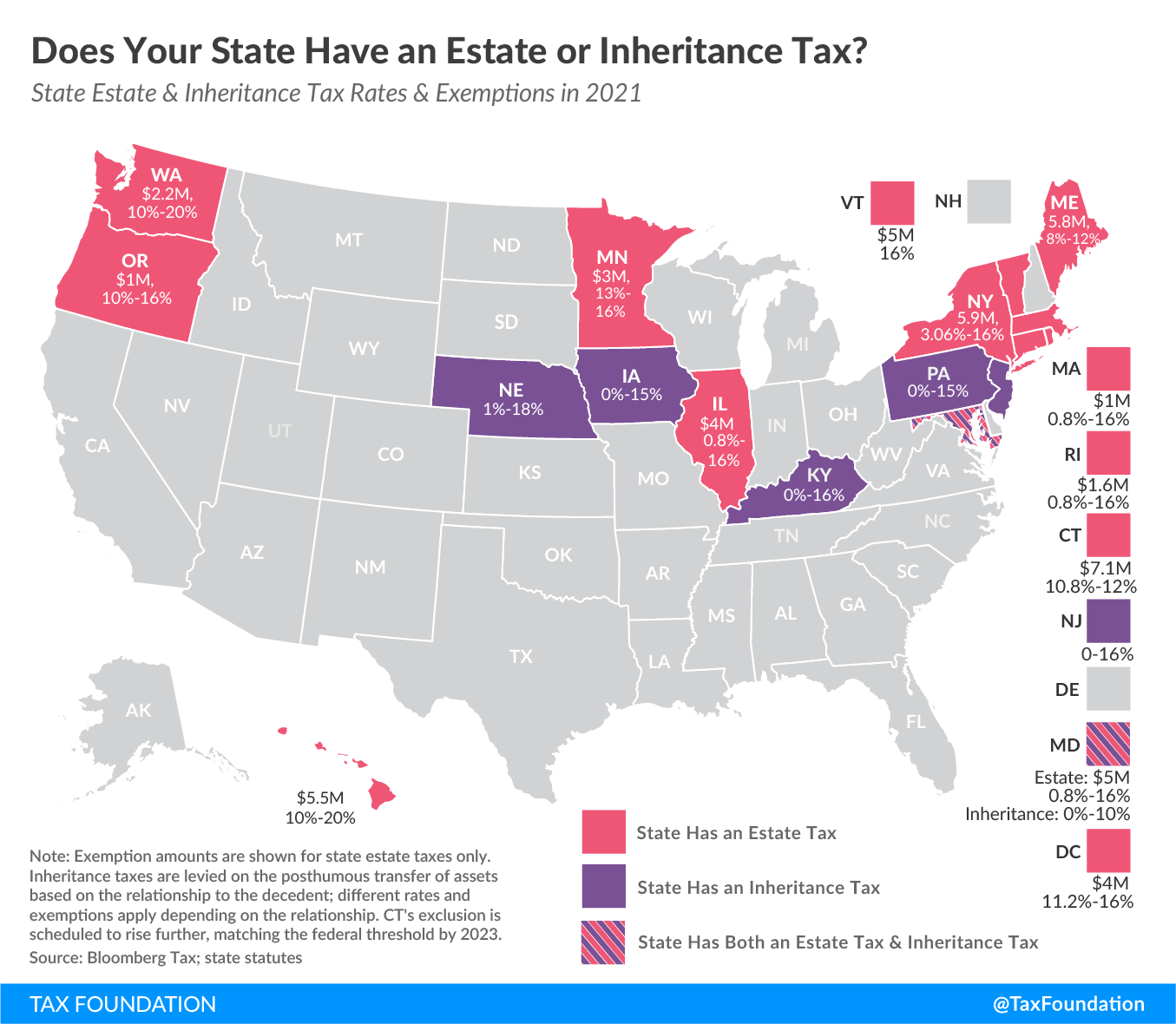
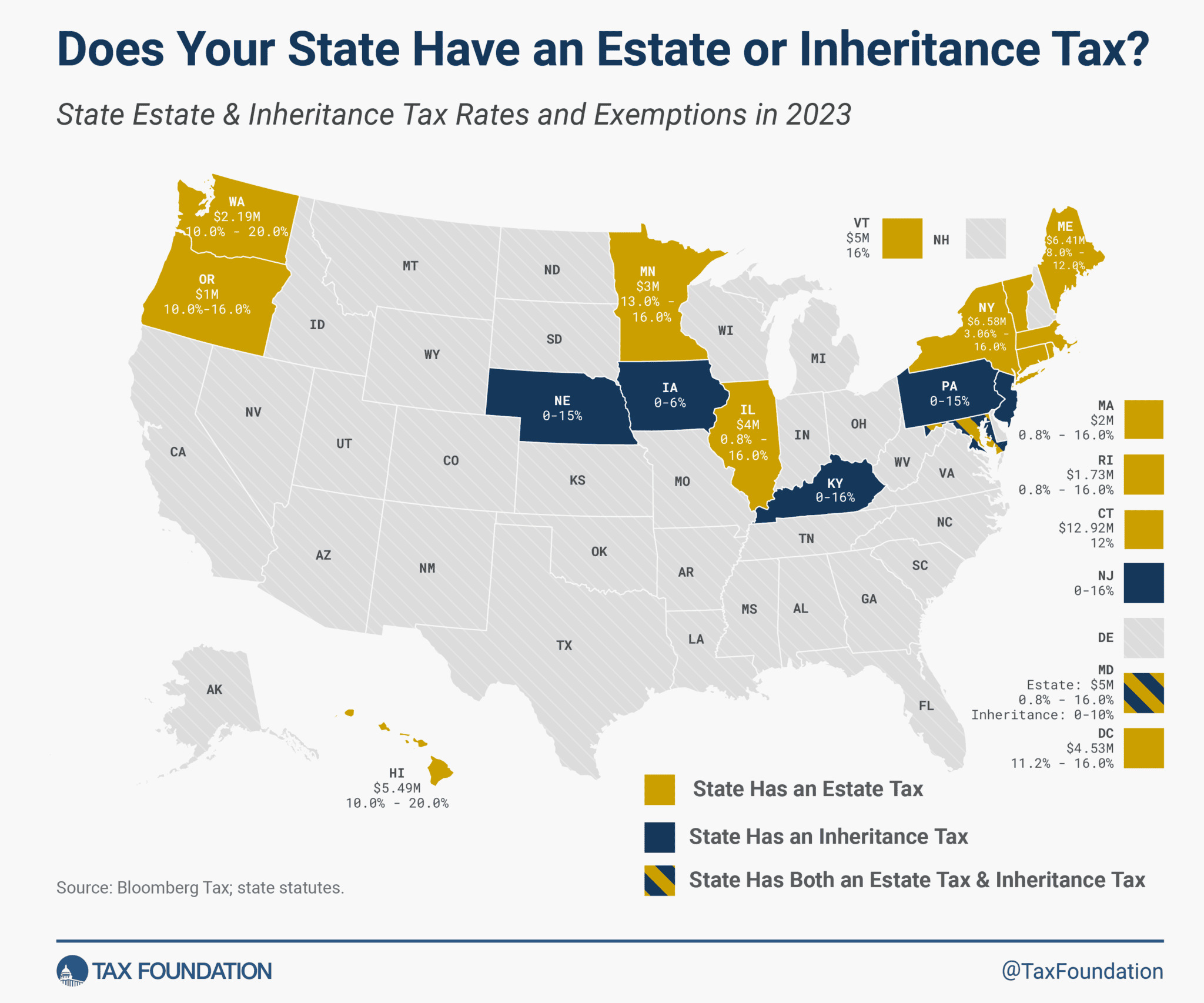
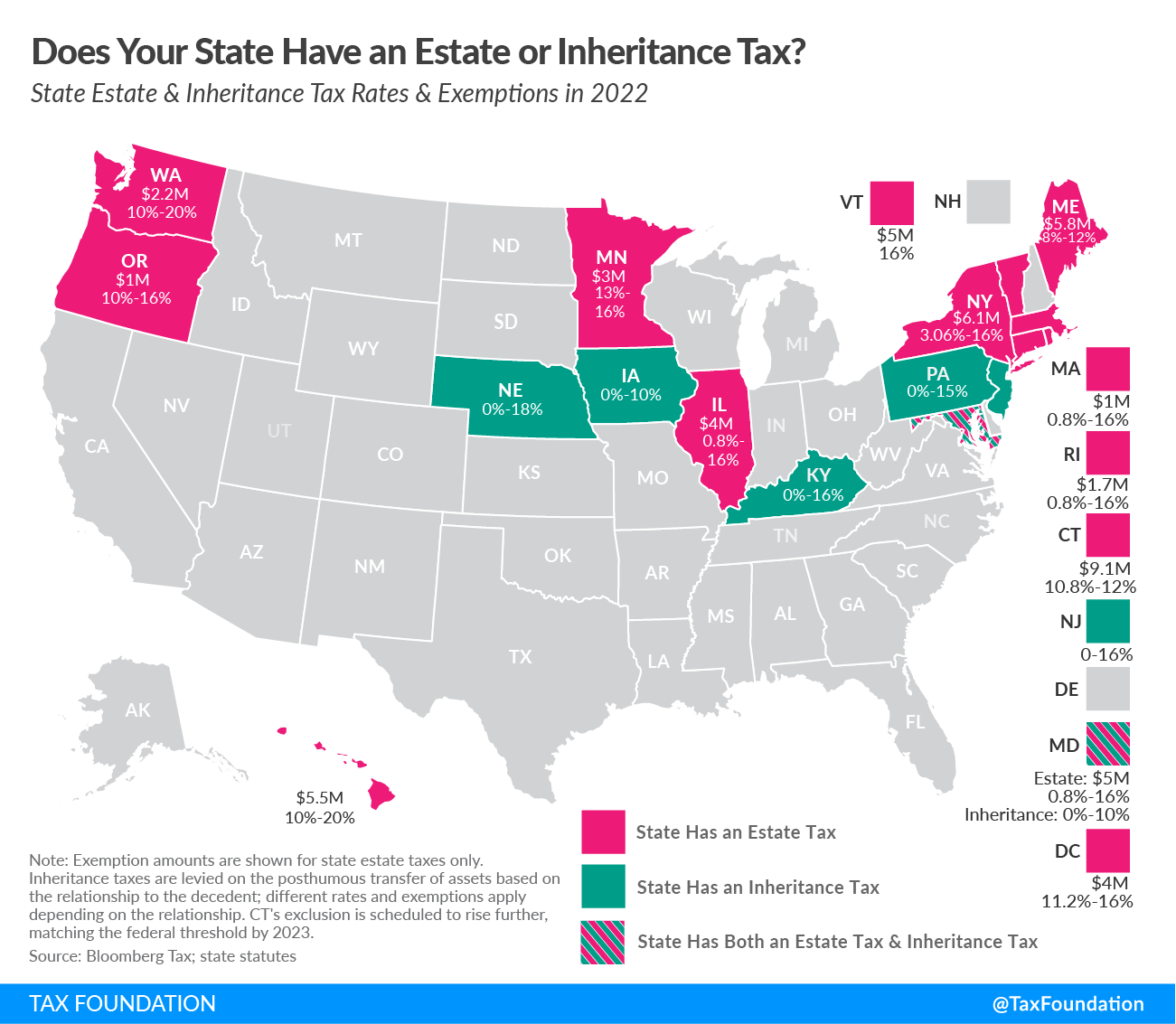
The straightforward answer to whether Texas has an estate or inheritance tax is a definitive no. Texas is one of the U.S. states that does not impose either an estate tax or an inheritance tax on its residents or on assets located within the state. This absence of state-level estate and inheritance taxes is a significant draw for many individuals, particularly those with substantial assets who are looking to preserve their wealth for future generations.
This favorable tax environment means that when an individual passes away, their entire estate, as determined after the payment of any debts, expenses, and liabilities, can be passed on to their heirs without the additional burden of state death taxes. This simplicity and the potential for significant wealth preservation make Texas an attractive location for retirement, investment, and long-term financial planning.
Federal Estate Tax Considerations
While Texas does not have its own estate tax, it is important to remember that the federal government does. The federal estate tax is a tax on the transfer of a deceased person’s taxable estate. The U.S. has a high exemption amount for federal estate tax. For 2024, the federal estate tax exemption is $13.61 million per individual. This means that an individual can pass on an estate valued up to this amount to their heirs without incurring any federal estate tax.
For married couples, this exemption can effectively be doubled through portability, allowing them to pass on up to $27.22 million to their heirs without federal estate tax. Therefore, only estates exceeding these substantial federal thresholds are subject to the federal estate tax. Given Texas’s lack of a state estate tax, individuals with estates below the federal exemption limit will not face any estate tax at either the state or federal level. Even for those whose estates exceed the federal exemption, the absence of a state tax provides a significant advantage.
Implications for Estate Planning in Texas
The absence of state estate and inheritance taxes in Texas has profound implications for estate planning. Texans can focus their estate planning efforts on other critical areas, such as:
- Will and Trust Creation: Ensuring that assets are distributed according to their wishes. This includes establishing wills, living trusts, and other testamentary documents.
- Asset Protection: Implementing strategies to shield assets from potential creditors or legal challenges.
- Probate Avoidance: Structuring assets and ownership to minimize or avoid the probate process, which can be time-consuming and costly. This might involve utilizing joint tenancy with right of survivorship, payable-on-death (POD) or transfer-on-death (TOD) designations, and various types of trusts.
- Gift Tax Planning: While Texas doesn’t have an inheritance tax, it’s still wise to be aware of federal gift tax rules when making substantial gifts during one’s lifetime.
- Business Succession Planning: For owners of businesses in Texas, the lack of state death taxes simplifies the process of transferring ownership and control to the next generation or to new management. This is particularly relevant for industries that are significant in Texas, such as energy, technology, and agriculture.
The absence of these state-level taxes simplifies the transfer of wealth from one generation to the next, potentially allowing for more wealth to be retained within families and to benefit charitable causes.
Benefits of Texas’s Tax Policy
The decision by Texas not to impose estate or inheritance taxes offers several tangible benefits to its residents and to those who choose to relocate there.
Wealth Preservation for Families
One of the most significant advantages is the ability for families to preserve their wealth across generations. Without state death taxes, a larger portion of an estate can be passed directly to heirs, supporting their financial well-being and enabling them to build upon the legacy left by their predecessors. This can be particularly impactful for families with long-standing businesses or significant real estate holdings, such as ranches or commercial properties across the vast expanse of Texas.
Attracting High-Net-Worth Individuals
Texas’s tax-friendly climate is a powerful magnet for high-net-worth individuals and retirees. The prospect of avoiding substantial state death taxes, coupled with a generally lower cost of living in many areas compared to some other populous states, makes Texas an appealing destination for those looking to relocate their primary residence. This influx of wealth and talent can contribute to the state’s economic growth and vibrancy. Cities like Austin, Dallas, and Houston often see significant migration from individuals and families seeking this financial advantage.
Economic Growth and Investment
A favorable tax environment can also stimulate economic activity. By reducing the burden of death taxes, Texas encourages individuals to invest more of their capital within the state, knowing that their assets will not be diminished by state-level estate or inheritance levies upon their passing. This can lead to increased investment in businesses, real estate, and other ventures, further bolstering the Texas economy.
Planning for the Future: What Texans Should Consider
While Texas’s lack of estate and inheritance taxes simplifies one aspect of financial planning, it does not eliminate the need for thorough and thoughtful estate planning.
The Importance of a Will
Even without estate taxes, having a valid will is crucial. A will ensures that your assets are distributed according to your specific wishes and can name guardians for minor children. Without a will, Texas law dictates how your estate will be divided, which may not align with your personal desires.
Trusts for Asset Management and Distribution
Trusts remain powerful tools for managing and distributing assets. They can be used to:
- Avoid Probate: Assets placed in a living trust typically bypass the probate process, saving time and money for your heirs.
- Control Distribution: You can specify how and when beneficiaries receive assets, which can be beneficial for managing inheritances for younger or less financially experienced heirs.
- Provide for Special Needs: Special needs trusts can ensure that beneficiaries receiving government assistance are not disqualified due to an inheritance.
- Manage Businesses: Trusts can facilitate the smooth transition of ownership and management of family businesses.
Beneficiary Designations
For certain assets, such as life insurance policies, retirement accounts (like 401(k)s and IRAs), and bank accounts, beneficiary designations are paramount. These designations allow assets to pass directly to named beneficiaries upon death, outside of the will and probate process, and importantly, without being subject to estate or inheritance taxes (though the assets themselves may be subject to income tax for the beneficiary). Ensuring these designations are up-to-date and accurate is a vital part of any estate plan.
Guardianship and Power of Attorney
Beyond the distribution of assets, estate planning also encompasses decisions about personal care and financial management should you become incapacitated. Designating a power of attorney for financial matters and a healthcare power of attorney (or advance healthcare directive) ensures that your affairs are managed by someone you trust if you are unable to do so yourself. Similarly, naming a legal guardian for minor children in your will is a critical responsibility for parents.
Conclusion: A Tax-Advantaged State for Legacy Planning
In summary, Texas stands out among U.S. states for its absence of both estate and inheritance taxes. This policy significantly simplifies wealth transfer for its residents and makes the state a highly attractive location for those prioritizing legacy preservation. While the federal estate tax remains a consideration for exceptionally large estates, the lack of state-level death taxes in Texas provides a substantial advantage.
This tax-friendly environment underscores the importance for Texans to focus on comprehensive estate planning strategies that align with their personal goals and financial circumstances. By understanding and leveraging the state’s favorable tax laws, individuals can create robust plans that effectively protect and distribute their assets, ensuring their legacy endures for generations to come. Whether you are a long-time Texan or considering a move to the Lone Star State, the absence of estate and inheritance taxes is a key factor to consider in your financial and legacy planning.
LifeOutOfTheBox is a participant in the Amazon Services LLC Associates Program, an affiliate advertising program designed to provide a means for sites to earn advertising fees by advertising and linking to Amazon.com. Amazon, the Amazon logo, AmazonSupply, and the AmazonSupply logo are trademarks of Amazon.com, Inc. or its affiliates. As an Amazon Associate we earn affiliate commissions from qualifying purchases.