
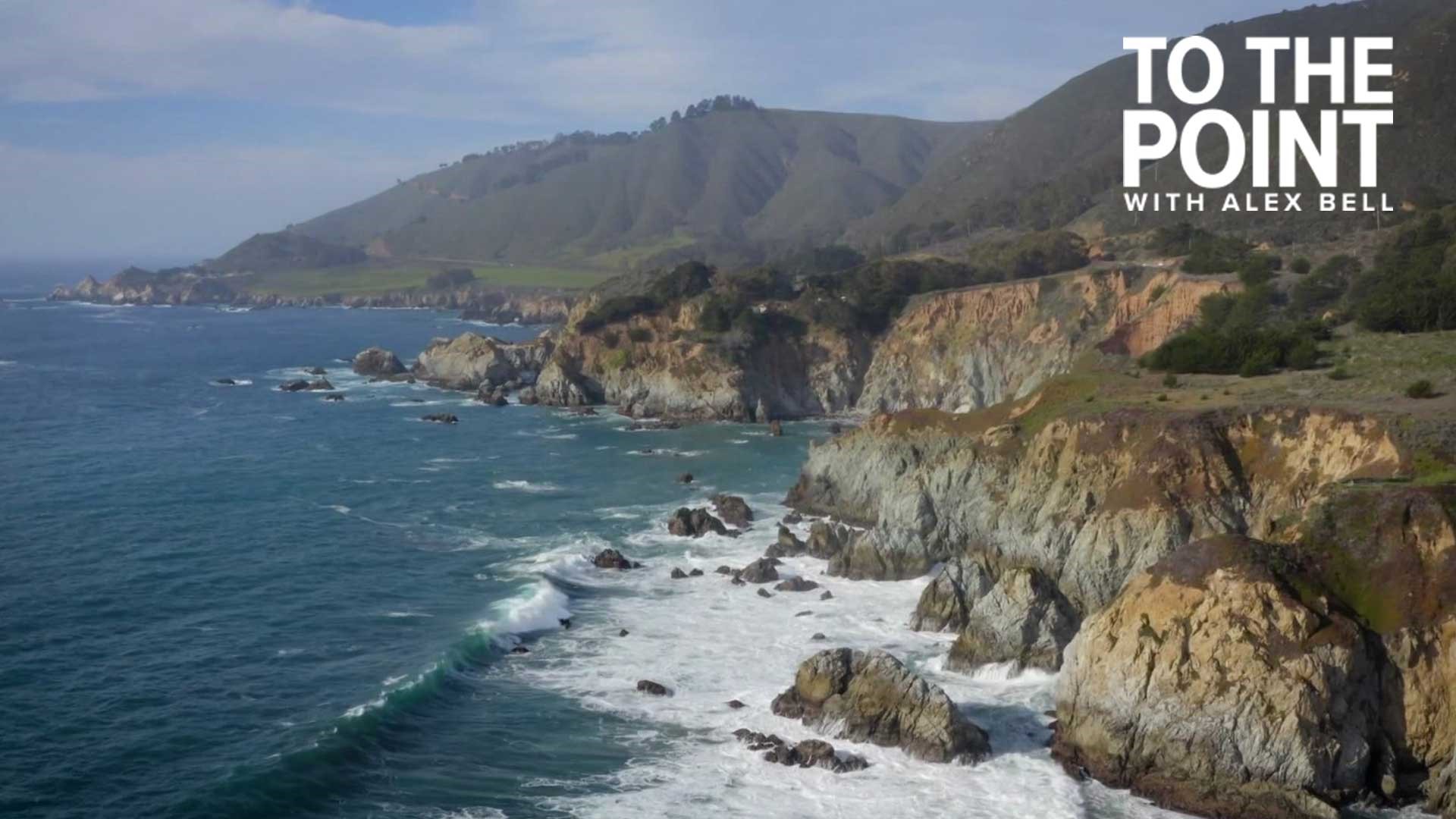
California, a state synonymous with sunshine, innovation, and an abundance of natural beauty, faces a persistent challenge: securing enough fresh water for its vast population and thriving economy. Despite being bordered by the immense Pacific Ocean, the idea of tapping into this seemingly endless resource for drinking water and agriculture is far more complex than it might initially appear. The question of why California can’t simply “use ocean water” is not a matter of impossibility, but rather a delicate balance of technological, environmental, economic, and political considerations.
The Promise and Peril of Desalination
The primary method for converting ocean water into fresh water is desalination, a process that removes salts and other minerals. While technological advancements have made desalination more efficient and cost-effective over the years, it remains a significant undertaking, especially for a state the size of California.

Technological Hurdles and Energy Demands
The most common desalination techniques involve either thermal distillation or reverse osmosis. Thermal distillation mimics the natural water cycle by heating saltwater to create steam, which is then condensed into fresh water, leaving the salts behind. Reverse osmosis, on the other hand, uses high pressure to force saltwater through semipermeable membranes that block the salt molecules.
Both methods are energy-intensive. Producing fresh water from the ocean requires substantial amounts of electricity, which, if generated from fossil fuels, can contribute to greenhouse gas emissions, potentially exacerbating the very climate change that often intensifies droughts in California. This presents a quandary: solving one environmental issue (water scarcity) by potentially contributing to another (climate change).
Environmental Impact of Brine Disposal
A significant byproduct of desalination is brine, a highly concentrated saltwater solution. Disposing of this brine responsibly is a major environmental concern. If discharged directly into the ocean without proper dilution, it can harm marine ecosystems, affecting the salinity levels and potentially impacting aquatic life. Developing innovative and environmentally sound methods for brine management, such as dilution or beneficial reuse, is crucial but adds to the overall cost and complexity.
Economic Realities and Infrastructure Costs
The financial implications of large-scale desalination in California are substantial. Building and operating desalination plants requires massive capital investment. These plants are expensive to construct, and the ongoing operational costs, particularly for energy and maintenance, are significant.
The Price of Potable Water
When comparing the cost of desalinating ocean water to traditional water sources like rivers, reservoirs, and groundwater, desalinated water is generally more expensive. This higher cost directly impacts consumers and agricultural producers. For farmers, who are major water users in California, the increased price of water could render certain crops economically unviable, potentially impacting the state’s agricultural industry and food supply.
Infrastructure and Distribution
Beyond the plants themselves, a robust infrastructure is needed to transport desalinated water from coastal facilities to inland communities and agricultural areas. This involves constructing new pipelines or upgrading existing systems, adding further to the already considerable expense. The logistical challenges of distributing water across such a large and geographically diverse state are immense.
Regulatory and Political Landscape
The decision to invest heavily in desalination is not solely a technical or economic one; it is also deeply intertwined with regulatory frameworks and political will.
Permitting and Environmental Review
Establishing a large desalination plant involves navigating a complex web of state and federal regulations. Thorough environmental impact reviews are required, which can be lengthy and contentious. Local communities may also raise concerns about the visual impact of plants, noise pollution, and the potential effects on coastal ecosystems and recreational areas.
Water Rights and Allocation
California’s water system is characterized by complex water rights and allocation agreements developed over decades. Integrating a new, significant water source like desalinated ocean water into this existing system requires careful negotiation and consideration of how it will affect established users and priorities. The political will to prioritize and fund such projects amidst competing demands for state resources is also a critical factor.
Exploring Alternative Solutions and Complementary Strategies
While desalination holds promise, it is not a silver bullet. California has been actively pursuing a multi-pronged approach to water management, integrating desalination with other water conservation and resource development strategies.
Water Conservation: The First Line of Defense
Perhaps the most cost-effective and environmentally sound approach is water conservation. This includes promoting water-efficient landscaping, encouraging responsible indoor water use, and implementing stricter regulations on water usage in agriculture. Public awareness campaigns and technological advancements in water-saving appliances also play a vital role.
Water Recycling and Reuse
Another crucial strategy is the recycling and reuse of wastewater. Advanced treatment technologies can transform wastewater into high-quality water suitable for irrigation, industrial uses, and even, in some cases, potable purposes (known as indirect or direct potable reuse). This approach significantly reduces the demand on fresh water sources.
Groundwater Management and Stormwater Capture
Protecting and replenishing groundwater basins is essential, as they serve as vital natural reservoirs. Sustainable groundwater management practices aim to prevent overdraft and ensure long-term availability. Similarly, capturing and storing stormwater, which is often lost to runoff, can supplement existing water supplies.

Inter-basin Transfers and Reservoir Management
Historically, California has relied on extensive systems of canals and aqueducts to transfer water from wetter regions to drier areas, such as the Los Angeles Basin and the San Joaquin Valley. Optimizing the management of existing reservoirs and exploring new infrastructure projects, while carefully considering their environmental impacts, remain part of the long-term strategy.
In conclusion, the question of why California cannot simply “use ocean water” highlights the intricate challenges of water management in a complex, arid-yet-coastal state. While desalination offers a potential future solution, its widespread implementation is contingent upon overcoming significant technological, economic, environmental, and political hurdles. Therefore, California’s path forward involves a sophisticated blend of conservation, recycling, and a cautious, strategic approach to harnessing the vast, yet challenging, resource of the Pacific Ocean.
LifeOutOfTheBox is a participant in the Amazon Services LLC Associates Program, an affiliate advertising program designed to provide a means for sites to earn advertising fees by advertising and linking to Amazon.com. Amazon, the Amazon logo, AmazonSupply, and the AmazonSupply logo are trademarks of Amazon.com, Inc. or its affiliates. As an Amazon Associate we earn affiliate commissions from qualifying purchases.