
While the image of swaying palm trees might evoke tropical paradises like Florida or California, the vast and diverse landscape of Texas surprises many with its own share of these iconic tropical plants. The answer to whether Texas has palm trees is a resounding yes, though their presence is nuanced and geographically specific, varying from the subtropical coastal plains to the arid west. Understanding where to find them and which species thrive is key to appreciating this often-overlooked aspect of the Lone Star State‘s botanical diversity.
The Geography of Texas Palms
Texas’s immense size and varied climate zones dictate where palm trees can naturally flourish. The state stretches from the humid subtropical climate of the Gulf Coast to the arid Chihuahuan Desert in the west, encompassing diverse ecosystems that support a range of plant life.
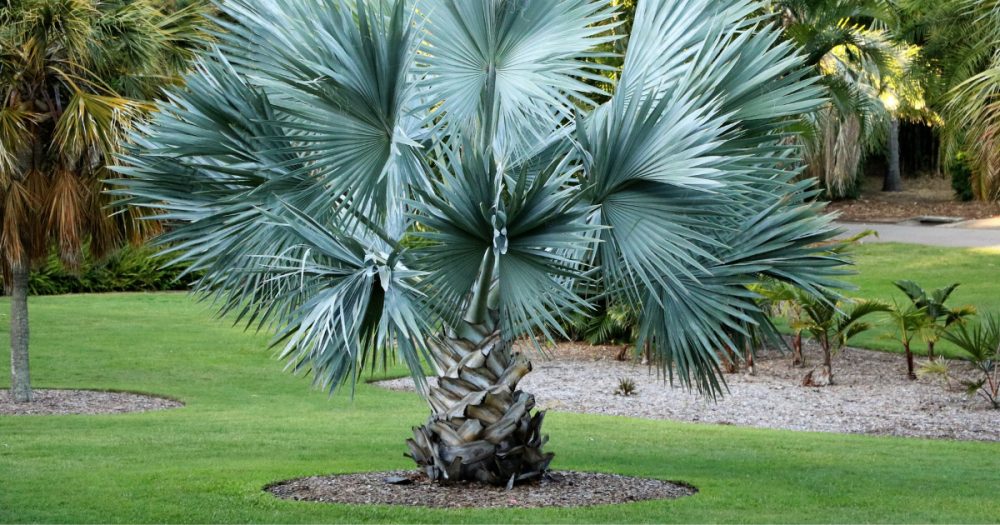
The Gulf Coast: A Palm Haven
The southeastern tip of Texas, particularly the region around Corpus Christi and South Padre Island, enjoys a climate most conducive to palm tree growth. Here, warm temperatures, high humidity, and ample rainfall create an environment remarkably similar to that of other well-known palm-lined locales. This area is the heartland for many native and introduced palm species, contributing significantly to the picturesque coastal scenery and providing a tropical ambiance.
Central and South Texas: Adapting to a Milder Climate
Moving inland, the climate becomes less consistently tropical, yet many areas in Central and South Texas still support palm trees, often through careful cultivation and selection of cold-hardy varieties. Cities like San Antonio and parts of the Hill Country can be home to flourishing palms, especially in protected microclimates or landscaped gardens. Occasional freezes can pose a challenge, but the resilience of certain species allows them to persist and thrive.
West Texas: A Desert Oasis
Even in the more arid western regions of Texas, such as around El Paso, palm trees can be found, albeit with more reliance on irrigation and specialized planting. These palms often serve as striking accents in desert landscaping, providing a stark and beautiful contrast against the rugged, dry terrain. Their presence here is a testament to human ingenuity and the remarkable adaptability of these plants.
Native and Naturalized Palm Species in Texas
While many palms seen in Texas are introduced species, the state is also home to at least one native palm, adding to its unique botanical tapestry.
The Texas Sabal Palm (Sabal mexicana)
The true star of the show for native palms is the Texas Sabal Palm, scientifically known as Sabal mexicana. This majestic palm is native to the southernmost regions of Texas, extending into Mexico and Central America. It is characterized by its sturdy, rough trunk and large, fan-shaped leaves that create a dramatic canopy. The Texas Sabal Palm is a symbol of the subtropical influence in South Texas and can be found in its natural habitat along riverbanks and coastal plains. Its presence is a significant indicator of the region’s climate.
Other Thriving Species
Beyond the native Texas Sabal Palm, numerous other palm species have been successfully introduced and have become naturalized or are widely cultivated across the state. These include:
- Pindo Palm (Butia capitata): Also known as the jelly palm, this South American native is remarkably cold-hardy for a palm tree and is frequently seen in Central Texas. It produces edible, date-like fruit.
- Windmill Palm (Trachycarpus fortunei): Originating from China, this fan palm is known for its fibrous trunk and tolerance for cooler temperatures, making it a popular choice for urban and suburban landscaping in many parts of Texas.
- Mexican Fan Palm (Washingtonia robusta): This tall, slender palm with its distinctive fan leaves is a common sight in many Texas cities, particularly along avenues and in commercial landscaping. While not native, it thrives in many of the state’s warmer climates.
- California Fan Palm (Washingtonia filifera): Native to the deserts of southwestern North America, this palm can also be found in parts of Texas, especially in areas with well-drained soil and sufficient water.

Experiencing Texas Palms: Travel and Tourism
For travelers seeking the allure of palm trees in Texas, several destinations offer prime viewing opportunities and a chance to immerse oneself in these tropical-inspired landscapes.
Coastal Destinations
The Texas Gulf Coast is undoubtedly the most rewarding region for palm tree enthusiasts.
- South Padre Island: This barrier island paradise is synonymous with palm trees. Visitors will find them lining beaches, adorning hotel grounds, and creating a quintessential tropical vacation atmosphere. The island’s location at the southernmost tip of Texas provides the consistent warmth needed for abundant palm growth. Here, one can enjoy the feeling of being in a faraway tropical locale without leaving the state.
- Corpus Christi: As a major coastal city, Corpus Christi showcases a variety of palm trees in its parks, along the bayfront, and within residential and commercial areas. The Texas State Aquarium and the USS Lexington Museum are surrounded by lush landscaping that often features these iconic trees.
- Galveston Island: Rich in history and coastal charm, Galveston also boasts a significant population of palm trees, particularly in its historic districts and along the seawall. The humid subtropical climate supports the growth of many species, contributing to the island’s distinct appeal.
Urban Oases and Landscaped Gems
Beyond the immediate coast, urban centers have embraced palm trees as elements of their landscape architecture, creating surprising pockets of tropical aesthetics.
- San Antonio: While not a coastal city, San Antonio has a long tradition of incorporating palms into its urban design, especially around tourist areas like the River Walk. The city’s warm climate and proactive landscaping efforts mean visitors can find mature palm trees gracing plazas and hotel grounds.
- Houston: As Texas’s largest city, Houston features numerous botanical gardens and parks where palm trees are cultivated, offering a glimpse into their variety and beauty. The Houston Botanic Garden is an excellent place to see a diverse collection.
- El Paso: In stark contrast to the humid coast, El Paso demonstrates how palms can thrive even in arid desert environments. The city’s landscaping often utilizes drought-tolerant palms, creating striking visual contrasts with the desert flora and mountains.
Factors Affecting Palm Tree Survival in Texas
The success of palm trees in Texas is not solely dependent on geography but also on a combination of climate, soil, and horticultural practices.
Climate and Cold Tolerance
The primary limiting factor for palm tree survival in many parts of Texas is the risk of freezing temperatures. While South Texas rarely experiences prolonged or severe freezes, Central and West Texas can be subject to occasional cold snaps. This is why cold-hardy species like the Pindo Palm and Windmill Palm are more commonly found in these regions, or why efforts are made to protect more tender varieties.
Soil and Drainage
Most palm trees prefer well-drained soil. In areas of Texas with heavy clay soils, proper soil amendment and drainage are crucial for preventing root rot, a common problem for palms. Coastal sandy soils, conversely, often provide excellent drainage, favoring palm growth along the shoreline.
Water Availability
While some palm species are adapted to arid conditions, many thrive with consistent moisture. In drier parts of Texas, supplemental irrigation is essential for establishing and maintaining palm trees. This is particularly true for larger, more established specimens and for species that are not native to arid environments.
Conclusion: A Tropical Touch in the Lone Star State
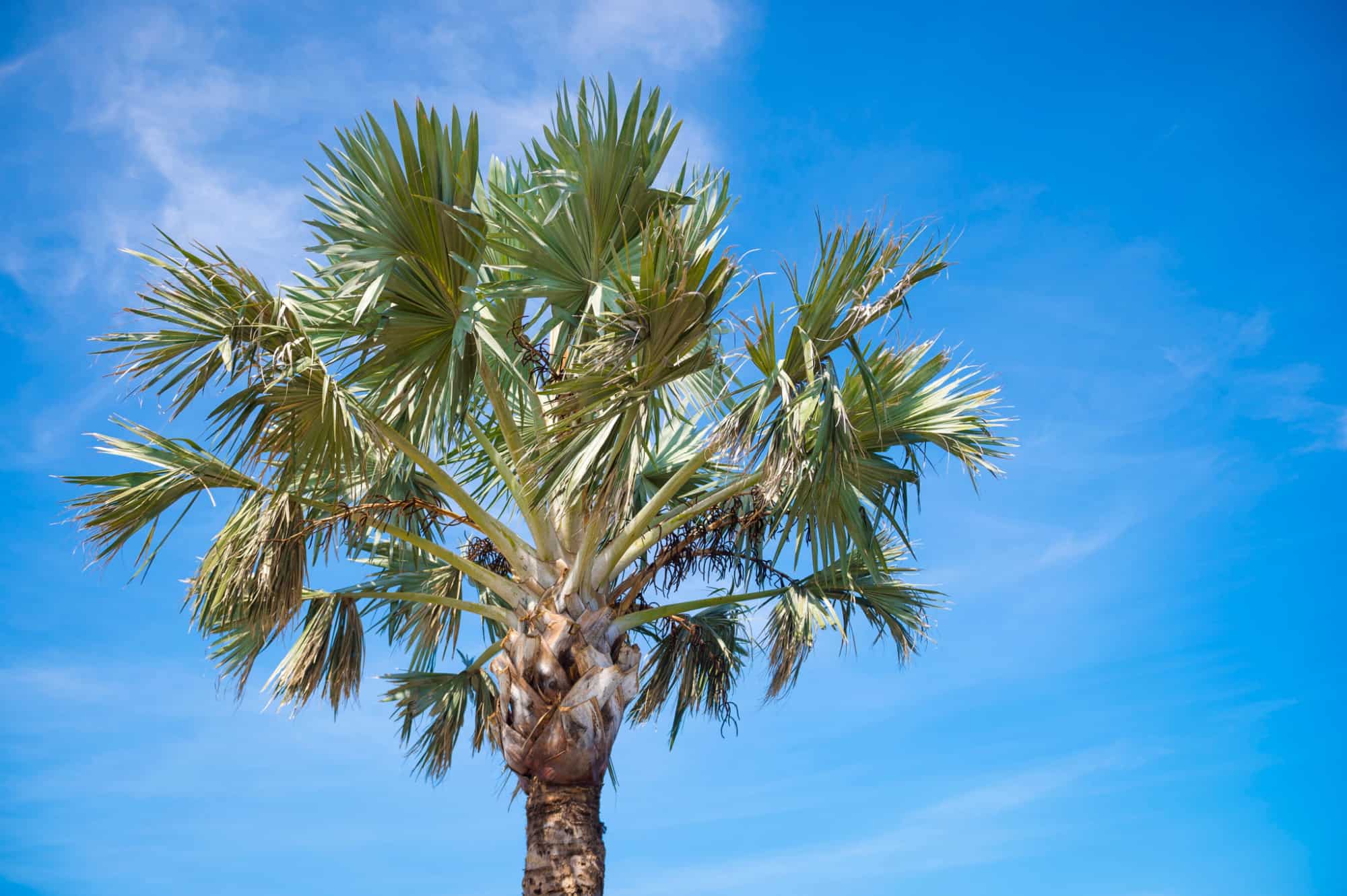
The question of whether Texas has palm trees is definitively answered with a yes. From the tropical shores of South Padre Island to the desert landscapes of El Paso, these iconic trees add a unique dimension to the state’s diverse environments. Whether naturally occurring or carefully cultivated, palm trees in Texas offer a touch of the exotic, enhancing the beauty of its cities, beaches, and even its desert vistas. For travelers and residents alike, discovering these arboreal symbols of warmth and sunshine across the Lone Star State is a delightful part of exploring its varied landscapes.
LifeOutOfTheBox is a participant in the Amazon Services LLC Associates Program, an affiliate advertising program designed to provide a means for sites to earn advertising fees by advertising and linking to Amazon.com. Amazon, the Amazon logo, AmazonSupply, and the AmazonSupply logo are trademarks of Amazon.com, Inc. or its affiliates. As an Amazon Associate we earn affiliate commissions from qualifying purchases.