
Understanding the financial landscape of a destination is a crucial aspect of travel planning, especially for extended stays or when considering relocating. For many travelers and potential visitors to the Lone Star State, a primary financial consideration revolves around state income taxes. The question of whether Texas imposes a state income tax is a frequently asked one, and the answer has significant implications for budgeting and overall travel costs.
The Texas Tax Structure: A Unique Approach
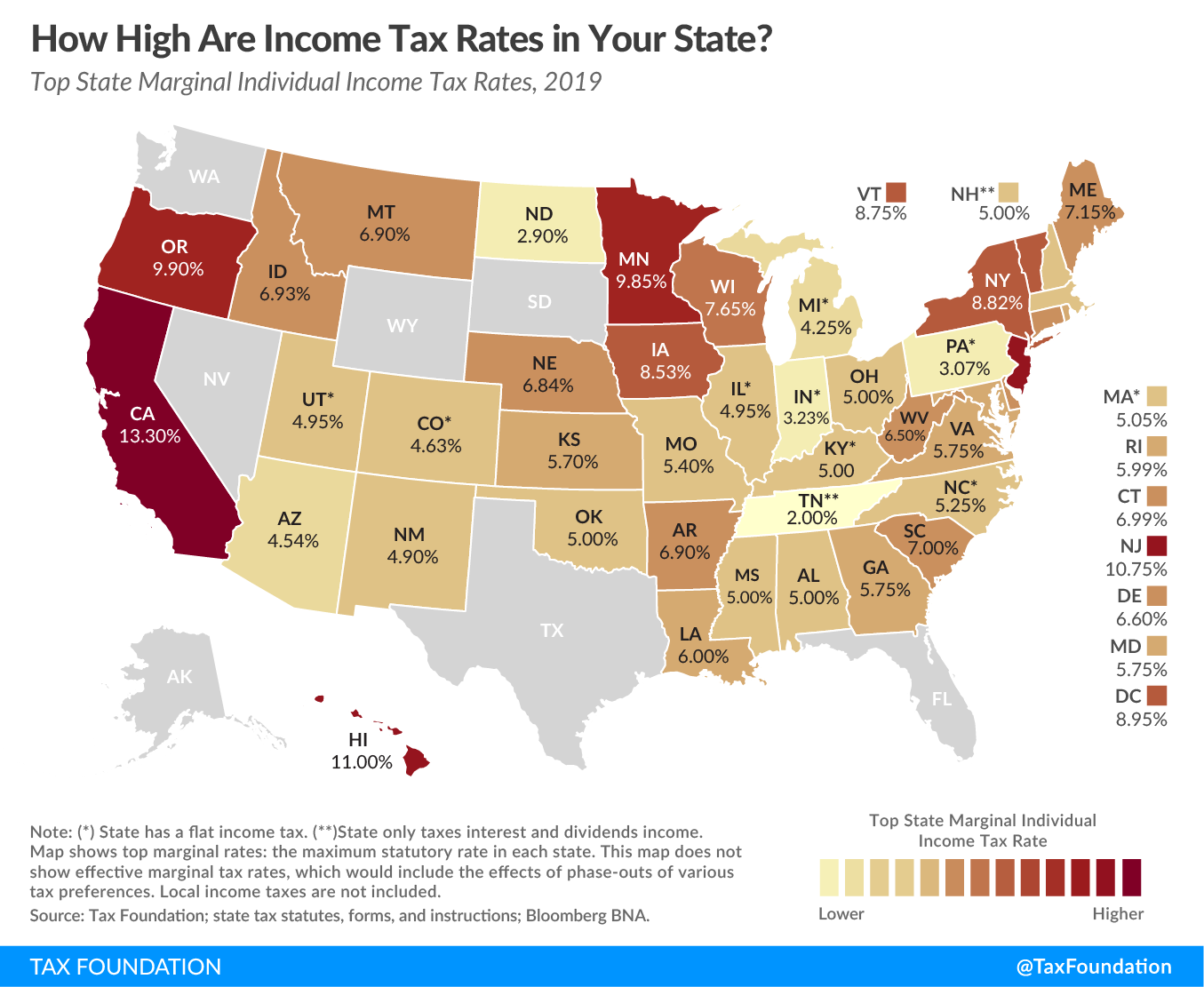
Texas stands out among U.S. states for its distinctive tax system. Unlike a majority of states that levy an income tax on their residents and sometimes on income earned within their borders by non-residents, Texas has opted out of this revenue stream. This absence of a state income tax is a significant draw for individuals and businesses alike, influencing migration patterns and investment decisions.
No Personal Income Tax
The most impactful aspect of Texas‘s tax policy for individuals is the complete absence of a state income tax. This means that wages, salaries, tips, and other forms of personal income earned by residents are not subject to state-level taxation. This can lead to substantial savings for individuals, particularly those with higher incomes, when compared to states with progressive or even flat income tax rates. This financial advantage is often highlighted in discussions about the cost of living in Texas, making it an attractive destination for those seeking to maximize their disposable income. The simplicity of this tax structure also eliminates the need for residents to file annual state income tax returns, streamlining personal finance management.
Impact on Budgeting for Travelers
For travelers, the lack of a state income tax generally does not directly impact short-term tourist expenses like hotel stays or daily activities. However, it can indirectly influence the overall cost of living and the disposable income available for travel and leisure. For those planning extended visits, such as long-term apartment rentals or temporary work assignments, the absence of income tax means that their gross earnings are their net earnings from a state tax perspective. This predictability can be a significant factor in financial planning for such stays.
The Role of Other Taxes
While Texas eschews income tax, it does rely on other forms of taxation to fund state and local services. The most prominent of these are sales taxes and property taxes.
Sales Tax
Texas has a state sales tax, which is applied to the sale of tangible personal property and certain services. Local governments can also impose additional sales taxes, resulting in a combined sales tax rate that varies by locality. While this tax directly affects consumers at the point of purchase, it is an indirect tax, meaning individuals pay it as part of their consumption rather than on their earned income. For travelers, understanding the sales tax rates in different cities like Austin, Dallas, or Houston can be part of the budgeting process for shopping and dining.
Property Tax
Property taxes are a significant source of revenue for local governments in Texas, funding schools, police departments, fire departments, and other essential public services. These taxes are levied on the assessed value of real estate, including homes and businesses. While property taxes are a major consideration for homeowners and business owners, they typically do not directly impact short-term travelers or those renting accommodations on a temporary basis, unless those rental costs are indirectly inflated to cover property tax expenses. However, for individuals considering a longer-term stay or relocation, understanding the property tax rates in various Texas counties and cities is essential. Areas with lower property taxes can make the overall cost of homeownership more attractive.
Economic Implications of the Tax Policy
The decision by Texas to forgo a state income tax has profound economic implications that shape its business environment and attract a particular demographic of residents.

Business Climate
The absence of corporate income tax and personal income tax contributes to Texas‘s reputation as a business-friendly state. Companies often cite lower overall tax burdens as a primary reason for choosing to establish or expand operations in Texas. This has led to significant job growth and economic development across various sectors, from technology and energy to manufacturing and healthcare. The financial predictability offered by a stable tax environment can encourage long-term investment and growth. Major business hubs like Plano and Fort Worth have seen substantial economic expansion partly due to these favorable tax policies.
Attracting Residents and Investment
The financial benefits of not paying state income tax are a major incentive for individuals to move to Texas. This influx of new residents, often referred to as “in-migrants,” contributes to population growth and economic dynamism. The state has consistently ranked high in population growth, with many individuals and families drawn by the prospect of retaining more of their earnings. This demographic shift can also influence the demand for housing and services, impacting sectors like real estate and hospitality. For potential long-term visitors or those seeking to establish a domicile in Texas, this tax advantage is a compelling factor.
Funding Public Services
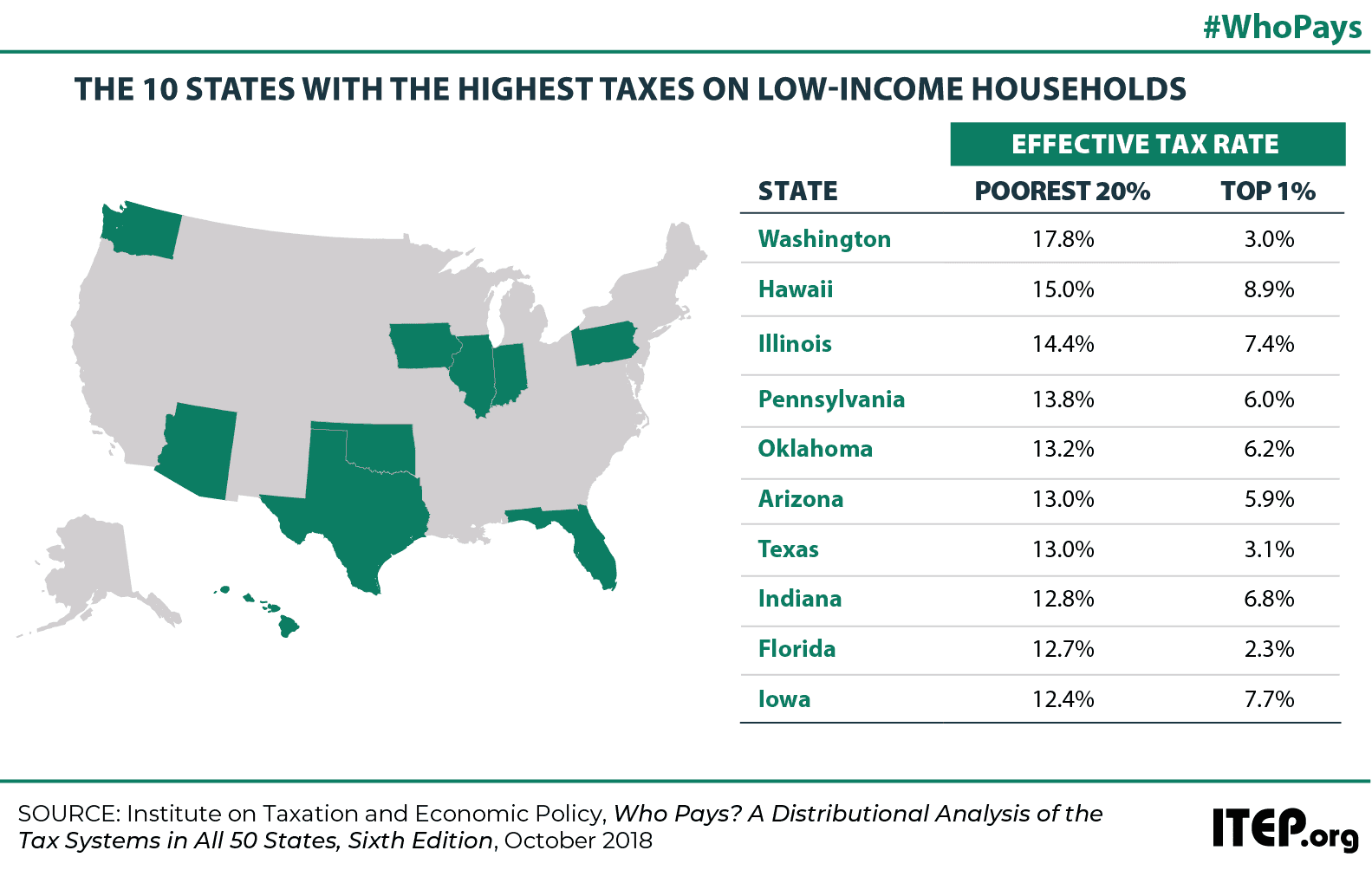
The reliance on sales and property taxes means that the funding for public services in Texas is directly tied to consumption and property values. This can lead to fluctuations in revenue based on economic cycles and housing market trends. While sales tax revenue can be robust during periods of economic growth, it can decline during recessions. Similarly, property tax revenue is sensitive to the real estate market. This can create challenges for state and local governments in ensuring consistent funding for education, infrastructure, and other vital services. Debates often arise regarding the fairness and sufficiency of these tax sources to adequately support the growing needs of the state’s population.
Planning Your Texas Visit: Financial Considerations
When planning a trip to Texas, whether for leisure, business, or an extended stay, understanding its tax structure is an important part of financial preparation.
Short-Term Stays and Tourist Expenses
For typical tourist activities, such as visiting The Alamo in San Antonio, attending events at the Toyota Center in Houston, or exploring the museums in Dallas, the primary financial considerations will be the cost of accommodation, dining, entertainment, and transportation, along with state and local sales taxes. The absence of income tax will not directly affect the daily costs of these activities but contributes to the overall economic environment that might influence prices.
Extended Stays and Relocation
For individuals considering longer stays, such as renting an apartment for several months or exploring the possibility of relocating, the absence of state income tax becomes a significant financial advantage. This means that any income earned during that period will not be subject to an additional state tax deduction. However, it is crucial to factor in the costs of sales taxes on purchases and, if considering property ownership, the substantial impact of property taxes. Researching specific city and county property tax rates is essential for accurate budgeting in these scenarios. For instance, the property tax burden can vary considerably between, say, Travis County and Collin County.
Resources for Further Information
Navigating any state’s tax laws can be complex. For detailed information regarding Texas‘s tax structure, including current sales tax rates and property tax information, travelers and potential residents can consult official government resources. The Texas Comptroller of Public Accounts is the primary state agency responsible for tax administration and provides comprehensive guides and data. Local county appraisal districts also offer detailed property tax information for specific areas.
Conclusion: A Tax Advantage for Many
In summary, Texas does not have a state income tax for individuals. This defining characteristic of its tax system offers a notable financial benefit to residents and those earning income within the state. While travelers on short visits may not see a direct impact on their daily expenses, the absence of income tax plays a crucial role in the state’s economic competitiveness, its appeal to businesses, and its attractiveness as a place to live and work. For those planning any type of stay in Texas, understanding this tax landscape is a fundamental step in financial planning and fully appreciating the economic realities of the Lone Star State.
LifeOutOfTheBox is a participant in the Amazon Services LLC Associates Program, an affiliate advertising program designed to provide a means for sites to earn advertising fees by advertising and linking to Amazon.com. Amazon, the Amazon logo, AmazonSupply, and the AmazonSupply logo are trademarks of Amazon.com, Inc. or its affiliates. As an Amazon Associate we earn affiliate commissions from qualifying purchases.