
Understanding the legal landscape surrounding abortion in South Dakota is a critical consideration for residents, those contemplating relocation, and even visitors planning extended stays. The state’s stance on reproductive rights significantly shapes the lifestyle choices and personal planning for individuals and families within its borders. Following pivotal legal decisions at the federal level, South Dakota has enacted some of the most restrictive abortion laws in the United States, impacting access to care and influencing the broader social and health environment.
Understanding the Current Legal Landscape in South Dakota
The question of abortion legality in South Dakota shifted dramatically following the U.S. Supreme Court’s decision in Dobbs v. Jackson Women’s Health Organization in June 2022. This ruling overturned nearly five decades of federal protection for abortion rights established by Roe v. Wade. For South Dakota, this meant the immediate activation of a pre-existing “trigger law” that had been on the books for years.
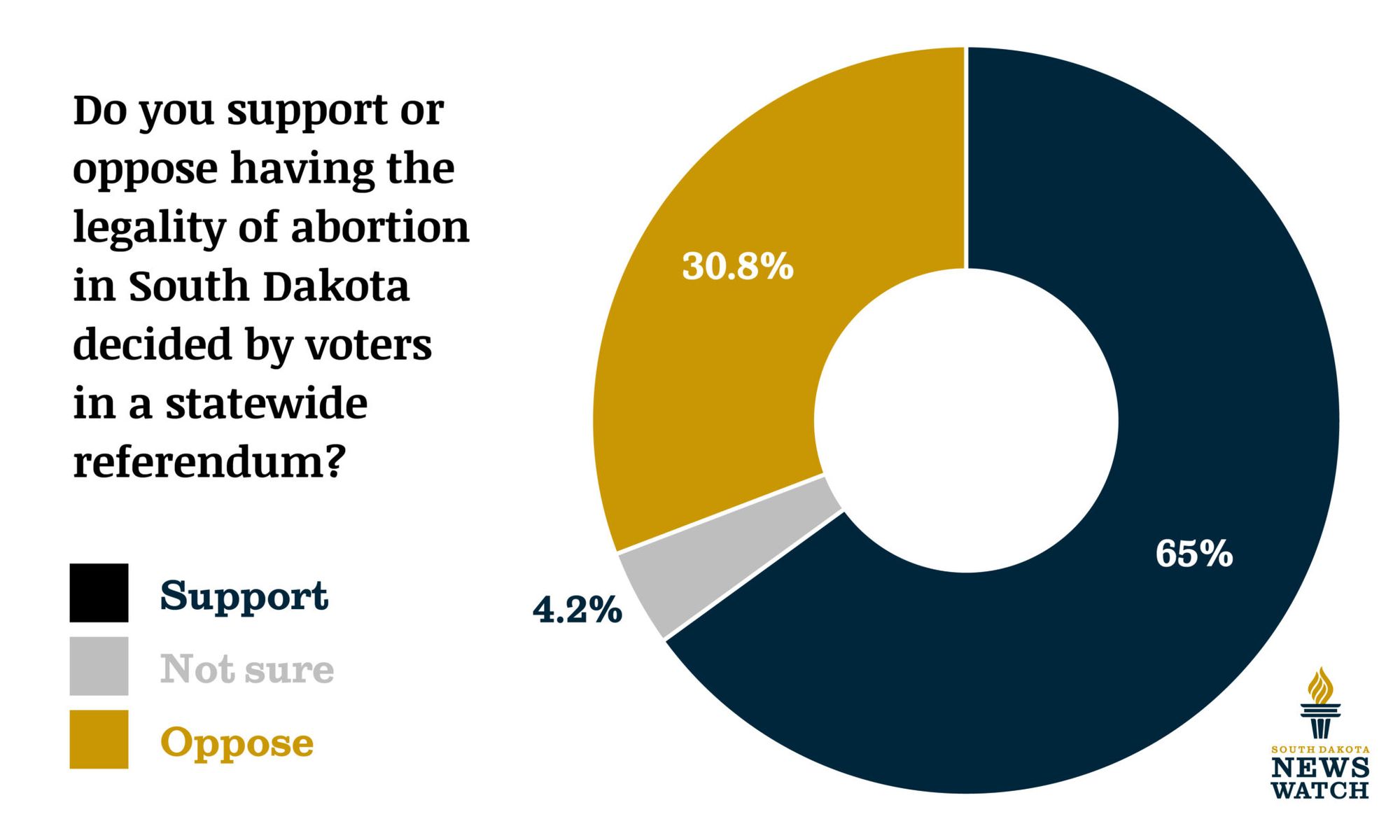
Post-Dobbs v. Jackson Women’s Health Organization Implications
Immediately after the Dobbs decision, South Dakota’s trigger law went into effect. This law makes performing or inducing an abortion a Class 6 felony, punishable by up to two years in prison and a fine of up to $4,000, with an exception only to save the life of the pregnant person. There are no exceptions for rape or incest. This complete ban on abortion, with the singular life-saving exception, fundamentally alters the reproductive healthcare landscape for anyone living in or visiting South Dakota.
The enforcement of this ban means that virtually all abortions are illegal within the state. This has profound implications for lifestyle planning, as individuals and families must navigate a healthcare system where a full spectrum of reproductive options is no longer available. For those facing unplanned pregnancies or complex medical situations, the legal restrictions necessitate difficult decisions, often involving travel out of state to access legal care, adding layers of logistical and financial strain.
Current Restrictions and Bans
Beyond the outright ban, South Dakota had already established numerous restrictions on abortion access even prior to the Dobbs decision. While many of these are now superseded by the total ban, they illustrate a long-standing legislative effort to limit reproductive services. Historically, these included waiting periods, parental consent laws for minors, and strict regulations on abortion providers.
The current legal environment means that the previous requirements, such as a 72-hour waiting period (one of the longest in the nation), mandatory counseling, and the requirement for abortions to be performed by a physician in a licensed facility, are largely moot in the face of the near-total prohibition. However, the legacy of these restrictions highlights the legislative intent that continues to shape the availability of reproductive healthcare resources and the overall lifestyle experience in South Dakota.
Historical Context and Legislative Evolution
The current legal status in South Dakota is not an overnight development but the culmination of decades of legislative efforts and legal challenges. Understanding this historical trajectory provides insight into the deeply entrenched nature of these laws and their ongoing impact on personal lifestyle choices.
Pre-Dobbs v. Jackson Women’s Health Organization Era
For nearly 50 years, under the precedent set by Roe v. Wade, abortion was a constitutionally protected right nationwide, including in South Dakota. However, even during this period, the state was at the forefront of implementing restrictive measures aimed at limiting access to abortion. These included:
- Mandatory Waiting Periods: South Dakota was one of the first states to implement a 72-hour waiting period, forcing individuals to make multiple trips to a clinic or extend their stay, adding travel and accommodation burdens.
- Parental Consent/Notification: Laws requiring parental involvement for minors seeking abortion services were consistently enforced, creating barriers for young people.
- Clinic Regulations: Stringent regulations on abortion facilities, often more burdensome than those for other medical procedures, were common, contributing to the limited number of providers in the state. Planned Parenthood in Sioux Falls has historically been the sole provider of abortion services in South Dakota.
- Physician Requirements: Only licensed physicians could perform abortions, and specific certifications or affiliations were sometimes required.
These pre-Dobbs restrictions, while not outright bans, significantly shaped the lifestyle decisions of those in South Dakota. They meant that even when abortion was legal, accessing it required careful planning, financial resources, and often, privacy concerns.
Trigger Laws and Their Activation
The concept of a “trigger law” became central to South Dakota’s post-Roe landscape. A trigger law is legislation passed with the specific intent that it will automatically become effective if a certain future legal condition is met – in this case, the overturning of Roe v. Wade. South Dakota passed its trigger law in 2005, making it one of several states prepared for such a contingency.
Upon the Supreme Court’s ruling in Dobbs v. Jackson Women’s Health Organization, the South Dakota Attorney General certified that Roe v. Wade had been overturned, thereby activating the state’s total abortion ban. This swift transition highlighted the proactive legislative strategy in South Dakota to restrict abortion as much as federally permissible. For residents and those considering a move, this demonstrates the consistent conservative legislative environment that influences many aspects of life, particularly related to personal autonomy and healthcare. Governor Kristi Noem has been a vocal supporter of the state’s stringent abortion laws.
Implications for Residents and Travelers: Lifestyle Considerations

The legal status of abortion in South Dakota carries substantial weight for an individual’s lifestyle, from personal health planning to decisions about where to live and raise a family.
Personal Planning and Healthcare Access
For individuals capable of pregnancy, personal planning in South Dakota now necessitates considering the absence of local abortion access. This affects family planning decisions, contraceptive choices, and emergency protocols. If a medical emergency arises during pregnancy that could typically be resolved by an abortion, the legal ban introduces complex and potentially life-threatening dilemmas. Individuals must consider traveling out of state to receive care, which involves:
- Financial Burden: Costs associated with travel, accommodation, lost wages, and the procedure itself can be substantial.
- Logistical Challenges: Arranging time off work, childcare, and transportation, often under emotional duress, adds significant stress.
- Privacy Concerns: Seeking care outside one’s home state can raise privacy issues and emotional strain.
This impacts the overall “lifestyle” by forcing individuals to plan for contingencies that extend beyond typical healthcare considerations, potentially influencing their sense of security and freedom within the state.
Considerations for Families and Relocation
Families or individuals considering moving to South Dakota often evaluate the quality of life, economic opportunities, and educational systems. Increasingly, access to comprehensive healthcare, including reproductive services, has become a key factor in relocation decisions. A state with a near-total abortion ban may be perceived differently by those prioritizing reproductive autonomy for themselves or their family members.
For families with daughters or young women, the legal environment can factor into decisions about educational opportunities or long-term residency. The available healthcare options contribute to the overall lifestyle appeal of a location. Businesses also consider the quality of life for their employees, and restrictive healthcare access can become a deterrent for attracting and retaining talent, thus impacting economic lifestyle aspects.
Impact on Women’s Health and Autonomy
The legal restrictions in South Dakota significantly impact women’s health and autonomy. The ability to make personal decisions about one’s body and future is a cornerstone of individual lifestyle. When these decisions are restricted by law, it can lead to:
- Delayed Care: Individuals may delay seeking necessary medical care due to legal uncertainty or the need to travel, potentially leading to worse health outcomes.
- Mental Health Strain: The stress, anxiety, and trauma associated with unwanted pregnancies or the inability to access desired medical care can have severe mental health consequences.
- Economic Disadvantage: Forcing individuals to carry unwanted pregnancies to term can exacerbate existing economic inequalities, impacting educational attainment, career progression, and overall financial stability, directly shaping their lifestyle.
These implications underscore how reproductive laws are not merely legal statutes but deeply intertwined with the lived experiences and lifestyle realities of individuals in South Dakota.
Navigating Reproductive Healthcare Resources
Given the stringent legal environment in South Dakota, understanding where to find information and support is crucial for anyone needing reproductive healthcare services or seeking clarity on the law’s implications for their lifestyle.
Available Services and Support Networks
With the near-total ban on abortion, the primary reproductive healthcare services available in South Dakota focus on contraception, prenatal care, and childbirth. Organizations like Planned Parenthood continue to offer a range of sexual and reproductive health services, including contraception, STI testing, cancer screenings, and gender-affirming care, though abortion services are no longer provided within the state.
For those seeking abortion care, information about out-of-state options becomes vital. This often involves connecting with national and regional reproductive rights organizations that provide:
- Referral Services: Directing individuals to clinics in neighboring states where abortion is legal (e.g., Minnesota, Colorado, Illinois).
- Financial Assistance: Connecting individuals with abortion funds that can help cover the costs of the procedure, travel, and accommodation.
- Logistical Support: Assisting with travel arrangements and practical considerations for out-of-state care.
These support networks are essential for navigating the altered landscape and ensuring individuals can make informed decisions about their lifestyle and health, even if those decisions require crossing state lines. Cities like Sioux Falls and Rapid City, while major population centers, adhere to the statewide ban.
Legal Counsel and Information Sources
For detailed legal information regarding abortion laws in South Dakota, consulting with legal professionals or reputable advocacy groups is advisable. Websites of organizations specializing in reproductive rights often provide up-to-date summaries of state laws and can offer guidance on navigating the legal complexities.
It is important for individuals to seek accurate, current information, as laws can be subject to ongoing legal challenges and interpretations. Understanding one’s rights and the legal limitations is a crucial aspect of personal autonomy and informs lifestyle choices, especially concerning healthcare and family planning in a state like South Dakota where reproductive laws are among the most restrictive in the nation.
LifeOutOfTheBox is a participant in the Amazon Services LLC Associates Program, an affiliate advertising program designed to provide a means for sites to earn advertising fees by advertising and linking to Amazon.com. Amazon, the Amazon logo, AmazonSupply, and the AmazonSupply logo are trademarks of Amazon.com, Inc. or its affiliates. As an Amazon Associate we earn affiliate commissions from qualifying purchases.