
Absolutely, and for many travelers and residents, understanding the unique meteorological landscape of the Lone Star State is key to a smooth and enjoyable experience. Texas isn’t just known for its vast expanses, vibrant cities, and rich cultural heritage; it also holds a prominent, albeit sometimes challenging, position within what is famously known as Tornado Alley. While the prospect of severe weather might give some pause, with the right information and preparedness, it certainly doesn’t have to deter you from exploring everything this incredible state has to offer. In fact, for those interested in the dynamics of weather or ensuring a secure travel plan, knowing the “how” and “why” behind Texas’s tornado activity enriches the overall understanding of the destination. From bustling metropolises like Dallas and Houston to the serene landscapes of the Texas Hill Country, the diverse attractions of Texas are accessible year-round, provided you travel smart and stay informed.
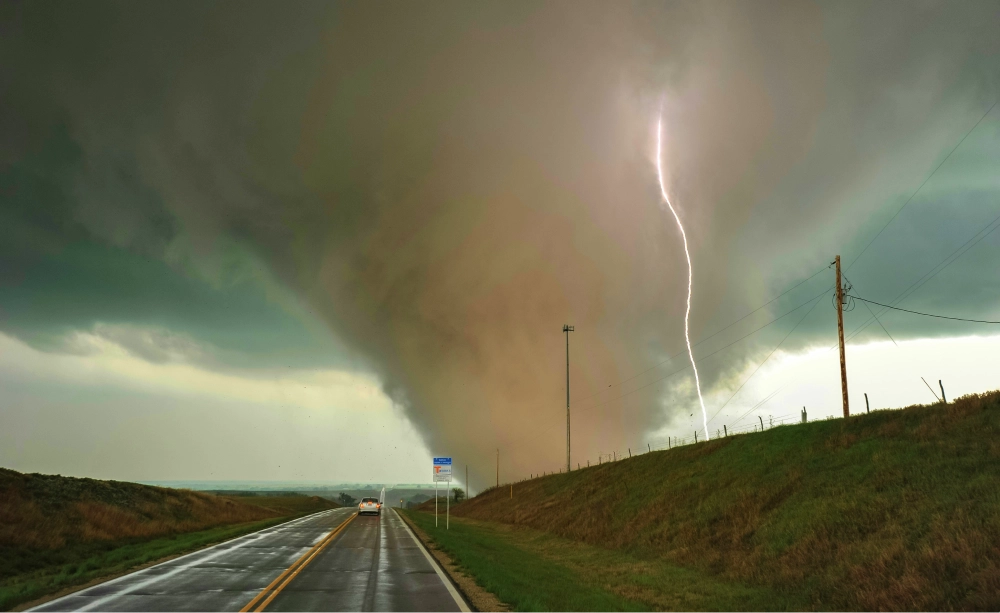
Texas and the Tornado Alley Phenomenon
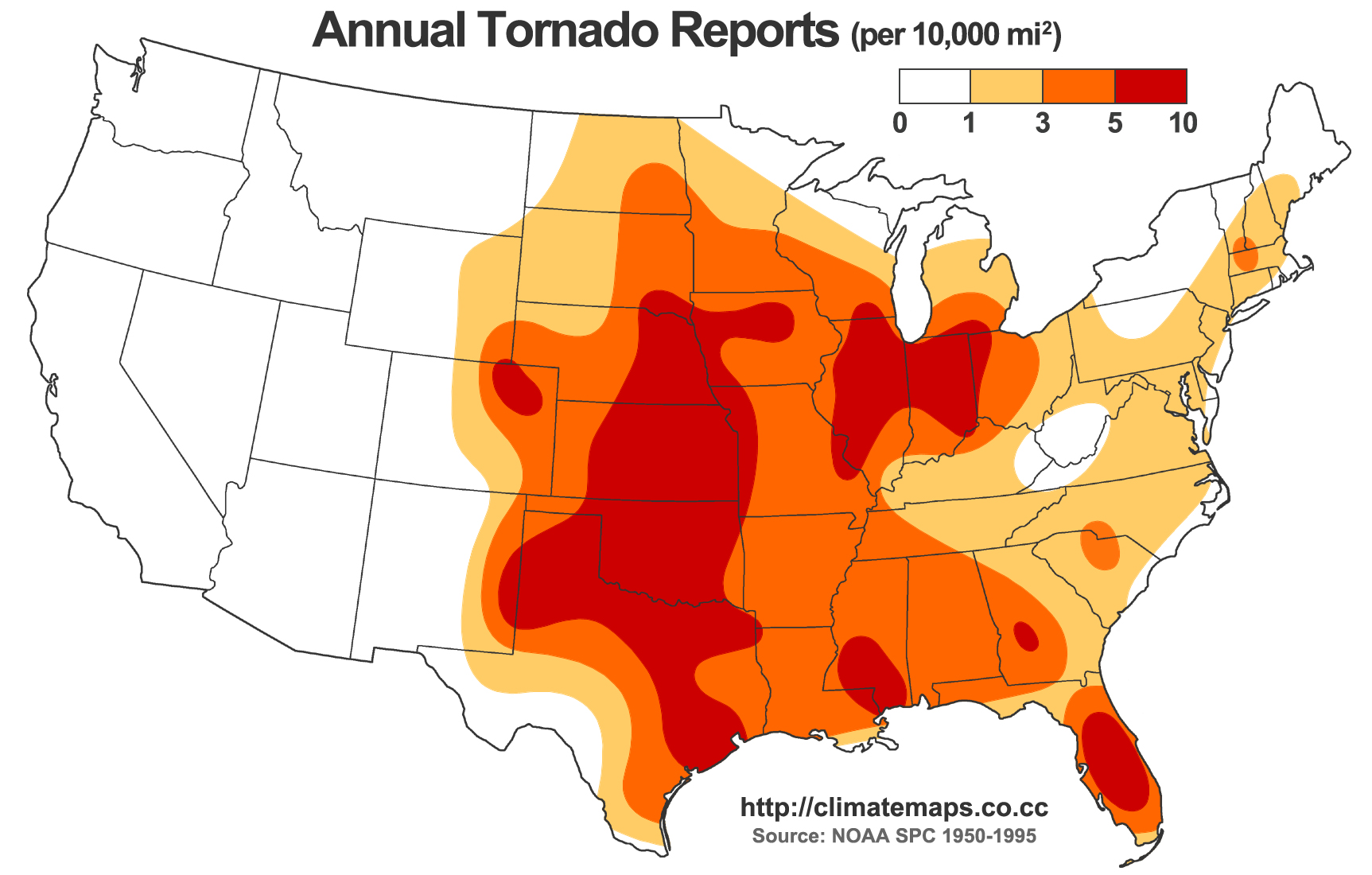
Texas has a long and well-documented history with tornadoes, experiencing more of these powerful rotating columns of air than any other state in the United States. This isn’t a mere statistical anomaly; it’s a direct consequence of its geographical location and meteorological conditions. Being a crucial part of the legendary Tornado Alley—a region in the central United States where atmospheric conditions are particularly ripe for tornado formation—means that Texas frequently becomes a battleground for competing air masses. This natural phenomenon, while awe-inspiring, necessitates a degree of awareness for anyone considering a visit, whether for tourism, business, or a long-term accommodation.
The peak season for tornadoes in Texas generally runs from April to June, with May often being the most active month. During these spring months, the atmospheric ingredients for severe weather align with remarkable frequency. However, it’s important to note that tornadoes can occur at any time of the year, albeit less frequently, demonstrating the need for consistent preparedness and a good understanding of local weather patterns, especially if your travel plans take you through the state during transition seasons.
Understanding the Science Behind Texas’s Storms
The scientific explanation behind Texas’s prolific tornado activity is fascinating and directly relates to the convergence of distinct air masses over the region. The primary drivers are:
- Warm, Moist Air from the Gulf of Mexico: This humid, unstable air mass pushes northward from the Gulf of Mexico, providing the fuel for thunderstorms. When planning a coastal getaway to places like Galveston or South Padre Island, understanding this atmospheric influence is part of appreciating the natural environment.
- Cool, Dry Air from the Rocky Mountains: Descending from the high elevations of the Rocky Mountains to the west, this cooler, denser air creates a strong contrast with the warm, moist air.
- Dry Line: A unique meteorological boundary, often extending north-south across Texas, where the moist Gulf air meets the dry continental air. This dry line acts as a trigger for powerful thunderstorms.
- Wind Shear: The presence of varying wind speeds and directions at different altitudes creates the necessary rotation within thunderstorms, leading to the formation of supercells—the type of storm most likely to produce violent tornadoes.
These factors combine to create an environment conducive to the development of powerful supercell thunderstorms, which are the primary producers of strong and violent tornadoes. For travelers and residents alike, understanding this dynamic system helps in appreciating the power of nature and the importance of staying informed through reliable weather sources like the National Weather Service (NWS).
Geographic Hotspots: Where Tornadoes Strike Most
While tornadoes can theoretically occur anywhere in Texas, certain regions are statistically more prone due to the confluence of meteorological conditions. The areas most frequently impacted include:
- North Texas: This region, encompassing major metropolitan areas like Dallas and Fort Worth, experiences a high volume of tornado activity. If you’re planning to visit the Dallas Arts District or the Fort Worth Stockyards National Historic District, especially during the spring, it’s wise to monitor local weather.
- The Texas Panhandle: Extending into the northernmost part of the state, this region is geographically close to other states in Tornado Alley such as Oklahoma and Kansas, and frequently experiences severe weather.
- The Red River Valley: Forming much of the border between Texas and Oklahoma, this area is another hotbed for tornado activity, sharing similar meteorological characteristics with its northern neighbor.
While less frequent, tornadoes can also affect other parts of the state, including Central Texas (around Austin and San Antonio) and even parts of Southeast Texas (Houston) and the Gulf Coast. The Rio Grande Valley in far South Texas has its own distinct weather patterns, often influenced by tropical systems, which can also occasionally spawn tornadoes. For those exploring landmarks such as The Alamo or enjoying the San Antonio River Walk, being aware of general severe weather protocols is always a good practice.
Navigating Tornado Season: Safety and Preparedness for Travelers
The significant number of tornadoes in Texas underscores the importance of preparedness, both for residents and visitors. While the dangers are real—ranging from property damage and disruption to injuries and, in tragic cases, fatalities—modern warning systems and public awareness campaigns significantly mitigate the risks. For anyone planning travel to Texas, especially during the spring, understanding and implementing safety measures is crucial for a worry-free trip. This isn’t about fear-mongering; it’s about responsible tourism and safeguarding your lifestyle choices while exploring.
Essential Safety Tips and Emergency Planning
Being prepared for severe weather in Texas involves a few straightforward steps that can make a significant difference:
- Stay Informed: This is paramount. Always have a way to receive weather alerts.
- Weather Radios: A battery-powered NOAA weather radio provides continuous broadcasts from the National Weather Service and is highly recommended, particularly for those staying in rural areas or enjoying outdoor activities.
- Smartphone Apps: Numerous reliable weather apps offer real-time alerts and radar. Ensure your phone’s emergency alerts are enabled.
- Local News: Tune into local TV or radio stations, especially during periods of active weather.
- Know Your Shelter Options: Before a storm even threatens, know where the safest place is in your current accommodation or location.
- Hotels and Resorts: Most modern hotels, from budget hotels to luxury resorts, have designated shelter areas, often in interior hallways, basements, or lower-level rooms away from windows. Ask hotel staff upon check-in about their severe weather protocol.
- Public Buildings: If you’re out and about, look for sturdy public buildings, shopping malls, or designated storm shelters. Avoid vehicles, mobile homes, and tents during a tornado warning.
- Have an Emergency Plan: Discuss with your travel companions what to do if a warning is issued.
- Communication: Ensure everyone knows how to contact each other if separated.
- Rendezvous Point: Agree on a safe meeting place after the threat has passed.
- Emergency Kit: Consider carrying a small kit with essentials like water, snacks, a flashlight, and a first-aid kit, especially for road trips.
While a tornado warning indicates imminent danger, a tornado watch means conditions are favorable for tornadoes to develop. During a watch, remain vigilant and have your plan ready. These proactive steps are part of a responsible travel lifestyle and ensure peace of mind.
Accommodation and Travel Insurance Considerations
When planning your Texas itinerary, especially during tornado season, consider how your choice of accommodation and financial safeguards can enhance your safety and peace of mind.
- Choosing Hotels and Accommodation:
- Structure: Opt for hotels built with sturdy materials, and if possible, with basements or concrete interior spaces. Many newer hotels and resorts are designed with severe weather in mind.
- Location: While not a definitive safety measure, being aware of a property’s proximity to open fields versus a more urban environment might inform your choice, though tornadoes can strike anywhere.
- Amenities: Some hotels might boast specific severe weather shelters or advanced alert systems as part of their amenities. Don’t hesitate to ask when booking.
- Flexibility: Look for accommodation options with flexible cancellation policies, just in case severe weather forecasts necessitate a change in plans. Many modern booking platforms facilitate this.
- Travel Insurance: This is a crucial element for any responsible traveler, particularly when visiting a region prone to natural phenomena like tornadoes.
- Trip Interruption/Cancellation: Policies often cover costs incurred due to unforeseen events like severe weather that prevent you from reaching your destination or force you to cut your trip short.
- Emergency Medical: If you’re injured during a storm, travel insurance can cover medical expenses, which is a significant relief.
- Property Damage: While not always comprehensive, some policies might offer limited coverage for personal property damaged during an insured event.
- Read the Fine Print: Always thoroughly review the terms and conditions of any travel insurance policy to understand what is covered regarding natural disasters.
By thoughtfully considering your accommodation choices and investing in comprehensive travel insurance, you can significantly enhance the security and flexibility of your Texas travel plans, allowing you to focus on enjoying the journey rather than worrying about the unexpected.
Experiencing Texas Beyond the Storms: Travel Tips and Best Times to Visit
Despite the prevalence of tornadoes, Texas remains an incredibly popular destination for travel and tourism, drawing millions annually to its unique attractions. With proper planning and an informed approach, the risk of a severe weather encounter is manageable, allowing visitors to fully immerse themselves in the state’s diverse offerings. The beauty of Texas lies in its ability to cater to every lifestyle, from luxury travel in sophisticated urban centers to rugged outdoor adventures in its expansive national parks.
Planning Your Texas Adventure: What to See and Do
Texas offers an incredible array of experiences, no matter your interest.
- Urban Explorations:
- Dallas: Explore the vibrant Dallas Arts District, the historical Sixth Floor Museum, or enjoy the urban oasis of Klyde Warren Park. Hotels range from boutique suites to grand establishments like the Omni Dallas Hotel.
- Houston: Home to the Space Center Houston, a world-class Museum District, and diverse culinary scenes, Houston offers a truly global city experience.
- Austin: The “Live Music Capital of the World” boasts a vibrant music scene, unique food trucks, and outdoor activities around Lady Bird Lake. Consider staying in a downtown apartment for full immersion.
- San Antonio: Discover the rich history of The Alamo and wander along the charming River Walk, a perfect setting for romantic getaways or family trips.
- Nature and Outdoors:
- Big Bend National Park: In West Texas, this remote landmark offers stunning desert landscapes, hiking, and stargazing. The risk of tornadoes here is significantly lower due to geography.
- Padre Island National Seashore: A pristine barrier island offering miles of undeveloped beaches, perfect for birdwatching and relaxation.
- Guadalupe Mountains National Park: Home to the highest peak in Texas, providing incredible hiking opportunities.
- Unique Experiences:
- Marfa: A quirky art town in the desert, known for its minimalist art installations and the mysterious Marfa Lights.
- Texas Hill Country: Famous for its wineries, scenic drives, charming small towns, and abundant wildflowers in spring. While beautiful, this area can still experience severe weather.
When planning, consider the seasonality. Beyond tornado season, the fall (September-November) and early spring (March) often offer milder temperatures, fewer crowds, and beautiful scenery, making them ideal times for a visit. Even during peak tornado season, bright, clear days are common, providing ample opportunity for exploration.
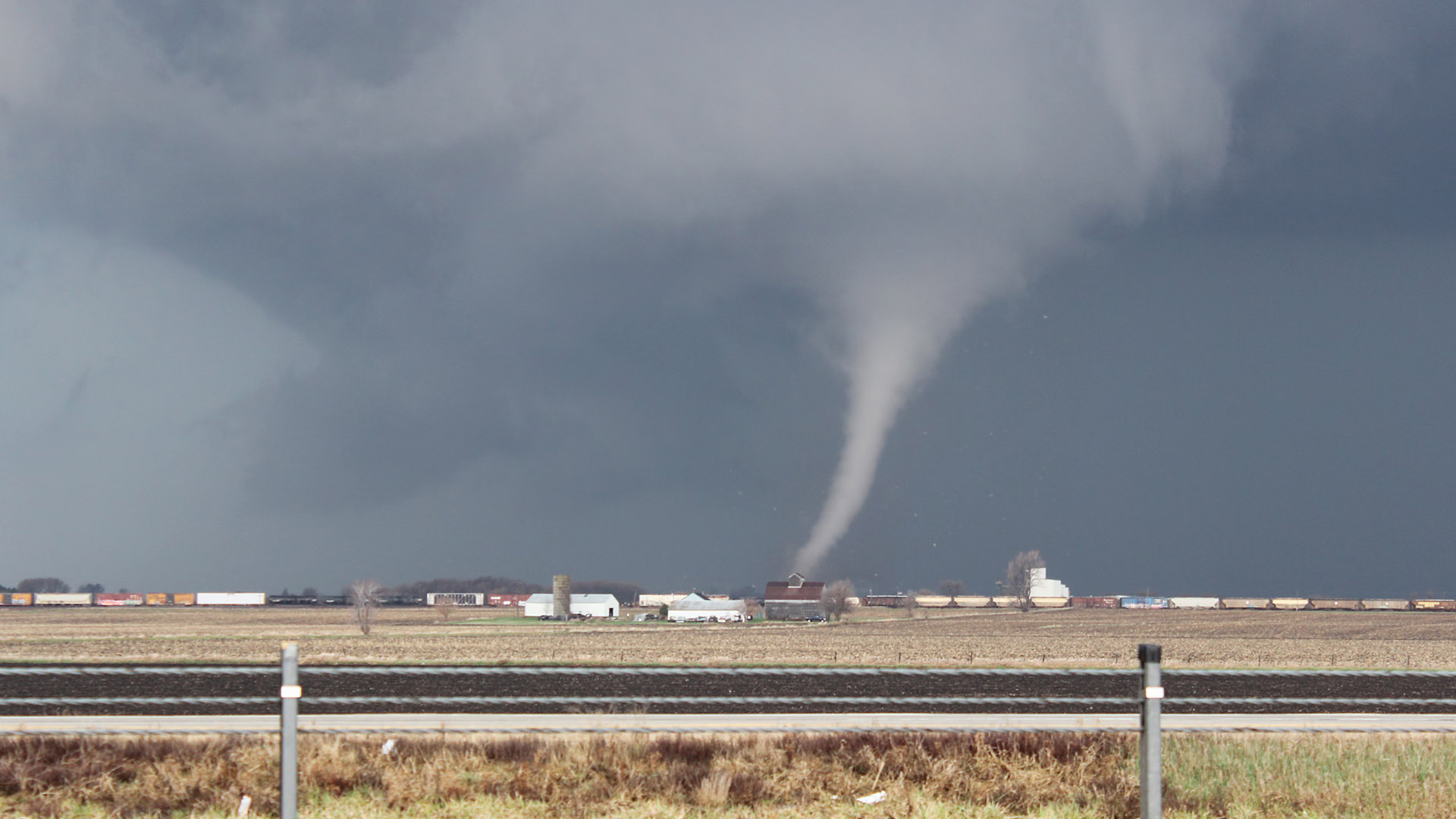
Enjoying Texas Safely: A Lifestyle Perspective
Embracing the possibility of severe weather as part of the Texas experience is a facet of informed lifestyle choices for any traveler. It’s about preparedness, not paralysis. Many locals live full, vibrant lives, and their resilience is a testament to effective warning systems and community support.
- Responsible Travel: This includes staying informed about local conditions, respecting weather alerts, and understanding that plans might need to be flexible. This approach enhances your safety and reduces stress.
- Flexibility and Adaptability: A slight detour or a day spent exploring indoor attractions like museums or aquariums during a severe weather watch is a small price to pay for safety. Cities like Houston and Dallas have plenty of indoor options.
- Leveraging Accommodation Resources: Don’t underestimate the expertise of hotel staff. They are usually well-versed in local emergency procedures and can provide valuable tips and guidance.
- Community Awareness: Observing how locals react to weather alerts can also provide helpful context. Texans are generally well-prepared and take warnings seriously.
In conclusion, while Texas does experience a significant number of tornadoes, particularly during the spring months and in specific geographical regions, this fact should not overshadow its appeal as a premier travel destination. By understanding the meteorological factors at play, knowing how to stay informed, having a clear emergency plan, and making smart choices regarding accommodation and travel insurance, visitors can enjoy the immense beauty, culture, and adventure that Texas proudly offers. The secret to a successful Texas trip, like any travel experience, lies in embracing both the expected and the unexpected with knowledge and a spirit of adventure.
LifeOutOfTheBox is a participant in the Amazon Services LLC Associates Program, an affiliate advertising program designed to provide a means for sites to earn advertising fees by advertising and linking to Amazon.com. Amazon, the Amazon logo, AmazonSupply, and the AmazonSupply logo are trademarks of Amazon.com, Inc. or its affiliates. As an Amazon Associate we earn affiliate commissions from qualifying purchases.