
The vibrant energy of London and the iconic hustle of New York stand as two of the world’s most celebrated travel destinations. Separated by the vast Atlantic Ocean, these global hubs not only offer distinct cultural experiences but also operate on vastly different time schedules. For anyone planning to travel, conduct business, or simply stay connected between these two magnificent cities, understanding their time difference is paramount.
So, how many hours is London ahead of New York? The straightforward answer, for the majority of the year, is five hours. London consistently leads New York by this margin. However, like many things in global travel, this seemingly simple calculation comes with nuances, particularly due to the observance of Daylight Saving Time in both the United Kingdom and the United States. Delving into these specifics is crucial for seamless transatlantic planning, whether it’s for a quick weekend getaway, an extended business trip, or simply keeping up with friends and family across the pond.

Understanding the Transatlantic Time Divide
The consistent five-hour difference between London and New York is rooted in their geographical positions relative to the Prime Meridian and their respective time zone systems.
The Standard Time Difference Explained
London, the capital of the United Kingdom, is the home of Greenwich Mean Time (GMT), often referred to as UTC (Coordinated Universal Time) +0. This globally recognized standard is established by the Royal Observatory in Greenwich, a historic borough in southeast London. When it’s standard time, the entire United Kingdom operates on GMT.
Across the Atlantic Ocean, New York operates on Eastern Standard Time (EST), which is UTC-5. This means that New York is five hours behind Greenwich Mean Time (GMT).
Therefore, during the periods of the year when both cities are observing their standard times (typically late autumn through early spring), if it’s 12:00 PM in London, it will be 7:00 AM in New York. This five-hour difference holds true for most of the year and forms the baseline for transatlantic communication and travel planning.
Navigating Daylight Saving Time Shifts
The calculation becomes slightly more complex during the spring and autumn months when both the United Kingdom and the United States transition to and from Daylight Saving Time.
- In the United Kingdom, Daylight Saving Time is known as British Summer Time (BST), where clocks move forward by one hour, making it UTC+1. BST typically begins on the last Sunday of March and ends on the last Sunday of October.
- In New York and the wider Eastern United States, Daylight Saving Time is called Eastern Daylight Time (EDT), which is UTC-4. EDT usually starts on the second Sunday of March and concludes on the first Sunday of November.
Because the transition dates are not perfectly synchronized, there are brief periods (typically a few weeks in spring and autumn) where the time difference temporarily shifts to four or six hours.
- In early spring (mid-March), New York springs forward to EDT before London moves to BST. During this period, the difference can shrink to four hours.
- In late autumn (late October/early November), London reverts to GMT before New York falls back to EST. This can temporarily extend the difference to six hours.
For most of the summer, however, both cities are on Daylight Saving Time (BST and EDT respectively), and the five-hour difference is restored (UTC+1 minus UTC-4 still equals 5 hours). Travelers and those with business interests should always double-check the current time difference, especially when planning travel or scheduling important calls during these transition weeks.
The Impact of Time Zones on Travel and Tourism
The five-hour time difference is more than just a number; it profoundly influences the entire transatlantic travel experience, from combating jet lag to planning your daily adventures.
Beating Jet Lag: Strategies for Seamless Transitions
Jet lag is perhaps the most significant challenge of transatlantic travel. Your body’s internal clock, or circadian rhythm, struggles to adjust to the new local time. The direction of your travel heavily dictates the severity and approach to managing jet lag.
- Flying Eastbound (New York to London): Traveling from New York to London means you’ll be “losing” five hours, as London is ahead. Most flights are overnight, departing New York in the evening and arriving in London the following morning. The key here is to try and sleep on the plane. Upon arrival, resist the urge to nap immediately. Instead, expose yourself to natural light, stay hydrated, and try to stay awake until the local London bedtime. A brisk walk to Hyde Park or exploring the bustling streets near King’s Cross can help recalibrate your body.
- Flying Westbound (London to New York): Traveling from London to New York means you’ll be “gaining” five hours. Flights typically depart London in the morning and arrive in New York in the early to mid-afternoon on the same calendar day. This often feels less severe than eastbound travel. The strategy here is to stay awake as much as possible on the plane, perhaps catching up on movies or work. Once in New York, embrace the afternoon and evening, experiencing the city’s lively atmosphere, like a visit to Times Square or a show on Broadway, before settling down for a normal New York bedtime.

General jet lag tips include adjusting your sleep schedule a few days before departure, avoiding excessive caffeine and alcohol, and eating light meals. Many travelers also find specialized apps or even light therapy useful.
Planning Your Itinerary: Maximizing Your London & New York Experience
The time difference critically impacts how you structure your daily itinerary, particularly on arrival and departure days.
- Arrival Day in London (from New York): Since you arrive in the morning after an overnight flight, consider planning lighter activities for your first day. A hop-on, hop-off bus tour provides an excellent overview of London’s landmarks like Buckingham Palace, Big Ben, and the Tower of London without being too physically demanding. Embrace the British culinary scene with a traditional pub lunch, but avoid heavy meals that might make you drowsy. Save intense museum visits, like the British Museum, for your second day. Evening entertainment like a show in the West End can be a great way to push through to local bedtime.
- Arrival Day in New York (from London): Arriving in the afternoon gives you a full evening to enjoy. Head straight to your hotel to drop off luggage, then hit the streets. Stroll through Central Park, explore the shops in SoHo, New York, or ascend the Empire State Building for sunset views. New York’s dining scene is legendary, offering everything from street food to Michelin-starred restaurants. A late dinner is a perfect way to ease into the city’s pace and delay sleep until a reasonable hour.
Booking tours, restaurant reservations, and theater tickets should always be done with local time in mind. Ensure you confirm timings for attractions like the Statue of Liberty or visiting the National Gallery in Trafalgar Square. The time difference can also impact opening hours and peak times for certain tourist hotspots.
Accommodation and Lifestyle Across the Atlantic
Beyond simply calculating the hours, the time difference between London and New York has practical implications for booking accommodation, managing business affairs, and maintaining connections with home.
Smart Hotel Bookings and Check-ins
Consider your arrival time when booking hotels. A flight from New York might land at London Heathrow Airport or Gatwick Airport at 7:00 AM local time, but standard hotel check-in isn’t until 3:00 PM. That’s eight hours to kill when you’re already exhausted.
- Early Check-in/Late Check-out: When booking, inquire about early check-in or late check-out options. Many luxury resorts or boutique hotels might offer this as a complimentary service for loyalty members or for a fee.
- Day-Use Rooms: Alternatively, some hotels offer “day-use” rooms for a reduced rate, allowing you to freshen up and rest for a few hours.
- Accommodation Types: For longer stays or family trips, serviced apartments in areas like Covent Garden in London or the Financial District in New York might offer more flexibility and comfort, including kitchen facilities to help regulate your meal times. Always read reviews and compare options on
lifeoutofthebox.comto find the best fit for your travel style and needs.
Business and Leisure: Managing Transatlantic Schedules
The five-hour time gap creates unique challenges and opportunities for both business and leisure travelers.
- Business Stays: For professionals traveling between London and New York, scheduling virtual meetings or coordinating with colleagues requires careful planning. A 9:00 AM meeting in New York means 2:00 PM in London, still within a reasonable workday. However, an afternoon meeting in London could push into the late night for [New York](https://lifeoutofthebox.com/new-york] counterparts. Business travelers might find it beneficial to book a hotel with robust business amenities and 24-hour services.
- Family Trips: Managing children’s sleep schedules across a five-hour time difference can be particularly challenging. Gradual pre-trip adjustments, consistent routines, and plenty of outdoor play to expose children to natural light can help ease the transition. Look for family-friendly accommodation with separate sleeping areas.
- Keeping in Touch: For leisure travelers, keeping up with friends and family back home means being mindful of the clock. A good morning call to New York from London would be mid-morning for the caller but still very early morning for the recipient. Similarly, financial transactions and market hours require constant awareness of the time zones, especially for those involved in global finance on Wall Street or in London’s Square Mile.
Exploring Iconic Landmarks in Two Time Zones
Understanding the time difference also enhances your appreciation for the distinct rhythms of London and New York, allowing you to immerse yourself fully in their unique atmospheres.
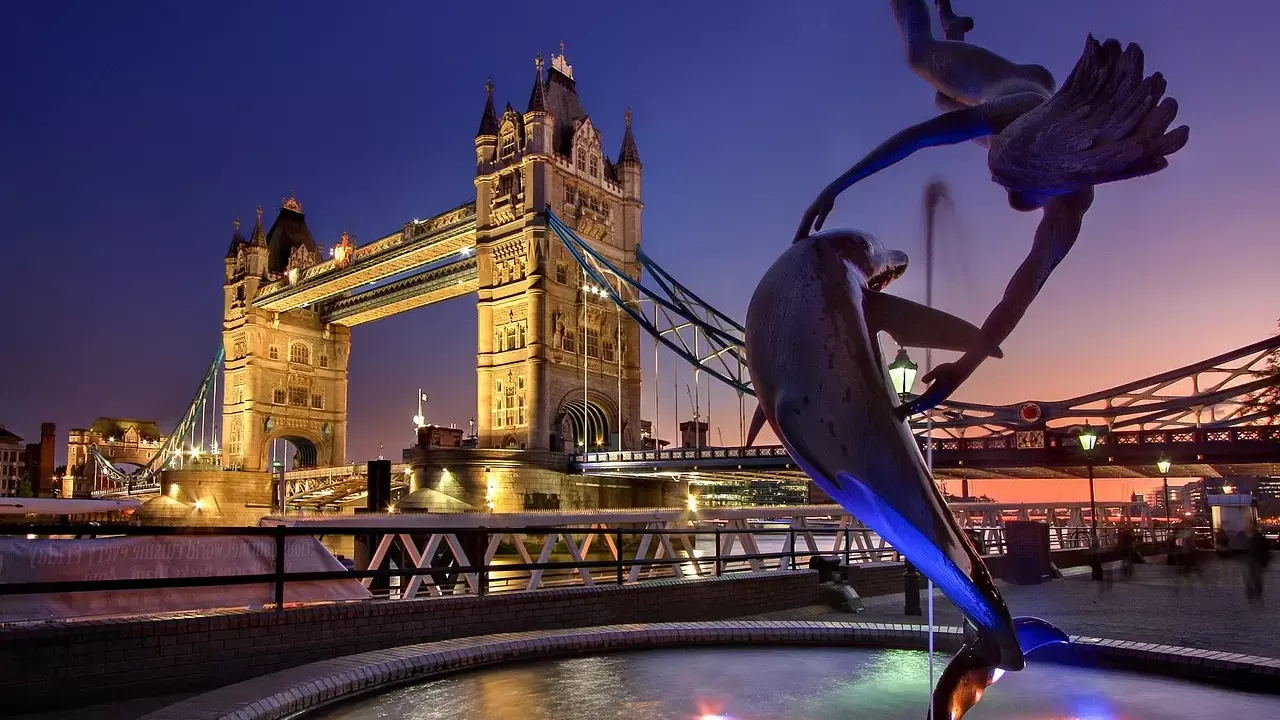
London’s Timeless Allure
London wakes up early. Its city workers begin their commute as New York is still asleep. By the time New York business districts are stirring, London’s financial hub is already buzzing.
- Historic Landmarks: Imagine visiting the Tower of London or Westminster Abbey in the morning, soaking in centuries of British history, while many across the Atlantic are just having breakfast.
- Modern Icons: Ascend The Shard for panoramic views of the city and the River Thames in the late afternoon, witnessing the city transition from day to evening. By then, New York is just entering its busy mid-day.
- Cultural Hubs: Enjoy world-class art at the National Gallery or explore the eclectic shops and street performers of Covent Garden while knowing your friends in New York are just finishing their lunch break. London’s charm lies in its seamless blend of the ancient and the modern, a rhythm that feels distinctively European.
New York’s Never-Sleeping Energy
When London begins winding down for the evening, New York truly comes alive.
- Iconic Skyscrapers: Take in the breathtaking views from the Empire State Building or Top of the Rock as the sun sets, casting a golden glow over the city, while it’s already deep into the night in London.
- Vibrant Districts: Experience the dazzling lights of Times Square and catch a Broadway show, activities that run well into the local night, offering a stark contrast to London’s earlier closing times.
- World-Class Museums: Spend a full afternoon exploring the vast collections of the Metropolitan Museum of Art (MoMA) or the Museum of Modern Art (MoMA), knowing that these cultural excursions are perfectly aligned with New York’s lively schedule, just as London prepares for another sunrise. A walk across the Brooklyn Bridge at dusk offers stunning views of the Manhattan skyline, an experience amplified by the city’s unique nocturnal energy.
The Hudson River separating Manhattan from New Jersey might be less historically significant than the River Thames, but it contributes to New York’s impressive skyline, a modern marvel.
In conclusion, London is consistently five hours ahead of New York for the vast majority of the year. While temporary shifts during Daylight Saving Time transitions can alter this to four or six hours, the standard five-hour difference is what most travelers and planners will encounter. Acknowledging and planning around this transatlantic time divide is key to minimizing jet lag, optimizing itineraries, and ensuring a smooth, enjoyable experience whether you’re exploring London’s historic grandeur or New York’s electrifying pace. So, set your watch, embrace the adventure, and prepare for an unforgettable journey between these two extraordinary global cities.
LifeOutOfTheBox is a participant in the Amazon Services LLC Associates Program, an affiliate advertising program designed to provide a means for sites to earn advertising fees by advertising and linking to Amazon.com. Amazon, the Amazon logo, AmazonSupply, and the AmazonSupply logo are trademarks of Amazon.com, Inc. or its affiliates. As an Amazon Associate we earn affiliate commissions from qualifying purchases.