
The aroma of sizzling steaks and freshly baked rolls is a hallmark of the Texas Roadhouse dining experience. For many, it’s a beloved chain restaurant offering a taste of a casual, American steakhouse. However, for individuals with peanut allergies, a seemingly simple question looms large: “Does Texas Roadhouse have peanuts?” This isn’t just about avoiding a common allergen; it’s about ensuring a safe and enjoyable dining experience for everyone. Given the prevalence of peanut allergies and the widespread popularity of establishments like Texas Roadhouse, understanding their peanut policy is paramount. This article delves into the presence of peanuts at Texas Roadhouse, explores strategies for dining with allergies, and touches upon broader considerations for travelers and food enthusiasts navigating the culinary landscape.
Navigating Peanut Presence at Texas Roadhouse
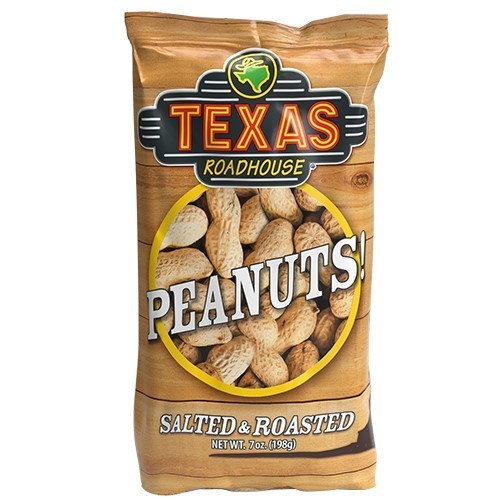
The question of peanuts at Texas Roadhouse is not a simple yes or no. The restaurant has a well-documented history of serving peanuts, primarily in bowls at the tables for guests to enjoy while they wait for their meals. This practice, while a signature element for many patrons, is a significant concern for those with peanut allergies.
The Peanut Bowl: A Culinary Staple and a Potential Hazard
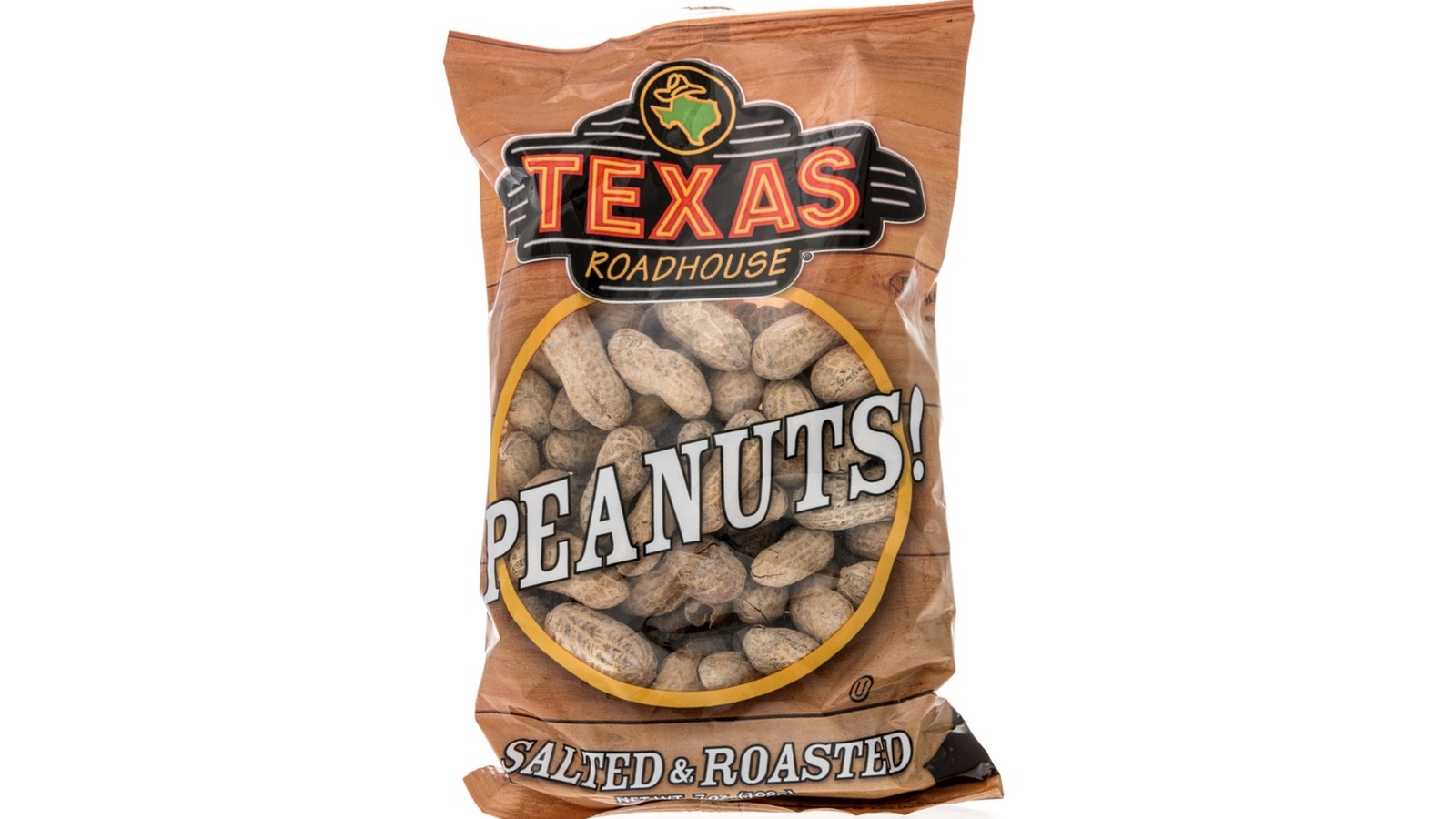
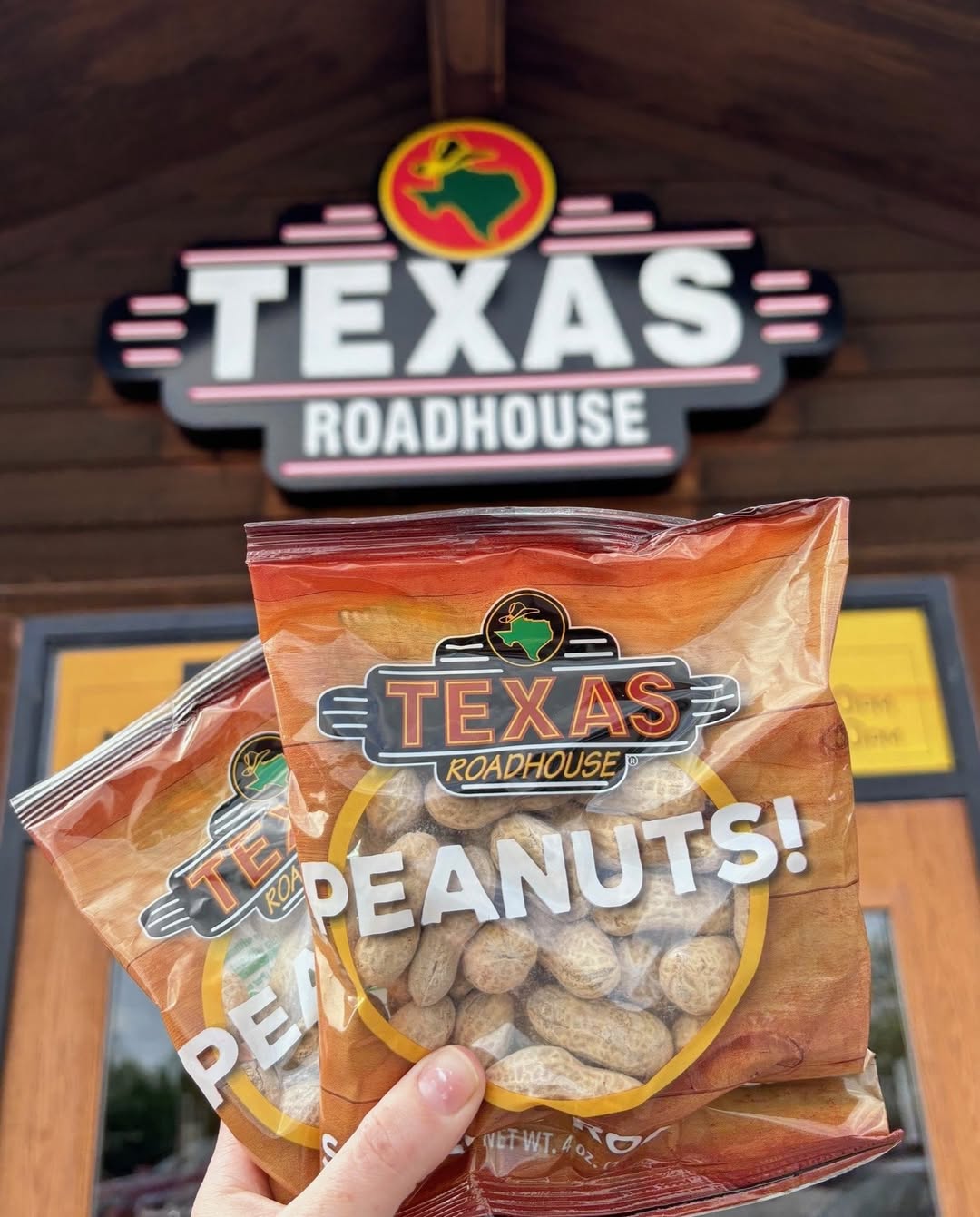
For decades, complimentary bowls of peanuts have been a distinctive feature of the Texas Roadhouse dining experience. These unshelled peanuts are often presented at each table, encouraging a communal snacking atmosphere. While this adds to the rustic charm and casual vibe that many diners appreciate, it creates an environment where peanut proteins can become airborne and settle on surfaces, including cutlery, tables, and even menus.
The presence of these peanuts means that even if an individual with a peanut allergy does not consume them directly, they can still be exposed to trace amounts through cross-contamination. This is a critical point for allergy sufferers, as even minute exposure can trigger severe reactions, including anaphylaxis.
Beyond the Bowl: Hidden Peanut Ingredients
While the visible peanut bowls are the most obvious concern, it’s essential to consider other potential sources of peanut contamination within the kitchen. Texas Roadhouse, like many large restaurant chains, has a standardized menu and preparation process. This can involve the use of various oils, seasonings, and pre-made ingredients that might contain peanuts or be processed in facilities that also handle peanuts.
While the restaurant aims to cater to a broad audience, the specific ingredients and preparation methods used in their dishes are crucial for allergy sufferers to investigate. This includes understanding the types of cooking oils used, whether any sauces or marinades contain peanut products, and the potential for cross-contamination during food preparation.
Strategies for Dining Safely at Texas Roadhouse
For individuals with peanut allergies, dining at Texas Roadhouse requires careful planning and proactive communication. Fortunately, there are steps that can be taken to mitigate risks and ensure a safer dining experience.
Pre-Dining Preparations and Communication
The first and most crucial step is communication. Before even stepping foot into a Texas Roadhouse location, it is highly recommended to:
- Contact the Restaurant Directly: Calling the specific Texas Roadhouse location you plan to visit is advisable. Speak with a manager or supervisor who can provide detailed information about their allergy protocols. While chain-wide policies exist, on-site implementation can vary.
- Review Allergen Information: Many restaurant chains provide allergen menus or information on their websites. It’s worth checking the official Texas Roadhouse website for any available documentation regarding peanut content and cross-contamination procedures.
- Inform Your Server Immediately: Upon arrival and when ordering, clearly and unequivocally inform your server about the peanut allergy. Do not assume they are aware or that previous communications have been relayed effectively. Use clear language like, “I have a severe peanut allergy,” and ask specific questions about the ingredients and preparation of your chosen dishes.
Understanding Menu Options and Modifications
When dining with a peanut allergy at Texas Roadhouse, understanding which menu items are generally safer and what modifications are possible is key.
- The “No Peanuts” Policy: Many Texas Roadhouse locations have implemented a policy where they will remove the peanut bowls from tables upon request. This is a significant step towards reducing airborne allergens. Be sure to explicitly request this when you are seated.
- Careful Selection of Dishes: While many of Texas Roadhouse’s core offerings, like their steaks, are typically prepared without peanuts as direct ingredients, the risk of cross-contamination remains. It’s wise to inquire about:
- Cooking Oils: What type of oil is used for grilling and frying? Some oils may be processed in facilities with peanuts.
- Sauces and Marinades: Are any of the restaurant’s signature sauces or marinades made with peanuts or peanut-derived ingredients?
- Side Dishes: Some side dishes might have hidden peanut ingredients or be prepared in areas with higher contamination risks.
- Simplest Preparations: Often, the simplest preparations are the safest. A plain grilled steak or chicken, with basic seasonings, might be a more secure choice than heavily sauced or fried items.
- Asking Detailed Questions: Don’t hesitate to ask your server detailed questions about the preparation of each dish. For example, “Is this grilled on the same surface as items that might have peanut residue?” or “Does this sauce contain any nuts?”
The Importance of Preparedness
Even with the best communication and precautions, the risk of accidental exposure can never be entirely eliminated in a shared dining environment. Therefore, for individuals with severe peanut allergies, it is imperative to be prepared.
- Carry Epinephrine Auto-injectors: Always have your prescribed epinephrine auto-injector (like an EpiPen) readily accessible.
- Have an Allergy Action Plan: Ensure you have a clear allergy action plan and that anyone dining with you is aware of it and knows what to do in case of a reaction.
Beyond the Plate: Travel, Tourism, and Allergy-Conscious Choices
The considerations for dining at a restaurant like Texas Roadhouse extend beyond just the immediate meal. For travelers, understanding allergen policies of dining establishments is a critical aspect of planning safe and enjoyable trips. The broader landscape of travel and tourism often involves exploring local culinary scenes, which can present unique challenges for individuals with food allergies.
Travel and Food Allergies: A Global Perspective
When traveling, whether for leisure or business, exploring local cuisine is often a highlight of the experience. However, for individuals with food allergies, this exploration requires vigilance. Different countries and regions may have varying regulations and awareness levels regarding food allergens.
- Researching Destinations: Before visiting a new city or country, it’s wise to research the general food allergy awareness and common allergens in that region. For instance, while peanuts are a widespread allergen globally, other nuts like cashews or almonds might be more prevalent in certain cuisines, such as those found in parts of Asia or Europe.
- Navigating Local Markets and Eateries: Exploring local markets and smaller, independent eateries can be particularly challenging. While they offer authentic culinary experiences, they may have less formal allergen protocols than larger chains. Learning a few key phrases in the local language to communicate your allergy can be invaluable.
- Choosing Accommodation Wisely: The choice of accommodation can also play a role. Staying in hotels with kitchenettes or apartments can provide more control over food preparation, allowing individuals to cook meals using ingredients they know are safe. Many hotels, like those offered by brands such as Marriott or Hilton, are increasingly offering allergen-friendly options or can provide information on ingredient sourcing.
Culinary Tourism and Allergy Management
Culinary tourism, the practice of traveling to a destination to experience its food, is a growing trend. For those with allergies, this trend necessitates a nuanced approach.
- Pre-booking and Inquiries: For planned culinary tours or reservations at high-profile restaurants, it’s essential to contact them well in advance to discuss allergy accommodations. Reputable establishments often have dedicated staff or procedures for handling dietary restrictions.
- Understanding Local Ingredients: Familiarizing yourself with common ingredients used in the local cuisine can help in identifying potential allergens. For example, if traveling to Italy, understanding the prevalence of dairy or gluten might be as important as peanuts for some individuals.
- Emergency Preparedness: Regardless of the destination, always carry necessary medications for allergic reactions and inform travel companions about your allergy and what to do in an emergency. This is a crucial element of lifestyle travel, ensuring that enjoyment doesn’t come at the expense of safety.
The Broader Context of Lifestyle and Dining Choices
The decision to dine at a place like Texas Roadhouse, or any restaurant, is part of a broader lifestyle choice. For families, especially those with children who have allergies, navigating dining out can be particularly stressful.
- Family-Friendly Dining: Many families seek out restaurants that are accommodating to children and their dietary needs. While Texas Roadhouse offers a family-friendly atmosphere, the peanut issue adds a layer of complexity for parents of allergic children.
- Budget and Luxury Travel: Whether engaging in budget travel or luxury travel, the need for safe dining remains constant. High-end resorts and luxury hotels in destinations like Dubai or Paris may offer more sophisticated allergy management services, but even in these settings, proactive communication is key.
- Business Stays: For those on business stays, ensuring safe and efficient dining options is important to maintain productivity. Relying on familiar chains might seem convenient, but understanding their specific allergy protocols, including those of Texas Roadhouse, is still a necessary step.
In conclusion, the question of whether Texas Roadhouse has peanuts is a critical one, with the primary answer being yes, in the form of complimentary peanut bowls. However, the story is more complex, involving potential cross-contamination and the need for meticulous communication and preparation for those with peanut allergies. By understanding the risks, employing smart dining strategies, and remaining vigilant, individuals can navigate the culinary world, from casual dining chains to international destinations, with greater confidence and safety. The journey of travel and tourism, when experienced with informed choices and proactive allergy management, can remain a source of immense joy and discovery.
LifeOutOfTheBox is a participant in the Amazon Services LLC Associates Program, an affiliate advertising program designed to provide a means for sites to earn advertising fees by advertising and linking to Amazon.com. Amazon, the Amazon logo, AmazonSupply, and the AmazonSupply logo are trademarks of Amazon.com, Inc. or its affiliates. As an Amazon Associate we earn affiliate commissions from qualifying purchases.