
The question of whether California residents will receive additional food assistance this month is a matter of significant interest to many households across the Golden State. For individuals and families who rely on CalFresh, the state’s Supplemental Nutrition Assistance Program (SNAP), understanding potential benefit adjustments is crucial for managing budgets and ensuring food security. While the core of the CalFresh program provides a consistent level of support based on eligibility criteria, there are indeed circumstances under which additional benefits might be distributed. This article aims to explore these possibilities, clarifying what might lead to extra food stamp allocations in California and where to find reliable information.
The landscape of social assistance programs is dynamic, influenced by economic conditions, legislative changes, and emergency declarations. For CalFresh recipients, these factors can directly impact their monthly allotments. The primary driver for any supplemental food assistance is typically related to specific events or policy shifts designed to alleviate hardship. Therefore, to answer the question of whether California is getting extra food stamps this month, we need to delve into the mechanisms that could trigger such an increase.
It is important to note that the term “extra food stamps” can encompass a few different scenarios. It could refer to a general increase in benefit amounts, a one-time supplemental payment, or a reinstatement of benefits that were previously reduced. Understanding these nuances is key to navigating the information surrounding CalFresh and its potential enhancements.
Understanding CalFresh Benefits and Potential Enhancements
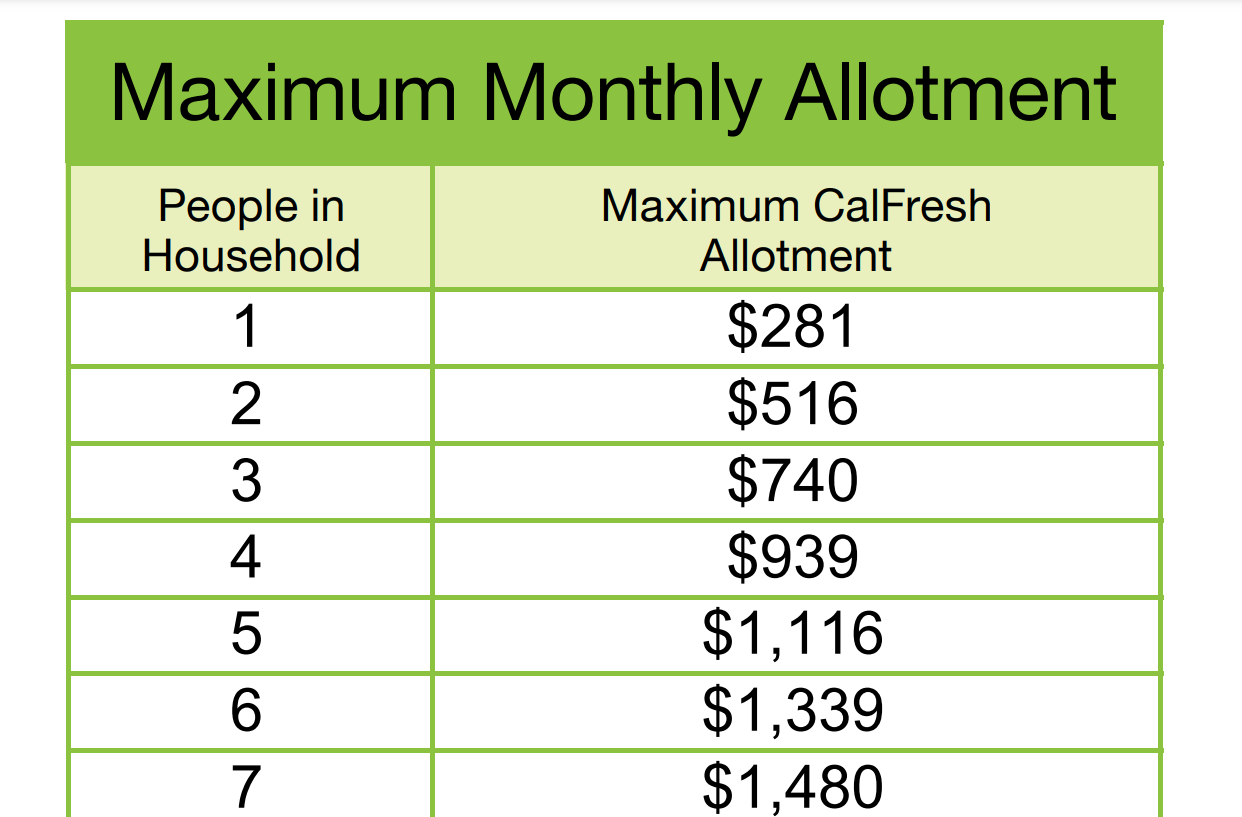
CalFresh benefits are calculated based on a household’s income, expenses, and household size. The program aims to supplement a household’s food budget, not cover all food costs. The maximum benefit levels are set annually by the U.S. Department of Agriculture (USDA), and states adjust their benefit calculations accordingly. These maximums represent the upper limit of what a household of a certain size can receive.
Beyond the standard benefit calculation, there are specific instances where supplemental allocations can occur. These often stem from proactive state or federal initiatives designed to address widespread economic distress or unforeseen circumstances.
Emergency Allotments (D-SNAP) and Their Role
One of the most significant ways California residents might receive “extra food stamps” is through Disaster-Supplemental Nutrition Assistance Program (D-SNAP) benefits. These are temporary benefits issued to households in areas affected by a declared disaster, such as severe storms, wildfires, or other natural catastrophes. When a disaster strikes, and the Governor of California requests and receives a federal disaster declaration, residents in the affected counties may become eligible for D-SNAP.
The purpose of D-SNAP is to help eligible households purchase food when they have been unable to do so due to the disaster and have experienced food losses. This can include situations where power outages prevented food storage or where access to grocery stores was disrupted. The benefits are typically provided as an additional deposit to the recipient’s EBT (Electronic Benefit Transfer) card. Eligibility for D-SNAP is usually determined based on specific disaster-related losses and is separate from the regular CalFresh eligibility rules, though some overlap may exist.
The announcement of D-SNAP availability is typically made by the California Department of Social Services (CDSS) and local county social services agencies. Information would be disseminated through official government channels, news outlets, and community organizations. For those in a declared disaster area, it is essential to stay informed about application deadlines and eligibility requirements for D-SNAP. The availability of these benefits is directly tied to the proclamation of a state of emergency and subsequent federal approval, making them a crucial, albeit temporary, form of supplemental assistance.
Recent Policy Adjustments and Their Impact
In recent years, there have been significant policy discussions and adjustments at both the federal and state levels that have affected SNAP benefits nationwide, including in California. One notable example was the expiration of the federal COVID-19 public health emergency. During the pandemic, SNAP recipients across the country, including those in California, received increased benefit amounts through what were known as “emergency allotments.” These allotments were intended to provide additional support to households facing economic hardship and food insecurity exacerbated by the pandemic.
The expiration of the federal public health emergency meant that these nationwide emergency allotments for SNAP would eventually end. For California, this transition was carefully managed. The state, along with other SNAP-participating states, had to adjust its benefit structure back to pre-pandemic levels. This transition did not necessarily mean a loss of benefits for those who qualified for the standard CalFresh amounts, but rather the cessation of the temporary, across-the-board pandemic-related increase.
However, even as nationwide emergency allotments phased out, California has continued to explore and implement measures to bolster food security for its residents. This can include state-level initiatives that might supplement federal programs or address specific needs within the state. For instance, California has historically advocated for and implemented programs that aim to increase access to nutritious food, such as initiatives that expand CalFresh outreach or simplify application processes.
It is also important to consider the ongoing efforts by the California legislature and governor to address poverty and food insecurity. Budget proposals and legislative bills are continuously introduced that could potentially lead to adjustments in social service programs. Therefore, while the pandemic-era emergency allotments have concluded, other policy adjustments, whether stemming from state-specific needs or broader economic considerations, could lead to changes in benefit levels or the introduction of new supplemental programs. Staying informed about legislative updates and official announcements from the CDSS is paramount for understanding these evolving dynamics.
Navigating Information and Eligibility
For residents of California wondering if they are receiving extra food stamps this month, the most reliable sources of information are official government channels. Relying on rumors or unverified social media posts can lead to misinformation and missed opportunities for assistance.
Official Resources for CalFresh Information
The California Department of Social Services (CDSS) is the primary state agency responsible for the CalFresh program. Their official website is the most authoritative source for information regarding benefit amounts, application procedures, eligibility requirements, and any changes or updates to the program. They regularly publish press releases, fact sheets, and program updates that would announce any widespread increases or supplemental benefit distributions.
In addition to the state agency, local county social services departments are instrumental in administering CalFresh. Each county in California has its own social services office, and these offices are responsible for processing applications, determining eligibility, and distributing benefits. Their websites and local offices are excellent resources for specific information relevant to your county of residence. They often provide localized updates and can answer specific questions about your CalFresh case.
When considering the possibility of “extra food stamps,” it’s crucial to differentiate between a general increase in standard benefits (which usually happens annually based on cost-of-living adjustments) and a special supplemental distribution. The latter is typically announced with much fanfare and has specific eligibility criteria or geographical limitations. For instance, if a new state initiative is launched to provide additional food assistance to low-income seniors, this would be clearly communicated through official channels. Similarly, if disaster-related benefits (D-SNAP) are approved for a particular region, the CDSS and affected county offices would provide detailed instructions.
Furthermore, CalFresh recipients can often check their benefit balance and transaction history through their EBT card provider’s website or mobile app. This can help confirm the amount deposited for the current month and identify any discrepancies or unexpected additions.

Who Qualifies for Supplemental Benefits?
The qualification for any “extra food stamps” is entirely dependent on the specific program or initiative being implemented. As discussed, D-SNAP benefits are for those impacted by a declared disaster. If California were to implement a state-specific supplemental program, eligibility criteria would be clearly defined. This could be based on factors such as household income, the presence of children, age, disability status, or geographical location.
It’s also important for individuals to ensure their CalFresh application is up-to-date and that they are reporting any changes in their household circumstances accurately. Sometimes, a change in income or household size might qualify a recipient for a higher standard benefit amount, which could be perceived as “extra” if they were not aware of the potential increase. The CalFresh program is designed to be responsive to household needs, and keeping information current is key to receiving the correct benefit level.
For those who believe they may be eligible for a specific supplemental program but have not received information, it is advisable to contact their local county social services agency directly. They can provide personalized guidance and help determine if any additional benefits are available based on individual circumstances and current program availability. In the absence of a declared disaster or a specific state-wide initiative, standard CalFresh benefits are distributed based on the established eligibility rules and benefit calculations. Therefore, a blanket statement about California receiving “extra food stamps this month” would only be true if a specific, widely publicized program were in effect. In most months, recipients receive their regular benefit amounts, which are adjusted annually.
LifeOutOfTheBox is a participant in the Amazon Services LLC Associates Program, an affiliate advertising program designed to provide a means for sites to earn advertising fees by advertising and linking to Amazon.com. Amazon, the Amazon logo, AmazonSupply, and the AmazonSupply logo are trademarks of Amazon.com, Inc. or its affiliates. As an Amazon Associate we earn affiliate commissions from qualifying purchases.