
For travelers planning a visit to the Grand Canyon State of Arizona, one of the most frequently asked questions that can throw a wrench into meticulously planned itineraries revolves around time zones. Unlike most of the United States, Arizona largely observes a unique approach to time, eschewing the practice of Daylight Saving Time (DST). This seemingly minor detail carries significant implications for travel planning, from coordinating flights and hotel check-ins to timing excursions and communicating with locals. Understanding Arizona’s singular time status is not just a point of trivia; it’s a crucial piece of information for any visitor aiming for a seamless and stress-free experience.
The Distinctive Time Landscape of Arizona
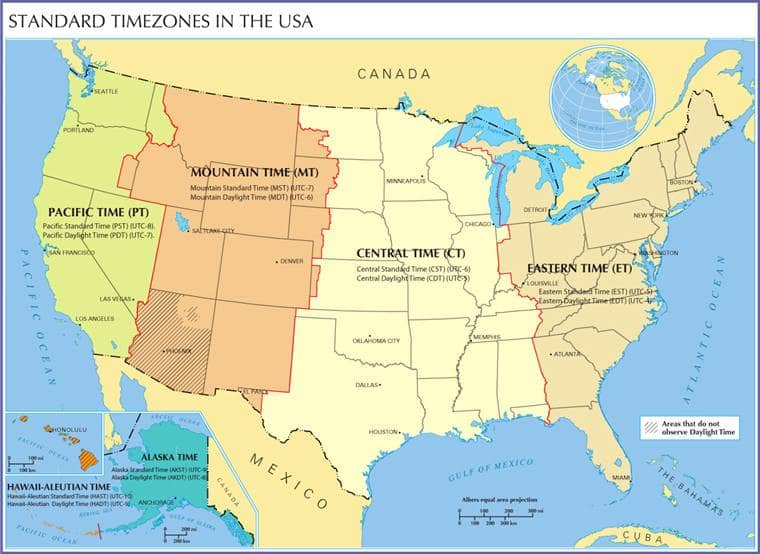
The short answer to whether the time changes in Arizona is, predominantly, no. For the vast majority of the state, Daylight Saving Time is not observed. This means that while other states “spring forward” in March and “fall back” in November, Arizona maintains a consistent clock year-round. This practice places Arizona in a unique position within the national time system, fluctuating between aligning with Pacific Time (PT) and Mountain Time (MT) depending on the season.
Arizona’s Stance on Daylight Saving Time
During the period of Daylight Saving Time, which typically runs from mid-March to early November, most of the United States advances its clocks by one hour. However, Arizona does not. This results in the state effectively shifting its time relationship with its neighbors. When DST is in effect elsewhere, Arizona operates on what is commonly referred to as Mountain Standard Time (MST). During this period, MST aligns with Pacific Daylight Time (PDT) and is one hour behind Mountain Daylight Time (MDT). Conversely, when DST ends, and other states revert to Standard Time, Arizona’s MST aligns with Mountain Standard Time (MST) in neighboring states like Colorado and New Mexico. This constant, yet shifting, relationship means travelers must pay close attention to the calendar when planning their journey. For example, during the summer months, Phoenix will be on the same time as Los Angeles, California, but an hour behind Denver, Colorado. In winter, Phoenix will be an hour ahead of Los Angeles and on the same time as Denver. This distinction is critical for travel arrangements, ensuring appointments are met and schedules are not inadvertently disrupted.
Historical Context and Rationale
The decision for Arizona to largely forgo Daylight Saving Time dates back to 1968, following the passage of the Uniform Time Act of 1966, which mandated DST observance for most of the country unless a state Legislature voted to opt out. Arizona chose to exempt itself. The primary reason cited was the extreme summer heat. Advancing the clock an hour would mean the sun would set an hour later, prolonging the intensely hot daylight hours well into the evening. For residents and visitors alike, this would translate to even more uncomfortable temperatures during leisure time and higher energy consumption for air conditioning. By maintaining a consistent time, Arizona ensures that its early mornings remain cooler for outdoor activities and that evenings bring relief from the heat at a more reasonable hour. This practical consideration reflects a deep understanding of the local climate and a commitment to quality of life for its inhabitants and guests.
Navigating Time Zones for Travelers
Understanding Arizona’s unique time zone status is paramount for any traveler. It impacts everything from flight arrival times to the opening hours of attractions and the coordination of tours. Misunderstanding this can lead to missed connections, late arrivals, or simply confusion.
When Arizona Aligns with Pacific Time (PT)
From approximately mid-March to early November, when Daylight Saving Time is in effect across much of the United States, Arizona effectively operates on the same time as California and Nevada. This means if you’re flying into Phoenix Sky Harbor International Airport from Los Angeles or Las Vegas during these months, there will be no time difference. This can be beneficial for travelers coming from the West Coast, eliminating the need to adjust their internal clocks immediately upon arrival. However, it’s crucial to remember that this alignment is only with Pacific Daylight Time (PDT), not Pacific Standard Time (PST). For those traveling from the Mountain Time Zone states that observe DST, such as Utah or Colorado, Arizona will be one hour behind during this period.
When Arizona Aligns with Mountain Time (MT)
From early November to mid-March, when Daylight Saving Time ends and other states revert to Standard Time, Arizona’s Mountain Standard Time (MST) aligns with Mountain Standard Time (MST) in neighboring states. During these months, if you’re traveling to Arizona from New Mexico or Utah, there will be no time difference. Conversely, travelers arriving from the Pacific Time Zone (PST) will find Arizona an hour ahead. This shift in relative time can be particularly perplexing for those who travel to Arizona during different seasons, as their understanding of the time difference might need to be constantly re-evaluated. Always double-check your itinerary against the current date to confirm the precise time difference.
Implications for Flight Schedules and Road Trips
For air travel, all flight schedules are published in local time, so your boarding pass will reflect the correct time at your departure and arrival airports. However, for connecting flights or if you’re picking up rental cars and have pre-booked specific times, being aware of Arizona’s non-observance of DST is crucial. A flight arriving at “10:00 AM Arizona time” might feel earlier or later depending on your point of origin and the time of year. For road trips, particularly those crossing state lines, the time adjustment is even more immediate. Driving from California into Arizona in the summer means your watch should not change, but driving from Utah into Arizona means you gain an hour. The reverse happens in the winter. Modern smartphones and GPS devices typically update automatically, but it’s always wise to verify and understand the shift, especially when planning stops, meals, or reservations close to state borders.
The Navajo Nation: An Important Exception Within Arizona
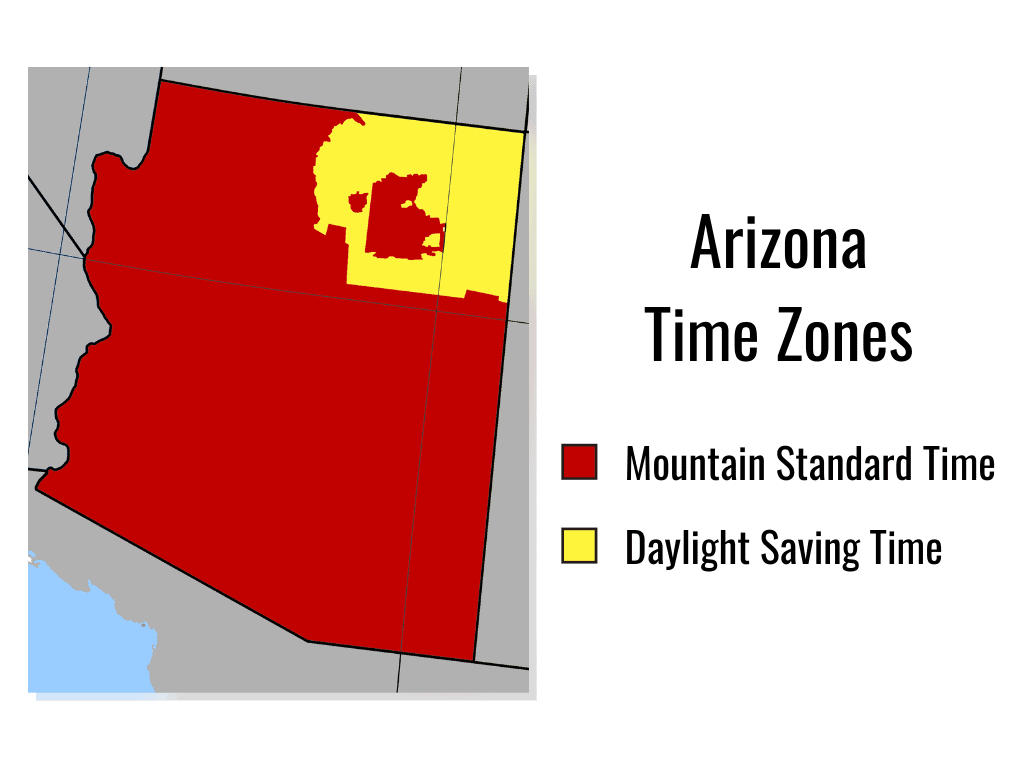
While most of Arizona opts out of Daylight Saving Time, there’s a significant exception that travelers must be aware of: the Navajo Nation. This large autonomous tribal land, which extends into Utah and New Mexico in addition to Arizona, does observe Daylight Saving Time. This creates a fascinating and potentially confusing time warp within the state itself.
Understanding the Navajo Nation’s DST Observance
The Navajo Nation, unlike the rest of Arizona, adheres to Daylight Saving Time, aligning its clocks with the Mountain Time Zone during both standard and daylight saving periods. This means that during the spring and summer months (when DST is active), the Navajo Nation will be one hour ahead of the rest of Arizona that does not observe DST. For instance, when it’s 2 PM in Flagstaff (outside the Navajo Nation), it will be 3 PM within the Navajo Nation. This can be particularly confusing because the Navajo Nation completely surrounds the Hopi Tribe’s land, which does not observe DST. Therefore, a journey through northeastern Arizona can involve multiple time zone changes over a relatively short distance, creating a sort of “time donut” where you pass into a different time zone, then back again, and potentially into another.
Practical Advice for Visiting Tribal Lands
For travelers exploring iconic destinations like Monument Valley, Canyon de Chelly, or Antelope Canyon, all located within the Navajo Nation, it is imperative to verify the local time. Tour operators, particularly those offering specific departure times for popular attractions, will generally operate on Navajo Nation time. Always confirm the time with your tour guide or accommodation provider in advance. Relying solely on your phone’s automatic time zone updates might not be sufficient due to the complex borders. It’s a good practice to ask locals or check official signage when entering or exiting tribal lands to ensure you are operating on the correct schedule. Missing a booked tour because of a time zone miscalculation can be a frustrating and costly mistake.
Planning Your Arizona Itinerary with Time in Mind
Successfully navigating Arizona’s time situation allows travelers to maximize their enjoyment of the state’s diverse attractions, from the vibrant urban centers of Phoenix and Tucson to the breathtaking natural wonders of the Grand Canyon and Sedona.
Adjusting for Sunrise and Sunset in a Non-DST State
One of the significant advantages of Arizona’s non-observance of DST is the consistency of sunrise and sunset times relative to the clock. During the summer months, when most other states have later sunsets due to DST, Arizona experiences earlier sunsets. This can be beneficial for travelers seeking to enjoy cooler evening temperatures for outdoor dining, stargazing, or simply relaxing after a day of exploration. Conversely, mornings tend to start earlier, making it ideal for those who prefer to get a head start on hiking or sightseeing before the midday heat sets in. For photography enthusiasts, understanding these consistent sunset and sunrise patterns is vital for capturing the perfect “golden hour” shots. Always check local sunrise/sunset times, but know they will follow a more predictable clock-based pattern than in DST-observing regions.
Communication with Local Businesses and Guides
When booking accommodations, tours, or making reservations for dining, always clarify whether the stated times are local Arizona time or, if applicable, Navajo Nation time. While most businesses catering to tourists are accustomed to visitors’ confusion and are often proactive in clarifying, it never hurts to double-check. Confirming pick-up times for excursions, spa appointments, or dinner reservations can prevent misunderstandings and ensure your travel plans unfold smoothly. Many establishments in key tourist hubs are adept at guiding visitors through the time nuances, but a proactive approach on your part will undoubtedly enhance your peace of mind.

Recommended Tools and Apps for Time Zone Management
Modern technology offers excellent solutions for managing time differences. Your smartphone’s built-in clock and calendar apps will generally update automatically when you cross into a new time zone (or, in Arizona’s case, when other time zones shift around you). However, it is prudent to manually add a clock for Phoenix and another for a city within the Navajo Nation (e.g., Window Rock) to your world clock display. This visual reference allows for quick and easy comparison. Additionally, reliable weather apps often display local time, which can serve as another quick check. For those planning complex itineraries, a physical watch set to local Arizona time can be a comforting backup, ensuring you’re always aware of the current hour, especially if venturing into areas with spotty cellular service where automatic updates might lag. By staying informed and utilizing available tools, travelers can fully immerse themselves in the beauty and adventure Arizona offers, without the unnecessary stress of time zone missteps.
LifeOutOfTheBox is a participant in the Amazon Services LLC Associates Program, an affiliate advertising program designed to provide a means for sites to earn advertising fees by advertising and linking to Amazon.com. Amazon, the Amazon logo, AmazonSupply, and the AmazonSupply logo are trademarks of Amazon.com, Inc. or its affiliates. As an Amazon Associate we earn affiliate commissions from qualifying purchases.