
Applying for homestead exemption in Florida is a significant step for property owners seeking substantial tax savings. This valuable benefit, often referred to as homestead tax exemption, allows eligible homeowners to reduce their property tax liability by excluding a portion of their home’s assessed value from taxation. Understanding the nuances of the application process, eligibility requirements, and the benefits it confers is crucial for any Florida resident who owns their primary residence. This guide aims to demystify the process, providing a comprehensive overview for a smooth and successful application.
Understanding Florida Homestead Exemption
The homestead exemption in Florida is more than just a tax break; it’s a fundamental right designed to protect homeowners and encourage stable residency. Enshrined in the Florida Constitution, it provides two primary benefits:
Property Tax Reductions
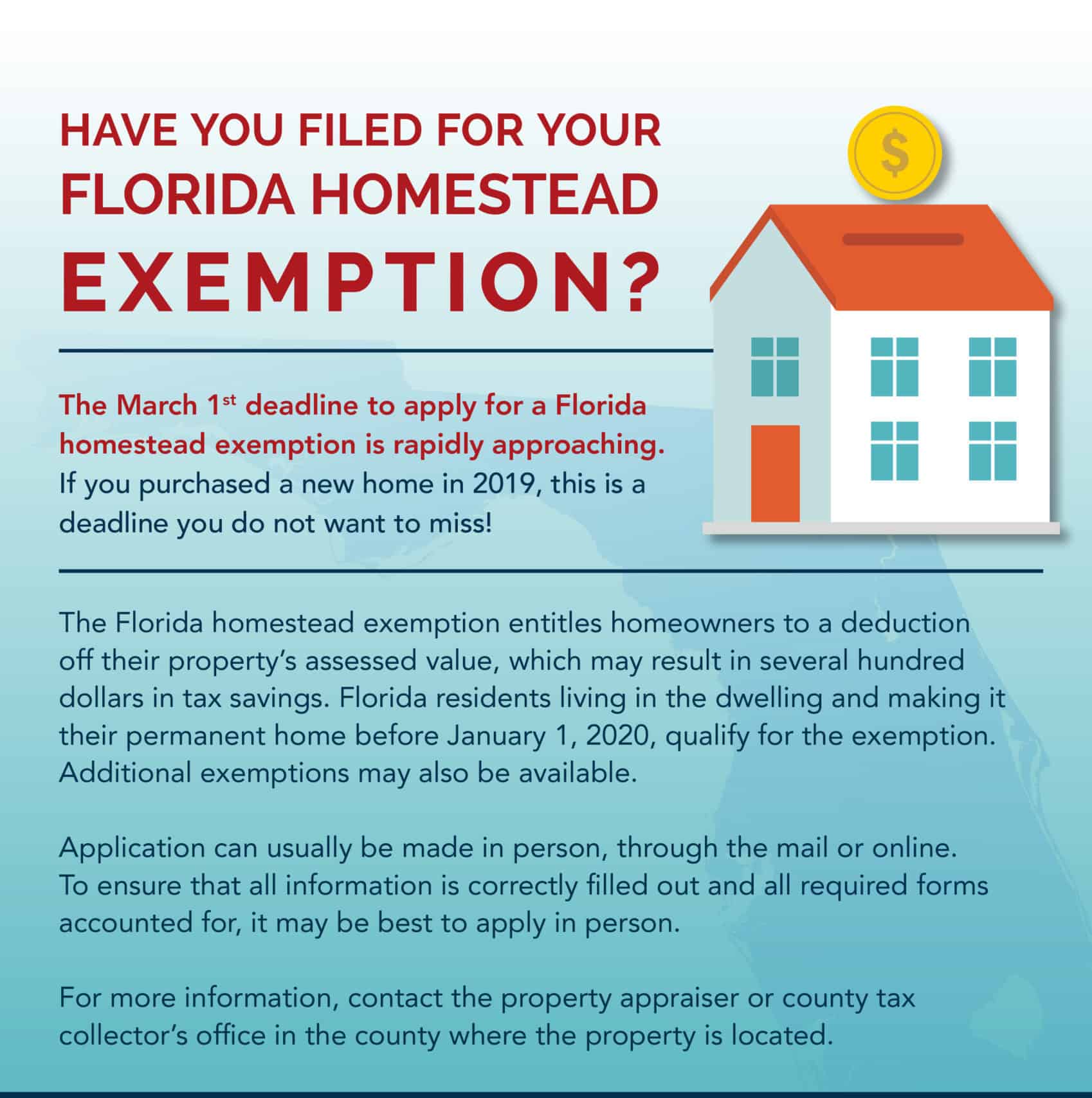
The most immediate and tangible benefit of homestead exemption is the reduction in property taxes. For the tax year 2023, the first $25,000 of a home’s assessed value is exempt from all taxation. Additionally, the next $25,000 to $50,000 of assessed value is exempt from non-school taxes. This means that for homes with an assessed value of $50,000 or more, homeowners can see a significant reduction in their tax bill, particularly for taxes levied by cities and counties.
For example, if your home has an assessed value of $200,000:
- The first $25,000 is exempt from all taxes.
- The next $25,000 (from $25,001 to $50,000) is exempt from non-school taxes.
This can translate into hundreds, if not thousands, of dollars saved annually. The actual savings depend on the tax rates set by your local taxing authorities (county, city, school district).
Protection Against Creditors
Beyond tax savings, homestead property is also protected from forced sale to satisfy most debts. This protection is a cornerstone of Florida law, ensuring that a primary residence is shielded from creditors in cases of bankruptcy, judgments, and other financial liabilities. However, it’s important to note that this protection does not extend to all debts. Mortgages, property taxes, federal liens, and assessments for improvements to the property are exceptions.
Portability of Homestead
Another significant advantage, especially for those considering a move within Florida, is the portability of homestead benefits. If you sell your homestead property and purchase a new one in Florida within a certain timeframe (typically the same calendar year), you may be able to transfer your Save Our Homes (SOH) assessment difference to your new property. This means that your new property’s assessed value for tax purposes will be closer to its purchase price rather than being artificially inflated by market increases since the previous assessment. This feature can be a substantial financial advantage when relocating.
Eligibility Requirements for Homestead Exemption
To qualify for homestead exemption, property owners must meet several strict criteria. These requirements are designed to ensure that the exemption is granted only to those who genuinely use the property as their permanent residence.
Primary Residence
The most critical requirement is that the property must be your permanent residence. This means you intend to live in the home indefinitely and do not have another primary residence elsewhere. The Florida Department of Revenue defines “permanent residence” as the place where you reside permanently and where you intend to return whenever you are away.
Ownership and Residency Date
You must own the property by January 1st of the tax year for which you are applying. Furthermore, you must have established residency in the property by January 1st of that same tax year. If you purchase a property after January 1st, you will not be eligible for homestead exemption until the following tax year.
Single Primary Residence
You can only claim homestead exemption on one property in Florida. If you own multiple properties, you must designate which one will be your primary residence.
Legal Occupancy
The property must be legally occupied by the owner. This means you cannot rent out the entire property and claim it as your homestead while living elsewhere.
No Other Homestead Exemption
You cannot claim homestead exemption on a property in another state if that property also benefits from a homestead exemption there.
Age and Disability Considerations (Additional Exemptions)
While the general homestead exemption has the requirements listed above, Florida offers additional homestead exemptions for specific individuals who may face unique financial challenges. These can provide further reductions in property taxes and often have slightly different or additional eligibility criteria.
- Widow/Widower Exemption: Available to surviving spouses who have not remarried.
- Disability Exemption: For individuals who are permanently disabled. This often requires documentation from a qualified physician.
- Blind Person Exemption: For individuals who are legally blind.
- Veteran Exemptions: Various exemptions are available for veterans, particularly those with service-connected disabilities. The level of exemption often depends on the percentage of disability.
- Senior Citizen Exemption: Some counties or cities offer additional homestead exemptions for senior citizens, often based on income limitations and age.
These additional exemptions often stack with the general homestead exemption, providing further tax relief. It is essential to inquire with your local property appraiser’s office about the specific requirements and documentation needed for these specialized exemptions.
The Application Process: Step-by-Step
Applying for homestead exemption in Florida is a straightforward process, but it requires attention to detail and timely submission.
Step 1: Gather Necessary Documentation
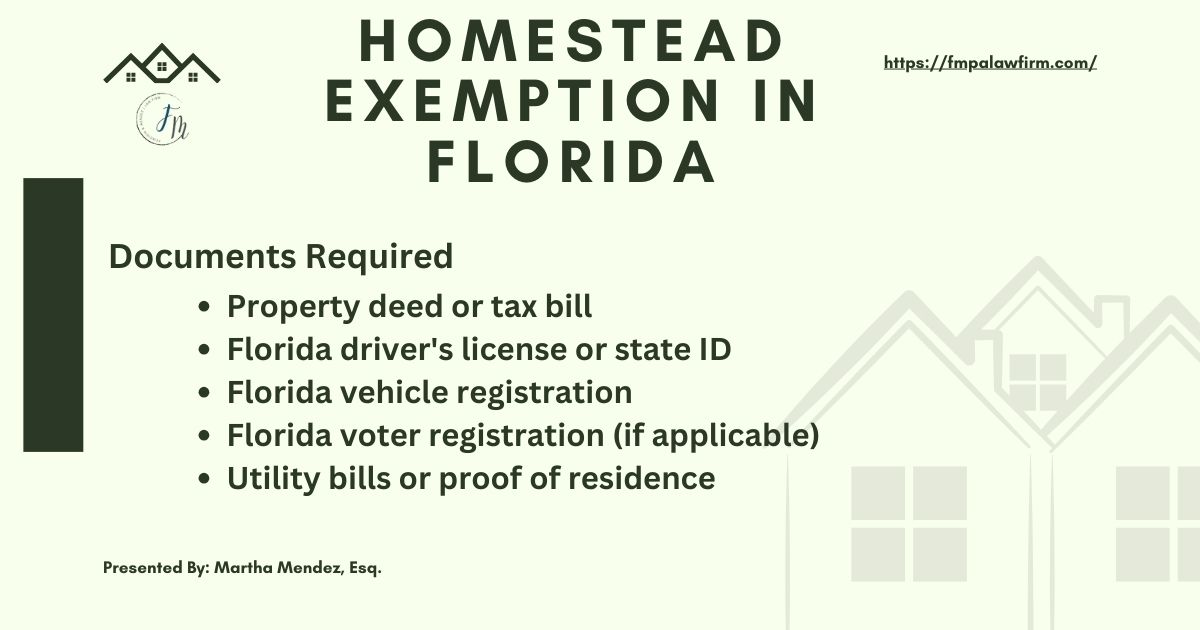
Before you begin your application, ensure you have the following documents readily available:
- Proof of Ownership: Your property deed or title.
- Social Security Number: Your Social Security number and those of any co-owners who will reside on the property.
- Vehicle Registration: Florida driver’s license or state-issued ID, and vehicle registration for each vehicle owned and registered in Florida. This is a key indicator of residency.
- Voter Registration: Florida voter registration card, if applicable.
- Proof of Residency: Utility bills, bank statements, or other official documents showing your name and the property address.
- Disability or Other Special Exemption Documentation: If applying for additional exemptions (e.g., disability, veteran), you will need the specific certifications or documentation required by your county.
Step 2: Locate Your County Property Appraiser’s Office
Homestead exemption applications are processed at the county level. You will need to apply through the Property Appraiser’s office in the county where your property is located. Most Florida counties have their Property Appraiser’s websites, which offer online application portals and downloadable forms.
Step 3: Complete the Application Form
You can typically apply for homestead exemption in one of three ways:
- Online: Many counties offer a secure online portal for submitting your homestead application. This is often the fastest and most convenient method.
- By Mail: You can download the application form from your county’s Property Appraiser website and mail it in.
- In Person: You can visit the Property Appraiser’s office to fill out and submit the application.
The application form will ask for personal information, property details, and confirmation that you meet all eligibility requirements. Be sure to fill out the form completely and accurately.
Step 4: Submit Your Application by the Deadline
The deadline for applying for homestead exemption for a given tax year is March 1st. For example, to receive the exemption for the 2024 tax year (which begins January 1, 2024), you must submit your application by March 1, 2024. If you miss the deadline, you will have to wait until the following year to apply. However, if you were eligible on January 1st and missed the March 1st deadline, you can still apply after March 1st, and your exemption will be retroactive to January 1st of that year, but you will only receive a partial exemption for that tax year. It is always best to apply as early as possible.
Step 5: Verification and Approval
Once your application is submitted, the Property Appraiser’s office will review it and verify your eligibility. They may contact you if they require additional information or documentation. If your application is approved, you will receive confirmation. The exemption will then be reflected on your annual property tax bill.
Step 6: Annual Renewal (Usually Automatic)
In most cases, once you have been granted homestead exemption, it automatically renews each year. You are generally not required to reapply annually unless your circumstances change (e.g., you move to a new primary residence, get married/divorced, or pass away). However, if you receive any notices from your Property Appraiser’s office requesting re-verification of your residency or other details, it’s crucial to respond promptly to maintain your exemption.
Common Pitfalls and Important Considerations
While the process is generally straightforward, homeowners should be aware of common pitfalls and important considerations to ensure a smooth experience.
Misunderstanding Residency Requirements
The most common mistake is not fully understanding the “primary residence” requirement. Owning a vacation home or a rental property in Florida does not make it eligible for homestead exemption if it’s not your primary dwelling. Authorities may conduct audits, and misrepresenting your primary residence can lead to penalties and back taxes.
Missing the Deadline
As mentioned, the March 1st deadline is firm. Procrastination can lead to a lost year of significant tax savings. Mark your calendar and start the process well in advance.
Not Reporting Changes
Any changes in your residency status, marital status, or property use must be reported to the Property Appraiser’s office. Failure to do so can result in the termination of your exemption and potential penalties.
Applying for Multiple Homesteads
Claiming homestead exemption on more than one property in Florida, or in another state where you also claim homestead, is illegal and can lead to severe consequences.
Understanding the Save Our Homes (SOH) Cap
The Save Our Homes Act caps the annual increase in assessed value for homestead properties at the lesser of 3% or the Consumer Price Index (CPI) percentage change for the previous year. This cap helps protect homeowners from rapid property value increases from drastically inflating their tax bills. However, if you move to a new homestead property, the SOH cap on the new property will be based on its assessed value at the time of purchase, and the SOH difference from your previous property may be transferable, effectively limiting the increase to the market value on the new home.

Seeking Assistance
If you have any doubts or unique circumstances, don’t hesitate to contact your local Florida Property Appraiser’s office. Their staff are the experts and can provide personalized guidance to ensure you meet all requirements and receive the tax benefits you are entitled to. Websites like FloridaPropertyAppraisers.org can help you find your local office.
By understanding the benefits, eligibility, and application process, Florida homeowners can successfully secure homestead exemption, enjoying the significant property tax savings and legal protections it offers. This proactive step is a cornerstone of responsible homeownership in the Sunshine State.
LifeOutOfTheBox is a participant in the Amazon Services LLC Associates Program, an affiliate advertising program designed to provide a means for sites to earn advertising fees by advertising and linking to Amazon.com. Amazon, the Amazon logo, AmazonSupply, and the AmazonSupply logo are trademarks of Amazon.com, Inc. or its affiliates. As an Amazon Associate we earn affiliate commissions from qualifying purchases.