
Exploring the vibrant landscapes and diverse attractions of California often involves sampling its vast culinary scene, from farm-to-table restaurants to quick-service eateries. For many travelers and residents, understanding payment options, including the use of Electronic Benefits Transfer (EBT) cards, is crucial for managing food expenses. This guide delves into the specifics of using EBT for prepared meals, particularly at establishments like Wingstop, within the Golden State, offering vital insights for tourists and locals alike.
Understanding EBT and SNAP Benefits for Visitors to California
The EBT system is the digital backbone for distributing food benefits, primarily through the Supplemental Nutrition Assistance Program (SNAP), previously known as food stamps. While EBT primarily targets low-income individuals and families, understanding its functionality, especially when traveling, can be invaluable.

What is EBT and How Does it Work?
EBT cards function much like debit cards. Beneficiaries receive a monthly allotment of SNAP funds loaded onto their card, which can then be used to purchase eligible food items at authorized retailers. The primary intention of SNAP is to help households purchase groceries for home preparation, ensuring access to nutritious food. This typically means raw ingredients, fresh produce, dairy products, and other staple foods found in supermarkets or grocery stores.
The distinction between “groceries” and “prepared foods” is paramount when discussing EBT usage. Generally, SNAP benefits cannot be used to purchase hot, prepared foods or items meant for immediate on-site consumption, such as those typically found at fast-food restaurants or deli counters offering ready-to-eat meals. This federal guideline underpins much of the confusion surrounding EBT and restaurant purchases.
EBT Portability Across States
A common question for travelers is whether their EBT benefits are valid outside their home state. The good news is that SNAP benefits are federally funded, making them portable across all 50 U.S. states, the District of Columbia, Guam, and the U.S. Virgin Islands. This means if you’re visiting California from, say, Arizona or New York, your home state’s EBT card will generally work at authorized grocery stores and farmers’ markets throughout California, just as it would in your state of residence.
However, while the benefits themselves are portable, the specific programs that allow EBT use at restaurants, such as the Restaurant Meals Program (RMP), are state-specific. This crucial distinction means that even if you qualify for RMP in your home state, those specific restaurant-use privileges do not automatically transfer when you visit California. Instead, you would need to meet California’s RMP eligibility criteria and use an RMP-approved restaurant within California.
EBT and Restaurant Purchases: The California RMP
The standard federal guidelines for SNAP generally prohibit the purchase of hot, prepared foods from restaurants. However, an exception exists: the Restaurant Meals Program (RMP). This program allows certain eligible SNAP recipients to use their EBT cards to purchase prepared meals at participating restaurants.
The General Rule: Groceries vs. Prepared Foods
As previously noted, the fundamental principle of SNAP is to facilitate the purchase of groceries for preparation and consumption at home. This includes items like fruits, vegetables, meats, dairy, breads, cereals, and non-alcoholic beverages. Items that are typically excluded are hot foods, foods sold for immediate consumption (even if cold, like a pre-made sandwich from a deli if it’s considered “prepared for immediate consumption”), and non-food items like alcohol, tobacco, vitamins, pet food, or household supplies. This distinction is vital because restaurants predominantly sell prepared, often hot, food items.
California’s Restaurant Meals Program (RMP)
California is one of the states that has adopted the Restaurant Meals Program. The California RMP is designed to help elderly, disabled, and homeless SNAP recipients who may have difficulty preparing meals at home. For these individuals, the RMP provides a critical avenue for accessing nutritious food.
To qualify for the RMP in California, an individual must meet specific criteria:
- Homeless: Lacking a fixed, regular, and adequate nighttime residence.
- Elderly: All adult members of the SNAP household are 60 years of age or older.
- Disabled: All adult members of the SNAP household receive federal or state disability benefits (e.g., SSI, SSP, Social Security disability, or Veterans Administration disability benefits).
It is important to note that the RMP is implemented at the county level in California. Not all counties participate, and within participating counties, not all restaurants are authorized RMP vendors. This localized implementation means that while a specific Wingstop might participate in one county, another location just across the county line might not.
Wingstop’s Stance on EBT in California
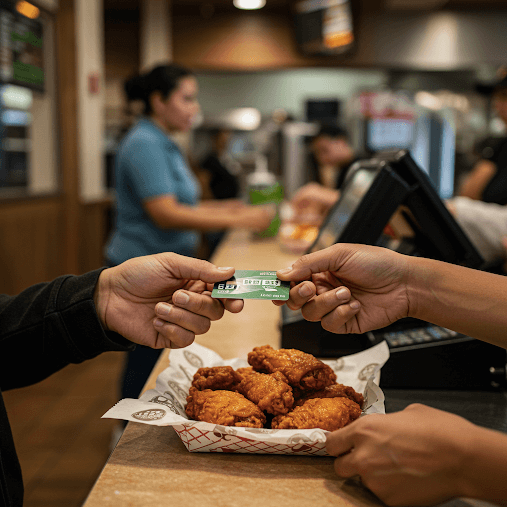
Given the distinctions between general EBT use and the RMP, the question of whether Wingstop accepts EBT in California becomes contingent on its participation in the state’s Restaurant Meals Program.
Is Wingstop an Approved RMP Vendor?
Generally, fast-food chains like Wingstop are not the typical participants in the Restaurant Meals Program. The RMP often sees participation from smaller, local eateries or specific cafeteria-style establishments that cater more directly to the program’s target demographics. While it is theoretically possible for any restaurant to apply and become an RMP vendor if they meet the state and county criteria, it is not common for large national chains with standardized operations to extensively participate.
The primary reason for this limited participation is often logistical and economic for the restaurants. Becoming an authorized RMP vendor involves specific agreements with the state and county, as well as modifications to their point-of-sale systems to correctly process EBT transactions for eligible customers only. Many larger chains might find this too complex or not aligned with their business model.
Therefore, for a Wingstop location to accept EBT, two conditions must be met:
- The specific Wingstop location must be situated in a California county that participates in the RMP.
- That specific Wingstop location must have formally applied and been approved as an authorized RMP vendor by the county.
Without these two conditions, Wingstop, like most other fast-food restaurants, will not accept EBT for prepared meals in California. Customers would typically need to pay using cash, credit, or debit cards.
How to Confirm RMP Participation at Specific Locations
If you are an eligible RMP recipient and wish to determine if a specific Wingstop or any other restaurant participates, the best course of action is to:
- Check with the County: Contact the county social services or SNAP office in the specific California county you are visiting or residing in. They maintain updated lists of participating restaurants.
- Look for Signage: Authorized RMP restaurants are often required to display signage indicating their participation.
- Ask Directly: When in doubt, the most straightforward approach is to directly ask the restaurant staff before ordering if they accept EBT as part of the Restaurant Meals Program. It’s crucial to specify “Restaurant Meals Program” as simply asking “Do you take EBT?” might lead to confusion, as some establishments might confuse it with WIC or similar programs.
Navigating Food Options with EBT While Exploring California
For visitors to California who rely on EBT for their food budget, strategic planning can ensure convenient access to meals while exploring the state’s diverse attractions.
Alternative EBT Friendly Dining Options for Tourists
Even if fast-food establishments like Wingstop generally don’t accept EBT, there are numerous ways to leverage your benefits for satisfying meals:
- Grocery Stores: Your EBT card is widely accepted at major grocery chains (e.g., Safeway, Ralphs, Vons, Walmart) and smaller markets across California. You can purchase ingredients for picnics, sandwiches, and simple meals to prepare at your accommodation if it has kitchen facilities, or for on-the-go consumption.
- Farmers’ Markets: Many certified farmers’ markets in California accept EBT, often participating in programs that double the value of SNAP dollars for fresh produce (e.g., Market Match). This is an excellent way to experience local culture, get fresh, healthy food, and stretch your benefits.
- Deli Counters in Grocery Stores: While hot, prepared deli foods are typically excluded, many grocery store delis offer cold sandwiches, salads, and pre-packaged meals that may be eligible for EBT if they are considered “cold food items for home consumption.” Always check with the store or look for clear signage.
- Convenience Stores: Some convenience stores, especially those affiliated with gas stations or larger chains, are authorized to accept EBT for eligible grocery items. This can be useful for quick snacks, drinks, or basic meal components while on the road.
Maximizing Your EBT Benefits for Travel Provisions
When traveling through California with EBT, consider these tips to make the most of your benefits and ensure convenient access to food:
- Plan Ahead: Before embarking on your journey or exploring a new city, identify local grocery stores or farmers’ markets that accept EBT. Apps and online directories can help locate these retailers.
- Pack Smart: If your accommodation allows, consider purchasing groceries to prepare some of your own meals. This is often more cost-effective and ensures you have access to preferred foods. Pack non-perishable snacks and drinks that you can purchase with EBT to carry with you during sightseeing.
- Budgeting: Allocate your EBT funds for eligible grocery items and set aside cash or debit for any prepared meals or restaurant visits you might choose to make.
- Understand Local Rules: Remember that while your EBT is portable, the Restaurant Meals Program eligibility and participating restaurants are specific to California counties. If you believe you qualify for RMP, verify county participation and approved vendor lists.
In conclusion, while the prospect of using EBT at a fast-food restaurant like Wingstop in California is generally limited to specific RMP-eligible individuals and participating locations, understanding the program’s nuances can empower tourists and residents alike to effectively manage their food expenses while enjoying all that California has to offer. Prioritizing grocery purchases and leveraging the extensive network of EBT-accepting food retailers remains the most reliable strategy.
LifeOutOfTheBox is a participant in the Amazon Services LLC Associates Program, an affiliate advertising program designed to provide a means for sites to earn advertising fees by advertising and linking to Amazon.com. Amazon, the Amazon logo, AmazonSupply, and the AmazonSupply logo are trademarks of Amazon.com, Inc. or its affiliates. As an Amazon Associate we earn affiliate commissions from qualifying purchases.