
California’s Wildfire Landscape: A Perennial Concern for Tourism
California’s breathtaking natural beauty and diverse landscapes make it a premier global destination, drawing millions of visitors each year to its sun-drenched beaches, towering redwood forests, and vibrant cities. However, the state is also prone to a distinct wildfire season, a natural phenomenon significantly influenced by its Mediterranean climate, dense vegetation, and increasingly, climate change. For those planning a trip, understanding the current state of these fires and their broader implications for tourism is paramount. The question “How are the fires in California doing?” is not merely about environmental status but a vital inquiry for safe and enjoyable travel.

Understanding the Seasons and Severity
Wildfires are an integral part of California’s ecosystem, with natural fire cycles traditionally playing a role in forest health. However, recent decades have seen an alarming increase in the frequency, intensity, and destructiveness of these events. The primary wildfire season typically spans from late spring through late autumn, peaking during the hot, dry summer months and extending into periods characterized by Santa Ana winds in Southern California and Diablo winds in Northern California. These wind events can rapidly spread embers, turning small blazes into large, fast-moving infernos.
The status of the fires at any given moment is dynamic, with incidents varying in size, containment level, and proximity to populated areas or natural attractions. Official sources like CAL FIRE, the National Interagency Fire Center (NIFC), and local emergency services provide real-time updates on active fires, containment percentages, and forecasted behavior. These reports are crucial for both residents and visitors to gauge the immediate threat and plan accordingly.
Key Factors Influencing Fire Activity
Several interconnected factors contribute to the severity of California’s wildfire season. Prolonged droughts lead to parched vegetation, creating abundant fuel for fires. Warmer temperatures extend the dry season, increasing the window for ignition. Additionally, the buildup of forest fuels due to past fire suppression practices and increasing development in the wildland-urban interface (WUI) put more communities and natural areas at risk. For the tourism sector, these factors translate into potential disruptions, including road closures, park evacuations, and adverse air quality, all of which can significantly alter a planned travel itinerary and experience.
Direct Impact on California’s Premier Tourist Destinations
The reach of California’s wildfires can be extensive, affecting areas far beyond the immediate burn zones. While specific destinations may escape direct damage, indirect impacts like smoke pollution, road closures, and heightened emergency alerts can still deter visitors or necessitate changes to travel plans. Understanding these potential impacts is key for responsible tourism.
National Parks and Wilderness Areas
California is home to some of the nation’s most iconic national parks, including Yosemite National Park, Sequoia National Park, Kings Canyon National Park, and Joshua Tree National Park. These natural treasures are often at the forefront of wildfire concerns. Fires can directly impact these parks, leading to closures of specific trails, campgrounds, or even entire park sections for safety reasons. Smoke from distant fires can also drift into these areas, obscuring views, degrading air quality, and making outdoor activities difficult or unhealthy. Travelers planning visits to these areas must consult park websites and official channels for the latest information on closures, air quality advisories, and any fire restrictions. The majestic giant sequoias, unique to California, are particularly vulnerable, as seen in past fire seasons that tragically affected these ancient groves.
Wine Country and Agricultural Tourism
California’s world-renowned Napa Valley and Sonoma County wine regions have, in recent years, experienced significant wildfire activity. While many vineyards and wineries have demonstrated remarkable resilience, fires can still pose a substantial threat. Beyond direct property damage, smoke taint can affect grape harvests, impacting future wine production. More immediately for tourists, fire events can lead to temporary closures of wineries, restaurants, and hotels, and widespread smoke can diminish the pleasure of outdoor wine tasting and scenic drives through the vineyards. Areas like Santa Barbara and the Central Coast also rely heavily on agricultural tourism and can face similar challenges. Travelers should verify the operating status of specific wineries and accommodations, and be prepared for potential changes to their culinary and viticultural experiences.
Coastal Regions and Urban Centers
Major metropolitan areas such as Los Angeles, San Francisco, and San Diego, along with iconic coastal routes like the Pacific Coast Highway (PCH) through Big Sur, are generally less susceptible to direct fire damage than inland forests. However, they are not immune to the indirect effects. Smoke plumes can travel hundreds of miles, causing hazy skies and poor air quality even in distant cities. This can impact outdoor activities such as beach visits, city tours, and al fresco dining. Road closures due to fires, even if geographically distant, can disrupt travel plans, particularly for those relying on scenic routes for their journey. It’s important for urban travelers to monitor air quality indices (AQI) and be aware of any local health advisories, especially for individuals sensitive to smoke.
Navigating Travel Amidst Fire Season: Tips for Visitors
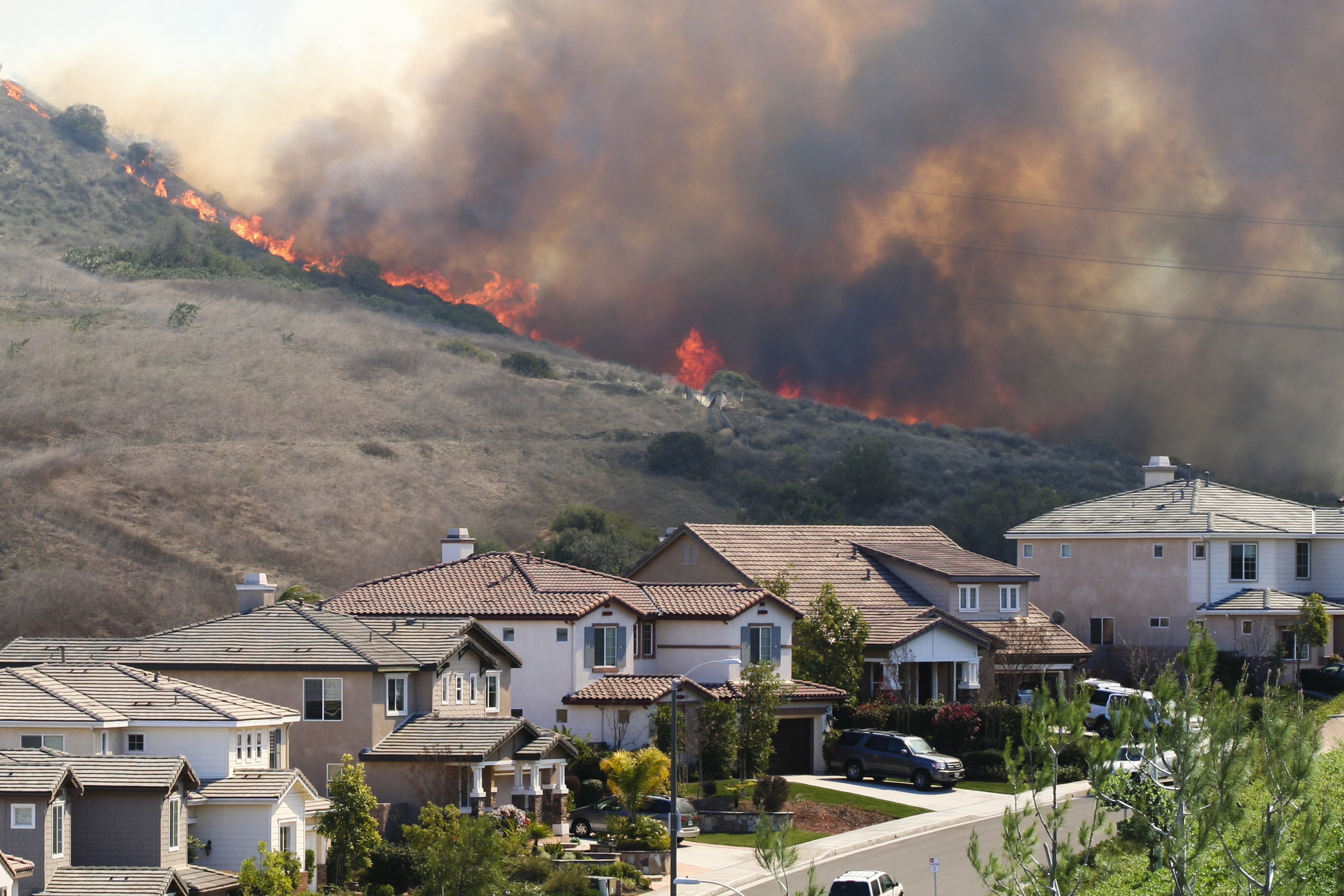
For visitors determined to experience the wonders of California, responsible planning and constant vigilance are essential during wildfire season. By staying informed and prioritizing safety, travelers can still enjoy many aspects of the state while minimizing risks.
Prioritizing Safety and Information
The single most important tip for travelers during fire season is to stay informed. Rely on official sources for the most accurate and up-to-date information. These include:
- CAL FIRE: For statewide fire incident reports and general fire information.
- National Park Service (NPS) websites: For specific park closures, conditions, and advisories.
- Local County Emergency Services: Often provide detailed information about specific fires, evacuation orders, and road closures in their jurisdiction.
- California Office of Emergency Services (CalOES): For broader emergency preparedness and response information.
- Road Condition Websites: Caltrans QuickMap for real-time highway conditions and closures.
- Hotel and Tour Operators: Always confirm directly with your accommodation, tour providers, and attractions regarding their operational status.
Before and during your trip, regularly check these sources. Be flexible with your itinerary, as conditions can change rapidly. If an area is under an evacuation order or advisory, change your plans immediately.
Air Quality and Health Considerations
Smoke from wildfires contains fine particulate matter that can be harmful to health, especially for children, the elderly, and individuals with respiratory or heart conditions. Air quality can vary significantly by location and time of day.
- Check Air Quality Index (AQI): Websites like AirNow.gov provide real-time AQI readings for specific locations, with color-coded alerts indicating air quality levels.
- Limit Outdoor Activity: If the AQI is unhealthy, minimize time outdoors, keep windows and doors closed, and use air conditioning with a clean filter.
- Consider Face Masks: N95 masks can offer some protection against particulate matter in smoky conditions, but consult health guidelines.
Travelers should also consider packing any necessary medications and be aware of nearby medical facilities in case of smoke-related health issues.
Road Closures and Evacuation Routes
Wildfires frequently lead to significant road closures, not only in the immediate vicinity of the fire but also on major thoroughfares used by emergency personnel.
- Plan Alternate Routes: Always have backup routes planned, especially when traveling through fire-prone areas.
- Heed Closures and Evacuation Orders: Never attempt to bypass road closures or enter areas under evacuation orders, even if they appear clear. These measures are in place for your safety and to allow emergency services to operate unimpeded.
- Fuel Up: Keep your vehicle’s fuel tank full, as services may be limited or inaccessible during emergencies.
- Emergency Kit: Consider having an emergency kit in your vehicle, including water, snacks, first-aid supplies, and a phone charger.
The Resilience of California’s Tourism Industry
Despite the challenges posed by wildfires, California’s tourism industry demonstrates remarkable resilience. Communities and businesses adapt, rebuild, and continue to welcome visitors, often with enhanced safety protocols and a renewed focus on sustainable tourism practices.
Adaptive Strategies and Local Support
Many tourism-dependent communities have developed sophisticated strategies to manage fire season impacts. This includes investing in early warning systems, creating defensible space around properties, and establishing robust communication networks. Local tourism boards and chambers of commerce work diligently to keep visitors informed and to promote areas that remain unaffected or have recovered. Visitors can play a vital role in supporting these communities by choosing to patronize local businesses, even if their original plans require adjustment. Opting for less fire-prone regions or visiting during off-peak times can also help distribute tourism impact.
Post-Fire Recovery and Restoration Efforts
Once fires are contained, the focus shifts to recovery and restoration. This process can be lengthy, involving ecological restoration, rebuilding infrastructure, and supporting affected residents and businesses. Travelers visiting post-fire areas can contribute to recovery by engaging in responsible tourism, such as purchasing local goods, staying in local accommodations, and respecting restoration efforts. Understanding that some areas may take years to fully recover helps set realistic expectations for visitors. Organizations dedicated to reforestation and environmental restoration also welcome support, offering another avenue for visitors to contribute positively.

Planning Future Visits Responsibly
Looking ahead, the long-term trend suggests wildfires will remain a significant consideration for California travel. Responsible planning means:
- Flexibility: Build flexibility into your travel plans, perhaps opting for refundable bookings or travel insurance.
- Off-Season Travel: Consider visiting during the cooler, wetter months (winter and early spring) when fire risk is typically lower, and crowds are thinner.
- Support Fire-Safe Initiatives: Choose accommodations and businesses that actively participate in fire-safe programs and sustainable practices.
- Education: Educate yourself about fire prevention, such as proper disposal of cigarettes and adherence to campfire regulations in parks and wilderness areas.
- Embrace Other Regions: Explore California’s vast diversity. If one region is affected, many others, from the vibrant urban centers of San Francisco to the deserts of Palm Springs, may be entirely unaffected and offer equally enriching experiences.
Ultimately, while wildfires present a serious challenge, they do not diminish the enduring appeal of California as a world-class destination. With informed planning, a commitment to safety, and a spirit of flexibility, travelers can continue to explore and enjoy the Golden State responsibly, supporting its communities through both challenging times and periods of vibrant growth.
LifeOutOfTheBox is a participant in the Amazon Services LLC Associates Program, an affiliate advertising program designed to provide a means for sites to earn advertising fees by advertising and linking to Amazon.com. Amazon, the Amazon logo, AmazonSupply, and the AmazonSupply logo are trademarks of Amazon.com, Inc. or its affiliates. As an Amazon Associate we earn affiliate commissions from qualifying purchases.