
Navigating the urban landscape of Kansas City requires more than just a GPS; it requires an understanding of how this sprawling Midwestern hub manages its vast network of highways, boulevards, and local streets. Whether you are a resident navigating a daily commute or a visitor looking to explore the Heart of America, road conditions can significantly impact your itinerary. From the rolling terrain of Missouri to the flat stretches crossing into Kansas, the driving experience here is as diverse as the city itself.
Understanding the Kansas City Road Infrastructure
The skeletal structure of transportation in Kansas City is defined by its legacy as a crossroads of the nation. The city boasts a complex grid that blends historic, winding boulevards with high-capacity interstate highways. This combination allows for relatively efficient flow, though it presents unique challenges when weather or construction patterns emerge.

The Interstate System
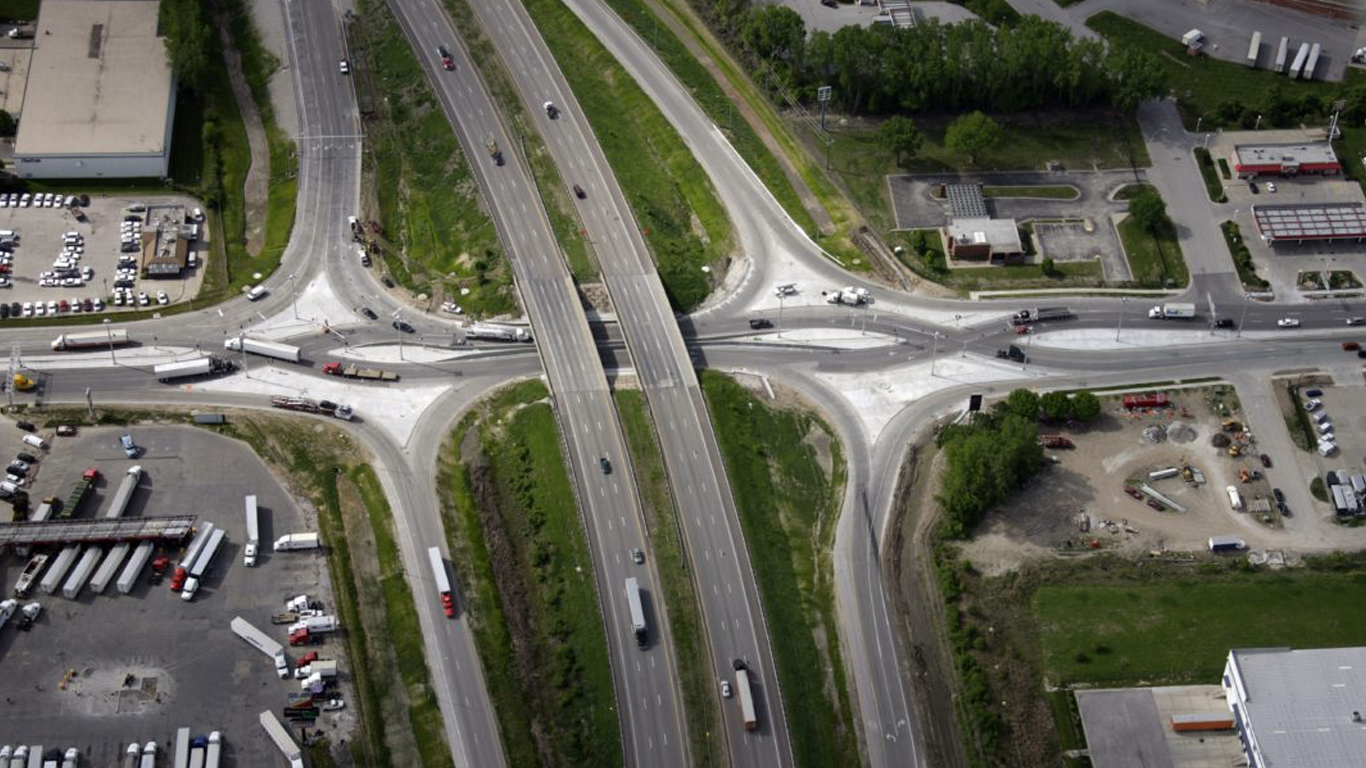
The backbone of regional travel consists of Interstate 70, Interstate 35, and Interstate 435. These arteries facilitate movement between the downtown core and the growing suburbs. Interstate 70 serves as the primary East-West connector, while Interstate 35 facilitates North-South transit. Drivers often find that congestion peaks during standard rush hours, specifically near the Downtown Loop, where traffic from multiple directions converges.
Boulevards and Local Surface Streets
Beyond the highways, the city is famous for its extensive boulevard system, inspired by the City Beautiful movement. These roads are typically wider and offer a scenic alternative to the fast-paced interstates. However, because many of these paths traverse older neighborhoods, they are subject to standard pavement wear and tear, necessitating routine maintenance that can occasionally cause lane closures or localized slowdowns.
Factors Affecting Daily Traffic Conditions
To determine how the roads look on any given day, one must account for the intersection of environmental factors and civic planning. The city’s public works department is highly proactive, yet the sheer scale of the metropolitan area means that conditions change rapidly.
The Impact of Seasonal Weather
Kansas City experiences the full spectrum of Midwestern weather. During the winter months, the primary concern is ice and snow. The city’s Department of Public Works utilizes a tiered priority system for plowing, focusing first on major arterials and emergency routes. If you are traveling during a winter storm, it is essential to check the official Missouri Department of Transportation website to see which roads have been cleared.
During the spring and summer, the focus shifts to road maintenance. Increased rainfall can exacerbate potholes or lead to minor flooding in low-lying areas. Conversely, the summer months are the peak time for long-term infrastructure improvements, including bridge repairs and resurfacing projects that can turn a ten-minute trip into a twenty-minute crawl.

Commuter Volume and Rush Hour Patterns
Traffic patterns in Kansas City are generally manageable compared to coastal mega-cities, but there are distinct hotspots. The junction of Interstate 670 and Interstate 35 frequently experiences bottlenecks. For those commuting from Overland Park or Lee’s Summit, understanding these flow-control points is key to a stress-free journey. Using real-time navigation apps has become the standard for locals, as these tools aggregate data from thousands of drivers to reroute around sudden incidents or construction zones.
Best Practices for Navigating the City
Driving in a major metropolitan area requires a combination of defensive habits and technological assistance. Whether you are headed to the Country Club Plaza for an afternoon of shopping or commuting to the Power and Light District for an evening event, following these tips will ensure you reach your destination smoothly.
Utilizing Real-Time Information
Never leave for a major trip without checking a real-time traffic map. Several state-run portals provide live updates on lane closures, accidents, and construction alerts. For those driving into the city from out of state, the Kansas Department of Transportation offers an excellent resource for tracking road conditions at the border, ensuring that your transition into the Kansas City metro area is seamless.
Understanding Construction Zones
Major infrastructure projects are a sign of a growing city. In recent years, significant efforts have been put into modernizing the bridges connecting Missouri and Kansas. While these projects are vital for long-term safety and efficiency, they necessitate temporary speed reductions. Always adhere to lowered speed limits in these zones, as enforcement is often strictly monitored to protect road crews and motorists alike.
Future Outlook for Kansas City Roads
The city is currently in a phase of significant development, focusing on “complete streets” that accommodate not just automobiles, but also cyclists and pedestrians. This initiative, seen in neighborhoods like Crossroads Arts District, is changing the way we perceive road usage.
Smart City Initiatives
Kansas City has positioned itself as a leader in smart city technology. By integrating sensors and data analytics into traffic light timing and street lighting, the city is actively reducing congestion at major intersections. This modernization effort is ongoing, aiming to reduce idling time and carbon emissions while improving the overall flow of traffic across the metropolitan area.
Planning Your Route
For those visiting from afar, consider staying near central hubs like the Westport area or near the Kansas City International Airport. Staying closer to your primary destinations can minimize your time spent on the highways during peak traffic hours. Always allow for a “cushion” in your schedule, as the unique layout of the city—with its bridges and tunnels—means that a single incident can cause ripple effects throughout the local network.
In conclusion, the roads in Kansas City are generally well-maintained and highly navigable, provided you remain aware of the common ebb and flow of metropolitan traffic. By staying informed through official state resources, utilizing modern navigation tools, and respecting current construction zones, you can enjoy all that this vibrant city has to offer without unnecessary road-related delays. Whether you are here for the world-famous barbecue or the thriving cultural scene, a little bit of preparation goes a long way in ensuring your time behind the wheel is as pleasant as your time exploring the city’s many attractions.
LifeOutOfTheBox is a participant in the Amazon Services LLC Associates Program, an affiliate advertising program designed to provide a means for sites to earn advertising fees by advertising and linking to Amazon.com. Amazon, the Amazon logo, AmazonSupply, and the AmazonSupply logo are trademarks of Amazon.com, Inc. or its affiliates. As an Amazon Associate we earn affiliate commissions from qualifying purchases.