
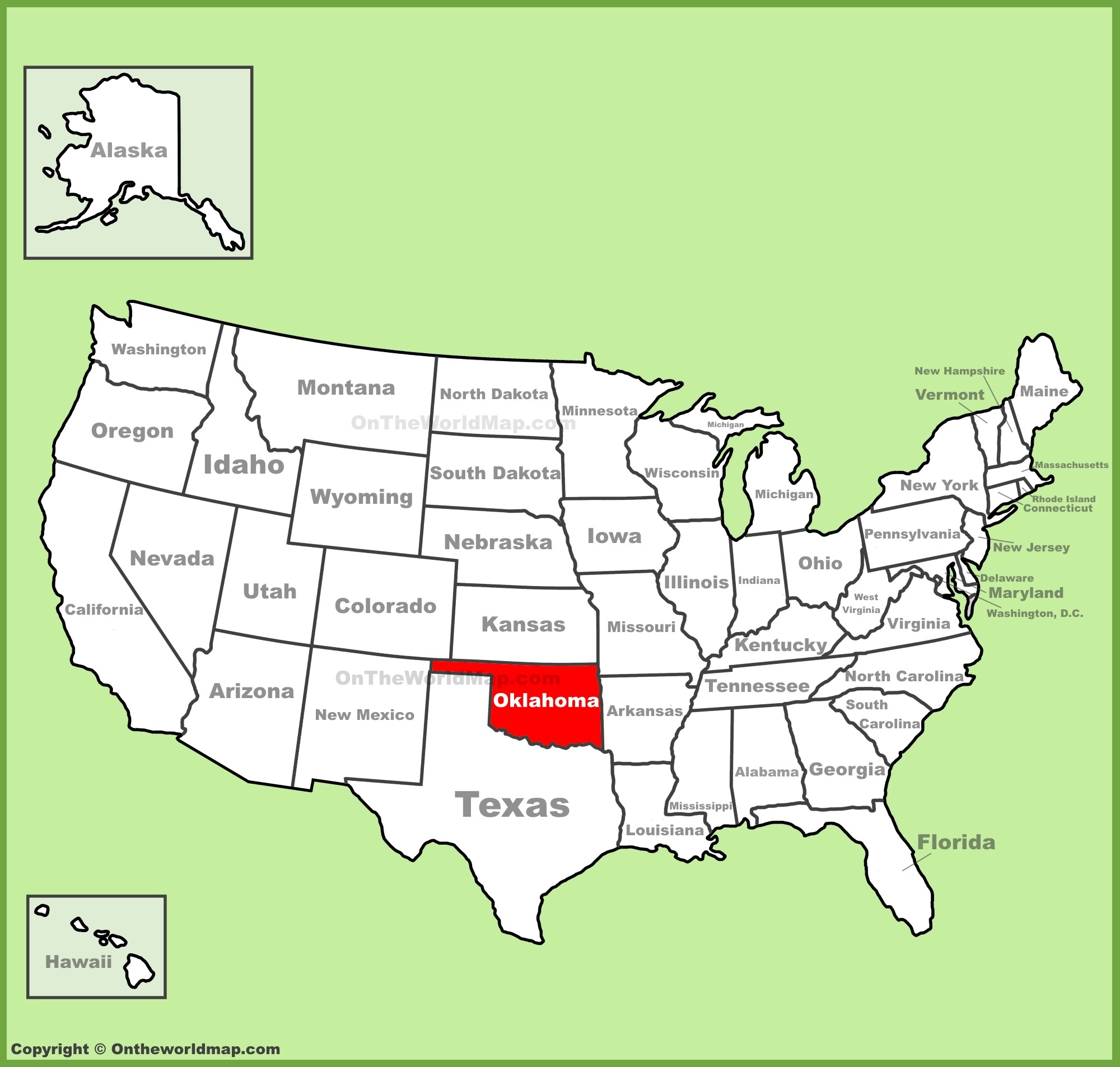
When planning a cross-country journey through the heart of the United States, understanding the spatial relationship between Oklahoma and Georgia is the first step toward a successful itinerary. These two states, while both deeply rooted in the cultural tapestry of the South and the Great Plains, offer vastly different landscapes, atmospheres, and travel experiences. Whether you are traversing the country for a weekend getaway or a long-distance road trip, the journey between these two states is an adventure in itself, spanning over 800 miles of diverse American terrain.
Calculating the Distance: Air vs. Road Travel
To determine exactly how far these two states are, one must first decide on the mode of transportation. The distance between Oklahoma City and Atlanta—the most common starting and ending points for travelers—varies significantly based on whether you are soaring above the clouds or navigating the interstate system.

The Direct Flight Experience
If you are prioritizing efficiency, air travel is the clear winner. The straight-line or “as the crow flies” distance between the two capitals is approximately 750 to 800 miles. A direct flight typically takes between two and two-and-a-half hours. This allows travelers to transition from the rugged, wind-swept prairies of the Sooner State to the lush, pine-covered hills of the Peach State in a single morning. Major hubs like Hartsfield-Jackson Atlanta International Airport serve as the primary gateway, connecting Oklahoma to the wider Southeastern United States.
The Road Trip Reality
For those who prefer the open road, the drive is a substantial undertaking. Depending on your specific starting point in Oklahoma and your final destination in Georgia, you are looking at a journey of roughly 850 to 950 miles. By car, this translates to about 13 to 15 hours of pure driving time, not including necessary stops for fuel, food, and rest. Most road trippers choose to traverse Interstate 40 and Interstate 20, passing through iconic states like Arkansas, Tennessee, and Alabama.
Mapping the Route: Key Regions and Stops
A journey between Oklahoma and Georgia takes you through some of the most historic and geographically diverse corridors in the country. Dividing the trip into segments is the best way to ensure the travel remains enjoyable rather than exhausting.
The Western Segment: From the Plains to the Mississippi
Leaving Oklahoma, travelers are greeted by the rolling hills and expansive skies that define the region. As you head east, the transition from the arid plains into the humid, forested landscapes of Arkansas is striking. Passing through Little Rock offers a perfect mid-point for the first day of driving. The landscape here is characterized by the Ouachita Mountains and the Ozark Plateau, providing a scenic backdrop before you hit the Mississippi River.
The Eastern Segment: Through the Heart of the South
Once you cross into Tennessee, the terrain shifts again. Following Interstate 24 toward Chattanooga provides a beautiful mountain passage. This is an ideal location to stretch your legs and explore the Appalachian Mountains. From Chattanooga, the final leg drops you into the northern reaches of Georgia. The change in architecture, dialect, and culinary traditions—moving from the barbecue-focused culture of Oklahoma to the soul food and deep-fried staples of the Deep South—is a hallmark of this cross-country trek.
Travel Planning: Logistics and Best Practices
Crossing state lines involves more than just calculating mileage; it requires an awareness of the regional variations in weather, traffic, and infrastructure. Whether you are traveling for business or pleasure, careful planning will enhance your experience.
Optimizing Your Timing
Traffic in major metropolitan areas such as Dallas (if your route takes you south) or Atlanta can significantly alter your travel time. Planning your arrival in these cities outside of peak rush-hour windows (7–9 AM and 4–6 PM) can save you hours of sitting in gridlock. Furthermore, weather in the central and southern states can change rapidly, particularly during the spring storm season in Oklahoma or the hurricane remnants that may impact travel in Georgia during late summer and early autumn.
Selecting the Right Pace
Because the drive is roughly 900 miles, attempting to cover the entire distance in a single day is a grueling task that often leads to fatigue. It is highly recommended to split the drive over two days. Staying in a city like Memphis or Nashville allows you to break up the journey and provides an opportunity to experience local culture. By treating the drive as a multi-day excursion rather than a race, you turn a logistical hurdle into an opportunity for sightseeing.
Comparing the Destinations: What to Expect
When you arrive at your destination, you will find that the geography has shaped the local lifestyle in unique ways. Oklahoma is a land of wide-open vistas, vibrant indigenous history, and a booming energy sector. Georgia, conversely, is defined by its historic coastal towns, the bustling urban center of Atlanta, and the rolling terrain of the northern mountains.
Cultural Differences and Landscapes
The distance between the states is not merely spatial; it is cultural. In Oklahoma, travelers often spend time at the National Cowboy & Western Heritage Museum or enjoying the vibrant nightlife of the Bricktown district. In Georgia, the focus often shifts toward the Georgia Aquarium, the historic squares of Savannah, or the stunning vistas of Stone Mountain Park.

Essential Travel Advice
Regardless of whether you choose to fly or drive, ensure your vehicle or flight status is checked well in advance. For road trippers, having a digital map application is vital for navigating around construction zones in Arkansas or heavy traffic on the I-20 corridor. For those flying, Hartsfield-Jackson Atlanta International Airport is one of the busiest in the world, so allow for extra time when arriving and departing.
The distance from Oklahoma to Georgia may seem significant on a map, but the route provides a fascinating cross-section of the American experience. Whether you are looking to immerse yourself in the Plains culture or the storied history of the South, this journey offers something for every type of traveler. By understanding the distances, preparing for the route, and managing your time effectively, you can ensure that your transition between these two distinct American states is as smooth and enjoyable as possible. Enjoy the drive, the sights, and the unique change in perspective that comes with traveling across these beautiful states.
LifeOutOfTheBox is a participant in the Amazon Services LLC Associates Program, an affiliate advertising program designed to provide a means for sites to earn advertising fees by advertising and linking to Amazon.com. Amazon, the Amazon logo, AmazonSupply, and the AmazonSupply logo are trademarks of Amazon.com, Inc. or its affiliates. As an Amazon Associate we earn affiliate commissions from qualifying purchases.