
For many aspiring travelers, the thought of exploring the Golden State conjures images of sun-drenched beaches, majestic national parks, and vibrant city life. However, recent years have introduced a significant variable into this idyllic picture: wildfires. The question, “How bad is California fire?” is a crucial one for anyone planning a trip, as these natural events can profoundly impact travel experiences, safety, and the accessibility of popular destinations. Understanding the reality of California’s wildfire situation is paramount for making informed travel decisions, ensuring a safe journey, and appreciating the resilience of this diverse state.

Understanding the Scope of California’s Wildfire Season
California is a land of incredible natural beauty, characterized by diverse ecosystems ranging from arid deserts to lush forests. This geographical variety, combined with a Mediterranean climate featuring hot, dry summers and strong winds, creates conditions highly susceptible to wildfires. It’s not a question of if fires will occur, but when and where, making it an essential consideration for any travel itinerary.
The Cyclical Nature of Fires in the Golden State
Wildfires are a natural, albeit often devastating, part of California’s ecological cycle. Historically, indigenous populations utilized controlled burns to manage landscapes, a practice that recognized the land’s need for periodic renewal. However, factors such as climate change, prolonged droughts, and increased human encroachment into wildland-urban interfaces have exacerbated the intensity and frequency of fires. What was once a natural process has become a critical challenge, with fire seasons growing longer and more destructive. Travelers need to acknowledge that fire risk is a perennial factor, particularly between late spring and late autumn, and plan accordingly. This doesn’t mean avoiding the state entirely, but rather approaching travel with a heightened awareness and flexibility.
Key Regions Affected by Wildfires
While wildfires can erupt almost anywhere in California, certain regions are historically more prone or experience more significant impacts. Forested areas in the Sierra Nevada mountains, including popular destinations like Yosemite National Park and Sequoia National Park, are often vulnerable. Coastal mountain ranges, especially parts of Big Sur and the hills surrounding Los Angeles, can also face threats. Additionally, the wine regions of Napa Valley and Sonoma County, with their dry vegetation and often windy conditions, have seen significant fire activity. Understanding these patterns helps travelers assess potential risks to their chosen destinations. For instance, while a fire might rage in Northern California, it might have no direct impact on a trip planned for San Diego or Joshua Tree National Park in the south, though air quality could be affected statewide.
Impact on Travel and Tourism in California
The immediate and secondary effects of wildfires on travel can be extensive. From health concerns to logistical nightmares, travelers must be aware of how these events can shape their planned adventures.
Air Quality and Health Concerns for Travelers
One of the most widespread impacts of California wildfires, even for areas not directly threatened by flames, is the degradation of air quality. Smoke plumes can travel hundreds of miles, causing hazy skies and elevated levels of fine particulate matter. For travelers, especially those with respiratory conditions, this can pose significant health risks and detract from outdoor activities. Checking air quality indices (AQI) regularly, particularly in major urban centers like San Francisco or Sacramento, becomes as important as checking the weather forecast. Poor air quality can necessitate a shift from hiking and outdoor exploration to indoor attractions, such as museums or galleries.
Road Closures and Accessibility Issues
Wildfires often necessitate the closure of major highways and scenic routes, disrupting travel plans. Iconic drives like the Pacific Coast Highway through Big Sur, or roads leading into national parks, can be shut down for safety, active firefighting operations, or to allow for damage assessment and repairs. These closures can lead to significant detours, extended travel times, or outright inaccessibility to desired destinations. Travelers should monitor road conditions in real-time using official state resources (e.g., Caltrans) and national park service updates. Flexibility in itinerary planning is key; having alternative routes or destinations in mind can save a trip from being completely derailed.
Threats to Natural Attractions and National Parks
California’s appeal heavily relies on its breathtaking natural landscapes, many of which are preserved in its numerous state and national parks. Wildfires pose a direct threat to these treasures. Parks like Yosemite, Sequoia, Redwood National Park, and areas around Lake Tahoe have all experienced significant fire events, leading to temporary closures, damage to infrastructure, and altered landscapes. Even if a fire doesn’t directly enter a park, heavy smoke can obscure views, and fire-related restrictions can limit access to trails, campgrounds, or specific attractions. Before visiting, always check the official websites of specific parks for current conditions, alerts, and re-opening information.
Safety Measures and Travel Advisories for Visitors
Navigating California during wildfire season requires proactive planning and a commitment to safety. Informed decisions are your best defense against potential disruptions and hazards.
Staying Informed: Reliable Sources for Fire Updates
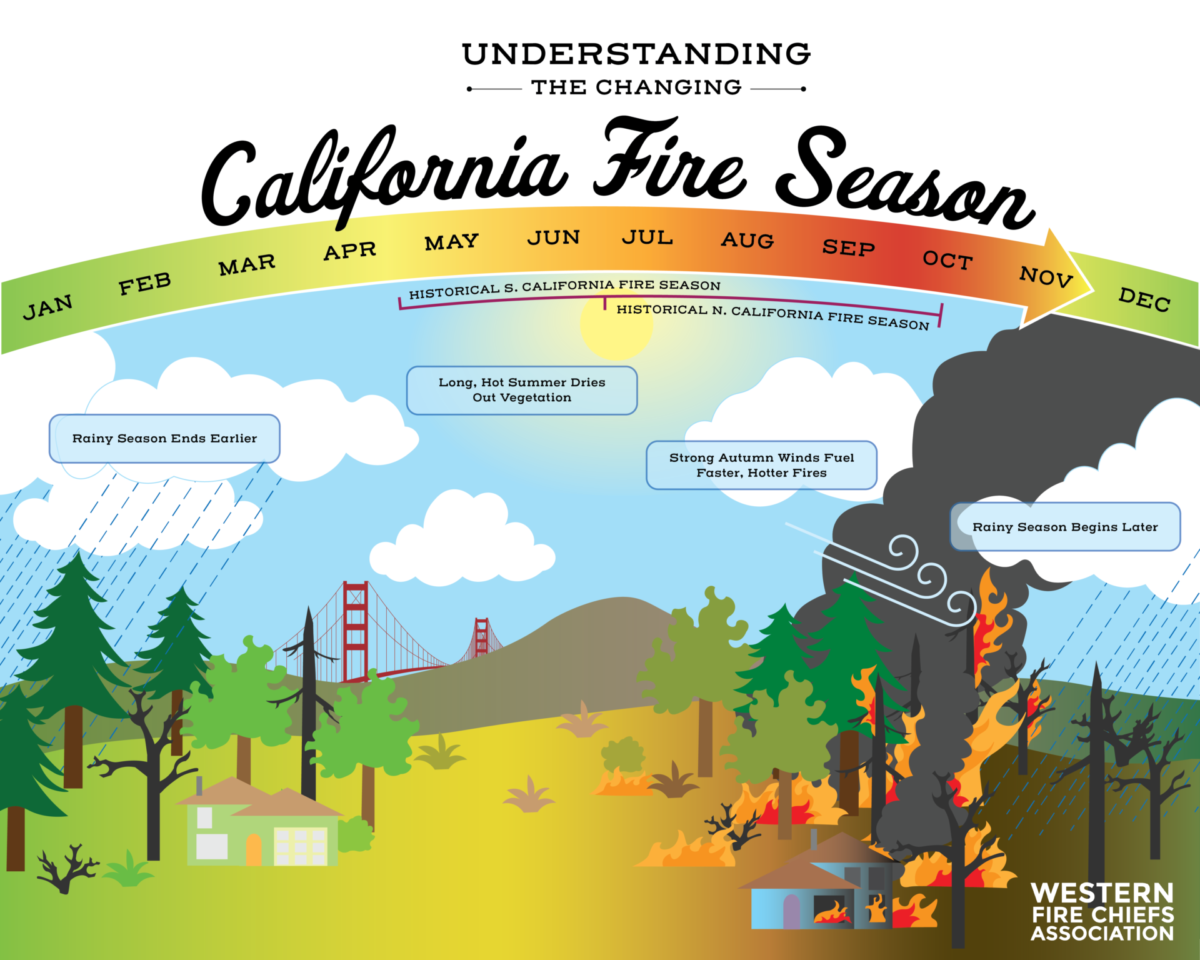
The single most important safety measure for travelers is to stay continuously informed. Rely on official and authoritative sources for fire information, rather than social media rumors. Key resources include:
- Cal Fire: California’s state firefighting agency, which provides real-time incident maps and updates.
- National Interagency Fire Center (NIFC): For a broader overview of fire activity across the Western U.S.
- National Weather Service (NWS): For critical weather forecasts, including red flag warnings (indicating high fire danger).
- Local Emergency Services Websites: For specific county or city alerts, especially if you’re traveling to a particular area like Santa Barbara or San Luis Obispo.
- National Park Service: For updates on specific national parks.
- AirNow.gov: For comprehensive air quality data.
Consistently checking these resources allows travelers to adjust plans dynamically and avoid danger zones.
Evacuation Procedures and Emergency Preparedness
In the rare event that a traveler finds themselves near an active fire, understanding evacuation procedures is critical. Always heed official evacuation orders immediately. Prepare an emergency kit in your vehicle with essentials like water, non-perishable food, a first-aid kit, a face mask (for smoke), important documents, and a fully charged phone with a portable charger. Familiarize yourself with local emergency alert systems for the areas you plan to visit. While it’s highly unlikely for a tourist to be caught in a direct fire line, preparedness ensures peace of mind and safety. Many accommodations, especially in fire-prone areas, will have their own emergency protocols; inquire about these upon check-in.
Travel Insurance and Trip Cancellations
Given the unpredictability of wildfires, travel insurance becomes a valuable consideration. Policies that offer “cancel for any reason” or coverage for natural disasters can provide financial protection if a trip needs to be altered or canceled due to fire activity, smoke, or road closures impacting your destination. Carefully review policy details, as standard travel insurance might not cover disruptions not directly impacting your accommodation or transportation. Understanding your options upfront can alleviate stress and financial loss if California’s fires dictate a change in plans.
Navigating Your California Trip During Fire Season
While the potential for wildfires is a serious concern, it doesn’t mean California is off-limits during fire season. With careful planning and a flexible mindset, you can still enjoy a rewarding travel experience.
Exploring Alternative Destinations and Activities
If your primary destination is affected by fire or smoke, be prepared to pivot. California is vast and diverse. If the mountains are smoky, consider the coast, which often experiences clearer air due to ocean breezes. Instead of a strenuous hike, explore indoor attractions, vineyards not impacted by smoke, or vibrant urban neighborhoods. Los Angeles, San Francisco, San Diego, and other cities offer world-class museums, culinary experiences, shopping, and entertainment that are largely unaffected by distant wildfires, aside from potential air quality issues. Embrace the opportunity to discover lesser-known gems or switch gears entirely.
Supporting Local Communities Post-Fire
When fires devastate a region, the economic impact on local communities, especially those reliant on tourism, can be profound and long-lasting. If a community has recovered and is safe to visit, consider making a conscious effort to support local businesses, restaurants, and attractions. Your tourist dollars can play a significant role in their rebuilding and recovery efforts. Before visiting fire-affected areas, verify they are open to tourists and ready to receive visitors, ensuring your presence is a help, not a hindrance. Many communities welcome visitors as a sign of normalcy and a vital economic boost once the immediate danger has passed.
The Resiliency of California’s Travel Industry
Despite the recurring challenges of wildfires, California‘s travel and tourism industry demonstrates remarkable resilience. Destinations quickly adapt, implement new safety protocols, and innovate to continue offering exceptional experiences. Tour operators, hotels, and attractions often provide flexible booking options or clear communication regarding fire impacts. This adaptability means that while certain areas might be temporarily impacted, the vast majority of California remains open and welcoming to travelers. Engaging with local tourism boards and operators can provide the most up-to-date and nuanced advice for planning your trip.
Beyond the Flames: The Long-Term Outlook for California Travel
While the immediate concern is often “how bad is it now?”, understanding the long-term context of California wildfires is also crucial for future travel.
Restoration Efforts and Ecosystem Recovery
Following a wildfire, nature begins an incredible process of recovery, often aided by extensive human-led restoration efforts. Burned areas can reveal new landscapes, and native flora often thrives in the wake of fire, leading to “superblooms” in subsequent seasons. Travelers interested in ecological resilience may find a visit to a fire-affected area after recovery to be a deeply moving and educational experience. Organizations and state parks are actively involved in replanting and habitat restoration, which travelers can sometimes support through volunteer efforts or donations, further connecting them to the destination.

Adapting to a Changing Climate
The reality is that wildfires are becoming an increasingly significant aspect of California’s climate. The state and its tourism industry are continually adapting through improved forest management, early warning systems, and community-level preparedness. For travelers, this means a shift towards more informed and flexible planning, recognizing fire season as a factor similar to hurricane season in other regions. By staying educated, being flexible, and making responsible choices, travelers can continue to explore and appreciate the unparalleled beauty and diverse experiences that California has to offer, even as it navigates the complexities of a changing environment. The beauty of the state endures, and with careful consideration, so can your adventures within it.
LifeOutOfTheBox is a participant in the Amazon Services LLC Associates Program, an affiliate advertising program designed to provide a means for sites to earn advertising fees by advertising and linking to Amazon.com. Amazon, the Amazon logo, AmazonSupply, and the AmazonSupply logo are trademarks of Amazon.com, Inc. or its affiliates. As an Amazon Associate we earn affiliate commissions from qualifying purchases.