
O’Hare International Airport (ORD) isn’t just an airport; it’s a colossal, pulsating nerve center of global travel, commerce, and human connection. To ask “How big is Chicago Airport?” is to delve into dimensions far beyond mere physical acreage. It’s about comprehending its monumental scale in terms of land area, operational capacity, economic impact, and its profound influence on travel lifestyles and accommodation choices. Serving as a crucial gateway to Chicago, the Midwest, and indeed, the entire United States, O’Hare is a city within a city, a landmark in its own right, and a testament to modern engineering and logistics.
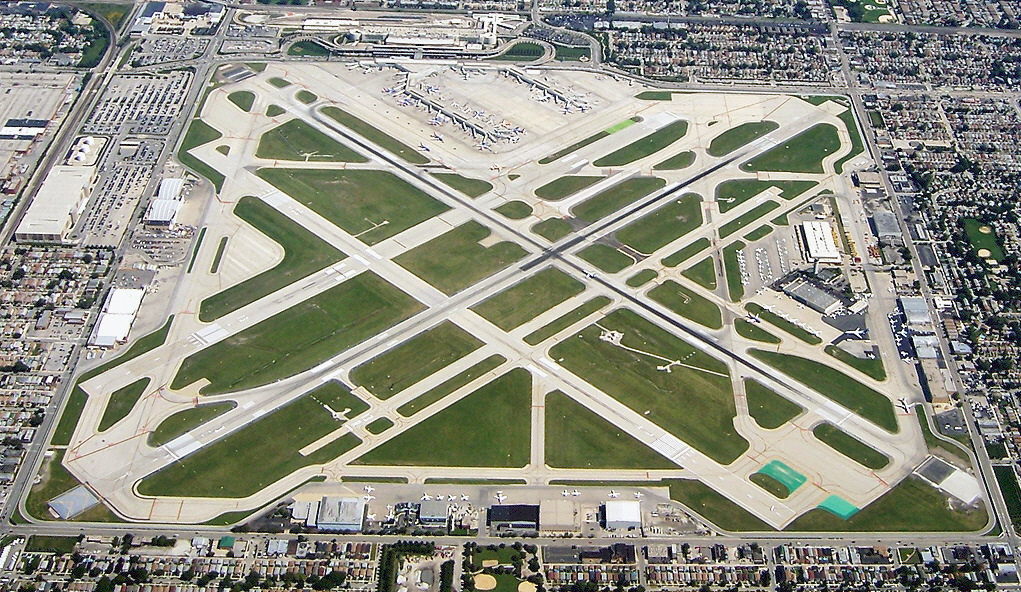
From the moment travelers approach its sprawling complex, the sheer magnitude of O’Hare becomes evident. Its continuous hum of activity, from the roar of departing jets to the endless stream of ground traffic, paints a vivid picture of its operational intensity. For many, it’s the first impression of Chicago, setting the tone for their visit, whether for business or leisure. For others, it’s a familiar transit point, a hub where journeys begin, pause, and continue across continents. This article will explore the multifaceted “bigness” of O’Hare International Airport, revealing why it remains one of the world’s most significant aviation complexes.
The Sheer Scale: Measuring O’Hare’s Immense Footprint
The physical dimensions of O’Hare are staggering, cementing its status as one of the largest airports globally. Its vastness isn’t just a point of pride; it’s a strategic necessity to manage the immense volume of air traffic and passenger flow it accommodates daily.
A Sprawling Landscape of Runways and Facilities
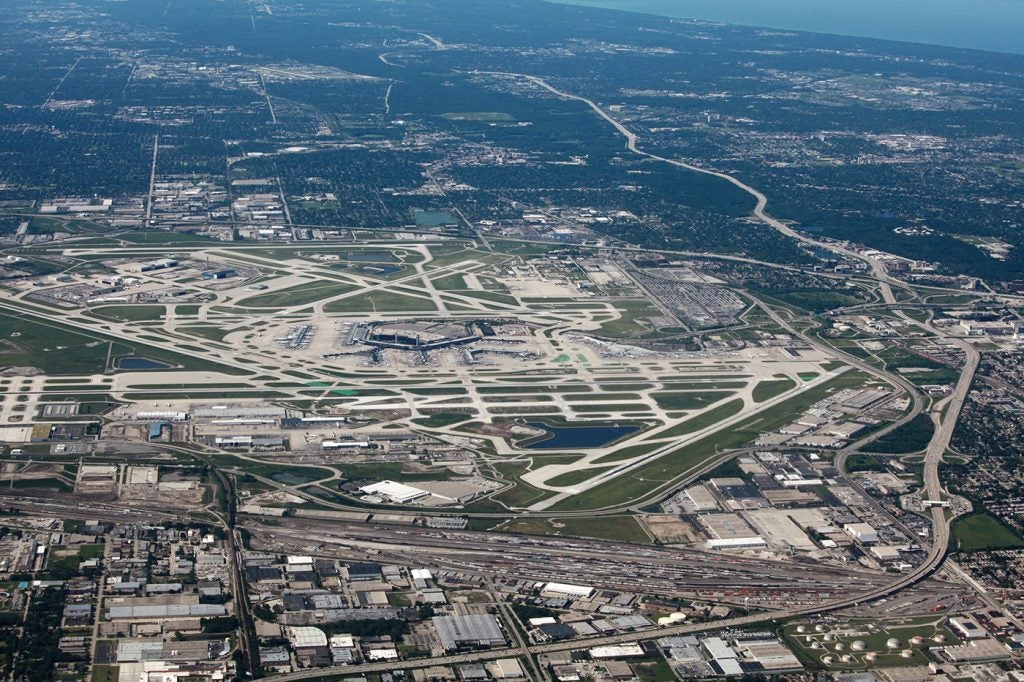
O’Hare International Airport occupies approximately 7,627 acres (3,086 hectares) of land. To put that into perspective, this sprawling area is larger than the city limits of many small towns and encompasses a complex network of runways, taxiways, terminals, cargo facilities, maintenance hangars, and support infrastructure. This immense footprint allows for its sophisticated airfield design, featuring eight active runways configured to handle simultaneous arrivals and departures, significantly boosting its capacity and reducing delays under various weather conditions.
The airport’s design, which has evolved over decades, is a marvel of urban planning applied to aviation. Its original layout and subsequent modernization programs have focused on maximizing efficiency and safety, allowing it to handle an extraordinary number of aircraft movements. The extensive land area also provides necessary buffer zones and space for future expansion, a critical consideration for an airport operating at the forefront of global air travel. The scale of the facilities, from passenger terminals to vast cargo warehouses, speaks volumes about the sheer volume of operations taking place around the clock.
Architectural Marvels and Ongoing Expansion
O’Hare’s physical bigness is not static; it is constantly growing and evolving. The airport has undergone numerous expansion projects throughout its history, with the most ambitious being the ongoing “O’Hare 21” modernization program. This multi-billion-dollar initiative aims to transform the airport’s infrastructure to meet the demands of 21st-century travel. A centerpiece of this program is the construction of a new Global Terminal, which will replace the existing Terminal 2 and consolidate international and domestic operations into a unified facility. This undertaking alone is a monumental architectural and engineering challenge, designed to enhance passenger experience, improve efficiency, and future-proof the airport’s capacity.
The expansion includes new gates, modernized concourses, and expanded passenger amenities, reflecting a commitment to not just being big, but being better and more efficient. The sheer volume of construction, from new roadways to extended taxiways, underscores the airport’s enduring commitment to maintaining its position as a global aviation leader. These projects contribute significantly to its ever-growing physical footprint and operational sophistication, ensuring that O’Hare’s bigness translates into enhanced functionality and an improved experience for millions of travelers.
A Global Nexus: O’Hare’s Operational Magnitude
Beyond its physical expanse, O’Hare’s “bigness” is profoundly defined by its operational intensity – the constant flow of aircraft, passengers, and cargo that positions it as one of the world’s most critical aviation hubs.
A Symphony of Flights and Passengers
O’Hare consistently ranks among the busiest airports globally in terms of passenger traffic and aircraft movements. In peak years prior to the global pandemic, it served over 80 million passengers annually, a number comparable to the population of a large country. This translates into hundreds of thousands of flights taking off and landing each year, connecting Chicago to over 200 destinations worldwide, including major cities across Europe, Asia, and Latin America, as well as virtually every significant city in the United States.
The airport operates as a primary hub for two of the world’s largest airlines: United Airlines and American Airlines. This dual-hub status amplifies its operational complexity and importance. From early morning departures to late-night arrivals, the runways and air traffic control operate with precision, orchestrating a ballet of aircraft movements that is both complex and mesmerizing. The vast number of daily connections makes O’Hare a critical point for leisure travelers seeking adventures in new destinations, business travelers attending conferences, and families reuniting across distances.
Economic Engine and Cargo Powerhouse
The operational bigness of O’Hare extends far beyond passenger travel; it is a colossal economic engine for Illinois and the wider Midwest region. The airport generates tens of thousands of direct and indirect jobs, from airline staff and airport personnel to ground transportation providers and hotel employees in the surrounding areas. Its operations pump billions of dollars into the local economy through wages, taxes, and business expenditures, making it an indispensable component of the region’s prosperity.
Moreover, O’Hare is a significant global cargo hub. Its extensive cargo facilities handle an enormous volume of freight, ranging from high-value electronics and pharmaceuticals to e-commerce packages. This makes it a crucial link in global supply chains, facilitating international trade and supporting businesses that rely on swift and efficient airfreight. The constant flow of goods through O’Hare’s cargo terminals underscores its multifaceted importance, demonstrating that its “bigness” is integral to both the movement of people and the circulation of goods across the world.
Navigating the Giant: Terminals, Services, and Traveler Experience
For travelers, the “bigness” of O’Hare is experienced through its multiple terminals, the extensive array of services, and the various transportation options designed to make navigation as seamless as possible. It’s an environment crafted to cater to millions of diverse travelers each year.
Four Main Terminals and Their Offerings
O’Hare currently features four operational passenger terminals, each serving specific airlines and offering a unique set of amenities.
- Terminal 1: Primarily serves as the global hub for United Airlines, including its domestic and international flights, alongside United Express. It features multiple concourses and numerous dining and shopping options.
- Terminal 2: Home to United Express, Air Canada, and Alaska Airlines. This terminal is undergoing significant changes as part of the O’Hare 21 modernization, eventually making way for the new Global Terminal.
- Terminal 3: The main hub for American Airlines and its regional counterpart, American Eagle. It also hosts Spirit Airlines, JetBlue, and other carriers. Terminal 3 is vast, with numerous concourses, extensive dining, and retail options.
- Terminal 5: The international terminal for most foreign carriers, as well as some domestic airlines like Delta Air Lines. Terminal 5 has recently undergone significant expansion, adding new gates (Concourse F) and modernizing customs and immigration facilities to enhance the international arrival and departure experience.
Within these terminals, travelers can find a diverse range of amenities catering to every need. From world-class dining establishments offering a taste of Chicago’s vibrant food scene to luxury boutiques and souvenir shops, there’s something for every shopper. Extensive lounge facilities, including the United Club, Admirals Club, and the coveted Centurion Lounge, provide havens for premium travelers seeking comfort and productivity during layovers.
Seamless Connectivity and Passenger Conveniences
Navigating such a massive airport requires robust internal and external transportation systems. O’Hare excels in this area, offering a variety of options to connect passengers efficiently.
The ORD Airport Transit System (ATS), affectionately known as the “people mover,” is a fully automated light rail system that connects all four terminals, the main parking garages, and the Metra commuter rail station. This system is indispensable for inter-terminal transfers, especially for passengers connecting between domestic and international flights, or those parking off-site.
For ground transportation to and from Chicago and its suburbs, options are abundant:
- The CTA Blue Line provides direct rail service from all terminals to downtown Chicago, offering an economical and efficient way to reach the city center.
- Extensive networks of regional buses, taxis, ride-sharing services (Uber/Lyft), and charter services are readily available.
- The Metra commuter rail station provides connections to suburban areas, further extending O’Hare’s reach.
Beyond transportation, O’Hare prioritizes passenger comfort and efficiency with services like dedicated lanes for TSA PreCheck and Global Entry to expedite security and immigration processes. Free Wi-Fi, abundant charging stations, nursing suites, prayer rooms, and pet relief areas are standard amenities. Furthermore, public art installations throughout the terminals add an element of culture and aesthetic appeal, enhancing the overall traveler experience and transforming long waits into opportunities for discovery.
Beyond the Runways: O’Hare as a Lifestyle and Accommodation Hub
The immense size and operational complexity of O’Hare also position it as a critical hub influencing various travel lifestyles and necessitating a robust surrounding accommodation infrastructure. It’s not just an arrival and departure point; it’s a destination in itself for services, and a catalyst for surrounding hospitality.
A Gateway for Every Traveler: From Luxury to Budget
O’Hare’s scale means it caters to an incredibly diverse clientele, each with unique needs and preferences that reflect different travel lifestyles:
- Business Travelers: For corporate executives, consultants, and entrepreneurs, O’Hare is synonymous with efficiency and connectivity. Its central location makes it ideal for business meetings in Chicago’s thriving business districts, and the extensive network of flights ensures seamless connections to global markets. Premium lounges, dedicated business centers, and the proximity of high-end hotels cater to the demands of this fast-paced lifestyle.
- Family Trips: Families embarking on vacations find O’Hare equipped with amenities designed to ease their journey. Family-friendly dining options, play areas, and accessible transportation make navigating the large airport manageable, ensuring a smooth start or end to memorable family adventures.
- Luxury Travel: Discerning travelers seeking a premium experience will find it at O’Hare. From VIP concierge services and exclusive lounge access to high-end retail shopping and luxury ground transportation, the airport facilitates an elevated travel experience. Nearby luxury hotels offer opulent stays, often with direct airport access.
- Budget Travel: For those mindful of costs, O’Hare offers numerous budget-friendly options. The CTA Blue Line provides affordable transit to Chicago, while diverse food courts and a range of nearby economy hotels ensure that travel remains accessible without compromising essential services.
- Connecting Flights: Perhaps most significantly, O’Hare’s bigness as a hub means it handles a massive volume of connecting flights. Travelers from smaller cities often route through O’Hare to reach international destinations, while global travelers use it to access various parts of the United States. This makes efficient inter-terminal transfers and comfortable layover amenities crucial for millions.
Hotels and Accommodation: Your O’Hare Neighbors
The sheer volume of passengers and the operational intensity of O’Hare necessitate an extensive array of accommodation options in its immediate vicinity. Whether facing an early morning departure, a late-night arrival, a canceled flight, or simply seeking a convenient base near the airport for business, the options are plentiful.
The Hilton Chicago O’Hare Airport stands out as the ultimate convenience, located directly within the airport complex and accessible via underground walkways from all terminals. This eliminates the need for shuttle buses, making it ideal for short layovers or very early flights.
Beyond the immediate airport grounds, the surrounding towns of Rosemont, Schiller Park, Park Ridge, and Des Plaines are home to a dense cluster of hotels. These range from full-service luxury resorts like the Loews Chicago O’Hare Hotel and Hyatt Regency O’Hare Chicago to well-known chains such as Marriott, Hilton, IHG, and Wyndham properties, offering a spectrum of prices and amenities. Many of these hotels provide complimentary shuttle services to and from the terminals, simplifying transfers for guests.
For those requiring longer stays, especially business travelers on extended projects or individuals relocating, numerous extended-stay apartments and suites are available. These accommodations often feature kitchenettes, living areas, and laundry facilities, offering a more home-like environment than a standard hotel room. When it comes to accommodation, the sheer “bigness” of O’Hare’s influence means that booking, reviews, and comparison are vital for travelers to find the perfect fit for their budget and lifestyle.
Conclusion
So, how big is Chicago Airport? Its bigness is a multifaceted phenomenon. It is immense in its physical footprint, sprawling across thousands of acres and continually expanding with ambitious modernization programs. It is colossal in its operational capacity, handling tens of millions of passengers and hundreds of thousands of flights each year, serving as a global nexus for both people and cargo. Its bigness is also reflected in the complexity of its services, offering a comprehensive suite of amenities and transportation options designed to navigate its vastness efficiently.
Ultimately, O’Hare International Airport is more than just a large airport; it is a dynamic, living ecosystem. It is an economic powerhouse that fuels the prosperity of Illinois and Chicago, a critical landmark that defines the entry point for countless visitors, and a responsive hub that adapts to the diverse lifestyles and accommodation needs of travelers from around the world. As it continues to evolve and grow, O’Hare remains an unparalleled example of how monumental infrastructure can shape and influence the very fabric of global travel.
LifeOutOfTheBox is a participant in the Amazon Services LLC Associates Program, an affiliate advertising program designed to provide a means for sites to earn advertising fees by advertising and linking to Amazon.com. Amazon, the Amazon logo, AmazonSupply, and the AmazonSupply logo are trademarks of Amazon.com, Inc. or its affiliates. As an Amazon Associate we earn affiliate commissions from qualifying purchases.