
In the intricate tapestry of the United States presidential election, the Electoral College stands as a foundational, yet often debated, mechanism for choosing the nation’s leader. While the majority of states adhere to a “winner-take-all” system, awarding all their electoral votes to the candidate who secures the statewide popular vote, two states – Maine and Nebraska – march to the beat of a different drum. These unique states employ a proportional method, splitting their electoral votes based on the popular vote within each congressional district, alongside the statewide winner. This distinctive approach not only sets them apart politically but also subtly contributes to their broader identity, offering a nuanced layer to their character that can be appreciated by anyone seeking to understand the fabric of America – be it a political enthusiast or a curious traveler.
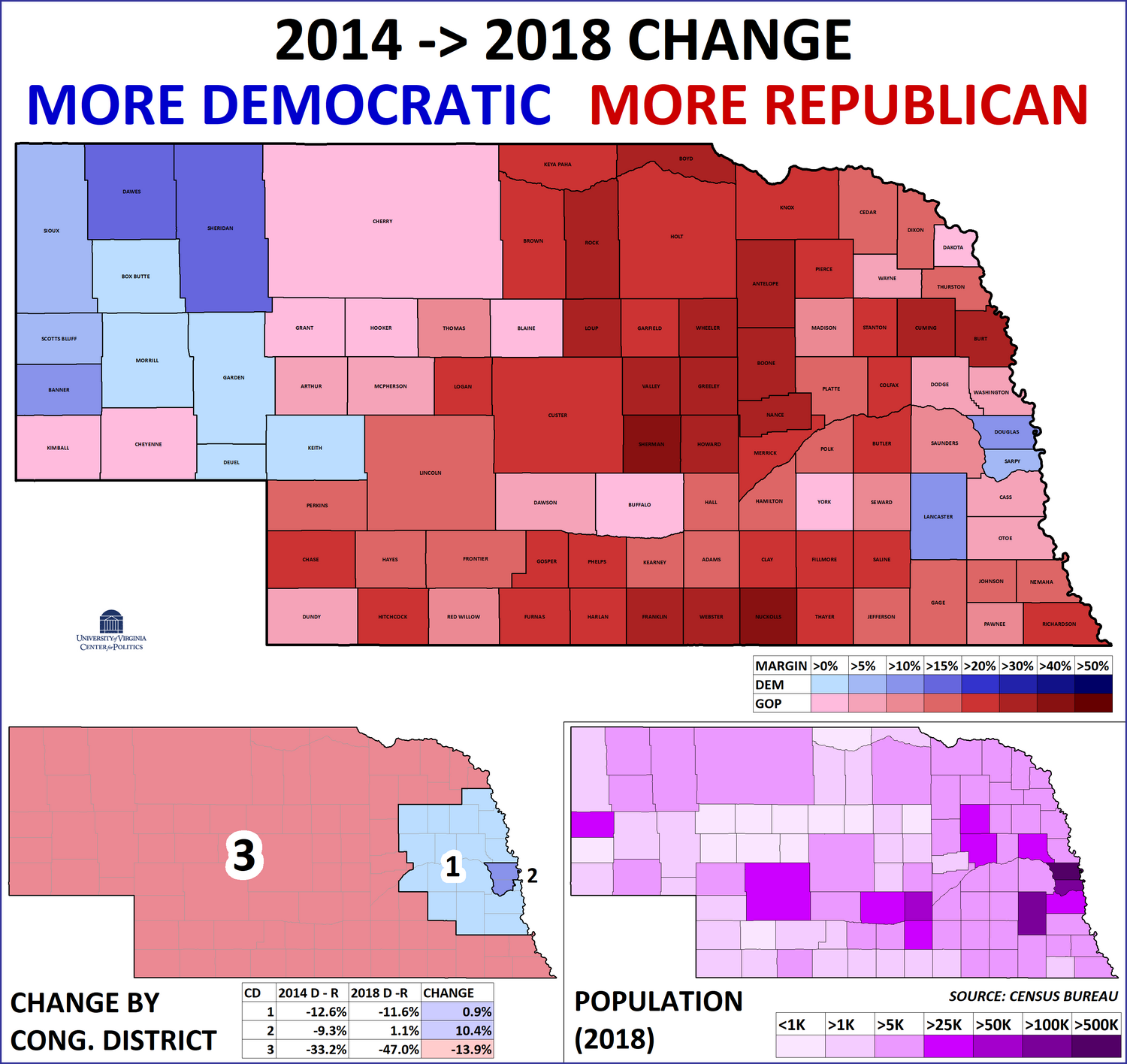
This divergence from the norm prompts fascinating questions, not just about the mechanics of democracy, but about the spirit of these places. Why did Maine and Nebraska adopt such a method? What are the implications of their choice? And how does this unique political feature intertwine with the rich travel experiences, local culture, and diverse landscapes that both states offer to visitors? Beyond the ballot box, understanding these states’ approach to presidential elections adds a unique dimension to their story, inviting travelers to explore them with a deeper appreciation for their individuality.
The Electoral College 101: Understanding the United States Presidential Election
To truly grasp why Maine and Nebraska are exceptions, it’s essential to first understand the general framework of the Electoral College. When United States citizens cast their ballots for president, they are technically voting for a slate of electors who are pledged to a particular candidate. The total number of electors is 538, corresponding to the total number of representatives in the House of Representatives (435) plus the number of senators (100) from all states, plus three electors from the District of Columbia. Each state’s allocation of electoral votes is based on its population, which is reassessed every ten years through the national census.
The vast majority of states, 48 out of 50, operate under a “winner-take-all” system. This means that the presidential candidate who wins the popular vote statewide, even by a single vote, is awarded all of that state’s electoral votes. This system often leads to candidates focusing their campaigns on a handful of “swing states” where the outcome is uncertain, potentially overlooking states where the result is perceived as predetermined. The rationale behind the Electoral College dates back to the Founding Fathers, who sought a balance between direct popular election and selection by congressional vote, aiming to protect the interests of smaller states and prevent a “tyranny of the majority.” While its effectiveness and fairness are subjects of ongoing debate, it remains a cornerstone of the American political landscape.
Maine and Nebraska’s Distinctive Approach
Against this backdrop of uniformity, Maine and Nebraska stand out with their unique “congressional district method.” This system, adopted by Maine in 1969 and Nebraska in 1991, provides a fascinating contrast to the winner-take-all model, reflecting a different philosophy regarding electoral representation.
The Congressional District Method Explained
Under the congressional district method, the distribution of electoral votes is divided into two components:
- District Votes: One electoral vote is awarded to the candidate who wins the popular vote within each of the state’s congressional districts. Maine has two congressional districts, while Nebraska has three.
- At-Large Votes: The remaining two electoral votes – representing the state’s two senators – are awarded to the candidate who wins the statewide popular vote.
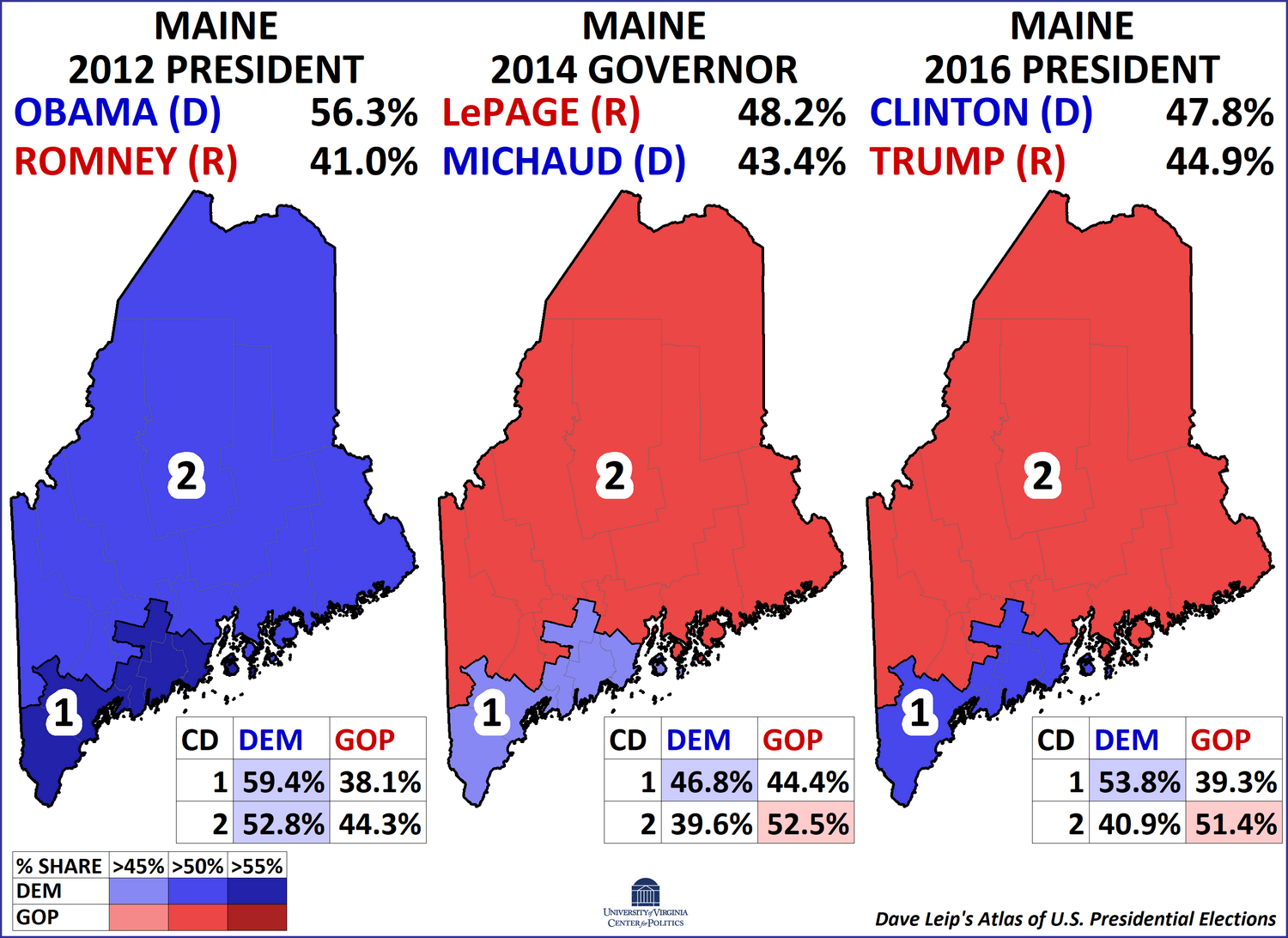
This method means that it’s possible for a state like Maine or Nebraska to split its electoral votes between two different presidential candidates. For example, one candidate could win the statewide popular vote and thus secure the two at-large votes, while another candidate could win a particular congressional district, earning that district’s single electoral vote. This scenario has indeed played out, most notably in 2020 when Joe Biden won Nebraska’s Second Congressional District, earning him one electoral vote, even though Donald Trump won the statewide popular vote and the other four votes.
Why They Chose This Path
The motivations behind adopting the congressional district method are rooted in a desire for greater representation and political engagement. For both Maine and Nebraska, the move was partly intended to give a stronger voice to voters in different regions of the state, ensuring that their preferences are reflected beyond the statewide popular vote. It discourages candidates from only focusing on dense urban areas and encourages them to campaign and appeal to a broader range of voters across different districts.
In Maine, with its distinct northern and southern regions, the system was seen as a way to empower diverse local communities. For Nebraska, a largely agricultural state with a few urban centers like Omaha and Lincoln, the method aims to prevent the interests of these population centers from entirely overshadowing those of its vast rural areas. This approach also arguably makes the states more relevant in national elections, as even a single electoral vote can become crucial in a tightly contested race, drawing more attention and resources from presidential campaigns than might otherwise be the case for smaller states.
Impact and Implications
The immediate impact of this method is evident: it makes the presidential race in these states potentially more competitive and less predictable. Candidates, who might otherwise gloss over these states, are incentivized to campaign in individual congressional districts, particularly those that are considered “swing districts.” This means more rallies, more campaign advertising, and a greater focus on local issues, which can be a boon for residents and local economies, particularly in the run-up to an election.

However, the system also has its critics. Some argue that it can lead to gerrymandering, where districts are drawn to favor one party over another, potentially distorting the will of the statewide electorate. Others contend that it can still result in a disproportionate outcome if, for example, a candidate wins the statewide popular vote but fails to secure a majority of the district votes. Despite these debates, the congressional district method championed by Maine and Nebraska stands as a testament to the ongoing experimentation and evolution within the American democratic process, offering a compelling alternative to the prevailing winner-take-all model.
Beyond the Ballot Box: Exploring Maine and Nebraska for the Traveler
While their unique electoral system is a fascinating aspect of Maine and Nebraska’s identity, it’s just one of many reasons these states are compelling destinations for travelers. From rugged coastlines to expansive prairies, both states offer a rich tapestry of experiences, local culture, and natural beauty that appeal to a wide range of interests, be it luxury travel or budget-friendly family trips.
Discovering the Charms of Maine: A Coastal Escape
Maine, often called “Vacationland,” is renowned for its stunning, dramatic coastline, pristine national parks, and vibrant maritime heritage. It’s a destination that perfectly blends outdoor adventure with charming towns and delicious culinary experiences.
One of Maine’s crown jewels is Acadia National Park, the only national park in New England. Here, visitors can hike majestic mountains like Cadillac Mountain, explore rocky beaches, and enjoy breathtaking ocean views. Nearby, the picturesque town of Bar Harbor serves as an ideal base, offering boutique shops, excellent seafood restaurants, and various lodging options, from cozy bed and breakfasts to luxury resorts like the Bar Harbor Inn.
Further south, Portland is a vibrant city known for its historic Old Port district, cobblestone streets, and a thriving food scene. Visitors can indulge in world-class lobster, craft breweries, and innovative farm-to-table cuisine. Don’t miss the iconic Portland Head Light, one of the most photographed lighthouses in the United States. For those seeking quintessential New England charm and upscale experiences, Kennebunkport offers elegant hotels, art galleries, and scenic beaches.
Outdoor enthusiasts will find endless opportunities in Maine, from kayaking along the coast, whale watching, and deep-sea fishing to exploring inland forests and lakes. In the fall, the state transforms into a kaleidoscope of colors, offering some of the most spectacular leaf-peeping opportunities in the country. Maine’s distinctive local culture, rich in maritime history and independent spirit, mirrors the same pioneering approach seen in its electoral system, making it a truly unique travel destination.
Unveiling the Heart of Nebraska: Prairie, Pioneers, and Progress
Often underestimated as a travel destination, Nebraska offers a wealth of surprising attractions, a deep dive into American history, and the tranquil beauty of its vast landscapes. It’s a state that celebrates its pioneer heritage while embracing modern vitality.
The state’s largest city, Omaha, is a dynamic hub with a thriving arts scene and world-class attractions. The Henry Doorly Zoo and Aquarium is consistently ranked among the best zoos globally, featuring immersive exhibits and a diverse collection of animals. The Old Market district, with its historic brick buildings, cobblestone streets, and eclectic mix of shops, galleries, and restaurants, is a popular spot for both locals and visitors. From luxurious boutique hotels to family-friendly suites, Omaha offers a wide array of accommodation options.
Lincoln, the state capital, boasts the magnificent Nebraska State Capitol, an architectural marvel offering panoramic views of the city. The city also offers vibrant college-town energy, beautiful parks, and a growing craft beer scene.
For history buffs, Western Nebraska offers a journey back in time to the days of westward expansion. Scotts Bluff National Monument and Chimney Rock National Historic Site stand as iconic landmarks along the Oregon Trail, telling stories of pioneers and their arduous journeys. Visitors can hike the bluffs, explore visitor centers, and gain a profound appreciation for America’s frontier past. Beyond these landmarks, Nebraska is an ideal destination for agritourism, offering farm stays and opportunities to experience rural life. The wide-open spaces and friendly locals contribute to a relaxed, budget-friendly travel experience, perfect for family trips or those seeking an escape from urban hustle.
Conclusion
The unique electoral systems of Maine and Nebraska are more than just footnotes in political science textbooks; they are defining characteristics that underscore the independent spirit and diverse regional interests within these states. While the “why” behind their split electoral votes lies in a desire for fairer representation and increased political engagement, the “what” for travelers is an invitation to explore destinations that are genuinely distinct.
Understanding these political nuances enriches the travel experience, allowing visitors to appreciate the deeper layers of each state’s identity. Whether you are drawn to Maine’s rugged coastal beauty and gourmet seafood, or Nebraska’s vast prairies, rich pioneer history, and thriving urban centers, both states offer compelling reasons to visit. Their individual approaches to the Electoral College are a testament to their commitment to their distinct communities, a philosophy that permeates their local culture and contributes to the memorable experiences awaiting every visitor. Embrace the unique, explore the unfamiliar, and discover the multifaceted charm of Maine and Nebraska.
LifeOutOfTheBox is a participant in the Amazon Services LLC Associates Program, an affiliate advertising program designed to provide a means for sites to earn advertising fees by advertising and linking to Amazon.com. Amazon, the Amazon logo, AmazonSupply, and the AmazonSupply logo are trademarks of Amazon.com, Inc. or its affiliates. As an Amazon Associate we earn affiliate commissions from qualifying purchases.