
Chicago, often affectionately known as the “Windy City,” is a metropolis that consistently defies simple categorization. When one asks, “How big is Chicago?” the answer transcends mere square mileage or population figures. It encompasses its vast geographical footprint, its towering architectural achievements, its profound cultural influence, and its sprawling array of experiences for every type of traveler. From its position as a global economic powerhouse to its status as a premier tourist destination, Chicago’s “bigness” is a multifaceted narrative, woven into the fabric of the United States and felt across the world.
Nestled along the southwestern shores of Lake Michigan, Chicago isn’t just a big city; it’s a monumental urban center that serves as the economic and cultural heart of the Midwest. For those planning a visit, understanding its scale is crucial for navigating its incredible offerings, from world-class hotels and diverse accommodation options to iconic landmarks and unforgettable lifestyle experiences. This article delves into what truly makes Chicago a giant among cities, exploring its physical dimensions, demographic scope, economic might, and the expansive range of attractions that beckon millions each year.
The Geographic and Demographic Grandeur of the Windy City
To truly grasp the magnitude of Chicago, one must first consider its physical dimensions and the sheer number of people who call this vibrant city home. These foundational elements lay the groundwork for everything else that defines its significant presence on the global stage.
A Sprawling Metropolis on the Shores of Lake Michigan
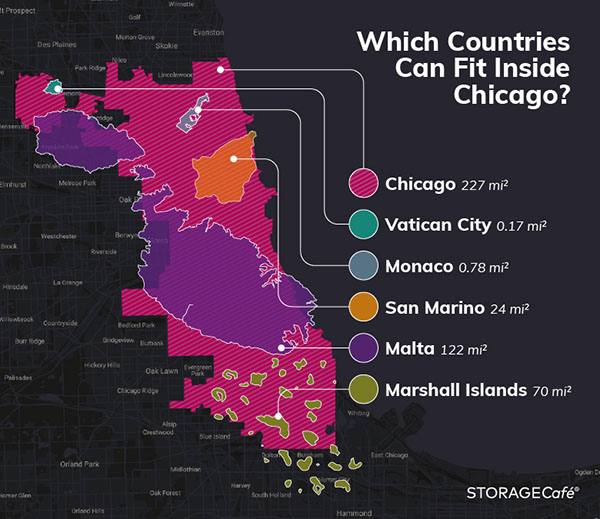
Geographically, Chicago is impressive. The city itself spans an area of approximately 234 square miles (606 square kilometers), making it one of the largest cities by land area in the United States. It is the most populous city in Illinois and Cook County, where it also serves as the county seat. Its prime location on Lake Michigan, one of the five Great Lakes, has historically been a significant factor in its development as a major port and transportation hub. This lakeside position not only offers stunning waterfront views and recreational opportunities but also profoundly influenced its urban planning and the picturesque Chicago skyline that defines the city. The vastness of the city proper, however, is only one piece of the puzzle. The metropolitan area, often referred to as Chicagoland, stretches much further, encompassing numerous suburbs and extending into neighboring states, showcasing a truly immense urban sprawl.
A Vast Population and Economic Powerhouse
Demographically, Chicago’s “bigness” is even more apparent. With a city population hovering around 2.7 million residents, it ranks as the third-most populous city in the United States. However, the combined statistical area (CSA) for Chicagoland boasts a staggering population of nearly 10 million people, making it one of the largest and most diverse metropolitan regions in North America. This vast population fuels a robust and diverse economy. Chicago is a major global financial center, a hub for technology and innovation, and a leader in manufacturing, transportation, and professional services. The presence of significant corporations across various sectors contributes to its reputation as an economic engine, driving substantial employment and investment.
The city’s connectivity is further underscored by O’Hare International Airport, one of the busiest airports in the world, serving millions of passengers annually and facilitating global trade and travel. This infrastructure, combined with an extensive railway network centered around Union Station, reinforces Chicago’s role as a critical node in national and international commerce and tourism. The sheer scale of its economic activity and its role in connecting people and goods across continents undoubtedly contribute to its colossal stature.

An Urban Tapestry of Iconic Landmarks and Rich Culture
Beyond its impressive statistics, Chicago’s bigness is perhaps best experienced through its iconic landmarks, world-class attractions, and a cultural scene that is as expansive as its skyline.
Reaching for the Sky: Architectural Wonders and Public Art
Chicago’s architectural legacy is unparalleled, defining much of its visual grandeur. The city is often considered the birthplace of the skyscraper, and its skyline is a testament to this pioneering spirit. The imposing Willis Tower (formerly the Sears Tower), once the tallest building in the world, remains an iconic symbol, offering breathtaking panoramic views from its Skydeck. Visitors can literally see for miles, gaining a true appreciation for the city’s vastness.
Adjacent to this vertical ambition, Millennium Park stands as a testament to urban innovation and public art. Home to the mesmerizing Cloud Gate, affectionately known as “The Bean,” and the stunning Pritzker Pavilion, the park is a sprawling outdoor gallery that welcomes millions. A stroll along Michigan Avenue and through the bustling Magnificent Mile reveals grand historic buildings, high-end shopping, and vibrant street life. The Chicago River, which famously flows backward thanks to an engineering marvel, is framed by stunning architecture, best appreciated on an Architecture Boat Tour that offers unique perspectives on the city’s historical and modern design. Further east, Navy Pier extends into Lake Michigan, offering amusement rides, restaurants, and entertainment against the backdrop of the city’s impressive skyline, another example of Chicago’s expansive recreational offerings.
A Legacy of Learning and Leisure: Museums and Green Spaces
Chicago’s commitment to culture and education is evident in its vast collection of museums and parks. The Museum Campus is a monumental testament to this, housing three world-class institutions within walking distance: the Field Museum, home to Sue the T. rex and extensive natural history collections; the Shedd Aquarium, a colossal indoor public aquarium boasting thousands of aquatic animals; and the Adler Planetarium, America’s first planetarium, offering cosmic explorations. The Art Institute of Chicago, located nearby, is another enormous cultural institution, housing an encyclopedic collection of art that spans centuries and continents.
Beyond these indoor treasures, Chicago is famous for its extensive and beautiful park system. Grant Park, often called “Chicago’s front yard,” is a massive urban oasis hosting numerous festivals and events. To the north, Lincoln Park is another expansive green space that houses the Lincoln Park Zoo (one of the oldest free zoos in the United States), a nature museum, and vast recreational areas. These green lungs contribute significantly to the city’s livability and offer residents and visitors alike ample space for relaxation and enjoyment, further illustrating the city’s expansive approach to urban planning and quality of life.

Culinary Delights and Vibrant Entertainment
The bigness of Chicago also extends to its vibrant culinary scene and diverse entertainment options. From its iconic deep-dish pizza to an impressive array of Michelin-starred restaurants, the city is a foodie’s paradise. Neighborhoods across the city offer distinct dining experiences, reflecting the rich tapestry of cultures that define Chicago’s population. The sheer variety ensures that every palate and budget can find something to savor, from casual eats to opulent fine dining.
Culturally, Chicago is a hub for performing arts, with world-renowned theater companies, comedy clubs (like The Second City, though not linking as it’s a specific company name and not a landmark per se for general tourism), and live music venues catering to every genre. Sports fans are also spoiled for choice, with professional teams in every major league. Catching a Chicago Cubs game at historic Wrigley Field in Wrigleyville, cheering on the Chicago White Sox on the South Side, or watching the Chicago Bears at Soldier Field are quintessential Chicago experiences that reflect the city’s passionate spirit and vast fan base. The Chicago Bulls also bring a huge following for basketball enthusiasts. This broad spectrum of entertainment ensures that Chicago’s cultural footprint is as significant as its physical one.
Navigating Your Stay: Accommodation and Lifestyle in the Heart of the Midwest
For those planning to explore Chicago’s extensive offerings, understanding the scale of its accommodation options and lifestyle amenities is key to a fulfilling visit. The city’s bigness translates directly into a comprehensive travel infrastructure designed to cater to every need.
From Luxury Suites to Boutique Stays: Your Accommodation Guide
Chicago’s accommodation landscape is as vast and diverse as the city itself, offering everything from opulent five-star resorts to charming boutique hotels and budget-friendly apartments. Luxury travelers will find themselves spoiled for choice with iconic properties like The Peninsula Chicago, known for its impeccable service and prime Magnificent Mile location; the Langham Chicago, housed in a landmark Mies van der Rohe building along the Chicago River; and the Four Seasons Hotel Chicago, offering expansive suites and breathtaking city views. Other top-tier options include the sophisticated Park Hyatt Chicago, the elegant Ritz-Carlton Chicago, and the contemporary Waldorf Astoria Chicago.
For those seeking a more unique or trendy experience, boutique hotels like Viceroy Chicago in the Gold Coast and Thompson Chicago offer stylish designs and personalized service. Historic hotels such as the grand Palmer House Hilton provide a glimpse into Chicago’s rich past while offering modern comforts. Beyond traditional hotels, visitors can find a wide selection of serviced apartments and vacation rentals, perfect for longer stays or family trips, providing the comforts of home amidst the urban bustle. The sheer number and variety of these establishments ensure that whether you’re looking for luxury, budget, or a specific amenity, Chicago has an accommodation option perfectly suited to your travel style.
Experiencing Chicago: Tips for Travelers and Diverse Lifestyles
Navigating such a large city might seem daunting, but Chicago’s robust infrastructure makes it surprisingly accessible. The Chicago Transit Authority (CTA) operates an extensive network of ‘L’ trains and buses, connecting every major attraction and neighborhood. Purchasing a multi-day pass is a convenient way to explore the city without the need for a car, making budget travel highly feasible. For those on business stays, many hotels offer dedicated facilities and seamless access to the city’s financial districts. Family trips benefit from the city’s numerous parks, museums with interactive exhibits, and family-friendly dining options.
The lifestyle in Chicago is as diverse as its population. From the sophisticated nightlife of River North to the laid-back charm of Lincoln Park, each neighborhood offers a distinct atmosphere. Luxury travel experiences can include private guided tours, exclusive shopping sprees on the Magnificent Mile, and dining at Michelin-starred restaurants. Budget travelers, on the other hand, can enjoy free attractions like the Lincoln Park Zoo, strolls through Millennium Park, and delicious street food. Regardless of your personal preferences or travel budget, Chicago’s vastness ensures an abundance of activities, experiences, and services to enrich your visit.
In conclusion, “How big is Chicago?” is a question best answered by experiencing it firsthand. It’s big in its physical expanse, massive in its population, colossal in its economic impact, and immense in its cultural and recreational offerings. From its towering skyscrapers to its vibrant neighborhoods, Chicago is a city of grand scale, continually inviting exploration and promising unforgettable memories for every traveler.
LifeOutOfTheBox is a participant in the Amazon Services LLC Associates Program, an affiliate advertising program designed to provide a means for sites to earn advertising fees by advertising and linking to Amazon.com. Amazon, the Amazon logo, AmazonSupply, and the AmazonSupply logo are trademarks of Amazon.com, Inc. or its affiliates. As an Amazon Associate we earn affiliate commissions from qualifying purchases.