
Navigating the vast and vibrant landscape of Texas offers an unparalleled adventure, whether you’re embarking on a cross-state road trip, commuting for business, or exploring its countless attractions. From the bustling metropolises of Houston and Dallas to the historic charm of San Antonio and the live music scene of Austin, the Lone Star State beckons with diverse experiences. However, a significant part of traversing Texas’s expansive network of highways involves understanding its toll road system. For both seasoned Texas residents and first-time visitors, mastering how to pay tolls effectively can ensure a smooth, stress-free journey, preventing unexpected fees and streamlining your travel budget.
Texas has one of the most extensive toll road systems in the United States, designed to alleviate congestion, fund new infrastructure, and provide faster routes between key destinations. While these roads offer incredible convenience, they are primarily cashless, relying on electronic payment methods. This guide aims to demystify the process, offering insights into the various payment options, how to choose the best one for your travel style, and crucial tips for avoiding common pitfalls, particularly for those renting vehicles or visiting from out of state.
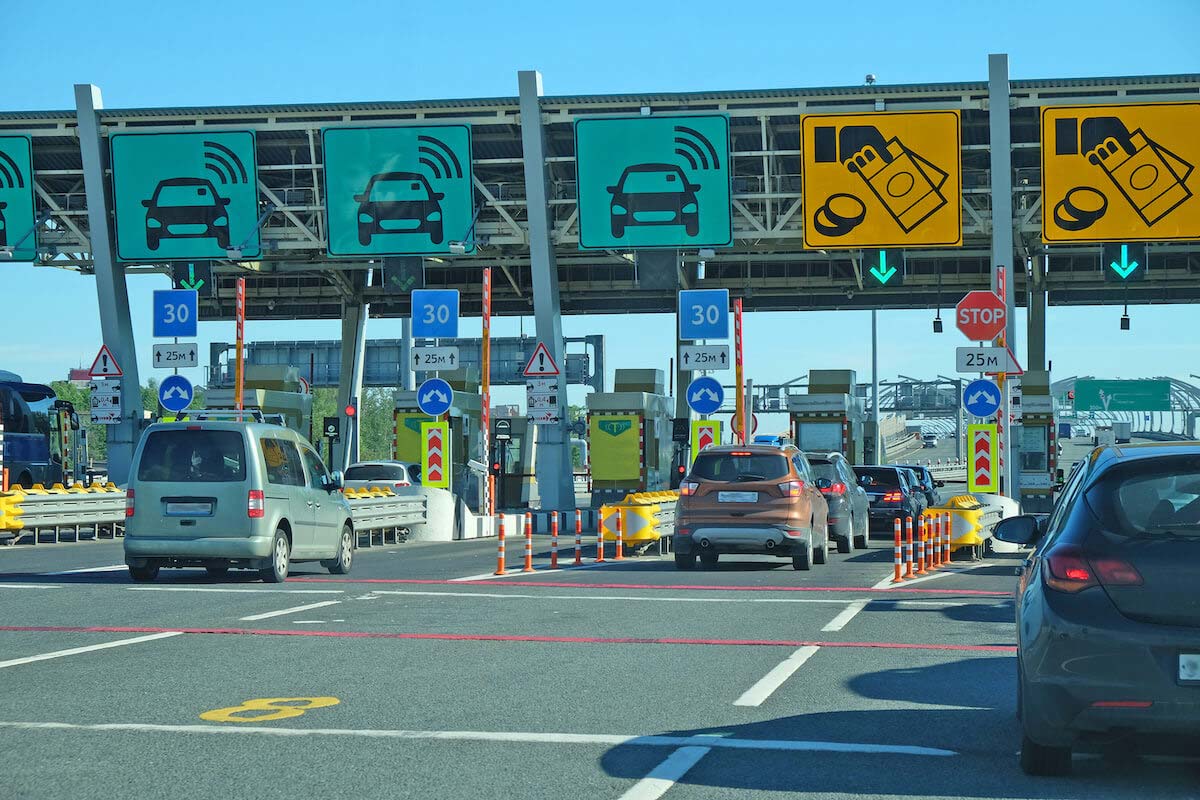
Navigating the Lone Star State’s Toll Roads
The sheer size of Texas necessitates an robust transportation infrastructure, and toll roads play a pivotal role in this. These modern arteries crisscross major urban centers and connect them efficiently, making it easier to reach your chosen destination, be it a luxury resort in San Antonio, a business conference in Dallas, or a family-friendly attraction in Houston. Understanding the various authorities that manage these roads is the first step toward hassle-free travel.
Several key entities oversee Texas’s toll roads, including the Texas Department of Transportation (TxDOT), the North Texas Tollway Authority (NTTA) primarily serving the Dallas/Fort Worth Metroplex, the Harris County Toll Road Authority (HCTRA) in the Houston area, and the Central Texas Regional Mobility Authority (CTRMA) around Austin. While their operations are localized, a significant degree of interoperability exists between their electronic payment systems, simplifying things for drivers. The overarching goal of these systems is to provide seamless electronic payment, moving away from traditional toll booths that accept cash. This shift to cashless payment means that travelers need to be proactive in setting up an account or understanding how they will be billed.
The Electronic Advantage: Embracing Toll Tags
For most regular drivers in Texas, and certainly for those planning extended stays or frequent trips, acquiring an electronic toll tag is the most convenient and cost-effective method of payment. These small devices attach to your windshield and communicate wirelessly with overhead sensors at toll gantries, deducting the toll amount directly from a prepaid account.
What are Texas Toll Tags?
Texas offers several primary toll tags, each associated with a specific authority but largely interoperable:
- TxTag: This is the official statewide toll tag of Texas, managed by TxDOT. A TxTag is accepted on all toll roads throughout Texas, and critically, it is also interoperable with toll systems in Kansas and Oklahoma. This makes it an ideal choice for travelers exploring the wider region, perhaps on a scenic road trip through the heartland of the United States.
- TollTag (NTTA): Issued by the North Texas Tollway Authority, the TollTag is the go-to option for those primarily traveling in the Dallas/Fort Worth Metroplex. It offers discounts on NTTA toll roads and is fully interoperable with all other toll roads in Texas, as well as systems in Oklahoma and Kansas. If your itinerary focuses on North Texas attractions or business stays, the TollTag is an excellent choice.
- EZ TAG (HCTRA): For those frequently visiting or residing in the Houston area, the EZ TAG from the Harris County Toll Road Authority is the most efficient solution. Like its counterparts, the EZ TAG offers discounted toll rates and is accepted on all toll roads across Texas, Kansas, and Oklahoma. Whether you’re commuting to a hotel downtown or exploring the Houston Space Center, an EZ TAG simplifies your journey.
The beauty of these tags is their interoperability. Regardless of which tag you choose, it will typically work seamlessly on any public toll road in Texas. This means a single tag covers your travel from El Paso to Beaumont, making exploring the state’s diverse destinations significantly easier.
Getting Your Toll Tag
Acquiring a toll tag is a straightforward process, typically involving a few simple steps:
- Application: You can usually apply for a toll tag online through the respective authority’s website (TxTag.org, NTTA.org, HCTRA.org). You’ll need to provide vehicle information (make, model, license plate) and personal details.
- Account Setup: A prepaid account is required. You’ll load an initial balance onto your account, which tolls will be deducted from. Most services offer an auto-recharge feature, linking your account to a credit card or bank account to automatically replenish the balance when it drops below a certain threshold. This ensures you always have funds available and avoids service interruptions.
- Tag Installation: Once you receive your physical tag in the mail, simply attach it to the inside of your vehicle’s windshield, usually near the rearview mirror, following the provided instructions.
- Retail Locations: For those who prefer an in-person approach, some tags can be purchased at select retail stores, such as participating grocery stores or customer service centers, often in urban areas like Dallas or Houston.
The benefits of using a toll tag extend beyond mere convenience. They often come with discounted toll rates compared to the pay-by-mail option, leading to significant savings over time, especially for frequent travelers or those on long-term stays. Moreover, they eliminate the worry of missing a payment or incurring late fees, offering peace of mind as you focus on your travel itinerary, whether it’s a business trip or a luxury escape.
Understanding Pay-By-Mail and Other Options
While toll tags are the preferred method, Texas’s toll road system also accommodates drivers without a tag, primarily through its “Pay-By-Mail” program. However, it’s crucial to understand that this option comes with different implications, particularly regarding cost and potential administrative hassle.
When You Don’t Have a Tag: Pay-By-Mail (Toll Bill)
If you drive on a Texas toll road without an active toll tag, don’t panic. The system is designed to identify your vehicle’s license plate using overhead cameras. The toll road authority will then send a bill to the registered owner of the vehicle.
- How it Works: As you pass through a toll gantry, cameras capture an image of your license plate. This information is matched with vehicle registration records, and a “Toll Bill” or “Pay-By-Mail” invoice is sent to the address associated with the plate.
- Higher Rates: It’s important to note that Pay-By-Mail rates are significantly higher than the discounted rates offered to toll tag users. This is to cover the administrative costs associated with identifying vehicle owners and processing individual invoices. For a traveler on a budget, these additional costs can quickly add up and impact the overall expense of a trip, especially if visiting multiple attractions or staying in various accommodations across Texas.
- Updating Registration: Ensure your vehicle’s registration address is current with the Department of Motor Vehicles. If the bill is sent to an old address, you might not receive it, leading to escalating fees.
- Avoiding Late Fees and Penalties: Toll bills typically have a payment deadline. If you fail to pay by this date, late fees will be assessed, and in severe cases of non-payment, vehicle registration holds can be placed, or even court citations issued. For out-of-state visitors, this can cause significant inconvenience and impact future travel. It’s advisable to visit the respective toll authority’s website if you believe you used a toll road and haven’t received a bill. You can often look up tolls by license plate.
One-Time Passes/Temporary Solutions
Some toll authorities offer temporary or one-time payment options that can be useful for infrequent visitors or those on short trips through a specific area:
- NTTA TollPass: The NTTA offers a TollPass option, allowing drivers to pay for tolls online after their trip, without needing a tag. This is generally available for a limited time after travel and still typically incurs higher rates than a TollTag.
- HCTRA EZ TollPass: Similarly, the HCTRA provides an EZ TollPass for those without an EZ TAG. Users can register their license plate and pay for tolls incurred within a specific timeframe, offering a slightly more streamlined alternative to waiting for a physical bill.
These temporary solutions can bridge the gap for travelers who won’t be using Texas toll roads frequently enough to warrant a dedicated tag. However, they still generally cost more than using a permanent tag and require active management to avoid penalties.
Cash/Credit Card Payments: A Rarity
A common misconception among travelers is the availability of cash payment options at toll plazas. It is critical to understand that most Texas toll roads are entirely cashless. There are very few, if any, remaining toll booths that accept cash or credit cards. Stopping at a toll plaza expecting a cash option can lead to confusion, traffic delays, and ultimately, a Pay-By-Mail bill with higher fees. Always assume a Texas toll road is cashless and plan your payment method accordingly. This is especially important for international travelers who might be accustomed to different systems in their home countries.
Special Considerations for Travelers and Rental Cars
For tourists, business travelers, and anyone using a rental car, navigating Texas tolls requires a bit of extra foresight. The convenience of driving a rental car can quickly be overshadowed by unexpected toll charges and administrative fees if not handled properly.
Tourists and Out-of-State Visitors
If you’re visiting Texas from another state or country for a vacation, a family trip, or to explore specific landmarks, pre-planning your toll strategy is paramount.
- Pre-Planning is Key: Before you even hit the road, understand your route. Use GPS apps like Google Maps, Waze, or Apple Maps and select options to “avoid tolls” if you wish to bypass them entirely, or to understand where they are located if you plan to use them.
- Temporary Solutions: For shorter visits, relying on the Pay-By-Mail system might seem convenient, but remember the higher costs. If you anticipate using toll roads frequently, even for a week-long stay, consider purchasing a temporary pass if available in your area of travel, or even ordering a TxTag online to be sent to your hotel or accommodation if you have sufficient lead time.
- Impact on Travel Budget: Tolls, especially when combined with higher Pay-By-Mail rates, can significantly impact your travel budget. Factor these potential costs into your overall expenditure, whether you’re planning a luxurious stay at a Houston hotel or a budget-friendly adventure exploring the Texas Hill Country.
Rental Cars and Tolls
This is perhaps the most common source of frustration and unexpected expense for visitors. Rental car companies often have their own toll programs, which, while convenient, can be costly.
- Common Pitfalls: Rental companies typically offer a “toll service” for an additional daily fee, plus the cost of the tolls themselves. These administrative fees can quickly accumulate, even if you only use a toll road once. For example, you might pay $10-$15 per day for the service, on top of actual tolls, potentially for every day of your rental, whether you use tolls or not.
- Understanding Rental Agreements: Always read the fine print of your rental car agreement regarding tolls. Inquire about their specific policy and how tolls are handled.
- Options for Rental Cars:
- Opt-in to Rental Company Program: This is the easiest but often most expensive option. The rental company handles all tolls, and you’re billed later, usually with their added fees.
- Use Your Own Toll Tag: If you have an interoperable toll tag (like a TxTag from a previous Texas trip or from Oklahoma or Kansas), you can usually use it in a rental car. Just make sure the tag is properly mounted and your account is active. Inform the rental company that you will be using your own tag to avoid being enrolled in their program. It is also wise to temporarily add the rental car’s license plate to your toll tag account for the duration of the rental.
- Rely on Pay-By-Mail (Carefully): You can opt not to enroll in the rental company’s toll program and simply drive on toll roads. The rental company will receive the Pay-By-Mail bill, pay it, and then bill you back, often with substantial administrative fees. While this bypasses the daily flat rate, the per-toll administrative fees can still be high.
- Avoid Toll Roads Entirely: This is the most cost-effective solution if you’re on a tight budget. Plan your routes to avoid all toll roads. Many GPS systems have this option.
For business travelers staying in hotels like the Grand Hyatt Hotel in Dallas or the Marriott Marquis Houston, managing rental car tolls efficiently can contribute to smoother expense reporting and overall trip cost management.
Commercial Vehicles and Business Travelers
Businesses operating fleets or individuals on frequent business trips within Texas can also benefit significantly from efficient toll management. Many toll authorities offer specific fleet accounts for companies, simplifying billing and tracking. For individual business travelers, using a personal toll tag linked to an expense account can provide a seamless experience, allowing for quick transit to meetings in Dallas, Houston, or Austin without the hassle of manual payments or high rental car fees. This integration of toll payments into business operations aligns perfectly with a professional lifestyle, minimizing administrative overhead and maximizing productivity.
Maximizing Your Travel Experience: Tips and Best Practices
To ensure your journey through Texas is as smooth and enjoyable as possible, here are some essential tips and best practices for managing tolls:
- Plan Your Route with Tolls in Mind: Always consult a mapping application before you depart. Most modern GPS systems allow you to choose whether to include or avoid toll roads. This is invaluable for budget travelers or those unfamiliar with Texas’s extensive toll network. Decide in advance if the time savings are worth the toll costs.
- Understand Billing Cycles and Monitor Accounts: If you have a toll tag, regularly check your account balance and transaction history, especially after a long trip or extended stay. This allows you to catch any discrepancies early and ensures your auto-recharge is working correctly. For Pay-By-Mail users, keep an eye on your mail for invoices and pay them promptly to avoid penalties.
- Know Who to Contact: Keep the contact information for the relevant toll authority handy. If you have questions about a bill, dispute a charge, or need assistance with your tag, knowing whether to call TxDOT, NTTA, HCTRA, or CTRMA can save you time and frustration.
- Budget for Tolls: Integrate potential toll costs into your overall travel budget. Whether you’re planning a luxurious spa retreat, a family vacation to a Texas theme park, or a long-term stay in an Austin apartment, unexpected expenses can quickly derail a carefully planned budget. Using a toll tag will generally make these costs more predictable and lower.
- Review Rental Car Statements Thoroughly: If you’ve used a rental car and opted into their toll program or incurred Pay-By-Mail tolls, scrutinize your credit card statement and any correspondence from the rental company carefully. Challenge any charges that seem excessive or incorrect. Many travelers have been surprised by high administrative fees weeks or even months after their trip.
- Consider a Non-Texas Tag if Interoperable: If you frequently travel to Texas but primarily reside in Oklahoma or Kansas and already have their respective toll tags, rest assured that they are generally interoperable with the Texas system. This means you likely won’t need a separate Texas tag.
Seamless Journeys Across the Lone Star State
Navigating Texas’s extensive toll road system doesn’t have to be a daunting task. By understanding the primary payment methods, especially the convenience and savings offered by electronic toll tags, and by being mindful of the specific considerations for rental cars and out-of-state visitors, you can ensure your travels across the Lone Star State are as smooth and enjoyable as the open roads themselves. Whether you’re chasing the vibrant city lights of Dallas, exploring the historic sites of San Antonio, or simply enjoying the vast natural beauty of Texas, a well-planned toll strategy will allow you to focus on the experience, making your journey truly memorable. Enjoy the freedom of the open road, knowing your tolls are handled efficiently and effectively.
