
Understanding the geographic scale of a destination is a foundational step in effective travel planning. For many looking to explore the historic cities, picturesque countryside, and diverse coastlines of Italy, a common point of reference is often a familiar territory. Comparing the size of Italy to a large United States state like California provides invaluable context, shaping expectations for itineraries, transportation, and the sheer variety of experiences one can pack into an Italian adventure. This comparison reveals not just square mileage, but the implications for navigating, experiencing, and appreciating one of Europe’s most beloved countries.

The Geographic Footprint: A Direct Comparison
At first glance, the two entities might seem comparable in the minds of some travelers, but a closer look at their dimensions reveals distinct differences that directly impact how one approaches exploration.
Italy’s Dimensions
Italy, famed for its boot-like shape extending into the Mediterranean Sea, covers an area of approximately 301,340 square kilometers (116,348 square miles). This figure includes its two large islands, Sicily and Sardinia, which contribute significantly to its overall landmass. Despite its elongated form, Italy is a relatively compact country when compared to many larger nations, particularly those in North America. From the northern Alps to the southern tip of the boot and its islands, the maximum distance is about 1,185 kilometers (736 miles) north to south. Its narrowest point is around 139 kilometers (86 miles) wide.
California’s Vastness
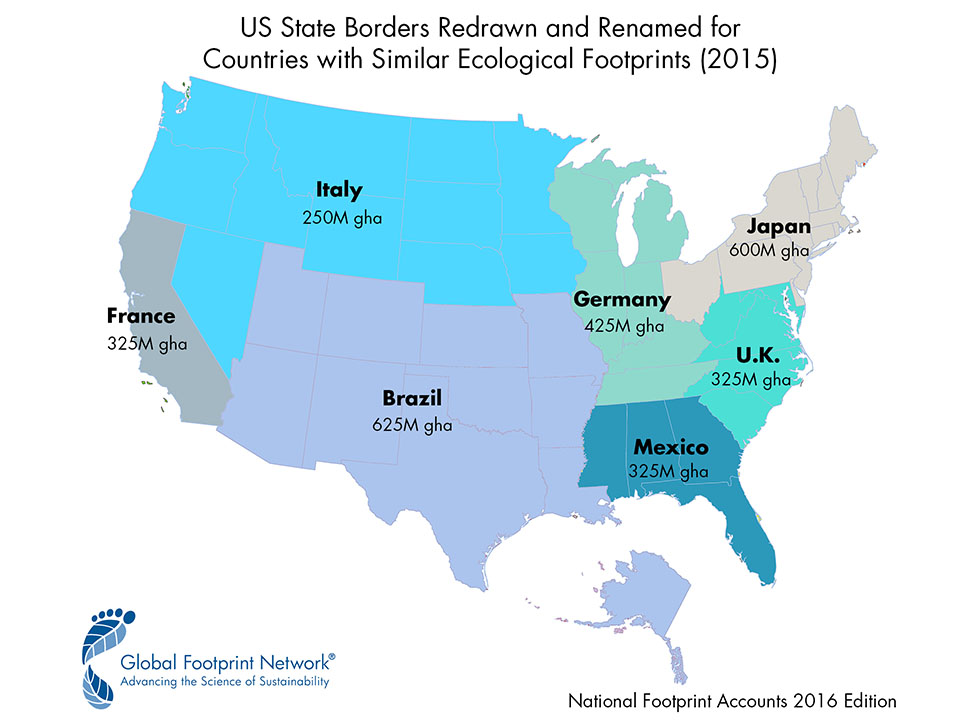
California, by contrast, is a considerably larger state. It boasts an area of approximately 423,970 square kilometers (163,695 square miles). This makes California roughly 40% larger than Italy in terms of land area. Stretching from its northern border with Oregon down to the Mexican border, California measures about 1,240 kilometers (770 miles) north to south and approximately 400 kilometers (250 miles) east to west at its widest point. The sheer scale of California is often experienced when driving from Los Angeles to San Francisco or crossing the desert to the Sierra Nevada mountains.
The Overlap: A Significant Difference
The direct comparison shows that while Italy is a significant country, it is comfortably smaller than California. Imagine fitting the entire country of Italy within the borders of California – there would be a substantial amount of space left over. This difference in size is crucial for travelers, as it implies different approaches to covering ground, experiencing regional variations, and allocating time.
Implications for Travel Planning in Italy
The relative compactness of Italy compared to California is a distinct advantage for travelers, enabling a rich and varied experience without excessive travel times, provided one plans strategically.
Traversing the Boot: Distances and Transportation
While Italy might feel vast due to its extensive history and cultural offerings, the actual distances between major cities and regions are quite manageable. The efficient high-speed rail network connects key hubs like Rome, Florence, Milan, and Naples, making it feasible to traverse significant portions of the country in just a few hours. For instance, a journey from Rome to Florence by train takes around 1.5 to 2 hours, comparable to driving from Los Angeles to San Diego in California.
This dense and well-connected rail system means that travelers can experience multiple distinct regions within a single trip without spending entire days in transit. Driving can offer more flexibility, particularly in rural areas like Tuscany or the Dolomites, but one must account for narrow roads and differing driving habits. The overall ease of internal transportation is a highlight of Italian travel.
Regional Diversity within a Compact Space
One of Italy’s most remarkable features, especially considering its size, is its incredible regional diversity. Within a space smaller than California, one can encounter everything from the snow-capped peaks of the Dolomites in the north, reminiscent of parts of the Sierra Nevada, to the sun-drenched beaches of Puglia and the volcanic landscapes of Sicily in the south. Each region, often separated by short distances, boasts its own distinct cuisine, dialect, traditions, and even architectural styles. For example, the alpine culture of Trentino-Alto Adige feels worlds away from the ancient Roman ruins in Lazio or the vibrant street life of Naples. This concentrated diversity allows travelers to experience multiple ‘worlds’ within a relatively short journey.
Crafting Realistic Itineraries

Given Italy’s size, it’s tempting to try and see “everything.” However, the depth of experiences each region offers necessitates careful itinerary planning. While you could technically drive from the Alps to the toe of the boot in a day, doing so would miss the essence of Italian travel. A common mistake is to allocate too little time per location, turning a trip into a rushed checklist rather than an immersive experience.
For a first-time visitor with a week to ten days, focusing on two to three distinct regions (e.g., Rome and Tuscany, or Venice and Milan) allows for deeper exploration. With two weeks, one could realistically add a third or fourth region, perhaps extending south to the Amalfi Coast or diving deeper into Piedmont‘s wine country. The key is to embrace the local pace and allow for serendipitous discoveries.
Experiencing Diverse Landscapes and Cultures
The compactness of Italy means that a stunning array of natural beauty and historical richness is packed into an accessible area, offering an unparalleled travel experience.
From Mountains to Coasts: Italy’s Natural Wonders
Unlike California’s singular Pacific Ocean coastline, Italy is bordered by four different seas – the Adriatic Sea to the east, the Tyrrhenian Sea to the west, and the Ionian Sea and Mediterranean Sea to the south. This results in incredibly varied coastal landscapes, from the dramatic cliffs of the Amalfi Coast and Cinque Terre to the sandy beaches of Sardinia.
Inland, the spine of the Apennine Mountains runs down the length of the peninsula, offering hiking, skiing, and scenic drives, while the northern Alps provide majestic peaks and valleys comparable to the grandeur of Yosemite National Park or Lake Tahoe in California, but with distinctly European charm. The diversity of natural settings, all within a day’s journey, is a significant draw for outdoor enthusiasts and those seeking picturesque vistas.
Historical Depth and Urban Exploration
The concentrated nature of Italy also means that millennia of history are layered closely together. Ancient Roman ruins, medieval hill towns, and Renaissance masterpieces are often just a short train ride apart. One can wake up in Rome surrounded by imperial grandeur, enjoy lunch in the medieval streets of Siena, and dine amidst the artistic heritage of Florence – all within a day, though not recommended for thorough exploration. This density of historical and cultural sites makes Italy an unparalleled destination for those interested in art, history, and urban exploration. Each city offers not just attractions but distinct atmospheres and ways of life.
Culinary Journeys Across Regions
The regionality of Italy truly shines through its food. Because of historical fragmentation and diverse agricultural practices, each region has developed its own unique culinary traditions. The pasta dishes of Bologna, the pizzas of Naples, the seafood of the coastal areas, the risottos of Piedmont and Lombardy, and the rich stews of Tuscany are all distinct and celebrated. Traveling across Italy is a journey for the palate, and the country’s size allows for easy transitions between these gastronomic landscapes, making it possible to savor a broad spectrum of authentic Italian flavors.
Maximizing Your Italian Adventure
Understanding the dimensions of Italy relative to California empowers travelers to plan more effectively, ensuring a fulfilling and enjoyable experience that truly captures the essence of this vibrant country.
Strategic Base Camps
Instead of constantly moving hotels, consider establishing strategic base camps. For example, staying in Florence for several nights allows for day trips to Siena, Pisa, or the Chianti wine region. Similarly, Rome can serve as a hub for exploring nearby ancient sites. This approach minimizes packing and unpacking, provides a deeper sense of place, and allows for spontaneous local exploration, much like choosing a single major city in California for a weekend and doing day trips from there.
Embracing Local Transportation
Harnessing Italy’s excellent public transportation network, particularly trains, is often the most efficient and scenic way to navigate between cities. While driving is wonderful for rural exploration, it can be cumbersome and expensive in city centers. Embrace walking in cities like Venice or Florence, where the magic lies in wandering their historic streets on foot. The ease of getting around without a car in many areas contrasts sharply with the car-centric nature of much of California.
The Power of Slow Travel
Ultimately, Italy’s size encourages a slower pace of travel. While it’s geographically smaller than California, its historical density and cultural richness mean there is always more to see, taste, and experience. Resisting the urge to cram too much into each day and instead allowing time for lingering over a coffee in a piazza, enjoying a long Italian meal, or simply observing local life will transform a trip from a hurried tour into a memorable Italian adventure. The smaller geographic scale, paradoxically, allows for a deeper, more intimate engagement with the country’s profound offerings.
LifeOutOfTheBox is a participant in the Amazon Services LLC Associates Program, an affiliate advertising program designed to provide a means for sites to earn advertising fees by advertising and linking to Amazon.com. Amazon, the Amazon logo, AmazonSupply, and the AmazonSupply logo are trademarks of Amazon.com, Inc. or its affiliates. As an Amazon Associate we earn affiliate commissions from qualifying purchases.