
The question of “How big is Texas in square miles?” is more than just a geographical inquiry; it’s an invitation to explore the sheer immensity of a state that defines its own scale. Texas, a titan of the American South, sprawls across an astonishing expanse, offering a diverse tapestry of landscapes, cultures, and experiences. Understanding its size is the first step to appreciating the vast opportunities for travel, accommodation, and lifestyle it presents. From bustling metropolises to wide-open ranches, the Lone Star State beckons with its unparalleled grandeur.
The Colossal Canvas: Understanding Texas’s Square Mileage
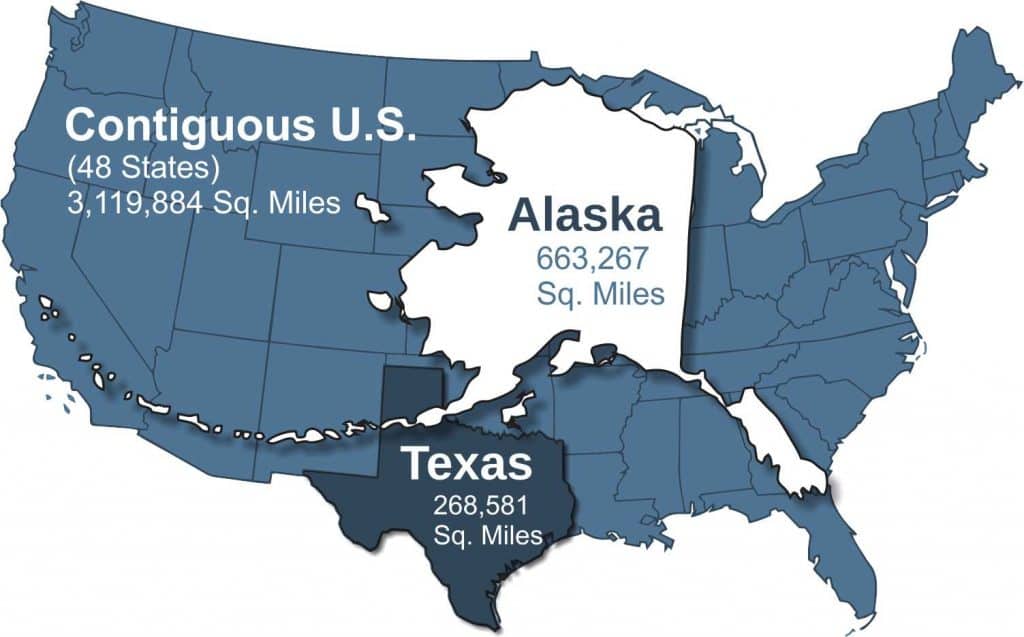
To truly grasp the scale of Texas, we must first confront the numbers. The official land area of Texas is a staggering 261,231.71 square miles. This figure places it firmly as the second-largest state in the United States by area, trailing only Alaska. However, when considering contiguous United States, Texas reigns supreme, a testament to its sprawling territory.
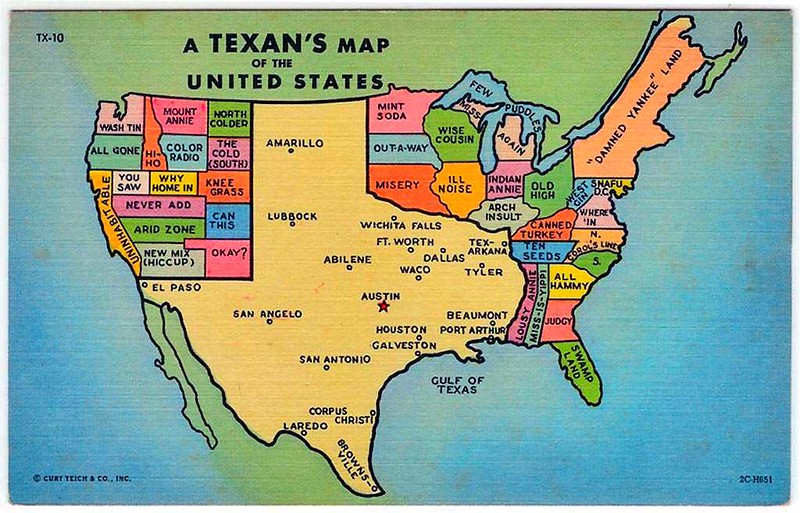
This immense area is not a uniform, featureless plain. Instead, it is a dynamic and varied landscape shaped by geological history and climate. The sheer size translates to significant geographical diversity, influencing everything from the types of attractions you’ll find to the best ways to travel and experience the state. Imagine driving across Texas; it’s akin to traversing multiple smaller countries, each with its own distinct character.
A Patchwork of Geography: From Piney Woods to Desert Sands
The vastness of Texas means it encompasses a remarkable array of natural environments. To the east, the Piney Woods region offers lush forests and a humid subtropical climate, a stark contrast to the arid, rugged beauty of West Texas. Here, the iconic Chihuahuan Desert stretches across the horizon, punctuated by dramatic mountain ranges and vast, open skies.
In between these extremes lie the fertile plains of Central Texas, the rolling hills of the Texas Hill Country, and the extensive coastline along the Gulf of Mexico. Each of these regions boasts unique ecosystems, attractions, and tourism opportunities. The climate varies considerably, from the cooler, wetter conditions in the north to the hotter, drier climate in the south and west. This geographical mosaic directly impacts the types of flora and fauna, agricultural practices, and even the local dialects and traditions you’ll encounter.
The Gulf Coast, for instance, is a prime destination for beach lovers and anglers, with popular spots like Galveston Island offering a coastal escape. Further inland, the Texas Hill Country is renowned for its scenic drives, wineries, and charming small towns like Fredericksburg, a draw for those seeking a more relaxed, bucolic lifestyle.
Navigating the Lone Star State: Travel and Accommodation on a Grand Scale
The sheer size of Texas has profound implications for travel and accommodation. Planning a trip requires an understanding of the distances involved and the best ways to cover them. Whether you’re a budget traveler, a luxury seeker, or a family on an adventure, Texas offers a spectrum of options, but logistics are key.
Transportation: Bridging the Miles
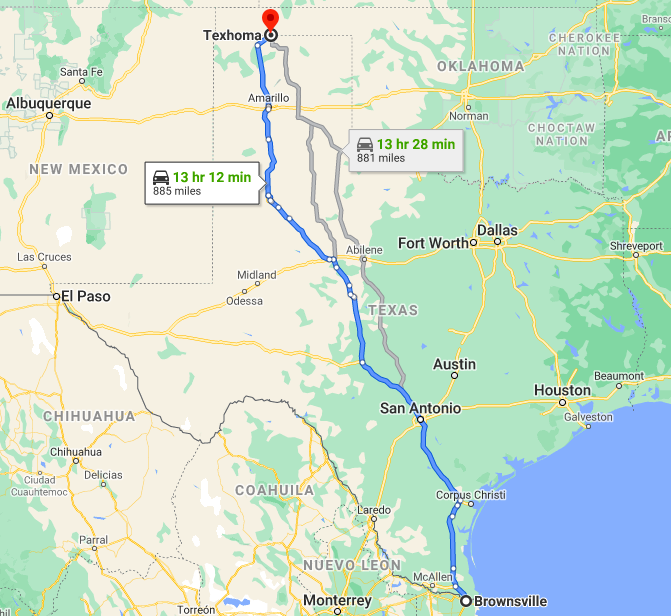
When you ask “How big is Texas in square miles?”, you’re implicitly asking about the journey. The vastness necessitates efficient travel methods. While driving is a popular and often scenic way to explore Texas, it’s important to be prepared for long distances. A drive from Texarkana in the northeast to El Paso in the far west can take well over 10 hours, crossing multiple time zones and diverse landscapes.
For those with limited time or who prefer to avoid extensive driving, air travel is a viable option. Major cities like Dallas, Houston, San Antonio, and Austin all have significant airports that serve as hubs for both domestic and international flights. These cities often act as springboards for exploring their respective regions, with rental cars being the primary mode of transport once you arrive.
Within cities and even between some major hubs, bus services and train routes offer more budget-friendly alternatives, though they are naturally slower. However, for experiencing the true breadth of Texas, from the oil fields of the Permian Basin to the historical sites of the Alamo in San Antonio, a combination of flights and rental cars often provides the most practical solution.
Accommodation: A Texas-Sized Selection
The diverse regions and sprawling nature of Texas translate into an equally diverse range of accommodation options. From luxurious resorts offering world-class amenities to charming boutique hotels in historic districts, and practical apartments for longer stays, there’s something to suit every preference and budget.
In major urban centers like Dallas and Houston, you’ll find an abundance of hotels catering to business travelers and tourists alike. The Grand Hyatt Hotel in Dallas, for example, offers a central location and sophisticated accommodations. For those seeking a more immersive experience, the Hotel San Jose in Austin provides a unique, stylish stay with its minimalist bungalows and lively courtyard.
For a taste of Texas hospitality on a grand scale, consider the numerous ranches that offer accommodation. These can range from luxurious dude ranches with horseback riding and fine dining to more rustic, authentic experiences. The Texas Hill Country is particularly known for its charming bed and breakfasts and unique cabin rentals, perfect for a romantic getaway or a family retreat.
When considering long-term stays or group accommodations, villas and apartments become attractive options. Many of these are found in the vibrant neighborhoods of Austin or near the cultural attractions of San Antonio. The decision of where to stay often depends on your travel goals. Are you here to explore the vibrant nightlife of Austin, delve into the history of San Antonio, experience the arts scene in Dallas, or soak in the cosmopolitan energy of Houston? Each city, and indeed each region, presents a distinct lodging landscape.
Exploring the Heart of Texas: Tourism, Culture, and Lifestyle
Beyond its sheer size, Texas is defined by its rich tapestry of culture, history, and lifestyle. The vastness allows for a multitude of unique experiences, from delving into the local food scene to exploring iconic landmarks and embracing a distinctive Texan way of life.
Landmarks and Attractions: A Universe of Experiences
The scale of Texas means that its landmarks and attractions are spread far and wide, each offering a unique glimpse into the state’s identity. In San Antonio, the Alamo stands as a powerful symbol of Texan independence and courage, drawing visitors who wish to connect with the state’s storied past. Nearby, the San Antonio River Walk offers a more relaxed, charming experience with its shops, restaurants, and boat tours.
Further west, Big Bend National Park showcases the breathtaking natural beauty of the Chihuahuan Desert, with its rugged mountains, vast canyons, and opportunities for hiking and stargazing. The sheer scale of the park mirrors the state’s own immensity, offering a profound sense of wilderness.
In North Texas, Dallas boasts a thriving arts district, world-class museums like the Dallas Museum of Art, and the poignant Sixth Floor Museum at Dealey Plaza, commemorating the life and assassination of President John F. Kennedy. Fort Worth, often considered Dallas’s cultural twin, offers a more Western flair with its famous Stockyards National Historic District, where you can witness daily cattle drives.
The culinary landscape of Texas is as diverse as its geography. From the smoky barbecue joints that dot the state to the vibrant Tex-Mex cuisine found along the border, and the international flavors of its major cities, food is a significant part of the Texan experience. Exploring these culinary offerings is a journey in itself, a delicious exploration of the state’s cultural influences.
Lifestyle: The Texas Way
The lifestyle in Texas is as varied as its square miles suggest. While often characterized by a sense of independence and a deep connection to the land, this is a state of contrasts. You’ll find the fast-paced, career-driven environment of the metropolises alongside the laid-back, traditional pace of rural communities.
Luxury travel in Texas can mean anything from staying in five-star resorts in Austin to enjoying private villas in the Texas Hill Country. Conversely, budget travel is equally achievable, with affordable hotels, charming motels, and extensive camping opportunities in state and national parks.
Family trips can be tailored to a wide range of interests, from the theme parks and museums of the major cities to the outdoor adventures available in places like Palo Duro Canyon State Park, known as the “Grand Canyon of Texas.” Business stays are well-catered to in the commercial hubs, with ample conference facilities and business-friendly accommodations.
In essence, the question “How big is Texas in square miles?” opens a gateway to understanding a state that is not just large in size, but also in opportunity, culture, and spirit. Its immensity is not a barrier, but an invitation to explore, discover, and experience the boundless possibilities that the Lone Star State has to offer. From the smallest motel to the grandest resort, from the shortest city break to the longest road trip, Texas is a destination that truly lives up to its colossal reputation.
LifeOutOfTheBox is a participant in the Amazon Services LLC Associates Program, an affiliate advertising program designed to provide a means for sites to earn advertising fees by advertising and linking to Amazon.com. Amazon, the Amazon logo, AmazonSupply, and the AmazonSupply logo are trademarks of Amazon.com, Inc. or its affiliates. As an Amazon Associate we earn affiliate commissions from qualifying purchases.