
The California Condor stands as a monumental figure in the natural landscape of North America, a living relic from the Pleistocene epoch, embodying a grandeur that captivates and inspires. Its very presence transforms the skies it graces into a canvas for observing a natural landmark in motion. When discussing the scale of this magnificent bird, we delve into dimensions that are not merely impressive but truly awe-inspiring, solidifying its status as one of the planet’s most formidable avian creatures and a pivotal natural feature of the regions it inhabits. Understanding its immense size is crucial to appreciating its ecological role, its adaptations, and the sheer spectacle of encountering such a creature in the wild. Far from being just another bird, the California Condor represents a pinnacle of natural evolution and a symbol of conservation success, its physical stature intrinsically linked to its iconic status.

A Winged Giant of the American West
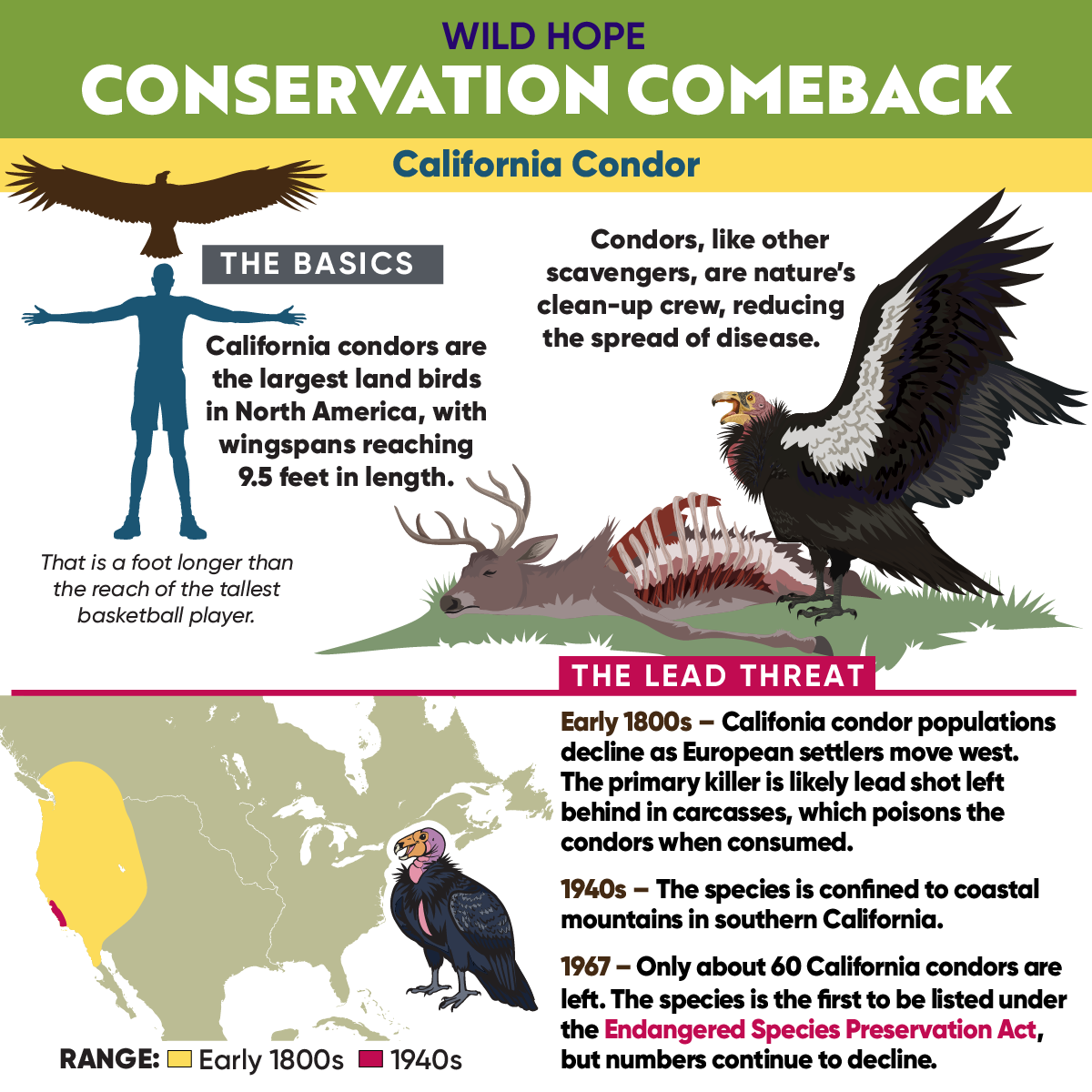
The sheer scale of the California Condor is perhaps its most defining characteristic, marking it as a true titan of the skies. With a wingspan that can reach up to an astonishing 10 feet (approximately 3 meters), it commands attention, making it the largest land bird in North America by this measure. To put this into perspective, its wingspan is wider than many small cars are long, creating a silhouette that is unmistakable against the vast backdrop of its natural habitat. The visual impact of such a wingspan, particularly when observed soaring effortlessly on thermal currents, is nothing short of breathtaking, underscoring its role as a living monument in the avian world.
Beyond its expansive wings, the California Condor boasts a considerable body length, typically measuring between 3.5 to 4.5 feet (109 to 140 centimeters) from the tip of its beak to the end of its tail. This substantial length is complemented by a robust body weight, which can range from 15 to 25 pounds (7 to 11 kilograms). While some larger birds, like ostriches, may exceed it in weight, the combination of the condor’s impressive wingspan, body length, and weight firmly establishes its dominance as a flying giant.
Comparing it to other well-known raptors further highlights its unique position. For instance, the majestic Golden Eagle, another significant bird of prey in North America, typically has a wingspan of 6.5 to 7.5 feet, making the condor’s reach substantially greater. Globally, only the Andean Condor rivals or slightly exceeds the California Condor in overall size, underscoring the latter’s exceptional status within its geographic range. The immense proportions of the California Condor are not merely for show; they are fundamental to its existence, facilitating its remarkable soaring capabilities and allowing it to cover vast distances in its search for sustenance across rugged landscapes, a testament to its evolutionary success as a vital component of its ecosystem.
Anatomy and Adaptations for Grandeur
The impressive size of the California Condor is not a random evolutionary quirk but rather a suite of highly specific adaptations perfectly suited for its ecological niche as a scavenger. Every aspect of its anatomy, from its skeletal structure to its featherless head, contributes to its grandeur and efficiency. Its massive wings are not simply long; they are broad and designed for efficient soaring, allowing the bird to ride thermals with minimal effort. This energy-saving flight style is crucial for a bird that must traverse immense territories in search of carrion, making its large wings a biological advantage rather than a burden. The bones within these wings, while large, are surprisingly lightweight, an adaptation common in large birds to reduce overall body mass and aid in flight.
The condor’s powerful musculature is concentrated in its chest, providing the necessary strength for initial takeoff and maneuvering, though it spends the majority of its flight time gliding. Its strong, albeit relatively blunt, talons are designed more for walking and gripping perches than for actively capturing prey, reflecting its scavenging lifestyle. This contrasts sharply with predatory birds, which possess razor-sharp talons for seizing live animals. The condor’s feet, while not hunting tools, are robust enough to handle the rough terrain of its cliff-side roosts and foraging grounds.
Perhaps one of the most distinctive features linked to its feeding habits is its featherless head and neck. While seemingly unsightly to human eyes, this baldness is a critical adaptation for hygiene. As the condor feeds on large carcasses, its head and neck often plunge deep into the remains. Without feathers to collect blood and other fluids, the head can be easily cleaned by sun exposure and preening, reducing the risk of bacterial infection—a vital defense for an animal whose diet inherently exposes it to pathogens. This striking anatomical detail, while not directly related to its size, is an integral part of its overall biological profile that allows it to thrive in its role. The California Condor’s exceptional eyesight, too, plays a pivotal role. From thousands of feet in the air, its keen vision allows it to spot carrion across vast expanses, an essential trait for a scavenger covering such expansive territories. All these adaptations converge to create a creature perfectly engineered for its majestic presence and ecological function.
The Condor’s Majestic Habitat: A Natural Landmark in Itself
The environments where the California Condor thrives are as spectacular and vital as the bird itself, defining these landscapes as natural landmarks of profound ecological significance. These winged giants primarily inhabit rugged, mountainous terrains, which offer the ideal conditions for their survival: strong thermal updrafts for soaring, towering cliffs for roosting and nesting, and vast, undisturbed expanses rich in carrion. These remote and often dramatic landscapes in the western United States and Baja California, Mexico, are integral to the condor’s existence, making the condor a quintessential natural emblem of these wild frontiers.
In California, their historical and re-established ranges include the Coastal Ranges, stretching from Big Sur down to Southern California, and the southern reaches of the Sierra Nevada mountains. These areas are characterized by deep canyons, high peaks, and expansive wilderness, providing the solitude and resources these immense birds require. Specific notable locations where conservation efforts have led to successful reintroductions and where visitors might have a chance to witness these birds include Pinnacles National Park in central California and the Ventana Wilderness near Big Sur, where condors gracefully navigate the dramatic coastal cliffs overlooking the Pacific Ocean.
Beyond California, condor populations have been successfully reintroduced into other equally stunning natural landmarks. In Arizona and southern Utah, the iconic Grand Canyon National Park and its surrounding plateaus serve as a critical habitat. The immense scale of the Grand Canyon mirrors the condor’s own grandeur, offering expansive vistas and deep gorges that provide perfect conditions for soaring and protection. The dramatic red rock formations and vast skies of these parks create an unforgettable backdrop for observing the condor, making the bird an integral part of the natural heritage and iconic imagery of these regions. The very presence of the California Condor in these wild, untamed territories elevates their status, marking them as living testaments to North America’s enduring wilderness and biodiversity.

Conservation and the Future of a Living Landmark
The story of the California Condor is not merely one of impressive size and majestic habitat; it is also a profound narrative of near-extinction and remarkable recovery, solidifying its role as a living landmark representing the power of dedicated conservation. By the early 1980s, the species teetered on the brink, with only 22 individuals remaining in the wild. This dire situation spurred an unprecedented, all-encompassing captive breeding program, a last-ditch effort to save one of North America’s most iconic natural treasures. Every single wild condor was captured, an extreme measure that ultimately proved to be the species’ salvation.
The intensive efforts involved breeding these magnificent birds in controlled environments, carefully managing their genetics to ensure diversity, and preparing them for eventual release back into their ancestral territories. This multi-decadal project, involving countless scientists, conservationists, and volunteers, has slowly but steadily brought the species back from the precipice. Today, the total population, including both wild and captive birds, exceeds 500, a testament to the success of this monumental undertaking. This comeback story makes the California Condor not just an ancient living landmark, but a powerful symbol of hope and the efficacy of human intervention in preserving biodiversity.
However, the journey is far from over. The condors still face ongoing threats, primarily from lead poisoning, which occurs when they ingest bullet fragments from carrion left by hunters. Other dangers include habitat loss and poisoning from pesticides. Consequently, continuous monitoring, public education, and policy changes, such as the gradual phasing out of lead ammunition in their range, are vital for their long-term survival. The ethical observation of these birds, ensuring minimal disturbance to their natural behaviors and sensitive nesting sites, is also paramount.
The continued existence of the California Condor in the skies above the Grand Canyon, the Sierra Nevada, and the Coastal Ranges is a reminder that natural landmarks are not always static geographical features. Sometimes, they are dynamic, living entities that embody the very spirit of wilderness and the profound commitment required to protect it. Their soaring presence serves as a constant, moving symbol of both past environmental struggles and future ecological triumphs.
LifeOutOfTheBox is a participant in the Amazon Services LLC Associates Program, an affiliate advertising program designed to provide a means for sites to earn advertising fees by advertising and linking to Amazon.com. Amazon, the Amazon logo, AmazonSupply, and the AmazonSupply logo are trademarks of Amazon.com, Inc. or its affiliates. As an Amazon Associate we earn affiliate commissions from qualifying purchases.