
The story of the RMS Titanic is one that continues to captivate hearts and minds over a century after its fateful maiden voyage. Beyond the harrowing tales of heroism and tragedy, the ship’s physical remnants offer a tangible connection to that pivotal moment in history. One of the most remarkable and poignant of these artifacts is the “Big Piece” – a 15-ton section of the ship’s hull, meticulously recovered from the depths of the North Atlantic Ocean. Today, this colossal relic finds an unexpected home in the vibrant, arid landscape of Las Vegas, forming the breathtaking centerpiece of the Titanic: The Artifact Exhibition.
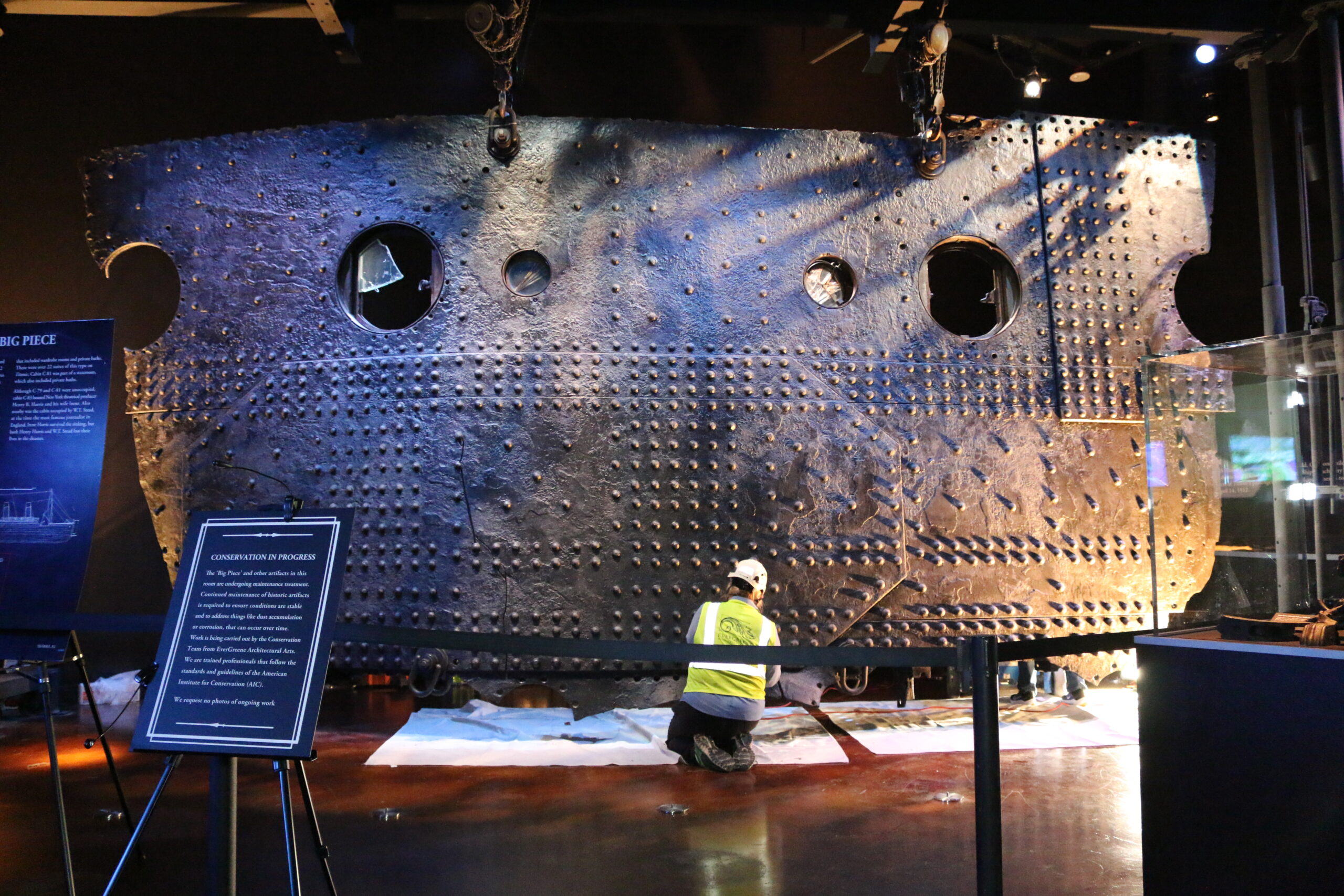
Yet, its presence in a controlled desert environment raises a critical, often pondered question: how brittle is this monumental piece of history? The answer lies at the intersection of deep-sea corrosion, advanced conservation science, and the sheer challenge of preserving a relic that spent over 70 years submerged in an extreme marine environment. For travelers and history enthusiasts planning a visit to this extraordinary landmark, understanding the fragility and the immense effort behind its display enriches the entire experience, transforming a simple viewing into a profound appreciation for its survival.
The Enduring Legacy of the RMS Titanic in the Entertainment Capital
Las Vegas, a city synonymous with grandeur, spectacle, and a seemingly endless array of unique attractions, might seem an unlikely guardian for such a solemn piece of maritime history. However, the presence of Titanic: The Artifact Exhibition at the Luxor Hotel and Casino is a testament to the universal appeal of the RMS Titanic narrative and the city’s capacity to host world-class cultural experiences. It offers a profound counterpoint to the city’s more ephemeral delights, inviting visitors to pause and reflect on a story of human ambition, hubris, and resilience.
The Allure of Titanic: The Artifact Exhibition in Las Vegas
For millions of tourists who flock to Las Vegas each year, the desire for unique and memorable experiences goes beyond the gaming tables and extravagant shows. Titanic: The Artifact Exhibition perfectly taps into this demand, offering an immersive journey back in time that blends education with emotional resonance. As a leading attraction, it consistently draws crowds eager to connect with the authentic story of the ship. The exhibition’s allure stems from its commitment to historical accuracy, presenting hundreds of genuine artifacts recovered from the wreck site. These personal effects, from clothing to china, offer intimate glimpses into the lives of those who sailed on the ship, transforming abstract history into concrete, relatable narratives. The exhibition positions itself not just as a display of relics but as a poignant tribute, honoring the memories of the passengers and crew through painstaking historical reconstruction and thoughtful presentation. This makes it a must-visit destination for anyone interested in history, engineering, or simply seeking a deeply moving experience amidst their travel adventures in Las Vegas.
Stepping Back in Time: A Glimpse into the Past
Upon entering the exhibition, visitors are immediately transported to April 1912. Each guest receives a replica boarding pass, bearing the name of an actual passenger, fostering an immediate, personal connection to the story. The journey through the exhibit is meticulously designed to recreate the atmosphere of the ship. Visitors walk through full-scale recreations of the grand staircase, first-class cabins, and boiler rooms, marveling at the luxury and technological marvel of the era. Soundscapes, lighting, and detailed set designs further enhance the immersive quality, allowing one to almost hear the chatter of passengers or the thrum of the engines. Beyond the meticulously recreated environments, the exhibition showcases a vast collection of artifacts, from unopened bottles of champagne to delicate pieces of jewelry, all painstakingly preserved. Each item tells a story, offering a unique perspective on the lives onboard – the hopes, dreams, and eventual fates of those who embarked on the ship’s inaugural, and final, voyage. The cumulative effect is a powerful, educational, and deeply emotional experience that leaves an indelible mark on every visitor.
Unveiling the “Big Piece”: A Monumental Challenge in Preservation
The “Big Piece” stands as the undisputed star of Titanic: The Artifact Exhibition, an awe-inspiring and sobering testament to the scale of the disaster and the incredible efforts of deep-sea recovery. Its journey from the ocean floor to a climate-controlled exhibition hall in the Nevada desert is a saga of engineering prowess, scientific dedication, and profound respect for history. However, its very existence as a displayable artifact is a triumph over the relentless forces of nature that had rendered it incredibly fragile.
The Journey from the Ocean Floor to the Desert City
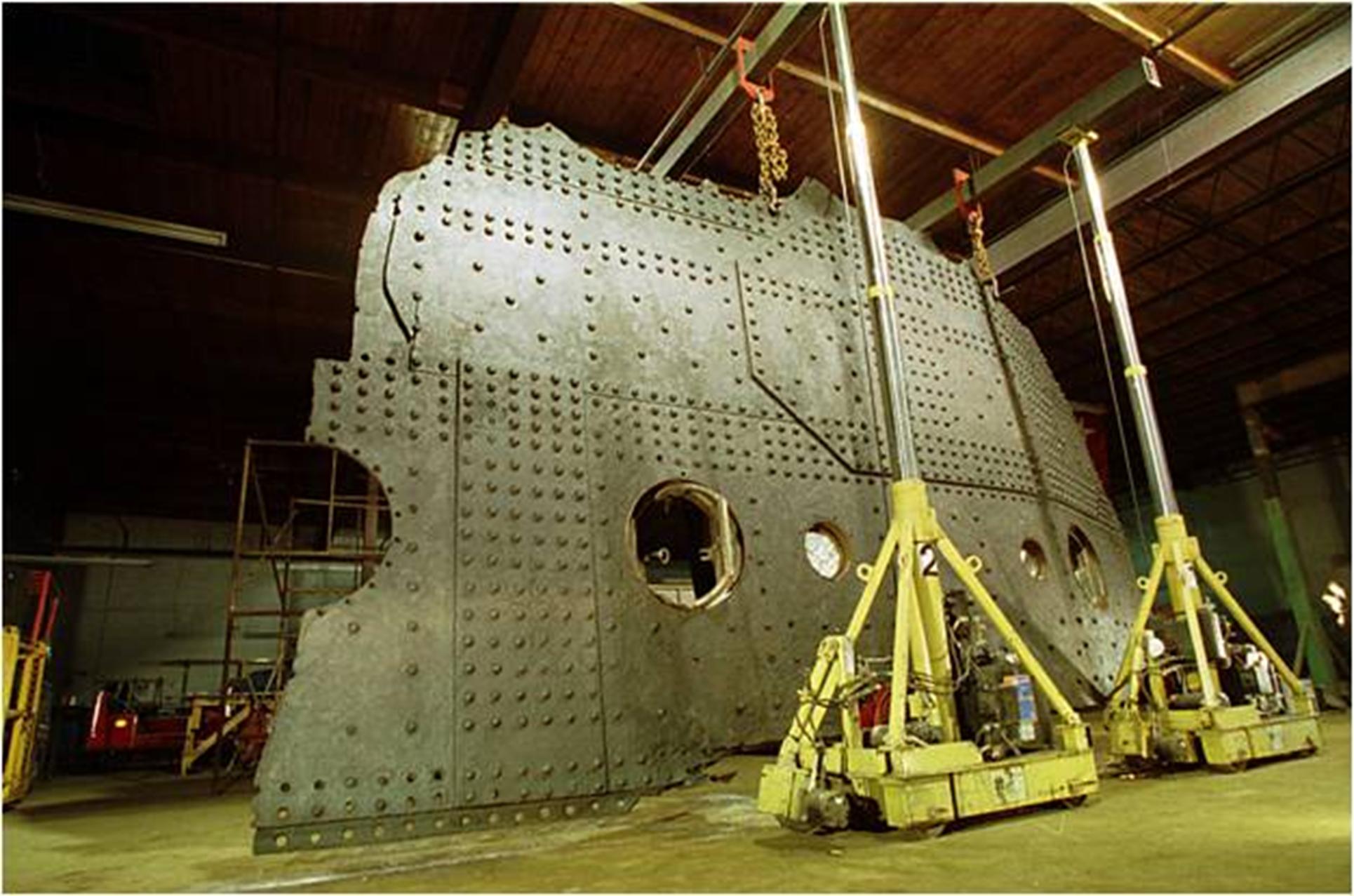
The wreck of the RMS Titanic was famously discovered in 1985 by Robert Ballard, lying nearly 2.5 miles (4 kilometers) beneath the surface of the North Atlantic Ocean. While initial expeditions focused on documentation, the idea of recovering significant portions of the ship eventually took hold. The “Big Piece,” weighing an astonishing 15 tons and measuring approximately 20 feet by 12 feet, represents a section of the ship’s starboard side, originally from the promenade deck area. It was recovered in 1998 by RMS Titanic Inc., the sole salvager of artifacts from the wreck site, in an audacious feat of maritime engineering. Specialized submersibles and remote-operated vehicles were employed to carefully lift the massive section from its watery grave. The challenging conditions of the deep ocean – freezing temperatures, immense pressure, and absolute darkness – presented formidable obstacles. Its successful retrieval was not merely a matter of brute force but of meticulous planning and sophisticated technology, marking a significant milestone in deep-sea archaeology and recovery.
Understanding the Materials: The Science Behind the Brittleness
The core question regarding the “Big Piece” revolves around its structural integrity after decades underwater. The ship’s hull was constructed primarily of wrought iron and steel. While famously considered unsinkable, the original steel, by modern standards, contained a higher sulfur content, which can increase its susceptibility to brittle fracture in cold temperatures, a factor potentially contributing to the ship’s rapid breakup. However, the brittleness of the “Big Piece” today stems from a different, post-sinking phenomenon: graphitization.
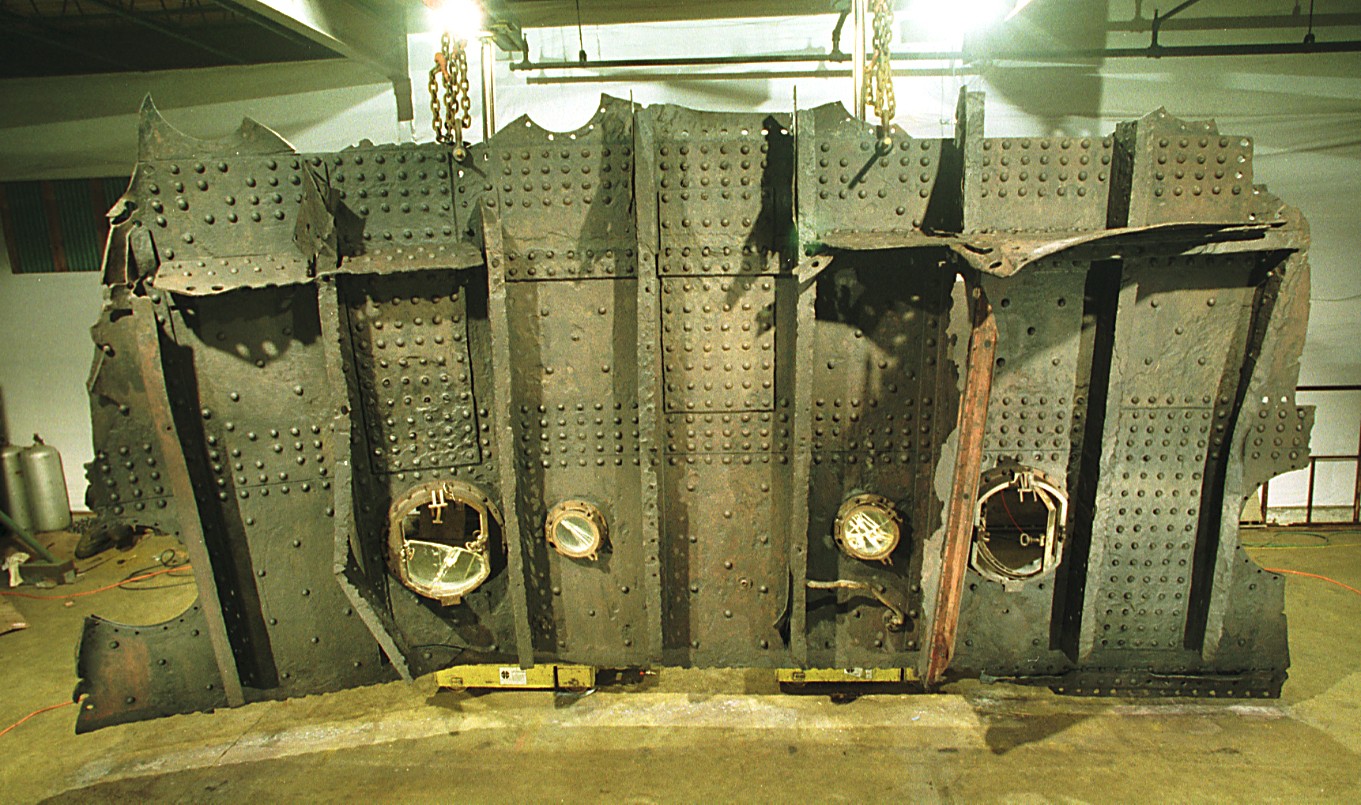
When iron and steel are exposed to the deep-sea environment for prolonged periods, they undergo a process of corrosion that is unique and devastating to their structural integrity. In the absence of oxygen and with the presence of sulfates (from seawater), a specific type of corrosion occurs. The iron content in the steel can slowly leach out, leaving behind a porous, carbonaceous matrix that resembles graphite. This process, known as graphitization, essentially replaces the strong metallic bonds of the steel with a fragile, brittle, sponge-like material. The original robust structure becomes extremely delicate, unable to withstand mechanical stress it once easily bore. Imagine a strong metal turning into a piece of charcoal – visually similar but fundamentally altered in strength. This extreme fragility means that every handling, every movement, and every environmental change poses a significant threat to the “Big Piece.” It is no longer solid steel in the conventional sense but a highly compromised, scientifically fascinating, and incredibly delicate shell of its former self.
The Delicate Dance of Conservation: Maintaining Integrity
Given its inherent brittleness, the conservation of the “Big Piece” has been a monumental undertaking, demanding innovative scientific approaches. Upon recovery, the artifact was immediately placed in a specialized tank for a multi-year treatment process. The primary challenge was removing the vast quantities of corrosive chloride ions absorbed during its time in the ocean, a process known as desalination. If these chlorides were not removed, they would continue to accelerate the internal corrosion, even on dry land.
The “Big Piece” underwent electrolysis and controlled bathing in solutions designed to draw out the salts slowly and meticulously, preventing further degradation. This painstaking process lasted for years, requiring constant monitoring. Following desalination, the artifact had to be carefully dried to prevent desiccation cracks and further structural collapse. Today, in Las Vegas, the “Big Piece” resides in a meticulously controlled environment. The exhibition hall maintains precise temperature and humidity levels, constantly monitored to minimize any fluctuations that could stress the delicate material. Specialized lighting prevents UV damage, and air filtration systems protect against atmospheric pollutants. The sheer scale of the artifact, combined with its fragility, means that any future movement or even minor environmental instability could be catastrophic. Thus, its display is not just a static presentation but an ongoing, active act of conservation, a testament to the dedication of conservators and historians to preserve this irreplaceable link to the past for future generations of travelers and scholars alike.
The Visitor Experience: Confronting History Up Close
Visiting Titanic: The Artifact Exhibition offers an experience unlike any other in Las Vegas. While the city is known for its dazzling lights and entertainment, this exhibition provides a profound encounter with history, allowing visitors to connect deeply with the human stories behind the tragedy. The highlight, undoubtedly, is the opportunity to stand before the “Big Piece,” an encounter that is both humbling and incredibly impactful.
More Than Just an Exhibit: An Emotional and Educational Journey
The exhibition transcends the typical museum experience; it’s an emotional pilgrimage. As visitors move through the reconstructed hallways and past personal effects, they gain a vivid understanding of life aboard the RMS Titanic. But it is the moment of encountering the “Big Piece” that truly elevates the experience. Standing before this massive, corroded section of the ship’s hull, one can almost feel the weight of history. The visible rivets, the portholes through which passengers once gazed, and the sheer scale of the artifact make the abstract concept of a sunken ship powerfully concrete. It’s a stark reminder of the immense forces that brought down the “unsinkable” vessel and the vulnerability of human endeavors. This tactile connection to history evokes a range of emotions, from awe at its survival to sorrow for the lives lost. It serves as a powerful educational tool, teaching not just about the ship itself, but about the era, the class structures, the engineering, and the enduring human spirit in the face of disaster. For travelers seeking meaningful experiences, the exhibition delivers a unique blend of historical insight and emotional resonance.
Engaging with the Artifacts: What Makes the “Big Piece” So Impactful
The impact of the “Big Piece” stems from its authenticity and scale. Unlike smaller artifacts that can be held and examined, the “Big Piece” engulfs the viewer, demanding attention through its sheer presence. It is a tangible link to the actual structure of the ship, making the tragedy feel incredibly real. Visitors can trace the contours of the steel, observe the effects of deep-sea corrosion firsthand, and contemplate the silent story etched into its surface.
The exhibit intelligently uses context and personal narratives to amplify this impact. Alongside the “Big Piece,” visitors encounter stories of individuals who sailed on the ship, making the loss palpable. The contrast between the grandeur of the ship’s design (as seen in the replicas) and the raw, broken reality of the recovered hull piece creates a powerful narrative arc. It transforms a historical event into a personal experience, allowing visitors to feel a connection to the past in a way that mere textbooks or films cannot achieve. This profound engagement is what makes the “Big Piece” not just a display item, but a cornerstone of remembrance and a powerful testament to the enduring fascination with the RMS Titanic story, drawing visitors from around the globe to Las Vegas for this unparalleled encounter.
Beyond the Big Piece: The Broader Context of Artifact Preservation and Tourism
The “Big Piece” of the RMS Titanic in Las Vegas is more than just a remarkable artifact; it represents a triumph of preservation science and a unique intersection of global heritage and modern tourism. Its display raises important questions about how we, as a society, choose to interact with and present invaluable historical relics, especially those recovered from challenging environments.
The Role of Las Vegas in Showcasing Global Heritage
Las Vegas is often perceived as a hub of entertainment and extravagance, a city where the ephemeral reigns supreme. However, its capacity to attract millions of visitors from across the globe makes it an ideal, albeit unconventional, venue for showcasing significant cultural and historical exhibitions. The Titanic: The Artifact Exhibition at the Luxor Hotel and Casino demonstrates how the city can serve as a powerful platform for cultural exchange and historical education. By hosting such a prominent artifact, Las Vegas makes the profound story of the RMS Titanic accessible to a diverse international audience who might not otherwise encounter it. This blend of entertainment tourism and historical appreciation allows for a wider dissemination of knowledge and fosters a deeper appreciation for global heritage. It challenges preconceived notions of what a “tourist attraction” can be, proving that even in a city built on transient delights, there is a strong appetite for experiences that offer depth, reflection, and a tangible connection to the past. This positions Las Vegas not just as a destination for leisure, but as an unexpected, yet effective, custodian of world history.
Lessons from the Deep: The Future of Maritime Archaeology and Display
The “Big Piece” serves as a powerful, real-world case study in the complex field of maritime archaeology and artifact conservation. Its journey from the extreme conditions of the deep ocean to a carefully controlled exhibition environment highlights both the incredible potential and the immense challenges involved in preserving deep-sea relics. The scientific efforts behind its desalination and stabilization offer invaluable lessons for future recoveries, demonstrating the necessity of interdisciplinary collaboration between marine archaeologists, conservators, material scientists, and engineers.
Furthermore, the very act of recovering and displaying the “Big Piece” continues to fuel ethical debates within the archaeological community: should such historical sites be left undisturbed as memorials and scientific laboratories, or should artifacts be recovered for public display and education? The RMS Titanic wreck site is a deeply emotional and historically significant location, raising questions about respecting the deceased versus preserving material culture. Regardless of one’s stance on salvage, the meticulous care given to the “Big Piece” in Las Vegas underscores the commitment to ensuring that recovered artifacts are treated with the utmost respect and scientific rigor. It teaches us that the story of these artifacts doesn’t end with their recovery; it continues through their careful preservation and thoughtful presentation, allowing them to educate and inspire for generations to come. The brittleness of the “Big Piece” is a constant reminder of its incredible journey and the fragile nature of history itself, demanding ongoing vigilance and dedicated expertise to maintain its legacy.
LifeOutOfTheBox is a participant in the Amazon Services LLC Associates Program, an affiliate advertising program designed to provide a means for sites to earn advertising fees by advertising and linking to Amazon.com. Amazon, the Amazon logo, AmazonSupply, and the AmazonSupply logo are trademarks of Amazon.com, Inc. or its affiliates. As an Amazon Associate we earn affiliate commissions from qualifying purchases.