
Albuquerque, the largest city in the state of New Mexico, is a vibrant urban center nestled against the majestic Sandia Mountains and bisected by the historic Rio Grande. As a burgeoning hub in the American Southwest, understanding its population is key to appreciating its dynamic growth, diverse culture, and evolving identity. According to recent estimates, the population of Albuquerque sits at approximately 560,000 residents within the city limits. When considering the broader metropolitan area, which includes surrounding communities, this figure swells to over 920,000 people, making it a significant regional center.
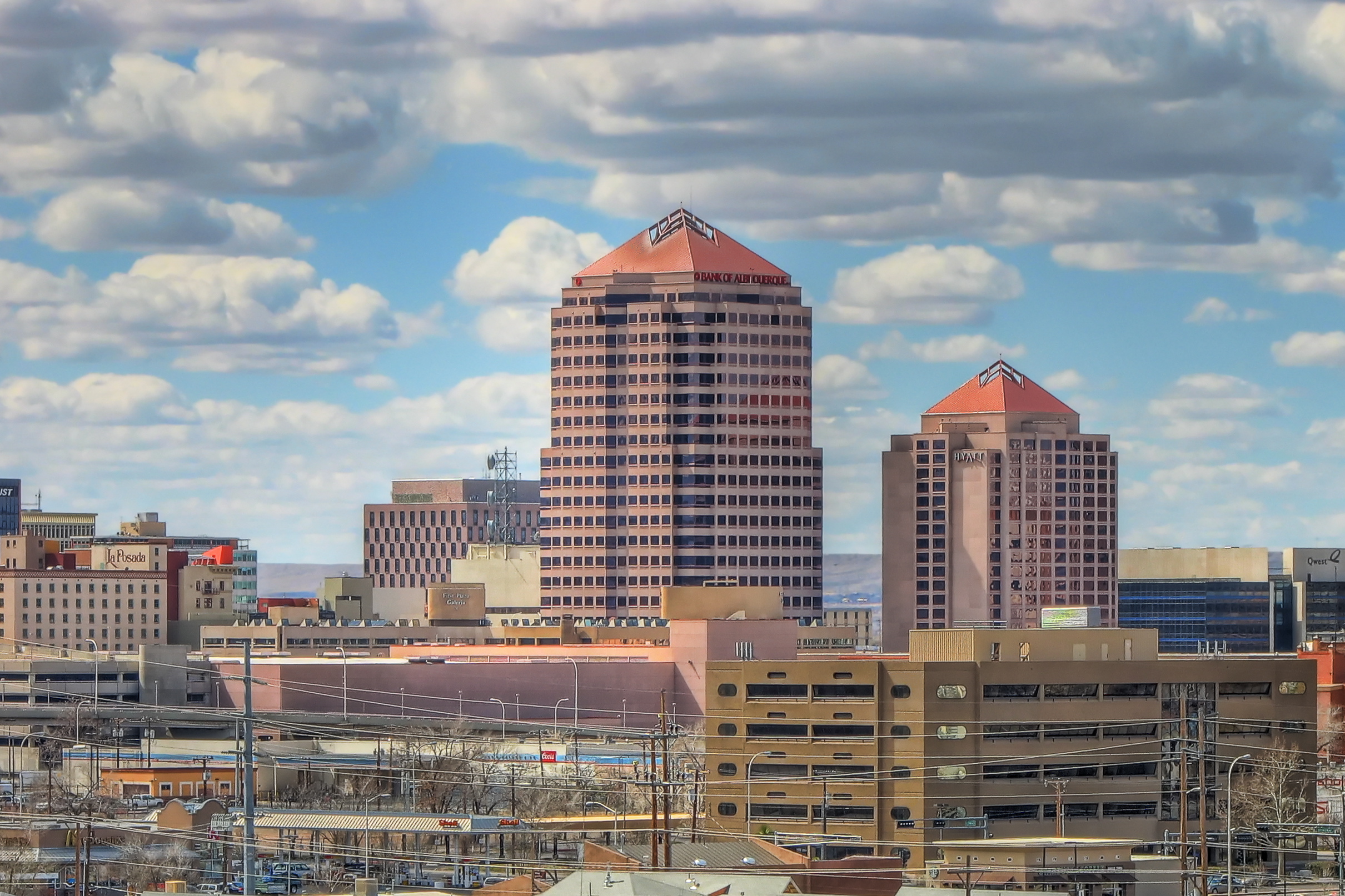
This population figure isn’t just a number; it represents a fascinating blend of history, culture, and progress that defines the “Duke City.” From its deep Native American roots and rich Spanish colonial heritage to its modern role as a center for technology, education, and the arts, Albuquerque’s population is a living mosaic. This article delves into the demographics of Albuquerque, exploring how its population shapes its unique travel appeal, accommodation landscape, diverse lifestyle, and its future as a destination for both residents and visitors seeking an authentic Southwestern experience.
Unpacking Albuquerque’s Demographics: Growth, Diversity, and Urban Character
Albuquerque’s population story is one of consistent growth, driven by its strategic location, a robust economy, and its undeniable quality of life. The city has steadily expanded since its founding in 1706, particularly experiencing significant booms in the post-World War II era and continuing into the 21st century. This growth isn’t just about increasing numbers; it’s about the evolving character of the city, influencing everything from its infrastructure to its cultural offerings.
A Tapestry of Cultures
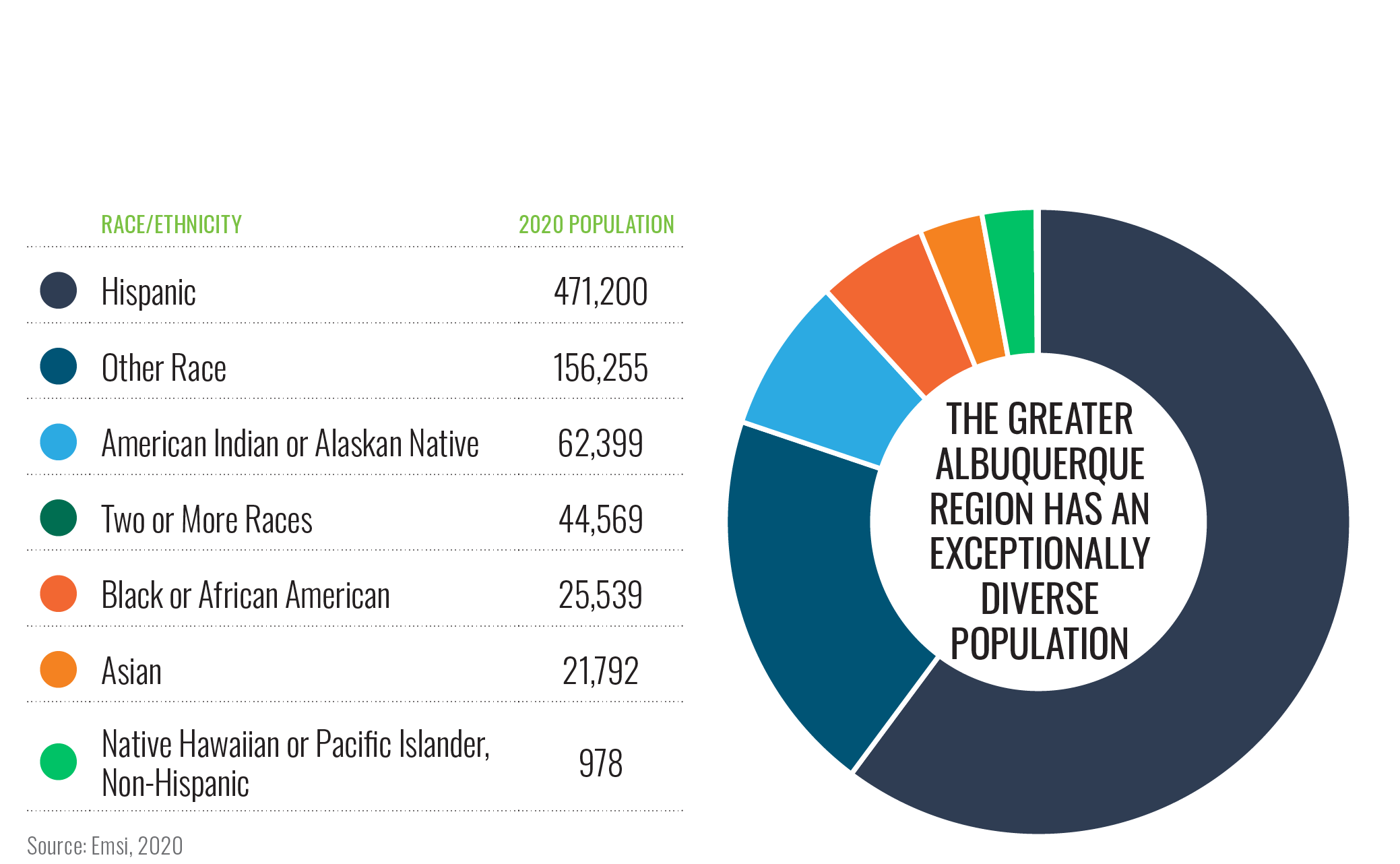
The demographic makeup of Albuquerque is a testament to its long and varied history. The city boasts a rich Hispanic population, a legacy of its Spanish founding and its proximity to Mexico. This is beautifully complemented by a strong Native American presence, with many residents tracing their ancestry to the nineteen Pueblos scattered throughout New Mexico, as well as Navajo and Apache communities. Beyond these foundational groups, Albuquerque is home to a growing Anglo population and diverse communities from across the globe, attracted by opportunities in science, education, and the arts.
This multicultural fabric is not merely statistical; it is woven into the daily life of Albuquerque. It influences the city’s celebrated culinary scene, its vibrant arts community, its numerous festivals, and the very architecture that blends traditional adobe styles with modern design. For travelers, this diversity translates into a rich array of experiences, from exploring historic Old Town Albuquerque with its centuries-old church, San Felipe de Neri Church, to visiting the Indian Pueblo Cultural Center, which provides profound insights into the region’s original inhabitants. This cultural mosaic ensures that every visit offers a unique educational and sensory journey, appealing to those interested in local culture and authentic activities.
Economic Drivers and Quality of Life
The consistent growth in Albuquerque’s population is also linked to its economic landscape. The city has become a hub for technology and research, particularly with institutions like Sandia National Laboratories and Kirtland Air Force Base, attracting a skilled workforce. The University of New Mexico further cements its role as an educational and research powerhouse, drawing students and academics from around the world. These sectors, combined with a growing healthcare industry and an increasingly dynamic small business environment, provide diverse employment opportunities that sustain and attract new residents.
Moreover, Albuquerque’s quality of life is a significant draw. Its over 310 days of sunshine annually, access to outdoor recreation in the Sandia Mountains and along the Rio Grande Bosque, and a relatively affordable cost of living compared to other Southwestern cities make it an attractive place to settle. This balance of urban amenities and natural beauty contributes to a desirable lifestyle that continues to draw individuals and families, further shaping the city’s demographic profile.
Albuquerque as a Dynamic Travel Destination: Embracing the Duke City’s Appeal
The population figures and their underlying demographics profoundly impact Albuquerque’s appeal as a travel destination. A diverse and growing population means a more robust infrastructure, a wider array of attractions, and a richer set of experiences for visitors. From thrilling outdoor adventures to deep cultural immersion, Albuquerque offers something for every type of traveler.
Iconic Landmarks and Natural Wonders
Albuquerque’s most iconic landmarks are often intertwined with its natural setting. The Sandia Peak Tramway, one of the longest aerial tramways in the world, whisks visitors to the top of Sandia Peak for breathtaking panoramic views of the city, the Rio Grande Valley, and beyond. This attraction is not just a feat of engineering; it’s a gateway to hiking, biking, and skiing, embodying the city’s connection to nature.
Old Town Albuquerque, the city’s historic heart, is another must-visit. With its adobe buildings, quaint shops, and central plaza, it offers a glimpse into Albuquerque’s Spanish colonial past. Here, visitors can explore museums, art galleries, and enjoy authentic New Mexican cuisine. The nearby Explora Science Center and Children’s Museum and the New Mexico Museum of Natural History and Science provide educational and entertaining experiences for families, highlighting the city’s commitment to learning and discovery.
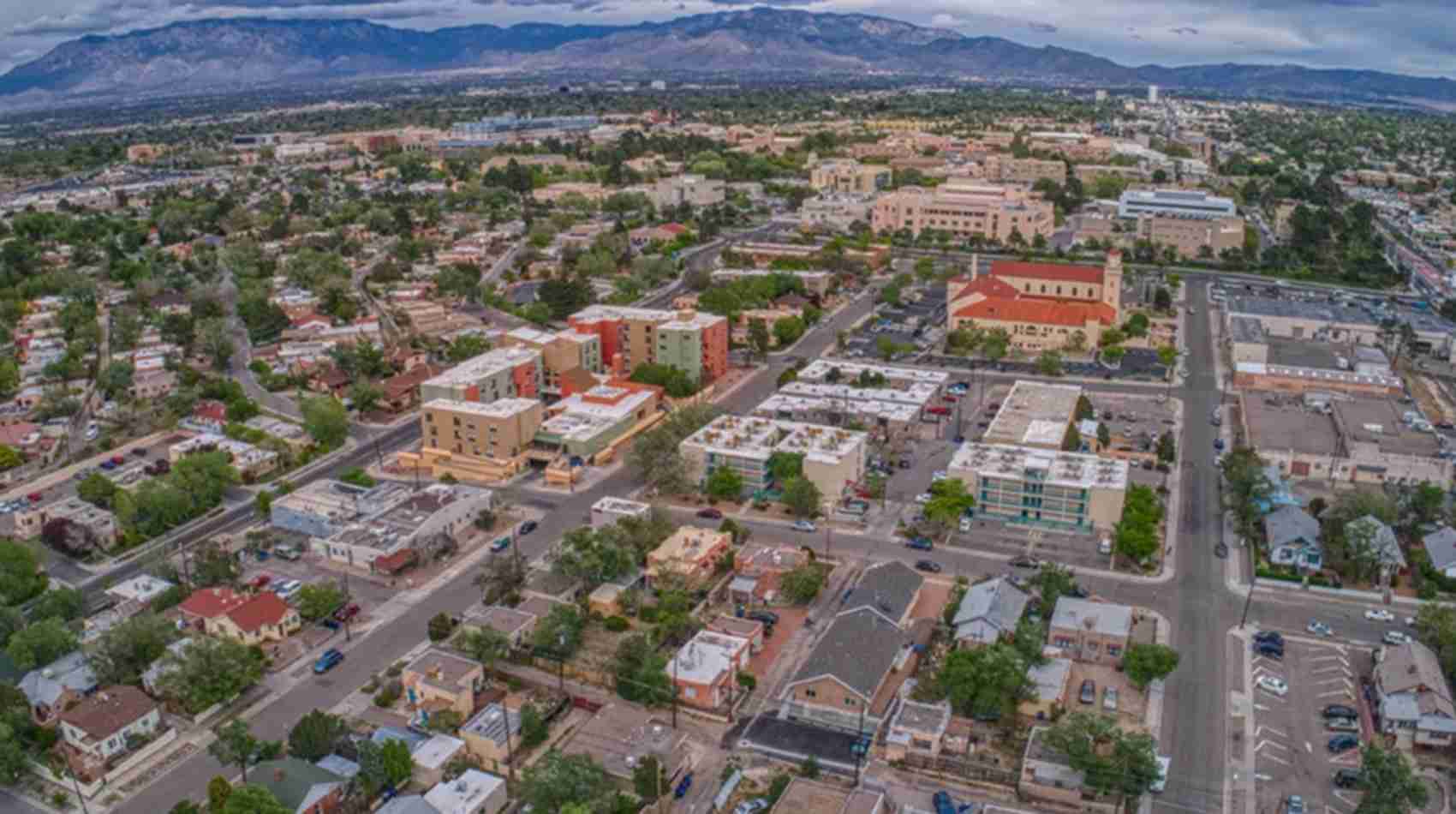
For those interested in the broader history and culture of the region, the Indian Pueblo Cultural Center offers an unparalleled opportunity to learn about the nineteen Pueblos of New Mexico through traditional dances, art, and storytelling. Meanwhile, the National Museum of Nuclear Science & History provides a fascinating, albeit sobering, look at Albuquerque’s role in the Atomic Age. These landmarks showcase the depth and breadth of experiences available, catering to diverse interests from history buffs to nature enthusiasts.
Events, Cuisine, and Local Experiences
Albuquerque’s population size supports a vibrant calendar of events and a thriving culinary scene. The most famous event, the Albuquerque International Balloon Fiesta, draws hundreds of thousands of spectators and balloonists from around the globe each October, transforming the city’s skies into a canvas of color. This world-renowned spectacle not only highlights Albuquerque’s unique atmosphere but also showcases its capacity to host major international events.
Beyond the Balloon Fiesta, the city’s diverse population ensures a dynamic cultural calendar filled with art walks, music festivals, and traditional celebrations. The culinary scene is a reflection of this diversity, offering everything from classic New Mexican fare — think green chile stew and breakfast burritos smothered in red or green chile — to international cuisine and innovative farm-to-table restaurants. Districts like Nob Hill and Downtown Albuquerque are bustling with eateries, breweries, and distilleries, providing ample opportunities for visitors to taste the local flavor and engage with the city’s lifestyle. These local experiences are central to the tourism appeal, inviting visitors to go beyond mere sightseeing and truly immerse themselves in the city’s unique spirit.
Accommodation and Lifestyle in the Duke City
The size and characteristics of Albuquerque’s population directly influence its accommodation options and the overall lifestyle it offers. Whether you’re visiting for a short getaway, planning a long-term stay, or considering a move, the city provides a broad spectrum of choices designed to meet various needs and preferences.
Diverse Accommodation Options
For travelers, Albuquerque offers an extensive range of accommodations, from luxurious resorts to budget-friendly hotels and unique boutique stays. The city’s growth has supported the development of numerous hotel properties catering to business travelers, families, and couples. You can find major chains like the Hyatt Regency Albuquerque in the downtown area, offering modern amenities and convention access, or the historic elegance of Hotel Andaluz, a landmark property known for its Spanish design and vibrant atmosphere.
Beyond traditional hotels, the increasing popularity of extended stays and vacation rentals has led to a proliferation of apartments, villas, and guesthouses available for short-term or long-term booking. This provides flexibility for visitors who prefer self-catering options, more space, or a chance to experience local living. Many properties emphasize local culture, featuring Southwestern decor, New Mexican art, and even green chile for breakfast, enriching the overall travel experience. Accommodation options are diverse, ranging from full-service resorts with pools and spas to charming bed-and-breakfasts in quiet neighborhoods, ensuring that every traveler can find their ideal home away from home.
Living in Albuquerque: Lifestyle and Community
For those considering a more permanent move, Albuquerque’s population size allows for a diverse lifestyle that balances urban conveniences with a relaxed Southwestern pace. The city is known for its strong community feel, with distinct neighborhoods each offering unique characteristics, from the historic charm of Old Town to the trendy shops and eateries of Nob Hill and the family-friendly suburbs of the Northeast Heights.
The lifestyle in Albuquerque is heavily influenced by its abundant outdoor opportunities. Residents frequently engage in hiking, mountain biking, rock climbing, and golfing, taking full advantage of the surrounding natural landscapes. The city also offers a robust arts and culture scene, with numerous galleries, theaters, and live music venues. Public parks, community centers, and a growing network of bike paths contribute to an active and engaged population. Budget travel is also quite feasible here, as many attractions are affordable or free, and the cost of living remains reasonable compared to other major U.S. cities, making it an attractive location for various lifestyles, including family trips and business stays that extend into leisure. This blend of economic opportunity, cultural richness, and outdoor adventure makes Albuquerque a desirable place to live and work, fostering a strong sense of community and a relaxed, yet vibrant, way of life.
The Future of Albuquerque’s Population
Looking ahead, Albuquerque’s population is projected to continue its steady growth. Urban planners and local authorities are actively addressing the implications of this expansion, focusing on sustainable development, enhancing public transportation, and preserving the city’s unique cultural and natural heritage. Continued investment in renewable energy, aerospace, and biomedical industries is expected to attract new talent, further diversifying the population and bolstering the local economy.
For tourism, this growth means an even more dynamic city, with new attractions, restaurants, and amenities emerging to cater to both residents and an increasing number of visitors. The city’s commitment to arts, culture, and outdoor recreation will likely strengthen, enhancing its appeal as a destination that offers both adventure and authentic cultural experiences. The future promises a Albuquerque that remains deeply rooted in its traditions while embracing innovation and welcoming a diverse population to its vibrant Southwestern landscape.
In conclusion, the population of Albuquerque, New Mexico, is much more than a statistic. It represents a living, breathing community of over 560,000 people within the city limits and nearly a million in the metropolitan area, all contributing to a city rich in history, culture, and natural beauty. This diverse populace fuels Albuquerque’s dynamic growth, shapes its unique identity, and makes it an increasingly captivating destination for travelers seeking an authentic experience in the heart of the American Southwest.
LifeOutOfTheBox is a participant in the Amazon Services LLC Associates Program, an affiliate advertising program designed to provide a means for sites to earn advertising fees by advertising and linking to Amazon.com. Amazon, the Amazon logo, AmazonSupply, and the AmazonSupply logo are trademarks of Amazon.com, Inc. or its affiliates. As an Amazon Associate we earn affiliate commissions from qualifying purchases.