
Securing affordable, long-term accommodation is a significant challenge for many individuals and families, especially in a high-cost-of-living state like California. The federal Housing Choice Voucher Program, commonly known as Section 8, offers a crucial lifeline by providing rental assistance to very low-income families, the elderly, and the disabled. This program aims to ensure that eligible families can afford safe and sanitary housing in the private market. Understanding how to navigate the application process in California is essential for anyone seeking this vital long-term housing support.
Understanding the Section 8 Program in California
The Section 8 program is a cornerstone of federal housing assistance, designed to bridge the gap between what low-income families can afford and the actual cost of rent. Administered locally, it offers flexibility and choice, making it a preferred accommodation solution for many.

What is Section 8?
At its core, Section 8 is a rental subsidy program. It does not provide housing directly but instead gives eligible families a voucher that helps them pay a portion of their rent to a private landlord. The program’s formal name, the Housing Choice Voucher Program, highlights its main advantage: participants can choose any housing that meets the program’s requirements, rather than being confined to specific public housing units. This empowers families to live in neighborhoods that best suit their needs, often close to employment, schools, or family support systems, facilitating a more stable long-term stay. The assistance is generally paid directly to the landlord by the local administering agency, with the tenant responsible for the remaining portion of the rent, typically around 30% of their adjusted gross income.
How Does it Work?
The Section 8 program primarily operates through tenant-based vouchers. These vouchers allow a family to take the assistance with them if they move, as long as the new unit meets program requirements and the new Public Housing Agency (PHA) agrees to administer the voucher. There are also project-based vouchers, which are tied to specific housing units or developments. If a family moves out of a project-based unit, the assistance stays with the unit for the next eligible tenant. In California, both types exist, though tenant-based vouchers are more common and offer greater flexibility in securing long-term accommodation. The program ensures that the housing unit chosen by the tenant meets certain quality and safety standards before the subsidy can be applied, through a mandatory inspection process.
Who Administers the Program?
In California, like elsewhere in the United States, the Section 8 program is administered by local Public Housing Agencies (PHAs). These are typically county or city-level organizations responsible for managing applications, determining eligibility, issuing vouchers, and overseeing compliance. The U.S. Department of Housing and Urban Development (HUD) provides federal funding and sets national guidelines, but the PHAs are the direct point of contact for applicants and participants. Each PHA may have slightly different local rules, application procedures, and waiting list policies, making it crucial for applicants to identify and contact the specific PHA serving their area of interest.
Eligibility Requirements for Section 8 Vouchers
Before embarking on the application journey, it is critical to understand the eligibility criteria. These requirements are set by HUD but are interpreted and enforced by local PHAs, often with some local variations. Meeting these criteria is the first hurdle in securing long-term housing assistance.
Income Limits
The primary criterion for Section 8 eligibility is income. Families must be classified as “very low-income,” meaning their income does not exceed 50% of the median income for the county or metropolitan area in which they reside. Furthermore, 75% of new vouchers issued each year must go to families whose incomes do not exceed 30% of the area median income (extremely low-income). These income limits vary significantly across California due to the vast differences in local economies. For example, income limits in San Francisco will be considerably higher than in more rural parts of the state. Applicants must provide extensive documentation of all household income sources during the application process.
Family Status
Eligibility extends to “families,” which HUD defines broadly. This can include a single person, a married couple, single parents with children, or other household compositions. Priority is often given to the elderly, persons with disabilities, and families with children. The PHA will assess the composition of your household to determine the appropriate bedroom size for which you are eligible, which directly impacts the maximum voucher amount.
Citizenship and Immigration Status
To be eligible for Section 8 in California, at least one member of the applicant family must be a U.S. citizen or have eligible immigration status. Mixed-status families (those with both eligible and ineligible members) may still qualify for prorated assistance. All adult members of the household are typically required to declare their citizenship or immigration status and provide supporting documentation.
Background Checks
PHAs conduct background checks on all adult household members. Applicants may be denied eligibility if they have a history of certain criminal activities, especially those involving drug-related offenses, violent crimes, or a history of evictions from federally assisted housing. The purpose of these checks is to ensure the safety and well-being of the community and the integrity of the program.
The Application Process: Step-by-Step
Applying for Section 8 in California involves a structured process that, while potentially lengthy, is manageable with careful preparation and persistence. Understanding each stage is key to a successful application for long-term accommodation.
Finding Your Local Public Housing Agency (PHA)
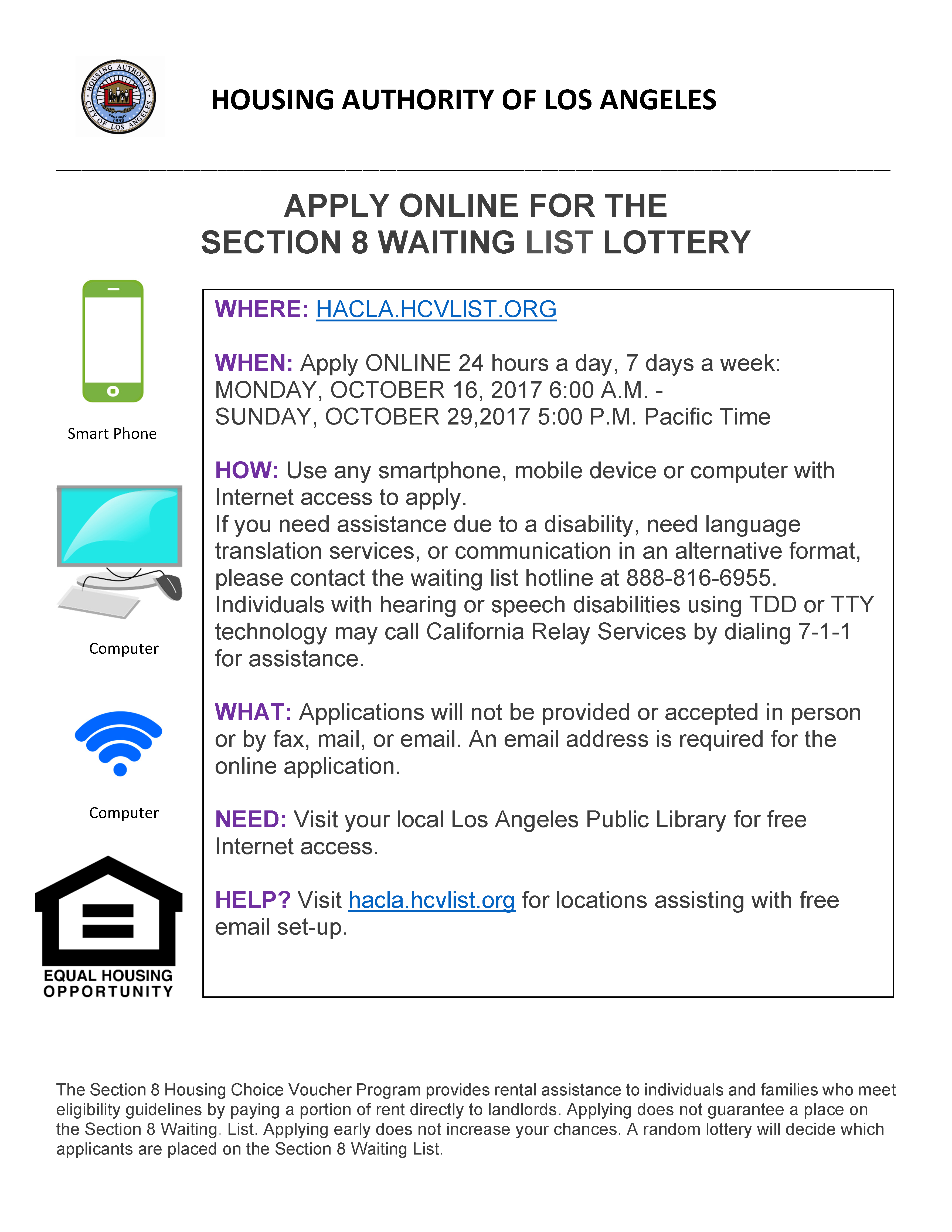
The first and most critical step is to identify and contact the PHA that serves the county or city where you wish to live. California has numerous PHAs, such as the Housing Authority of the City of Los Angeles (HACLA), the San Francisco Housing Authority, or county housing authorities like the Orange County Housing Authority. Most PHAs maintain websites with detailed information on their Section 8 programs, eligibility, and application procedures. It’s advisable to check multiple PHA websites if you are flexible about your desired location, as waiting lists can vary significantly.

Submitting Your Application
Once you’ve identified your target PHA, you’ll need to obtain and complete their specific application form. Applications are often available online, by mail, or in person at the PHA office. Required documentation typically includes proof of identity for all household members, birth certificates, Social Security cards, income verification (pay stubs, benefit letters), asset statements (bank accounts), and sometimes proof of residency in the PHA’s jurisdiction. Accuracy and completeness are paramount; errors or omissions can lead to delays or rejection.
The Waiting List
Upon successful submission of a complete application, most eligible applicants are placed on a waiting list. Due to high demand and limited funding, waiting lists for Section 8 in California are often very long, sometimes spanning several years. Some PHAs may even close their waiting lists periodically when they have an overwhelming number of applicants. It is crucial to keep your contact information updated with the PHA while on the waiting list, as they will contact you when your name nears the top. Failure to respond to communications can result in removal from the list.
Interviews and Verification
When your name reaches the top of the waiting list, the PHA will typically schedule an interview to verify all the information provided in your application. This often involves providing original documents, discussing your housing needs, and answering detailed questions about your household income and composition. The PHA will also conduct background checks, credit checks, and verify information with employers, banks, and previous landlords. This thorough verification process ensures that only truly eligible families receive assistance.
Navigating Waiting Lists and Finding Housing
The waiting list can be the most challenging aspect of applying for Section 8 in California. However, with strategic planning and persistence, applicants can improve their chances of securing a voucher and finding suitable long-term accommodation.
Strategies for Getting Off the Waiting List
While there’s no guaranteed shortcut, some strategies can help. Many PHAs grant “preferences” to applicants who meet certain criteria, such as being elderly or disabled, being a veteran, experiencing homelessness, or living or working within the PHA’s jurisdiction. Clearly documenting any applicable preferences in your application can move you up the list. Additionally, some families apply to multiple PHAs in different counties if their living situation allows for flexibility, increasing their chances as waiting list lengths vary. Regularly checking the status of your application (if permitted by the PHA) and promptly responding to all PHA communications are also vital.
Locating Landlords Who Accept Section 8
Once you receive a voucher, the next step is to find a landlord willing to accept it. While landlords cannot discriminate based on source of income in California (a state law protecting Section 8 recipients), finding available units that meet program requirements (e.g., rent within payment standards, passing inspection) can still be challenging. PHAs often maintain lists of landlords who have previously participated in the program, and these can be an excellent starting point. Online rental platforms and local housing counseling agencies can also assist in connecting voucher holders with landlords. Being proactive and communicating clearly with potential landlords about the Section 8 program is crucial.
Rights and Responsibilities as a Section 8 Tenant
As a Section 8 tenant, you have specific rights, including protection against source-of-income discrimination in California and the right to a safe, sanitary, and well-maintained home. In return, you have responsibilities: paying your portion of the rent on time, adhering to the lease agreement, maintaining the property, and reporting any changes in income or household composition to the PHA promptly. Understanding and upholding these responsibilities is essential for maintaining your voucher and ensuring stable long-term accommodation.
Important Considerations and Resources
Navigating the complexities of Section 8 in California requires ongoing engagement and awareness of various program facets. Beyond the initial application, several considerations impact the long-term viability of your housing assistance.
Portability of Vouchers
One significant advantage of tenant-based Section 8 vouchers is their portability. If you receive a voucher from a PHA in one jurisdiction (the “initial PHA”) but wish to move to another PHA’s jurisdiction within California or even another state, you may be able to “port” your voucher. This means the initial PHA transfers the voucher to the PHA in your desired location (the “receiving PHA”). The receiving PHA then processes your paperwork and helps you find housing within their area. Eligibility and rules for portability can vary, so it’s essential to discuss this option with your PHA if you plan to move.
Maintaining Eligibility
Eligibility for Section 8 is not a one-time determination; it is continuously reviewed. PHAs conduct annual or biennial re-examinations of income and family composition. It is the tenant’s responsibility to report any changes in income or household members within specified timeframes (usually 10-30 days). Failure to report changes, or providing false information, can lead to the termination of assistance. These regular reviews ensure that assistance goes to those who continue to meet the income and other eligibility criteria, supporting the program’s objective of providing long-term accommodation for those in need.
Additional Housing Assistance Programs
While Section 8 is the most well-known program, it is not the only avenue for housing assistance in California. Various state and local programs exist, often targeting specific populations (e.g., veterans, individuals with specific disabilities, or those experiencing homelessness). These might include rapid re-housing initiatives, emergency rental assistance, or supportive housing programs. It’s wise to explore all available options by contacting local housing authorities, non-profit organizations, and social service agencies, particularly if facing an immediate housing crisis or a prolonged wait for a Section 8 voucher.
Advocacy and Support Organizations
Numerous non-profit organizations, legal aid societies, and tenant advocacy groups throughout California provide support and resources for low-income tenants and Section 8 applicants. These organizations can offer guidance on the application process, help with landlord-tenant disputes, provide information on tenant rights, and sometimes offer direct assistance in navigating the complexities of housing programs. Connecting with such groups can be invaluable, especially when facing difficulties or needing clarification on specific aspects of the program or your long-term accommodation options.
Applying for Section 8 in California is a journey that requires patience, meticulous attention to detail, and a clear understanding of the program’s requirements and processes. While the path to obtaining a housing voucher and securing long-term accommodation can be lengthy, the profound impact it has on the stability and well-being of eligible families makes it a truly worthwhile endeavor. By following these steps and leveraging available resources, applicants can significantly improve their chances of success.
LifeOutOfTheBox is a participant in the Amazon Services LLC Associates Program, an affiliate advertising program designed to provide a means for sites to earn advertising fees by advertising and linking to Amazon.com. Amazon, the Amazon logo, AmazonSupply, and the AmazonSupply logo are trademarks of Amazon.com, Inc. or its affiliates. As an Amazon Associate we earn affiliate commissions from qualifying purchases.