
Finding an inmate in California can be a crucial first step for anyone planning a visit, providing support, or simply seeking information about a loved one. While not a typical travel destination, correctional facilities across the state represent specific locations that require careful planning and navigation. This guide serves as a comprehensive resource, akin to a travel itinerary, to help you locate an individual within California’s intricate correctional system, ensuring your journey to connect is as smooth and informed as possible.
Navigating the Journey to Locate an Individual
The initial phase of any significant journey involves understanding your starting point and potential routes. When seeking an inmate in California, this means differentiating between state prisons, managed by the California Department of Corrections and Rehabilitation (CDCR), and county jails, which are under local sheriff’s departments. Each system has its own distinct search methods, much like separate airlines or transportation networks, and knowing which one applies to your situation will significantly streamline your search.

Starting Your Search: Essential Online Resources
The digital age has transformed the way we access information, and locating an inmate is no exception. Several online tools act as vital checkpoints, providing the quickest and most direct path to information. These resources are designed for public access and are the most efficient way to begin your inquiry, avoiding unnecessary detours.
-
Federal Bureau of Prisons (BOP) Inmate Locator: If the individual you are searching for may be held in a federal facility rather than a state or county one, the Federal Bureau of Prisons (BOP) website is your primary resource. This locator helps find inmates incarcerated in federal prisons nationwide. It requires either a name and date of birth or the BOP Register Number, DCDC Number, FBI Number, or INS Number. While your primary focus is California, it’s a critical tool to rule out federal custody within the state, as federal facilities like Metropolitan Detention Center Los Angeles exist within its borders.
-
State-Level vs. County-Level Search: The most common mistake in this “travel planning” is to search a state system for someone in a county jail, or vice versa. State prisons typically house individuals serving longer sentences for felony convictions, while county jails hold individuals awaiting trial, sentencing, or serving shorter sentences for misdemeanors or less severe felonies. Understanding this distinction is paramount for efficient navigation.
Understanding California’s Correctional Landscape
California boasts one of the largest correctional systems in the United States, comprising numerous state prisons and county jails spread across its vast geography. Each facility, much like a distinct destination, has its own rules, population, and administrative structure. Familiarizing yourself with this landscape provides a foundational understanding for your search. State prisons, such as San Quentin State Prison in Marin County, Folsom State Prison near Sacramento, and the California Institution for Men in Chino, are part of the CDCR system. Conversely, every one of California’s 58 counties operates its own jail system, with prominent examples including the Los Angeles County Sheriff’s Department’s extensive network of facilities, the Orange County Sheriff’s Department’s jails, and those managed by the San Diego County Sheriff’s Department.
Planning Your “Destination” Visit: Information Gathering
Once you’ve identified the potential correctional system (state or county), the next phase involves more targeted information gathering. This is akin to researching a specific travel destination, delving into its unique characteristics and requirements. Accurate and up-to-date information is key to successful contact and eventual visitation.
California Department of Corrections and Rehabilitation (CDCR) Inmate Locator
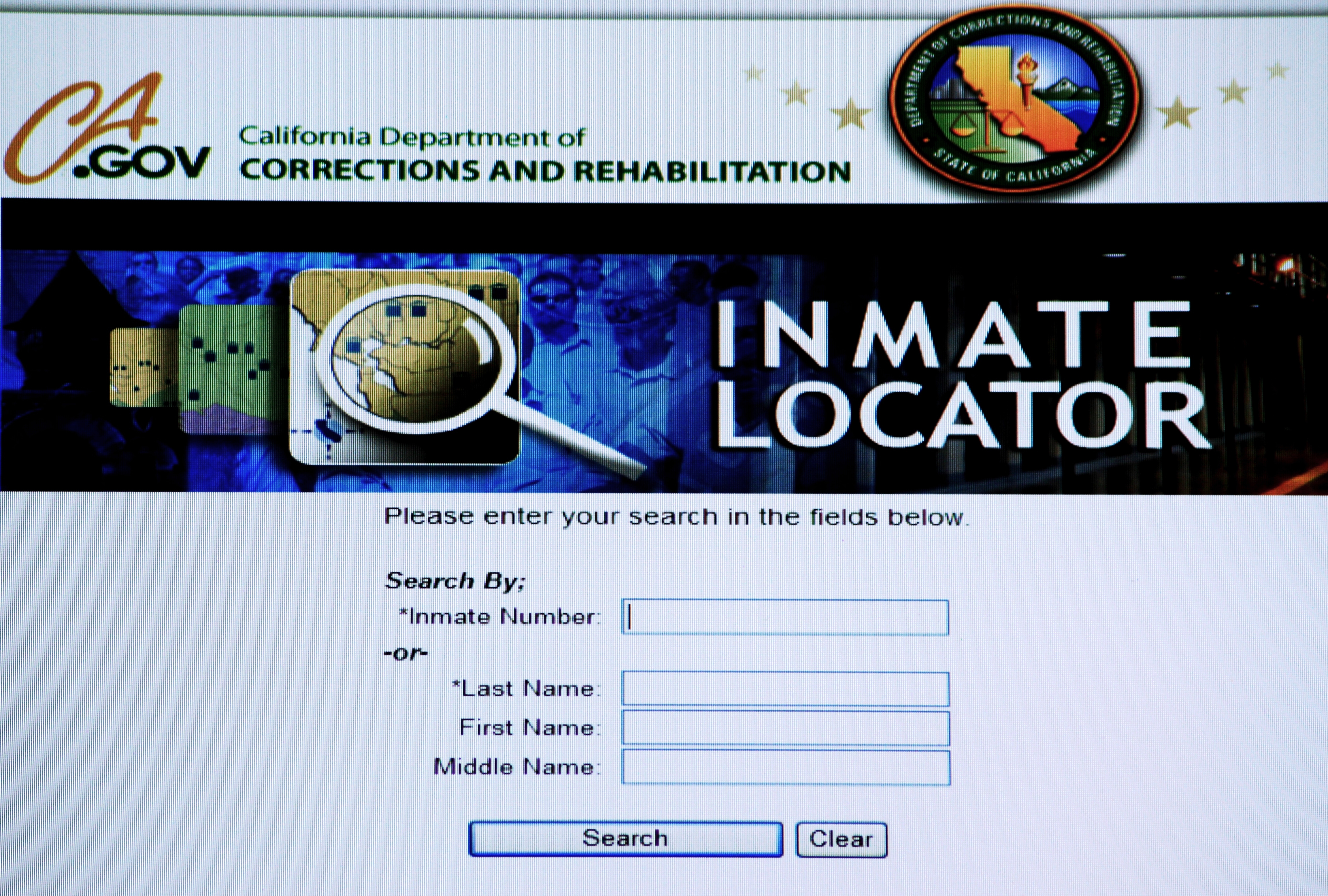
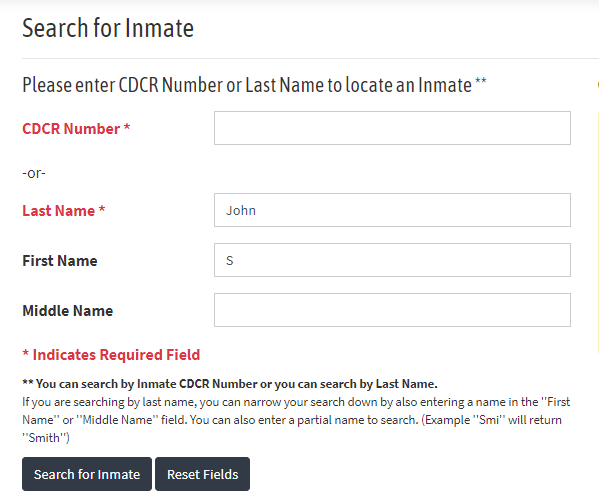
For individuals incarcerated in California state prisons, the official CDCR Inmate Locator is the authoritative source. This online tool allows you to search for adult inmates housed in state correctional facilities.
- Accessing the CDCR Locator: You can typically find this tool on the official CDCR website. It is designed to be user-friendly, much like a public transportation schedule search.
- Required Information: To perform a search, you generally need the inmate’s last name and at least the first initial of their first name. Providing a date of birth can significantly narrow down results, especially for common names. If you have the CDCR ID number, it provides the most direct search.
- Interpreting Results: The locator will provide the inmate’s full name, CDCR number, and current institution. It’s crucial to verify this information carefully. The institution listed is the inmate’s current “destination” within the state system. Note that inmates can be transferred between facilities, so this locator is essential for real-time updates.
County Jails and Local Facilities
Searching for an inmate in a county jail requires a different approach, as each county sheriff’s department maintains its own inmate search system. This is comparable to navigating local public transit—each city or region has its own specific services.
- Identify the County: The first and most critical step is to identify the county where the individual was arrested or is believed to be incarcerated. If you’re unsure, consider the areas where they lived, worked, or had contact with law enforcement.
- County Sheriff’s Websites: Each of California’s 58 counties has a sheriff’s department, and most offer an online inmate search or roster on their official website. For example:
- The Los Angeles County Sheriff’s Department provides an Inmate Information Center.
- The Orange County Sheriff’s Department has an online inmate search portal.
- The San Bernardino County Sheriff’s Department also offers an inmate locator.
- Similar tools are available for Riverside County, San Diego County, Sacramento County, and all other counties.
- Information Required: Typically, you’ll need the inmate’s full name. Some systems may also ask for a date of birth or booking number.
- Contacting the Jail Directly: If online search tools prove unsuccessful or you require more detailed information, contacting the specific county jail directly by phone is an option. Be prepared to provide accurate identifying information and state your reason for calling clearly and concisely. This is often a last resort, much like asking for directions from a local when your GPS fails.
Beyond the Initial Search: Verifying Information and Preparing for “Travel”
Once you have tentatively located an inmate, the next critical steps involve verifying their current status and preparing for any potential visit. This phase involves logistical planning, much like confirming hotel bookings and understanding local customs before arriving at an international destination.
Confirming Location and Visiting Hours
The information obtained from an online search is a starting point. Before making any travel plans, it’s essential to confirm the details directly with the correctional facility.
- Direct Contact with the Facility: After locating an inmate using the CDCR or county search tools, contact the specific institution directly. Their public information or visiting department can confirm the inmate’s current housing, status, and, crucially, their visiting hours and policies. These can change frequently due to various factors, making direct confirmation indispensable.
- Understanding Visiting Policies: Each facility has strict rules regarding visitors, including identification requirements, dress codes, approved items, and procedures for scheduling visits. These rules are non-negotiable and must be meticulously followed to ensure a successful visit. Failing to adhere to policies can result in denied entry, a frustrating setback after your journey.
Travel Considerations to Correctional Facilities
Visiting a correctional facility is not a leisure trip, and the “travel” aspect requires specific considerations that differ from typical tourist destinations.
- Location and Accessibility: Many state prisons are located in more remote areas, far from major cities like Los Angeles or San Francisco. This can mean significant driving distances and limited public transportation options. Plan your route carefully, considering traffic, particularly in metropolitan areas, and ensure your vehicle is reliable for long distances.
- Security and Entry Procedures: Expect rigorous security checks upon arrival. This includes metal detectors, potential pat-downs, and screening of personal belongings. Arrive well in advance of your scheduled visit to allow ample time for these procedures. Remember that these are secure environments, and patience and cooperation with staff are paramount.
- Time Commitment: A visit can be an all-day commitment, especially considering travel time, waiting periods, and the visit duration itself. Factor this into your planning, much like preparing for a day trip that involves multiple stops and activities.
Specialized Searches and Support for Your Journey
Sometimes, the standard search methods may not yield immediate results, or you might require additional assistance. In these scenarios, there are further avenues to explore, akin to seeking specialized travel agents or local guides.
- Attorneys and Legal Counsel: If the inmate has legal representation, their attorney will have accurate and up-to-date information regarding their client’s location and status. This is often the most reliable secondary source if public locators are insufficient.
- Non-Profit Organizations: Several non-profit organizations in California and nationally assist families of incarcerated individuals. They may offer resources, guidance, or even direct assistance in locating inmates, particularly in complex cases or for those new to the correctional system. These organizations can be invaluable “tour guides” in a challenging landscape.
- Victim Information and Notification Everyday (VINE): The VINE system allows victims of crime to register for notifications regarding an offender’s custody status, including transfers, releases, and escapes. While primarily for victims, it can indirectly provide information about an inmate’s location if you are authorized to access such information or if the inmate is linked to a case you are involved with.
Locating an inmate in California requires a methodical and patient approach. By understanding the different correctional systems, utilizing available online resources, and preparing for the unique logistical considerations involved, you can successfully navigate this challenging “journey” and establish contact with the individual you seek. Remember, accurate information and adherence to facility policies are your best allies in this process.
LifeOutOfTheBox is a participant in the Amazon Services LLC Associates Program, an affiliate advertising program designed to provide a means for sites to earn advertising fees by advertising and linking to Amazon.com. Amazon, the Amazon logo, AmazonSupply, and the AmazonSupply logo are trademarks of Amazon.com, Inc. or its affiliates. As an Amazon Associate we earn affiliate commissions from qualifying purchases.