
For many aspiring entrepreneurs and creative individuals drawn to the vibrant spirit of California, establishing a lifestyle business is a dream come true. Whether it’s curating a collection of vintage fashion, crafting artisanal goods, operating a pop-up gallery, or launching a specialized online boutique, the allure of turning a passion into a sustainable venture is powerful. A fundamental step in formalizing such a business in the Golden State is obtaining a resale license, also commonly known as a seller’s permit. Far from a mere bureaucratic hurdle, this license is a cornerstone of legitimacy, enabling you to operate ethically, purchase inventory wisely, and contribute meaningfully to the diverse economy that defines the Californian lifestyle.
Understanding the California Resale License for Lifestyle Entrepreneurs
At its core, a resale license (or seller’s permit) in California grants you the authority to sell tangible personal property, whether new or used, and to collect sales tax on behalf of the state. For the lifestyle entrepreneur, this license transcends its functional definition, becoming a symbol of commitment to a professional venture and an enabler of creative freedom. It signals that your passion project is now a legitimate business, ready to engage with suppliers and customers with integrity.
What is a Resale License (Seller’s Permit)?
A resale license is issued by the California Department of Tax and Fee Administration (CDTFA). It is required for any individual or business intending to sell tangible goods in California, whether from a physical location, online, through craft fairs, or even temporary pop-up shops. The primary purpose of this permit is to facilitate the collection and remittance of sales tax to the state. Without it, you cannot legally collect sales tax, nor can you purchase inventory for resale without paying sales tax yourself, thus eroding your profit margins.
Why It’s Crucial for Your Lifestyle Business
For the individual building a lifestyle brand, the resale license is more than a compliance document; it’s an economic passport. Imagine launching a boutique selling locally sourced organic products, a curated shop featuring unique home décor, or an online store specializing in sustainable apparel. In all these scenarios, a significant portion of your operational success relies on sourcing your goods efficiently.
- Legitimacy and Professionalism: Possessing a seller’s permit instantly elevates your business’s standing. It assures customers and suppliers that you are a legitimate entity, fostering trust and opening doors to more professional interactions. This credibility is vital for lifestyle brands, where authenticity and transparency are often core values.
- Wholesale Purchasing Advantage: One of the most significant benefits is the ability to purchase goods from wholesalers and manufacturers tax-free when those goods are intended for resale. This is fundamental to profitability for any retail venture. Without a permit, you would pay sales tax on your inventory purchases, effectively taxing your business twice – once on purchase and again when you collect sales tax from your customers. This competitive advantage allows you to price your items more effectively, increasing your appeal to customers who value both quality and fair pricing within their chosen lifestyle.
- Contribution to the Local Economy: By collecting and remitting sales tax, your lifestyle business directly contributes to the public services and infrastructure that make California such an attractive place to live and visit. This alignment with community welfare resonates deeply with many lifestyle entrepreneurs who aim to create businesses that give back.
Eligibility and Application Process for Your Lifestyle Venture
The journey to obtaining your California resale license is straightforward, designed to encourage entrepreneurship while ensuring compliance. The process is managed by the CDTFA, which has streamlined the application to be user-friendly, particularly for small businesses and solo ventures.
Who Needs a Seller’s Permit in California?
If your lifestyle pursuit involves selling tangible products in California, you most likely need a seller’s permit. This includes:
- Online Sellers: If your e-commerce store ships products to customers within California, regardless of where your business is physically located (if outside the state, you’ll need to register for a “Certificate of Registration – Use Tax”).
- Brick-and-Mortar Boutiques: Any physical store, from a small vintage shop to a high-end gallery, selling goods.
- Craft Fair and Market Vendors: Temporary sales at local farmers’ markets, art fairs, pop-up events, or holiday bazaars require a permit.
- Independent Contractors/Consultants Selling Products: If your service-based lifestyle business also sells related products (e.g., a yoga instructor selling branded merchandise or a chef selling specialty food items).
- Resellers of Used Goods: Even if you’re reselling items sourced from thrift stores or estate sales, a permit is necessary.
Exemptions are rare and typically involve selling non-tangible services or certain specific products like prescription medicines. When in doubt, it’s always best to obtain the permit to ensure full compliance.
Navigating the Application with the CDTFA
The application process is primarily conducted online through the CDTFA’s website. It’s designed to be intuitive, guiding you through each step. Here’s what you’ll typically need:
- Business Information:
- Legal Business Name: Your registered business name or your personal name if operating as a sole proprietorship.
- Business Address: The physical location of your business, even if it’s your home office for an online venture.
- Mailing Address: Where you want to receive official correspondence.
- Business Type: (e.g., sole proprietorship, partnership, corporation, LLC). This determines liability and tax structure.
- Effective Date of Business: The date you began, or plan to begin, selling tangible items.
- Owner/Officer Information: Your personal details, including your Social Security Number (SSN) if you’re a sole proprietor, or the Employer Identification Number (EIN) for other business structures. The CDTFA requires this to verify your identity and creditworthiness.
- Description of Business Activities: A brief explanation of what you plan to sell and how you plan to sell it (e.g., “online retail of handmade jewelry,” “boutique selling vintage clothing,” “craft vendor at local markets”).
- Estimated Monthly Sales and Taxable Sales: You’ll provide an estimate of your gross sales and taxable sales. This helps the CDTFA determine your filing frequency (e.g., monthly, quarterly, annually). For new lifestyle businesses, a conservative estimate is often appropriate.
The online application is generally quick to complete. Once submitted, you may receive a temporary permit immediately, with the official permit mailed to you shortly thereafter. There is no fee to apply for a seller’s permit. This process marks a significant milestone, transforming your business idea from concept to legal entity, ready to serve the discerning Californian consumer.
Maintaining Compliance: Key to a Sustainable Lifestyle Business
Obtaining your resale license is merely the first step. To ensure the long-term viability and peace of mind for your lifestyle business, understanding and adhering to ongoing compliance requirements is paramount. Meticulous attention to these details safeguards your brand, protects your finances, and allows you to focus on the creative aspects of your venture.
Sales Tax Collection and Remittance
Once you have your seller’s permit, you are legally obligated to collect sales tax from your customers on all taxable sales. The sales tax rate varies by city and county within California, so it’s essential to use the correct rate based on the point of sale (or the customer’s shipping address for online sales). The CDTFA provides tools and resources to help you determine the correct rate.

- Invoicing: Clearly itemize the sales tax on your invoices or receipts.
- Separate Accounting: It’s wise to keep the sales tax collected separate from your regular business income. Think of it as funds held in trust for the state.
- Timely Remittance: You must periodically remit these collected taxes to the CDTFA. Failure to do so can result in penalties, interest, and even the suspension of your permit, jeopardizing your lifestyle business.
Record-Keeping for Peace of Mind
Robust record-keeping is not just a regulatory requirement; it’s a best practice for any successful business. For lifestyle entrepreneurs who might handle multiple product lines, seasonal sales, or diverse selling channels, organized records are indispensable.
- Sales Records: Keep detailed records of all sales, distinguishing between taxable and non-taxable transactions (e.g., sales to out-of-state customers for which sales tax may not apply).
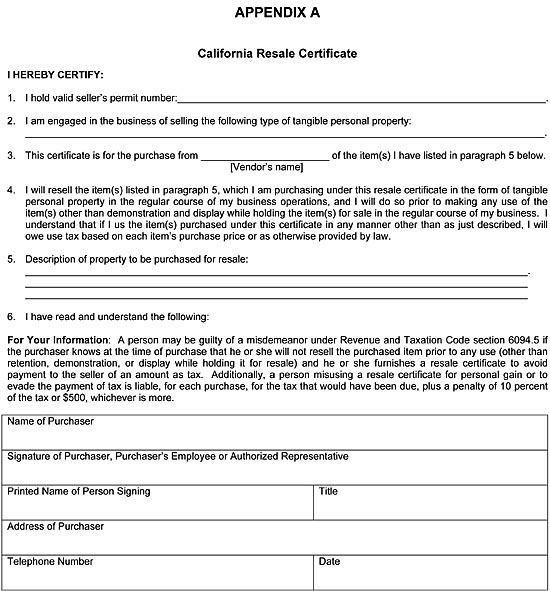
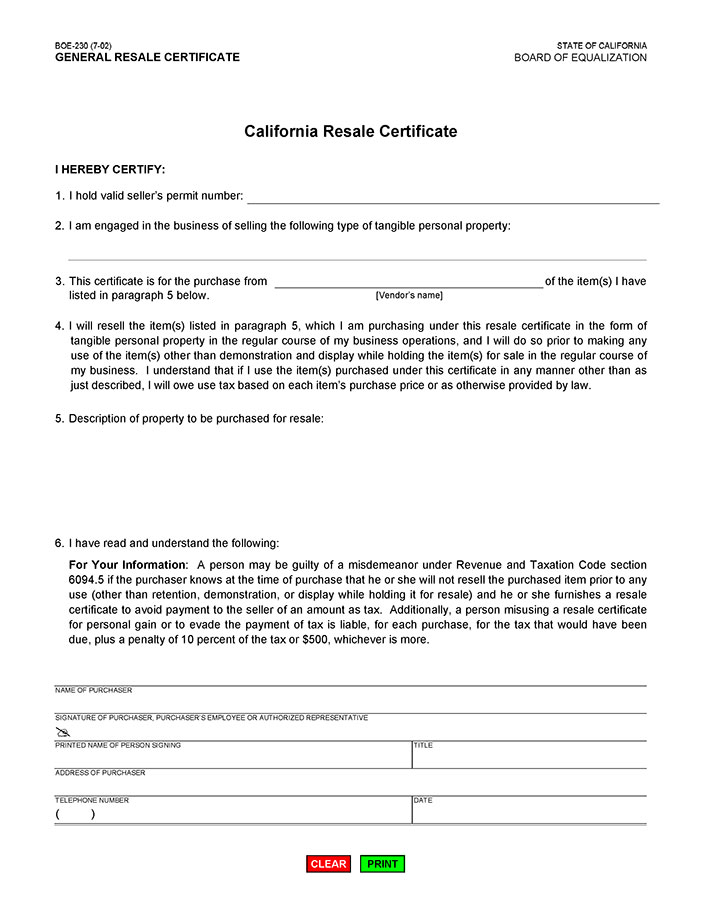
- Purchase Records: Maintain invoices and receipts for all inventory purchases, especially those for which you issued a resale certificate. These prove that you purchased items tax-free for resale.
- Deductions and Exemptions: Document any eligible deductions or exemptions. For example, some food products or services might be exempt from sales tax.
- Software Solutions: Utilize accounting software or point-of-sale (POS) systems that can automatically track sales, calculate sales tax, and generate reports. This minimizes manual errors and saves valuable time, allowing you to focus on your craft.
Well-maintained records simplify the sales tax filing process and are crucial in the event of an audit by the CDTFA. Proactive record-keeping offers peace of mind, allowing you to nurture your business without the stress of potential compliance issues.
Understanding Your Filing Frequency
The CDTFA will assign your business a filing frequency (monthly, quarterly, or annually) based on your estimated sales volume. Higher sales typically necessitate more frequent filings.
- Monthly Filers: Usually businesses with high sales volume.
- Quarterly Filers: The most common frequency for small to medium-sized businesses.
- Annual Filers: Typically assigned to businesses with very low sales volume.
It’s critical to adhere to your assigned filing schedule. The CDTFA will send reminders, but ultimately, it’s your responsibility to ensure returns are filed and payments are made on time. Missing deadlines can lead to penalties that can significantly impact the financial health of your lifestyle venture. If your sales volume changes significantly, you can request an adjustment to your filing frequency with the CDTFA.
Benefits Beyond Compliance: Empowering Your California Dream
While compliance is the primary driver for obtaining a resale license, its strategic advantages extend far beyond mere legality. For the lifestyle entrepreneur, the permit is a powerful tool for growth, credibility, and deeper integration into the vibrant California marketplace. It empowers you to elevate your passion project into a thriving, respected business.
Access to Wholesale Pricing and Trade Shows
The ability to purchase inventory tax-free is just one facet of the wholesale advantage. Possessing a seller’s permit often serves as a prerequisite for gaining access to wholesale accounts, supplier catalogs, and industry trade shows. These events, many of which are held in dynamic California cities, are invaluable for:
- Sourcing Unique Products: Discovering new suppliers, exclusive lines, and innovative products that can differentiate your lifestyle brand.
- Networking: Connecting with other entrepreneurs, designers, and industry leaders, fostering collaborations and expanding your professional network.
- Staying Ahead of Trends: Gaining insights into emerging market trends and consumer preferences, ensuring your offerings remain fresh and relevant.
For a curated boutique or a niche online store, these opportunities are critical for maintaining a distinctive edge and offering the unique items that define your brand’s lifestyle appeal.
Building Credibility and Trust
In today’s competitive market, credibility is currency. A seller’s permit signals to customers, partners, and financial institutions that your lifestyle business is legitimate and professionally managed.
- Customer Confidence: When customers see that your business operates legally and collects sales tax, it instills confidence that they are supporting a responsible and ethical enterprise. This is particularly important for lifestyle brands that often cultivate a strong, personal connection with their audience.
- Business Partnerships: Many suppliers, event organizers, and online marketplaces require a valid seller’s permit before doing business with you. This can include securing a booth at a high-profile craft fair or partnering with a local tourism board to sell your products.
- Financial Access: Should your lifestyle business grow to the point where you need business loans or lines of credit, financial institutions will view your legal compliance, including a resale license, as a strong indicator of your business’s stability and potential.
Expanding Your Lifestyle Brand
The resale license acts as a foundational element for scaling your lifestyle brand. Whether your dream involves opening additional physical locations, expanding your product lines, or exploring new sales channels, having your permit in order simplifies these transitions.
- Multi-Channel Sales: Seamlessly transition between online sales, pop-up events, and potentially a brick-and-mortar presence, knowing your tax obligations are covered across all platforms.
- Product Diversification: Easily add new types of tangible products to your inventory without needing to re-register or face new compliance hurdles for each new item.
- Growth Opportunities: As your business matures, the permit ensures you are prepared for larger wholesale orders, consignment agreements, or even potential acquisition, providing a solid legal framework for expansion.
Contributing to the California Economy and Community
Ultimately, obtaining and maintaining a resale license is a direct way for lifestyle entrepreneurs to become integral contributors to the vibrant economic and cultural tapestry of California. Every collected and remitted sales tax dollar supports local infrastructure, education, and public services that enhance the quality of life for residents and visitors alike. By taking this essential step, you’re not just building your dream business; you’re also playing a vital role in sustaining the very environment that makes the Californian lifestyle so appealing and unique.
LifeOutOfTheBox is a participant in the Amazon Services LLC Associates Program, an affiliate advertising program designed to provide a means for sites to earn advertising fees by advertising and linking to Amazon.com. Amazon, the Amazon logo, AmazonSupply, and the AmazonSupply logo are trademarks of Amazon.com, Inc. or its affiliates. As an Amazon Associate we earn affiliate commissions from qualifying purchases.