
Reaching Alaska, the United States‘ largest and most geographically isolated state, is an adventure in itself. Whether you seek the fastest route, a scenic journey, or an epic road trip, several distinct travel methods cater to different preferences, budgets, and timelines. Understanding these options is key to planning an unforgettable trip to the Last Frontier, each offering unique perspectives on the vast landscapes and pristine wilderness that define this remarkable destination.
Navigating the Skies: Air Travel to Alaska
Flying is by far the quickest and most common way to reach Alaska, particularly for travelers from the lower 48 states or international destinations. Direct flights connect major Alaska cities with hubs across the United States and Canada, making it an efficient choice for those with limited time or seeking to maximize their exploration upon arrival.
Major Entry Points
The primary gateway for air travelers to Alaska is Ted Stevens Anchorage International Airport (ANC). Located in the state’s most populous city, Anchorage, ANC serves as a bustling hub with numerous daily flights from major North American cities. From Anchorage, travelers can easily connect to regional flights to other Alaskan communities or access ground transportation to popular destinations like Denali National Park or the Kenai Peninsula.
Another significant airport is Fairbanks International Airport (FAI), serving the state’s second-largest city, Fairbanks. FAI is often preferred by those heading directly to the Arctic regions, seeking the Northern Lights, or exploring the vast interior. While smaller, it offers direct connections to some lower 48 cities, especially during peak summer months. For visitors targeting Southeast Alaska, Juneau International Airport (JNU) in the state capital, Juneau, provides direct flights from cities like Seattle, though its connectivity is more limited compared to Anchorage. Other regional airports like Ketchikan International Airport and Sitka Rocky Gutierrez Airport also serve Southeast Alaska.
Key Airlines and Routes
Several major airlines operate regular services to Alaska. Alaska Airlines is the dominant carrier, offering extensive routes from its primary hub in Seattle to numerous Alaskan cities, including daily non-stop flights to Anchorage, Fairbanks, and Juneau. Other airlines like Delta Air Lines, United Airlines, and American Airlines also provide seasonal and year-round flights, primarily to Anchorage, from their respective hubs across the United States. Travelers coming from Canada can often find flights from Vancouver or Calgary.
Considerations for Air Travel
While speed is a significant advantage, air travel to Alaska requires careful planning. Airfares can fluctuate dramatically based on the season, with peak summer months (June-August) seeing higher prices. Booking well in advance, especially for popular routes and during peak times, is highly recommended. Baggage allowances and fees should also be reviewed, particularly if traveling with specialized gear for outdoor activities. Connecting flights within Alaska to smaller communities often utilize smaller aircraft, where luggage restrictions can be more stringent. Due to Alaska’s vastness, internal flights are frequently the only practical way to reach many remote areas.
The Allure of the Sea: Cruising to Alaska
An Alaskan cruise offers a dramatically different journey, transforming the transit into an integral part of the vacation itself. Cruises are particularly popular for experiencing Southeast Alaska’s stunning coastal scenery, glaciers, and wildlife up close, all while enjoying the amenities of a floating hotel.
Popular Departure Ports
Most Alaskan cruises depart from cities in the Pacific Northwest of the United States or Canada. The busiest departure port is Seattle, Washington, followed closely by Vancouver, British Columbia, Canada. Some smaller cruises or ferry services may depart from Bellingham, Washington, or Prince Rupert, British Columbia.
For those looking to start their journey already in Alaska or to take a one-way cruise, ports like Whittier and Seward (near Anchorage) serve as embarkation/disembarkation points for Gulf of Alaska cruises. These one-way itineraries often combine a cruise with a land tour, allowing travelers to explore the interior of Alaska as well.
Inside Passage vs. Gulf Cruises
The vast majority of Alaskan cruises navigate the Inside Passage, a sheltered network of waterways stretching from Seattle or Vancouver through Southeast Alaska. This route is renowned for its calm waters, lush forested islands, abundant wildlife (whales, bears, eagles), and picturesque port towns like Juneau, Ketchikan, and Skagway. Many Inside Passage itineraries include visits to iconic natural wonders such as Glacier Bay National Park or Tracy Arm Fjord.
Gulf of Alaska cruises, on the other hand, typically travel further north, often between Vancouver and Anchorage’s gateway ports of Whittier or Seward. These are often one-way voyages, traversing the more open waters of the Gulf of Alaska and offering opportunities to see different coastal landscapes and glaciers like the Hubbard Glacier. They are frequently paired with land excursions to interior Alaska to visit Denali National Park or Fairbanks.
Choosing Your Cruise
When selecting an Alaskan cruise, consider the length of the journey (typically 7 to 14 days), the specific ports of call, and the type of ship. Large mainstream cruise lines offer a wide array of amenities and entertainment, while smaller expedition ships provide a more intimate experience focused on nature and educational programming, often with Zodiac excursions and opportunities for more remote exploration. The season also plays a crucial role; cruises generally operate from May through September, with July and August being the most popular (and priciest) months due to warmer weather and longer daylight hours.
For independent travelers or those wishing to transport a vehicle, the Alaska Marine Highway System (AMHS) offers a public ferry service that can be a cost-effective and flexible way to explore the coastal communities of Southeast Alaska. It departs from Bellingham, Washington, and travels northward through the Inside Passage, connecting to various Alaskan towns.
The Ultimate Road Trip: Driving to Alaska
For the adventurous and those with ample time, driving to Alaska offers an unparalleled opportunity to witness the changing landscapes of North America firsthand. This epic road trip typically involves traversing through vast stretches of Canada before crossing the border into Alaska.
The Alaska Highway Experience
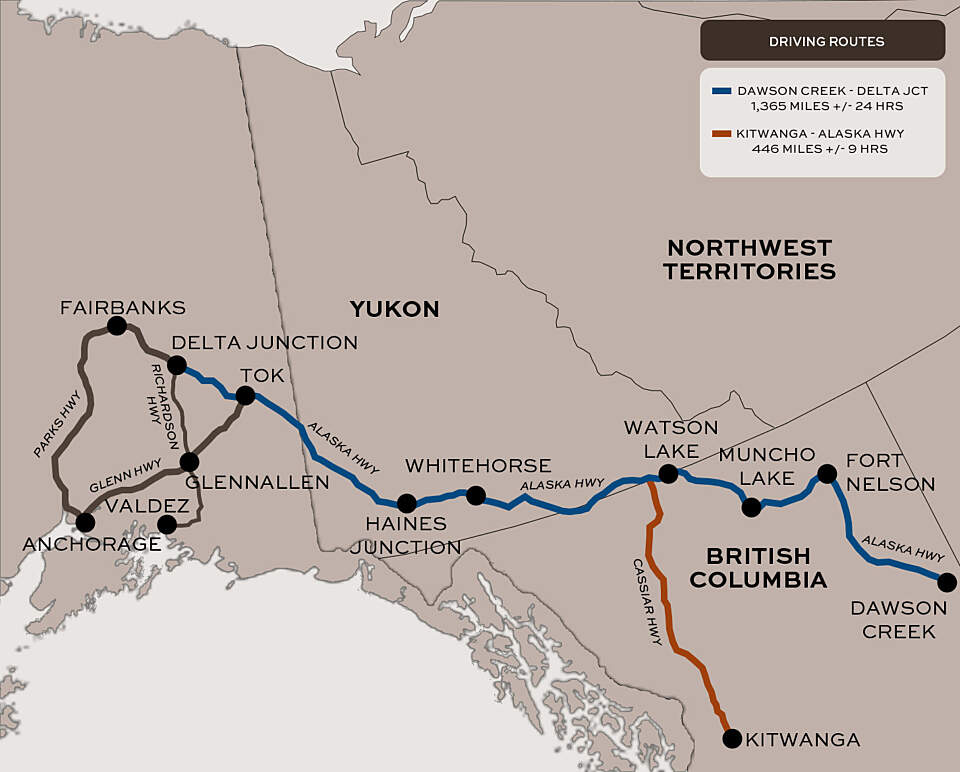
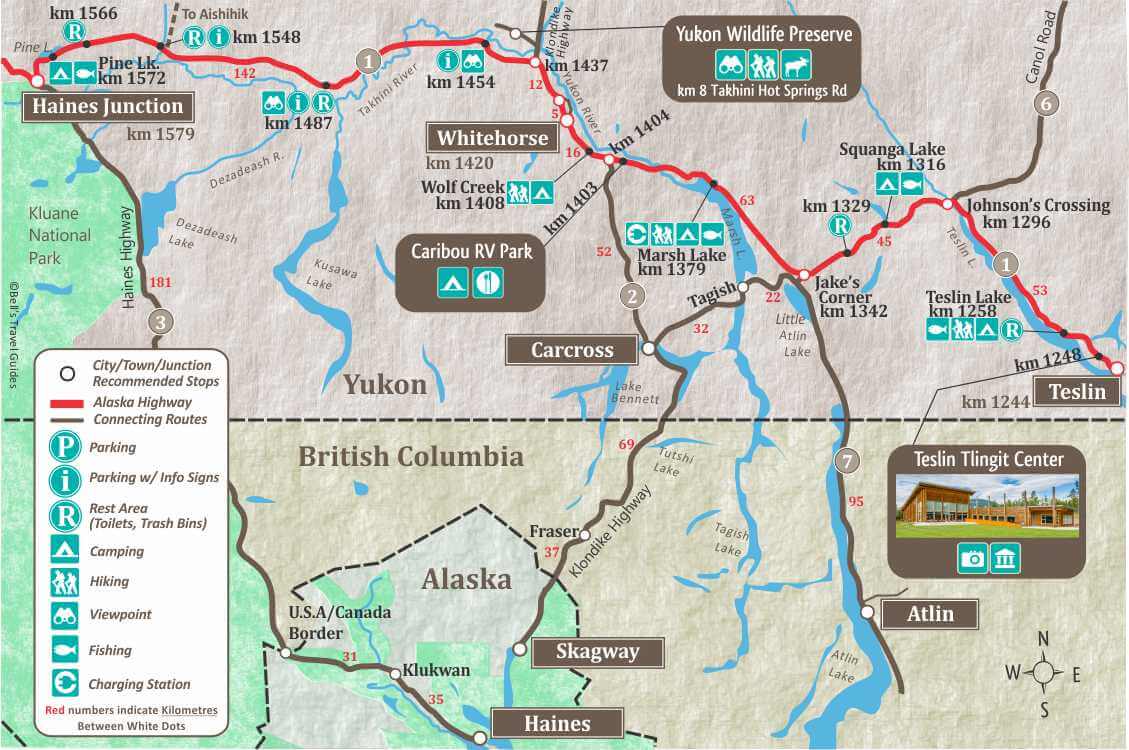
The most famous route is the Alaska Highway, also known as the Alcan Highway. This historic route was constructed during World War II and stretches approximately 1,387 miles (2,232 km) from Dawson Creek, British Columbia, Canada, to Delta Junction, Alaska. From Delta Junction, travelers can continue on to Fairbanks or Anchorage via other state highways.
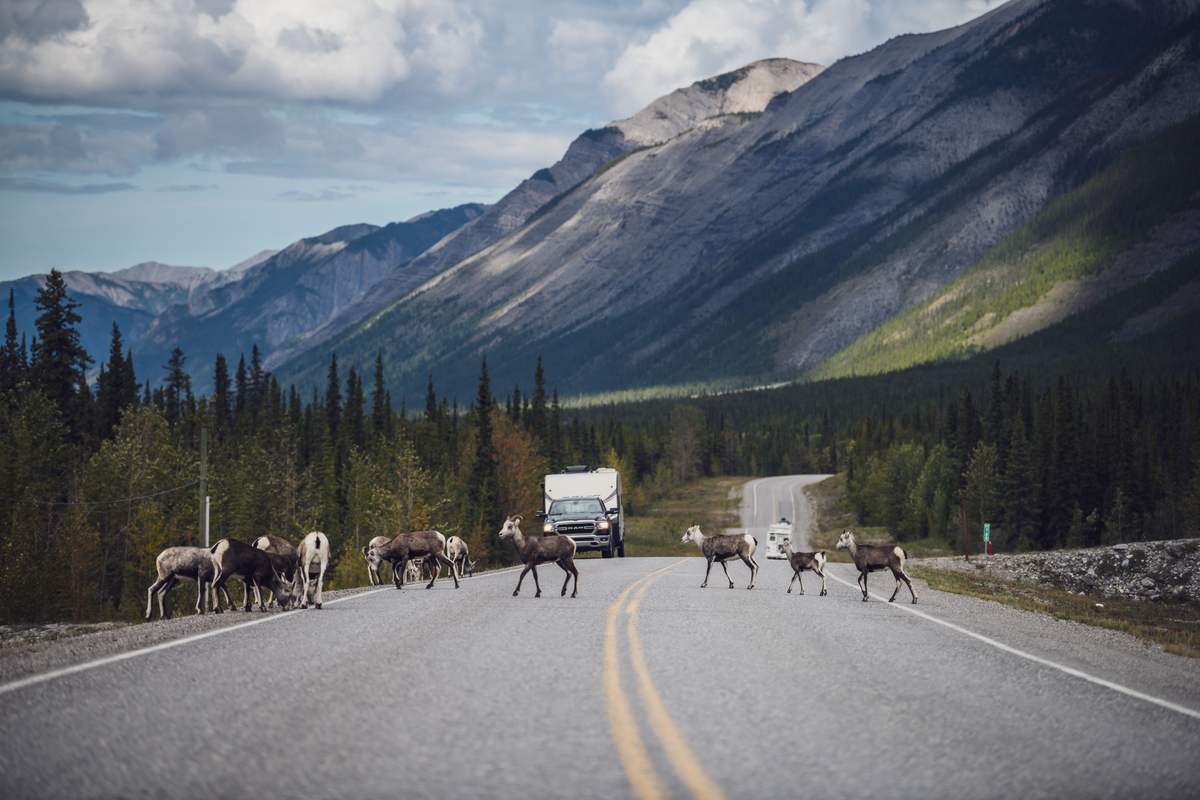
The drive is renowned for its spectacular scenery, including dense forests, towering mountains, pristine lakes, and abundant wildlife such as moose, caribou, bears, and bison. Along the way, numerous small towns offer fuel, food, and lodging, allowing for comfortable overnight stops. While once a rugged, mostly gravel road, the Alaska Highway is now almost entirely paved and well-maintained, though travelers should still anticipate some stretches of gravel or construction, especially in more remote areas.
Alternative routes through Canada also exist, such as the Cassiar Highway (Highway 37 in British Columbia), which offers a more remote and often less-traveled alternative to the Alaska Highway from the south, eventually connecting to the Alaska Highway in the Yukon.
Essential Preparations
Driving to Alaska requires thorough preparation. A reliable vehicle in excellent mechanical condition is paramount, as services can be sparse in remote sections of the highway. It is wise to carry a spare tire, a basic toolkit, extra fuel, and plenty of water and snacks. Cell phone service can be intermittent or nonexistent, so a physical map and/or a satellite communication device are advisable. Travel insurance covering roadside assistance and medical emergencies is also a good investment.
The best time to drive the Alaska Highway is during the summer months (June to September) when daylight hours are long, weather is generally milder, and all services are open. Spring and fall offer fewer crowds but can bring more unpredictable weather and reduced services. Winter driving is extremely challenging and recommended only for experienced drivers with properly equipped vehicles.
Border Crossings and Documentation
Travelers will need to cross the United States-Canada border, typically multiple times if driving the traditional routes. A valid passport is essential for all travelers, regardless of citizenship. United States citizens should also carry their birth certificate if they do not have a passport. Non-United States or Canadian citizens will need to ensure they have the necessary visas or electronic travel authorizations (eTAs) for both countries.
Vehicle documentation, including registration and proof of insurance valid in both the United States and Canada, should be readily accessible. Be aware of customs regulations regarding firearms, alcohol, tobacco, and agricultural products when crossing borders. Familiarity with border crossing procedures and having all necessary documents in order will help ensure a smooth and hassle-free journey.
Whichever mode of transport you choose, reaching Alaska is the first step in an extraordinary adventure. Each method offers a unique journey, providing distinct opportunities to appreciate the scale and majesty of this incredible destination.
LifeOutOfTheBox is a participant in the Amazon Services LLC Associates Program, an affiliate advertising program designed to provide a means for sites to earn advertising fees by advertising and linking to Amazon.com. Amazon, the Amazon logo, AmazonSupply, and the AmazonSupply logo are trademarks of Amazon.com, Inc. or its affiliates. As an Amazon Associate we earn affiliate commissions from qualifying purchases.