
Embarking on a journey between two iconic North American metropolises, Toronto, Canada, and New York City, United States, is a popular travel aspiration. Understanding the distance is the first step in planning this exciting inter-city exploration. This guide delves into the various aspects of this geographical separation, offering insights for travelers looking to traverse the approximately 560 miles (900 kilometers) that lie between these vibrant urban centers. Whether you’re contemplating a scenic road trip, a swift flight, or a comfortable train ride, the specifics of this distance impact your travel choices, duration, and the overall experience.
Understanding the Distance: A Multifaceted Approach
The “how far” question isn’t solely about a single mileage figure. It encompasses geographical distance, travel time across different modes, and the logistical considerations that shape the traveler’s experience. For many, the appeal of traveling between Toronto and New York City lies in the opportunity to experience the distinct cultural tapestries of both locations. Toronto, with its multicultural vibrancy and impressive skyline dominated by the CN Tower, offers a different flavor of urban life than the relentless energy and world-renowned landmarks of New York City, home to the Statue of Liberty and Times Square.
Driving Distance and Route Considerations
The most direct driving route between Toronto and New York City typically covers around 560 miles (900 kilometers). This journey often takes approximately 9 to 10 hours of pure driving time, not including stops for fuel, meals, or rest. The most common routes involve crossing the border between Canada and the United States at a major port of entry, such as Niagara Falls or Buffalo.
Key Border Crossings
- Buffalo-Fort Erie Peace Bridge: This is a popular and often direct route, leading drivers through parts of Upstate New York before heading southeast towards New York City.
- Rainbow Bridge (Niagara Falls): While scenic, this crossing might add a slight detour depending on your exact starting and ending points, but it offers the spectacular view of Niagara Falls as a worthwhile preamble to the journey.
Road Trip Planning
A road trip of this length is best undertaken with at least one overnight stop to avoid fatigue and enjoy the journey. Potential overnight destinations could include cities in Upstate New York, such as Rochester or Syracuse, or even a brief stop in a smaller town to experience a different pace of life. The drive offers changing landscapes, from the rolling hills of Southern Ontario to the more urbanized corridors of Upstate New York.
Air Travel: Speed and Efficiency
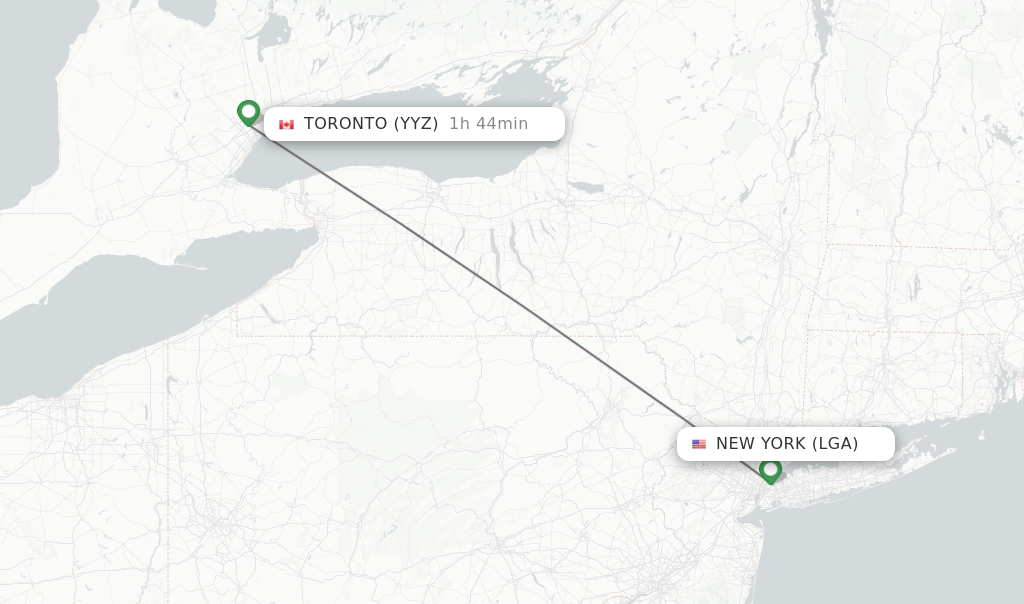
For travelers prioritizing speed, flying is the most efficient option. The flight duration between Toronto Pearson International Airport (YYZ) and major New York City airports, such as John F. Kennedy International Airport (JFK), LaGuardia Airport (LGA), or Newark Liberty International Airport (EWR), is remarkably short.
Flight Durations
- Direct Flights: Non-stop flights typically range from 1 hour and 15 minutes to 1 hour and 45 minutes.
- Total Travel Time: While the flight itself is brief, it’s crucial to factor in time for travel to and from airports, check-in procedures, security screening, boarding, and baggage claim. This often adds several hours to the overall journey, making the total door-to-door travel time closer to 5 to 7 hours.
Choosing Your Airport
- JFK and EWR: These are the largest international gateways and often offer the most flight options. They are well-connected to their respective city centers via public transportation and taxis.
- LGA: Primarily serving domestic flights, LGA is closer to Manhattan, which can sometimes translate to quicker ground transport into the city, though it is known for its more compact facilities and potential for flight delays.
Train Travel: A Scenic and Relaxed Alternative
For those who prefer a more leisurely pace and the opportunity to enjoy the scenery without the stress of driving or airport security, train travel offers a compelling alternative. Amtrak operates routes connecting Toronto and New York City, providing a comfortable and often picturesque way to bridge the distance.

The Amtrak Experience
The journey typically involves a transfer, often in Buffalo, New York, with the total travel time usually ranging from 11 to 13 hours. This extended duration allows passengers to relax, work, or simply admire the changing landscapes as the train winds its way through Southern Ontario and Upstate New York.
Advantages of Train Travel
- Comfort and Space: Trains generally offer more legroom and the ability to move around compared to airplanes or even cars.
- Scenery: The route provides glimpses of rural communities, towns, and natural beauty that might be missed from an airplane or a highway.
- Convenience: Amtrak stations are often located in city centers, making onward travel more straightforward. There’s also no need to worry about traffic congestion on the road.
- Baggage Allowance: Train travel typically has more generous baggage allowances than air travel.
Navigating the Border: Essential Travel Documents
Regardless of your chosen mode of transportation, crossing the border between Canada and the United States requires proper documentation. For most travelers, this means having a valid passport.
For Citizens of the United States and Canada
- Passports: A valid passport is the most common and recommended document.
- Enhanced Driver’s Licenses (EDLs): Available to residents of certain U.S. states and Canadian provinces, EDLs serve as proof of identity and citizenship for land and sea travel.
- NEXUS Cards: For frequent travelers who have undergone a trusted traveler program screening, NEXUS cards can expedite border crossings.
For Other Nationalities
Travelers from countries other than the United States or Canada will need to ensure they have the appropriate visas for entry into both Canada and the United States, in addition to a valid passport. It is essential to check the latest entry requirements with the respective consulates or immigration authorities well in advance of your travel dates.
Planning Your Inter-City Adventure: Tips for a Seamless Trip
Successfully navigating the distance between Toronto and New York City involves more than just knowing the miles. It requires thoughtful planning to maximize your enjoyment and minimize potential inconveniences.
Booking and Timing
- Book in Advance: Especially for flights and popular train routes, booking tickets well in advance can often secure better prices and ensure availability.
- Consider Off-Peak Travel: Traveling during weekdays or outside of major holiday seasons can lead to lower fares and fewer crowds.
- Factor in Time Zones: Toronto and New York City are in the same Eastern Time Zone, so there’s no need to adjust your watch for time differences, simplifying your travel planning.
Packing Essentials
- Comfortable Footwear: Both cities are best explored on foot, so comfortable shoes are paramount.
- Layered Clothing: The weather can be unpredictable, especially during spring and fall. Packing layers allows you to adapt to changing temperatures.
- Travel Adapters/Converters: If you’re bringing electronic devices, ensure you have the appropriate adapters for North American outlets.
- Entertainment: For longer journeys like driving or train travel, books, downloaded movies, or music playlists can make the time pass more enjoyably.
Currency and Payments
- Currency: While both countries use different currencies (Canadian Dollar in Canada and US Dollar in the United States), most major credit cards are widely accepted in both Toronto and New York City.
- Exchange Rates: Be mindful of currency exchange rates when making purchases or withdrawing cash.
The approximately 560-mile journey from Toronto to New York City is a gateway to a wealth of experiences. By understanding the distances, travel times, and logistical nuances, you can choose the method of transport that best suits your travel style and embark on an unforgettable adventure between these two extraordinary North American hubs.
LifeOutOfTheBox is a participant in the Amazon Services LLC Associates Program, an affiliate advertising program designed to provide a means for sites to earn advertising fees by advertising and linking to Amazon.com. Amazon, the Amazon logo, AmazonSupply, and the AmazonSupply logo are trademarks of Amazon.com, Inc. or its affiliates. As an Amazon Associate we earn affiliate commissions from qualifying purchases.