
The iconic Oregon Trail game, a staple of early computer education and a beloved piece of interactive history, continues to captivate audiences. While its original release dates back decades, the spirit of westward expansion and resource management it embodies remains compelling. This guide explores the various avenues through which modern players can embark on this digital journey, focusing on the enduring appeal of its gameplay and its place within the broader landscape of digital experiences that echo historical exploration.
The Enduring Legacy of “The Oregon Trail”
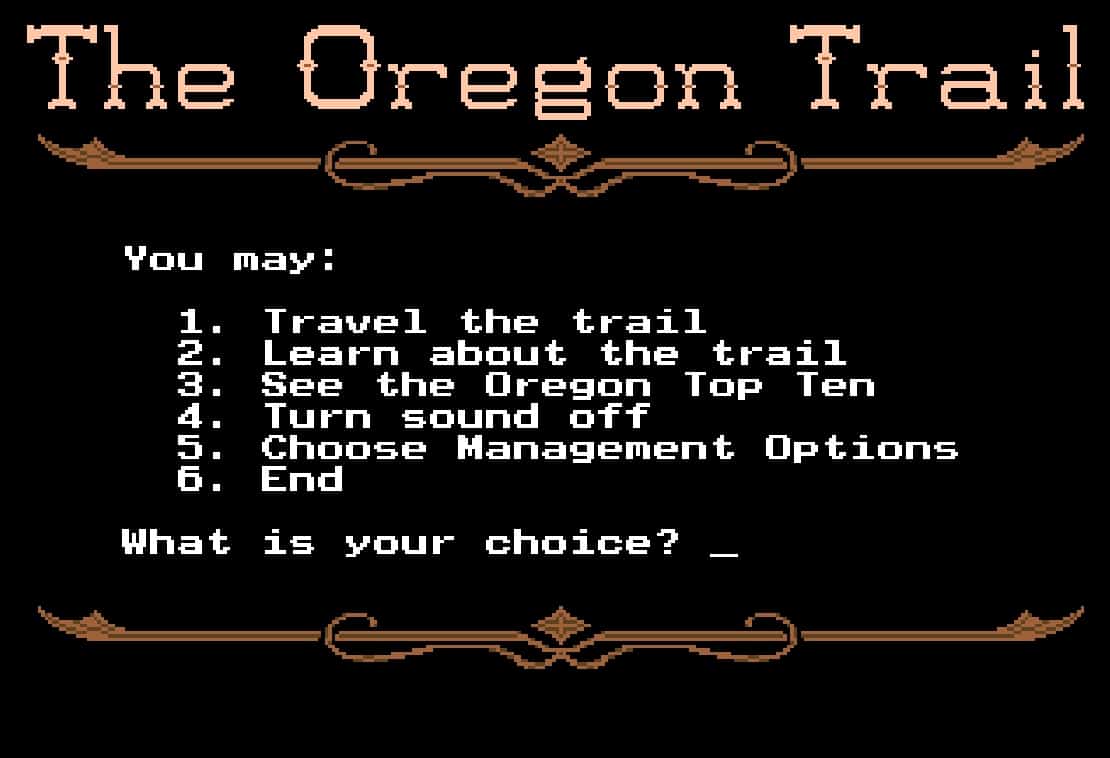
“The Oregon Trail” is more than just a video game; it’s a cultural touchstone that introduced a generation to basic concepts of history, decision-making, and the unforgiving realities of pioneer life. Developed by the Oregon Trail Generation in the 1970s and gaining widespread popularity in the 1980s and 1990s, the game simulated the arduous journey west for settlers in the mid-19th century. Players had to make critical decisions about supplies, pace, and route, all while facing the unpredictable challenges of disease, accidents, and the elements. Its educational value was immense, making history tangible and engaging for students. The game’s simple yet effective mechanics laid the groundwork for many simulation and strategy games that followed. Its educational roots, however, are often what players remember most fondly, associating it with classroom experiences and early introductions to personal computers. The very act of “playing” it, in its original forms, often involved navigating through dated interfaces and limited graphics, which only adds to its nostalgic charm. The game’s success wasn’t just in its entertainment value but in its ability to subtly teach about historical context, economics, and human perseverance.
A Brief History of the Game
The genesis of “The Oregon Trail” can be traced back to 1971, when a team of teachers created an early version for the Apple II computer. The intent was purely educational, aiming to immerse students in the historical context of westward expansion. Over the years, the game underwent numerous iterations and platform releases, with the most famous version being developed by The Learning Company in 1985. This iteration became a standard in American classrooms, solidifying its place in educational history. Each version refined the gameplay, introduced new challenges, and improved graphics, yet the core objective remained the same: survive the journey. The influence of these early versions cannot be overstated; they set a precedent for educational software and demonstrated the power of interactive media in learning. The narrative of hardship, resourcefulness, and the pursuit of a better life on the frontier resonated deeply with players and educators alike, making it a unique blend of entertainment and instruction. The game’s simple yet effective learning curve meant that anyone, from young students to curious adults, could quickly grasp its mechanics and engage with its historical narrative. The underlying message of the game, that of facing adversity and making calculated risks, continues to be relevant.
Educational Impact and Cultural Significance
The impact of “The Oregon Trail” on education is profound. It transformed abstract historical lessons into engaging, interactive experiences. By forcing players to manage their meager resources, make difficult choices about food and supplies, and cope with the constant threat of peril, the game fostered an understanding of the immense challenges faced by actual pioneers. This hands-on approach to history cemented the game’s reputation as a valuable learning tool. Beyond the classroom, “The Oregon Trail” achieved significant cultural penetration. It became a shared memory for millions, a topic of nostalgic conversations, and a symbol of early computing and gaming. Its recognizable elements—the oxen, the river crossings, the constant warnings of dysentery—are ingrained in the collective consciousness of those who grew up playing it. The game’s success was so widespread that it transcended its niche as an educational tool to become a recognized piece of popular culture, influencing subsequent games and media that explored historical themes. The very act of playing it evoked a sense of shared experience, especially in school settings where entire classes would take turns guiding their wagon party. This communal aspect further amplified its cultural resonance.
Modern Avenues to Play “The Oregon Trail”
Despite its age, “The Oregon Trail” is surprisingly accessible to modern audiences through various digital platforms and adaptations. Whether you seek an authentic retro experience or a modernized take on the classic gameplay, there are multiple ways to relive the journey.
Emulation and Retro Gaming
For the most authentic experience, playing “The Oregon Trail” via emulation is an excellent choice. Emulators are software programs that mimic the hardware of older gaming systems, allowing you to run original game files on modern computers or devices.
Finding and Running Emulated Versions
To play the original MS-DOS version, you’ll typically need to find a ROM (Read-Only Memory) image of the game and an MS-DOS emulator, such as DOSBox. The legality of downloading ROMs can be a gray area; it’s generally considered acceptable to download ROMs of games you legally own. Once you have the ROM and the emulator set up, you can configure the emulator to run the game, often with options to adjust settings for optimal performance and display. This method provides the closest approximation to playing the game as it was originally intended, complete with its iconic pixelated graphics and sound effects. Many online communities dedicated to retro gaming can offer guidance on obtaining and running emulators and game ROMs. The setup can sometimes be technical, but the reward is an unfiltered blast from the past. Websites dedicated to preserving classic video games often host resources for finding emulators and instructions on their use. The beauty of emulation lies in its ability to bring these forgotten digital artifacts back to life on contemporary hardware, offering a direct link to gaming history.
Official Digital Releases and Remakes
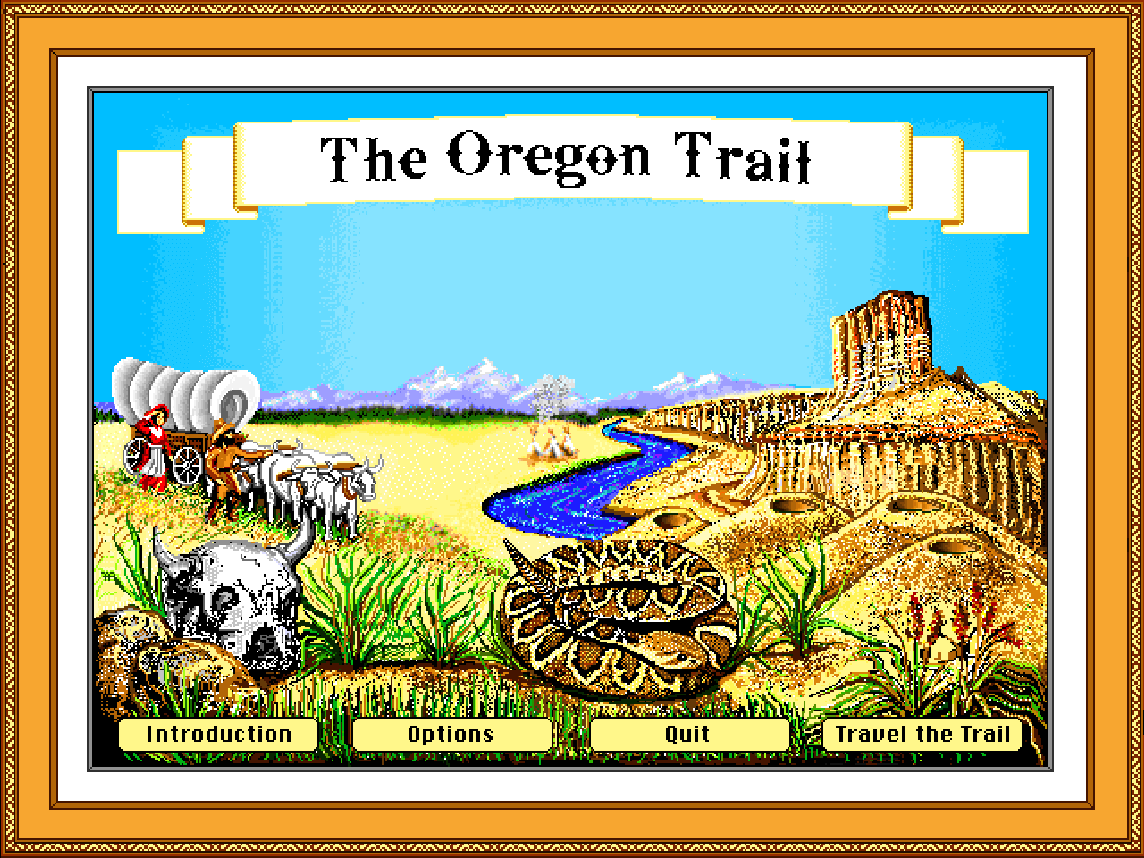
Recognizing the enduring demand, several official versions and modern remakes of “The Oregon Trail” have been released, offering enhanced features and accessibility for today’s gamers.
The Apple Arcade Version
A significant modern adaptation arrived with the release of “Oregon Trail” on Apple Arcade. This version revitalizes the classic gameplay with updated graphics, new challenges, and a more refined user interface, all while retaining the core mechanics that made the original so beloved. It offers a more polished and user-friendly experience, making it accessible to a new generation of players who might not be familiar with emulation. The Apple Arcade subscription service provides a safe and legal way to access this and many other curated games without the need for individual purchases or complex setup. This iteration often includes richer narrative elements and expanded gameplay systems, such as more detailed character interactions and a greater variety of random events, all designed to deepen the player’s immersion in the pioneer experience. The visual overhaul is substantial, transforming the blocky sprites of the past into more detailed and expressive characters and environments, without sacrificing the game’s charm.
Other Notable Adaptations and Inspired Games
Beyond the official releases, numerous other games have drawn inspiration from “The Oregon Trail,” offering their own unique interpretations of the survival and journey simulation. Some might focus more on the historical accuracy, while others might introduce fantastical elements or entirely new mechanics. Exploring these inspired titles can offer fresh perspectives on the genre that “The Oregon Trail” pioneered. For instance, games focusing on resource management in challenging environments, or narrative-driven adventures that require players to make life-or-death decisions, often owe a debt to the seminal work of The Learning Company. The continued interest in these types of games speaks to the timeless appeal of facing overwhelming odds and striving for survival and prosperity. These inspired games demonstrate how the core concepts of “The Oregon Trail” can be translated and expanded upon, creating new and exciting experiences that still capture the spirit of adventure and consequence.
Experiencing “The Oregon Trail” Today
Playing “The Oregon Trail” in its various forms offers more than just entertainment; it’s an opportunity to connect with a piece of digital history and engage with educational themes in a fun and interactive way.
Navigating the Challenges
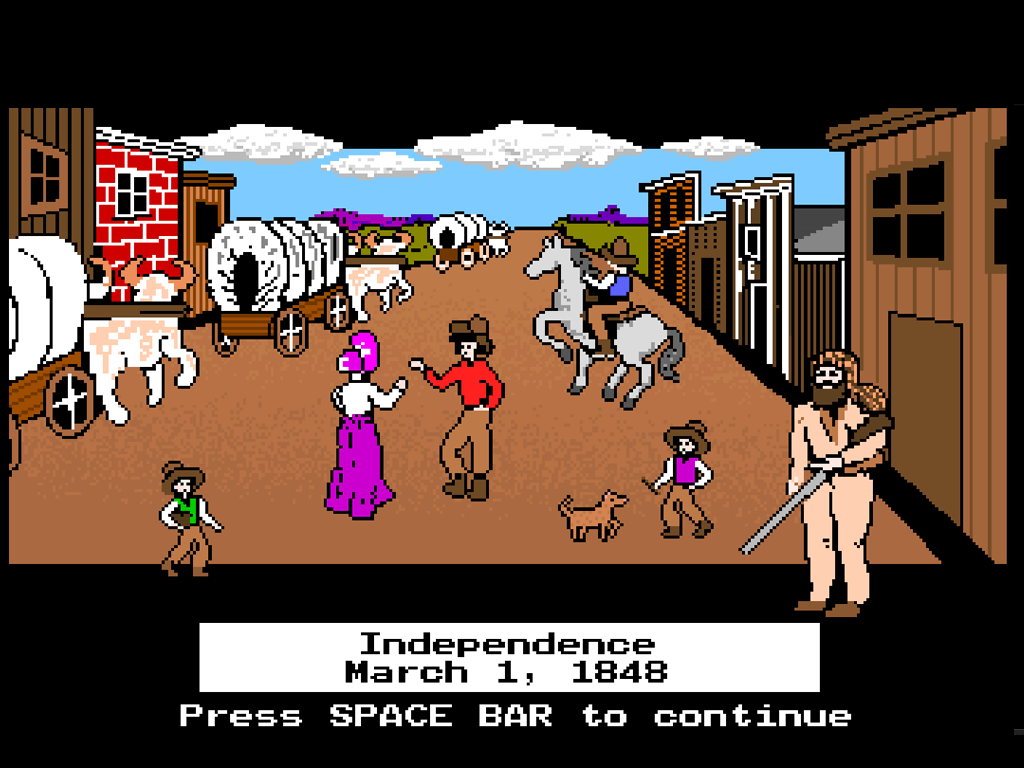
Regardless of the version you choose, the fundamental challenge remains the same: guide your party from Independence, Missouri, to the Willamette Valley in Oregon, all while managing resources, making critical decisions, and surviving the myriad dangers of the trail.
Resource Management and Decision-Making
Success hinges on careful planning and adaptation. Players must decide how much food to buy, what pace to travel at, and when to rest. Do you risk crossing a river during a storm to save time, or wait it out and risk running low on supplies? These choices directly impact your party’s health and morale. The game masterfully balances the thrill of progress with the constant threat of setbacks, ensuring that every decision carries weight. The economic aspect, from purchasing oxen and wagon parts to trading with other travelers, adds another layer of strategic depth. Understanding the value of different supplies and anticipating potential needs—such as extra wagon wheels or medical provisions—becomes crucial for survival. The game’s deterministic elements, combined with random chance, create a unique gameplay loop where planning is essential but adaptability is paramount. This challenge is what draws many players back, seeking to refine their strategies and achieve a successful journey against the odds.
Encounters and Events
The trail is fraught with unpredictable encounters. Players might face disease outbreaks, such as cholera or typhoid fever, or natural disasters like floods and blizzards. Interactions with Native American tribes, hunting for food, and navigating difficult terrain are all part of the immersive experience. The random nature of these events ensures that no two playthroughs are ever exactly alike, keeping the game fresh and challenging even after multiple attempts. Learning to recognize the signs of impending trouble and taking preventative measures is key to overcoming these obstacles. The game’s ability to generate a sense of suspense and urgency through these varied events is one of its most enduring strengths. Whether it’s a sudden illness striking down a party member or a broken wagon wheel miles from any settlement, these moments test a player’s mettle and resourcefulness.
The “Oregon Trail” Experience in Context
Playing “The Oregon Trail” today offers a unique perspective on the evolution of gaming and the enduring appeal of historical simulation. It serves as a reminder of how far technology has come, while also highlighting the timeless nature of good game design. The game’s educational value remains, offering players a tangible way to learn about the trials and tribulations of 19th-century pioneers. It’s an experience that can be both frustrating and incredibly rewarding, fostering a deep appreciation for the resilience and determination required for such a monumental undertaking. The simple yet profound lessons learned from navigating the trail—about planning, perseverance, and the unpredictable nature of life—continue to resonate. It’s a journey that encourages critical thinking and a deeper understanding of history, making it a timeless classic for a reason. The act of playing it is often a nostalgic trip for adults, and a fascinating introduction to historical challenges for younger players, bridging generational gaps through shared digital experience.
LifeOutOfTheBox is a participant in the Amazon Services LLC Associates Program, an affiliate advertising program designed to provide a means for sites to earn advertising fees by advertising and linking to Amazon.com. Amazon, the Amazon logo, AmazonSupply, and the AmazonSupply logo are trademarks of Amazon.com, Inc. or its affiliates. As an Amazon Associate we earn affiliate commissions from qualifying purchases.