
The dream of a high-speed rail network connecting the major population centers of California has been a subject of discussion, debate, and ambition for decades. Promising to revolutionize travel, reduce carbon emissions, and stimulate economic growth, the California High-Speed Rail project is one of the most ambitious infrastructure undertakings in the United States. However, the question of its completion date has been a moving target, fraught with challenges that have shaped its timeline. Understanding the factors influencing its progress is crucial for appreciating the potential impact of this transformative transportation system.
The Ambitious Vision and Early Hurdles
The genesis of California High-Speed Rail can be traced back to legislative efforts in the late 20th century, but it gained significant momentum with the passage of Proposition 1A in 2008. This voter-approved initiative authorized $9.95 billion in state bonds to fund the initial construction phases of a high-speed rail system designed to eventually link San Francisco to Los Angeles and San Diego, with potential extensions to other key destinations.
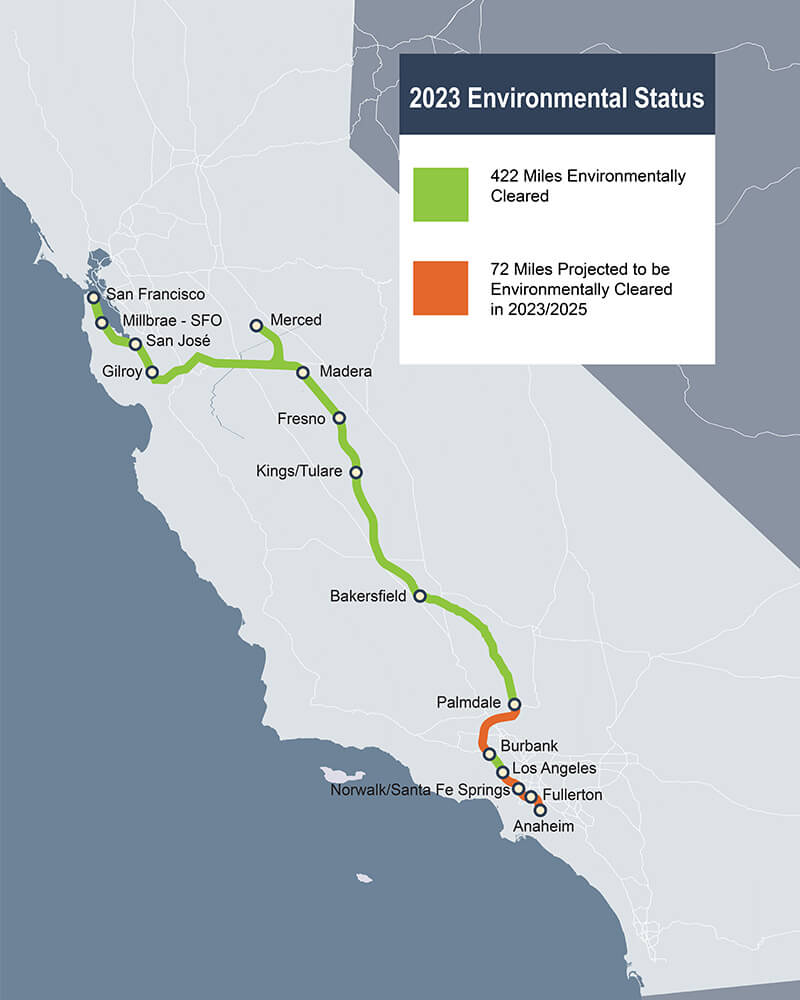
The vision was clear: trains traveling at speeds exceeding 200 miles per hour, offering a sustainable and efficient alternative to air and highway travel. This would not only reshape intercity transportation but also foster development around new transit hubs, potentially revitalizing communities and attracting new businesses.
However, the path from vision to reality has been anything but smooth. Early stages were plagued by political opposition, legal challenges, and the sheer complexity of acquiring land and environmental approvals across diverse terrains and populated areas. Securing consistent funding has been a perennial challenge, with reliance on a combination of state bonds, federal grants, and private investment proving to be a delicate balancing act. The scale of the project—spanning over 500 miles of track—necessitated intricate planning and coordination, often encountering unforeseen obstacles.
Funding Dynamics
The financial architecture of the California High-Speed Rail project is a complex interplay of various sources. While Proposition 1A provided a crucial initial boost, subsequent phases have required ongoing commitment from state and federal governments, as well as efforts to attract private capital. The fluctuating availability of federal funding, often subject to shifts in national political priorities, has been a significant factor in project pacing. State budgets, too, are subject to economic cycles, impacting the steady flow of necessary funds. The pursuit of private partnerships, while essential for large-scale infrastructure, introduces its own set of negotiation complexities and risk-sharing considerations. This multifaceted funding landscape has directly influenced construction schedules and the ability to maintain momentum.
Legal and Environmental Reviews
Navigating the labyrinth of environmental regulations and land use laws in California has been a substantial undertaking. The project has faced numerous lawsuits, primarily concerning its environmental impact reports and the process of eminent domain for acquiring necessary rights-of-way. Each legal challenge, while often resolved, adds time and cost to the project. Comprehensive environmental reviews are essential, covering everything from wildlife habitats and water resources to noise pollution and community impacts. The iterative nature of these reviews, often requiring additional studies and mitigation measures, contributes to the project’s extended timeline.
Progress and Current Status
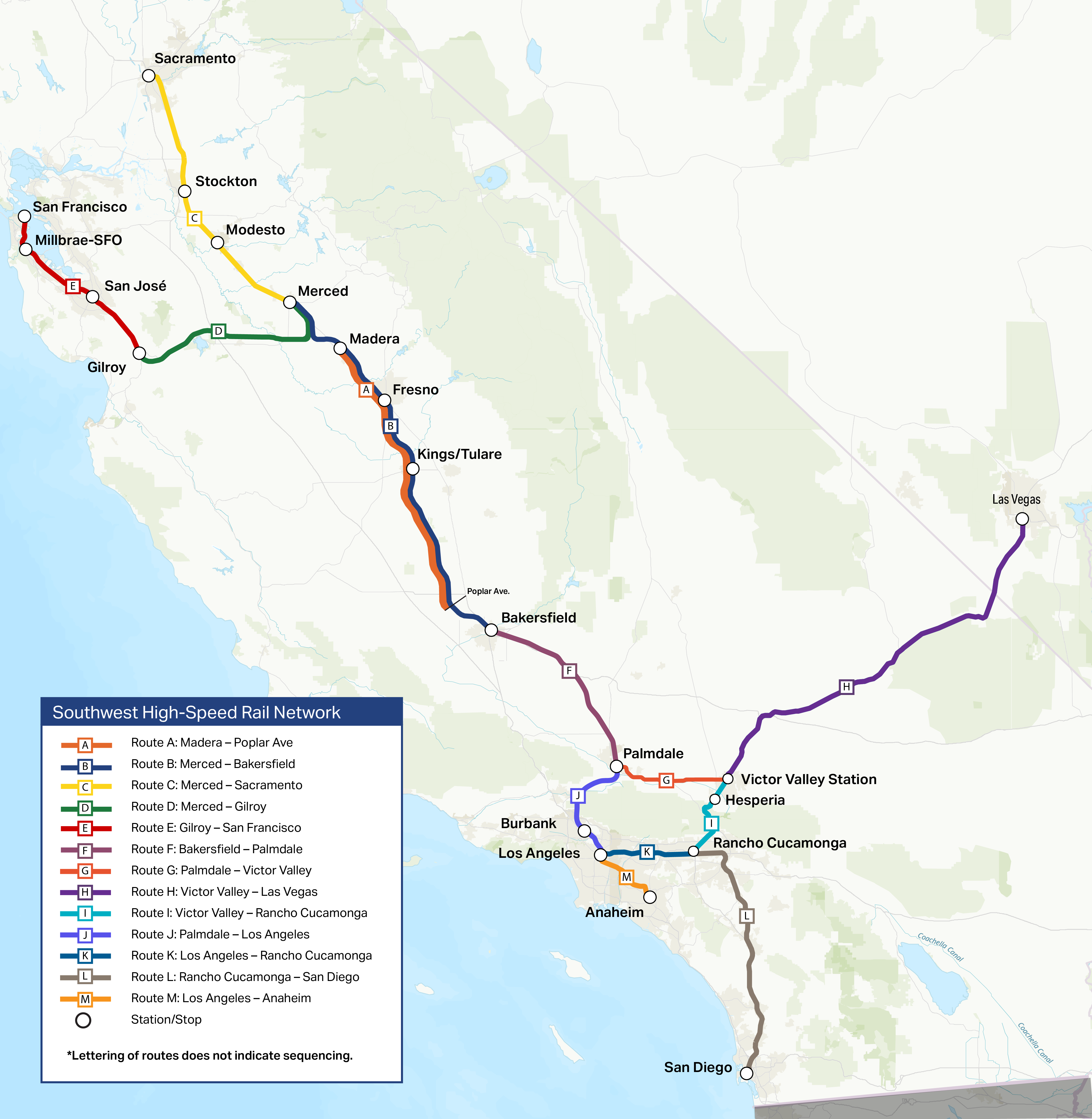
Despite the challenges, significant progress has been made, particularly in the Central Valley. The initial operating segment, planned to run from Bakersfield to Merced, is under active construction. This segment is considered a critical proof of concept, demonstrating the feasibility of building and operating high-speed rail in California.
The Central Valley Segment: A Foundation for the Future
The construction in the Central Valley involves building a 119-mile segment of track, including stations, viaducts, and bridges. This phase is crucial as it establishes the foundational infrastructure for the broader network. Workers are actively laying track, constructing stations, and testing systems. The land acquisition and environmental clearances for this segment have been largely secured, allowing for more continuous construction. This concentrated effort in a less densely populated region has allowed the project to gain tangible momentum, showcasing the engineering and construction capabilities required for the larger system.
Expanding to the Bay Area and Southern California
While the Central Valley segment moves forward, efforts are also underway to connect it to the San Francisco Bay Area and eventually to Southern California. This involves extending the line north towards San Jose and south towards Los Angeles. These segments face greater complexities due to higher population densities, existing infrastructure, and more extensive land acquisition requirements. The engineering and planning for these extensions are ongoing, with significant investment needed to bridge the geographical and logistical gaps.
Projected Completion Timelines and Future Outlook
The question of when California High-Speed Rail will be fully completed is met with a nuanced answer, reflecting the project’s phased approach and ongoing challenges. Official projections have evolved over time, influenced by funding availability, construction progress, and the resolution of legal and environmental issues.
Phased Rollout: From Initial Operations to Full Network
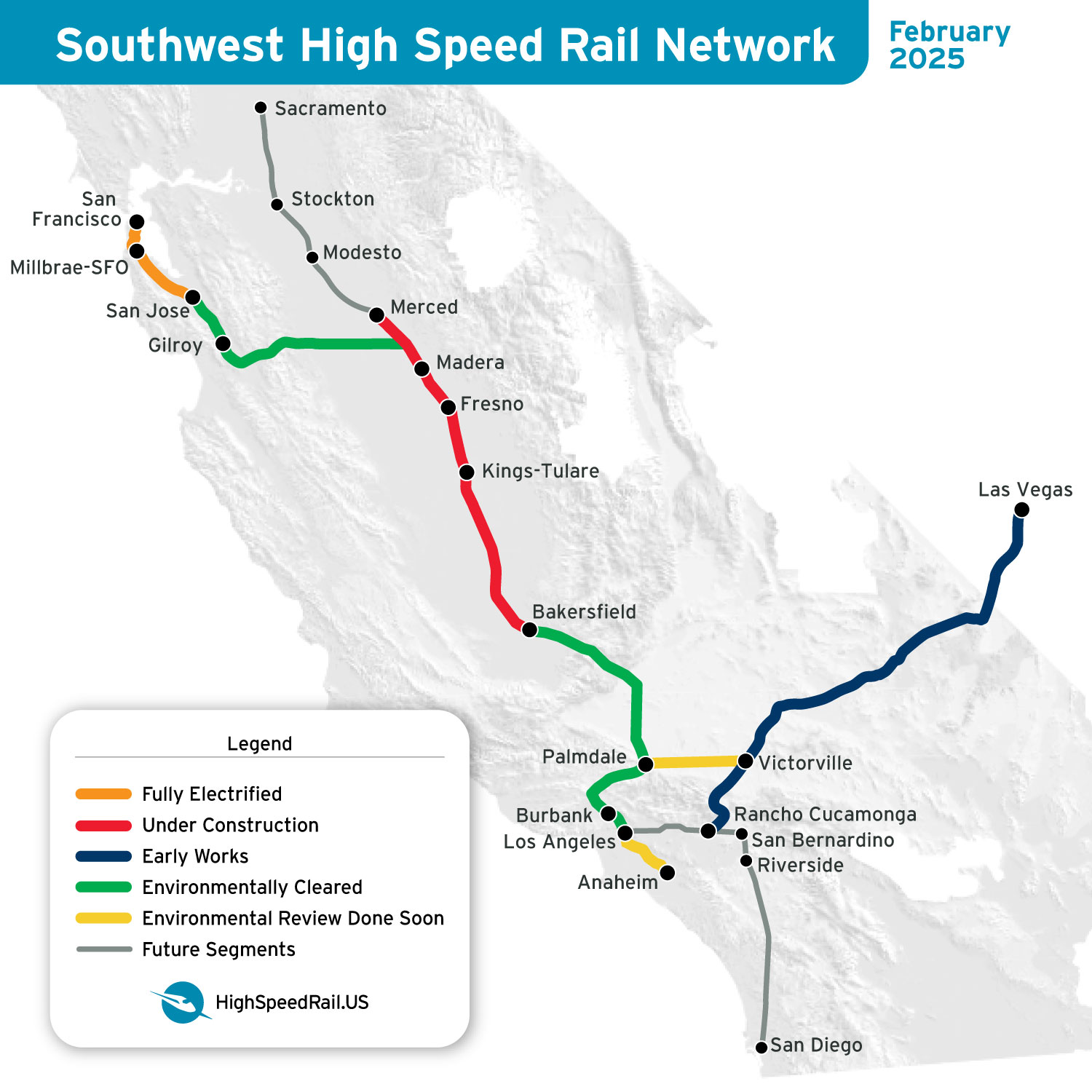
The initial operational goal is to have the Central Valley segment carrying passengers. This is anticipated in the mid-2030s. This phase will allow passengers to travel between Bakersfield and Merced, offering a glimpse into the high-speed travel experience.
The full completion of the entire San Francisco-to-Los Angeles corridor is a more distant prospect. Current estimates suggest this could be achieved in the late 2030s or early 2040s. This extended timeline acknowledges the immense scope of work required for the northern and southern extensions, including tunnels through mountain ranges and integration with existing urban transit systems. The completion of further extensions to San Diego or other cities would extend the timeline even further, likely into the mid-2040s or beyond.
Factors Influencing Future Timelines
Several critical factors will determine whether these projections hold true:
- Consistent Funding: Sustained and predictable funding from both state and federal sources, as well as successful private investment partnerships, is paramount. Any significant funding shortfalls could lead to delays and scaled-back construction phases.
- Streamlined Approvals: Continued progress in securing environmental clearances and resolving land acquisition challenges will be essential for maintaining construction pace. Innovations in permitting processes and efficient dispute resolution could expedite progress.
- Technological Advancements and Innovation: The adoption of new construction techniques and materials, along with advancements in rail technology itself, could potentially accelerate the building process and improve efficiency.
- Political Will and Public Support: Ongoing political commitment at state and local levels, coupled with sustained public enthusiasm, will be vital in navigating future obstacles and ensuring the project remains a priority.
The California High-Speed Rail project is more than just a transportation upgrade; it represents a long-term investment in the state’s future. While the precise completion date remains a subject of ongoing development, the progress made, particularly in the Central Valley, signifies a tangible step towards realizing the vision of a connected, sustainable, and efficient California. The journey has been complex, but the potential rewards—reduced travel times, environmental benefits, and economic revitalization—continue to drive this monumental endeavor forward.
LifeOutOfTheBox is a participant in the Amazon Services LLC Associates Program, an affiliate advertising program designed to provide a means for sites to earn advertising fees by advertising and linking to Amazon.com. Amazon, the Amazon logo, AmazonSupply, and the AmazonSupply logo are trademarks of Amazon.com, Inc. or its affiliates. As an Amazon Associate we earn affiliate commissions from qualifying purchases.