
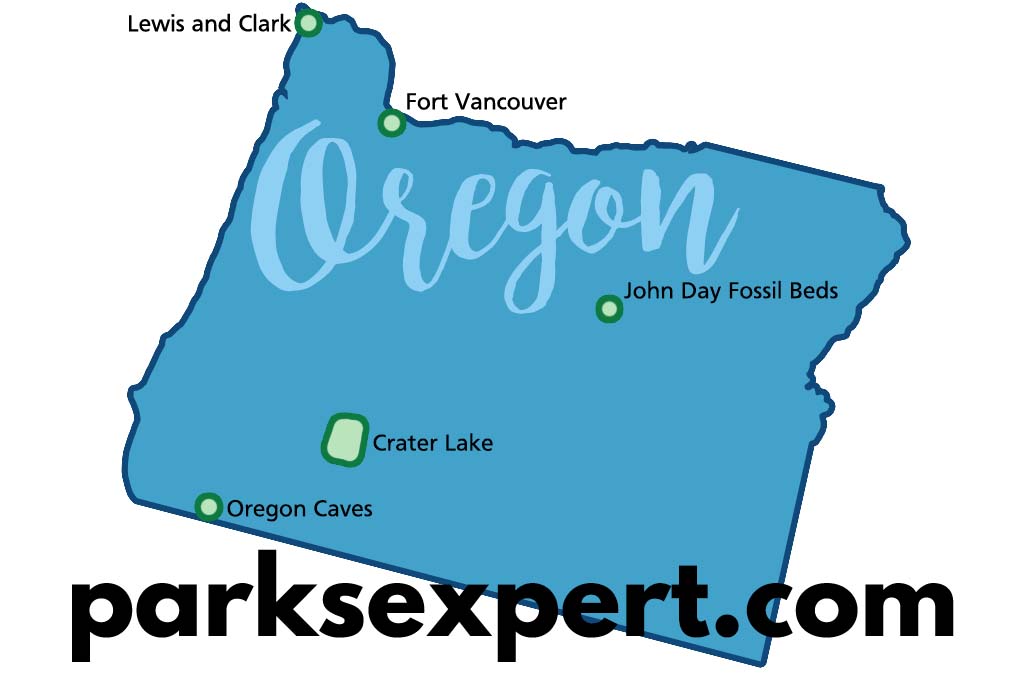
Oregon, a state renowned for its breathtaking natural beauty, diverse landscapes, and commitment to conservation, is home to an impressive collection of federally protected areas. While the term “National Park” often evokes images of iconic, sprawling wilderness, Oregon’s designation includes not only traditional National Parks but also National Monuments and National Historic Sites, each offering unique experiences and invaluable insights into the region’s geological, ecological, and historical significance. Exploring these protected lands provides an unparalleled opportunity to connect with the untamed spirit of the Pacific Northwest.
Crater Lake National Park: Oregon’s Crown Jewel
The undisputed centerpiece of Oregon’s National Park system is Crater Lake National Park. This park is a testament to nature’s raw power and artistry, centered around the deepest lake in the United States, formed within the caldera of the collapsed volcano Mount Mazama. The lake’s astonishingly blue water, a result of its extreme depth and purity, is a sight that captivates visitors from around the globe.
The Formation of Crater Lake
Around 7,700 years ago, Mount Mazama experienced a colossal eruption, spewing volcanic ash and rock across vast distances. Following this massive eruption, the volcano’s summit collapsed inward, creating the immense caldera that now cradles Crater Lake. Over centuries, the caldera filled with rainwater and snowmelt, yielding the spectacular, deep blue waters seen today. The clarity of the water is such that visibility can exceed 100 feet, offering a mesmerizing glimpse into the lake’s depths.
Activities and Attractions at Crater Lake
The primary attraction is, of course, the lake itself. Visitors can drive the scenic Rim Drive, a 33-mile road that encircles the lake, offering numerous viewpoints and pull-offs. Popular overlooks include Discovery Point, Watchman Overlook, and Phantom Ship Overlook.
Hiking trails abound, catering to all levels of fitness. The moderate Cleetwood Cove Trail leads down to the lake’s edge, where boat tours to Wizard Island depart. Wizard Island, a cinder cone volcano within the caldera, offers its own hiking opportunities and stunning panoramic views. For more challenging treks, the Garfield Peak Trail and the Watchman Peak Trail provide rewarding vistas of the lake and surrounding landscape.
Winter transforms Crater Lake National Park into a wonderland of snow. While most of Rim Drive closes due to heavy snowfall, ranger-led snowshoe walks and opportunities for cross-country skiing offer a unique perspective on the park’s serene beauty.
Oregon Caves National Monument & Preserve: A Subterranean Marvel
Beyond the grandeur of volcanic calderas, Oregon also protects a remarkable subterranean wonder: Oregon Caves National Monument & Preserve. Located in the southwestern part of the state, this site is celebrated for its intricate limestone cave system, sculpted over millennia by underground rivers.
Exploring the Caves
The primary activity at Oregon Caves National Monument & Preserve is guided cave tours. These tours vary in length and difficulty, allowing visitors to witness the stunning formations such as stalactites, stalagmites, flowstones, and draperies. The “Discovery Tour” is a popular introductory option, while more adventurous tours, like the “Javier’s Cave Tour” or the “Off-the-Beaten-Path Tour,” involve crawling and squeezing through tighter passages, offering a more intimate and challenging exploration of the cave’s depths.
Above Ground Wonders
The preserve also encompasses a significant old-growth forest, providing a beautiful contrast to the subterranean experience. Hiking trails wind through the lush forests, offering opportunities to spot diverse wildlife and enjoy the serene natural environment. The Big Tree Trail is a short, accessible path leading to an impressive old-growth Douglas fir.
John Day Fossil Beds National Monument: A Glimpse into Geologic History
For those fascinated by the deep past, John Day Fossil Beds National Monument offers an unparalleled journey through millions of years of Earth’s history. Spread across three distinct units in north-central Oregon, this monument protects an exceptional record of fossilized plant and animal life.
The Painted Hills Unit

The Painted Hills Unit is perhaps the most visually striking part of the monument, renowned for its vibrant, multicolored hills. These hills, formed from ancient soils, showcase an astonishing palette of reds, oranges, yellows, and purples, changing dramatically with the light. Short, well-maintained trails, such as the Painted Hills Overlook Trail and the Blue Basin Trail, allow visitors to explore the area and marvel at the geological artistry. These formations preserve fossils from the Miocene and Pliocene epochs.
The Sheep Rock Unit
The Sheep Rock Unit is the most developed unit, featuring the Thomas M.cantwell Visitor Center, which houses exhibits on paleontology and local natural history. This unit protects fossils from a wider range of geologic periods, including early horses, camels, and prehistoric mammals. Hiking trails here offer access to various fossil-bearing formations and panoramic views of the unique landscape.
The Clarno Unit
The Clarno Unit preserves the oldest fossils within the monument, dating back to the Eocene epoch. Its most famous feature is the “Moon Rock,” a massive layer of volcanic ash that solidified into a hard, fossil-rich rock. The Trail of the Fossils is a popular short walk that reveals leaf imprints and other ancient flora.
National Historic Sites: Echoes of Oregon’s Past
While not designated as National Parks in the traditional sense, Oregon also hosts significant National Historic Sites that preserve crucial aspects of the state’s heritage. These sites offer a different, yet equally vital, perspective on the region’s importance.
Fort Vancouver National Historic Site
Although a portion of the historic site lies within Washington, Fort Vancouver National Historic Site on the Oregon side of the Columbia River is critical to understanding the region’s fur trade history and early settlement. The reconstructed fort, originally established by the Hudson’s Bay Company in 1825, served as a major hub for trade and exploration in the Pacific Northwest. Visitors can explore the palisade, historic buildings, and engage with living history demonstrations that bring the past to life. The site also includes Pearson Air Museum, celebrating aviation history in the area.
McLoughlin House National Historic Site
Located in Oregon City, the McLoughlin House National Historic Site is the preserved home of Dr. John McLoughlin, a pivotal figure in the development of the Oregon Territory and a leading executive of the Hudson’s Bay Company. The beautifully restored 1846 house offers insight into the life of a prominent early resident and the challenges and triumphs of settling the West. It stands as a symbol of the complex interplay between Native American tribes, European traders, and American pioneers.
Planning Your Oregon National Park Adventure
Visiting Oregon’s national park sites requires thoughtful planning to maximize your experience and ensure responsible exploration. Each location presents unique environmental conditions and visitor guidelines.
Best Times to Visit
The summer months, from June through September, generally offer the most favorable weather for visiting most of Oregon’s national parks and monuments. This is when Rim Drive at Crater Lake National Park is typically fully accessible, and hiking conditions are ideal across all sites. However, summer can also mean larger crowds.
Spring and fall offer fewer visitors and stunning scenery, with spring bringing wildflowers and fall showcasing vibrant autumn colors. Winter is a magical time for Crater Lake National Park for snow enthusiasts, though access to many areas becomes limited. For John Day Fossil Beds National Monument, spring and fall provide relief from the summer heat, making exploration more comfortable.
Essential Preparations
- Check Park Websites: Always consult the official National Park Service websites for each specific park or monument before your visit. This will provide the latest information on road closures, trail conditions, tour availability, fees, and any alerts or advisories.
- Accommodation: Lodging options vary greatly. Crater Lake National Park has the historic Crater Lake Lodge and The Cabins at Mazama Village within the park, while other areas may require staying in nearby towns like Bend, Grants Pass, or The Dalles. Book accommodations well in advance, especially during peak season.
- Gear and Safety: Pack layers of clothing, as Oregon’s weather can change rapidly. Sturdy hiking boots are essential. Carry plenty of water, especially in the drier regions of John Day Fossil Beds National Monument. Sun protection, including hats and sunscreen, is vital. Be aware of wildlife and practice Leave No Trace principles to preserve these natural treasures for future generations.
- Reservations: For popular activities like guided cave tours at Oregon Caves National Monument & Preserve or boat tours at Crater Lake National Park, reservations are often highly recommended or required.
Oregon’s national parks and monuments are not just destinations; they are gateways to understanding the profound geological forces, rich ecological tapestry, and captivating human history that have shaped this extraordinary corner of the United States. Each visit promises discovery, awe, and a renewed appreciation for the natural and historical wonders preserved for all to experience.
LifeOutOfTheBox is a participant in the Amazon Services LLC Associates Program, an affiliate advertising program designed to provide a means for sites to earn advertising fees by advertising and linking to Amazon.com. Amazon, the Amazon logo, AmazonSupply, and the AmazonSupply logo are trademarks of Amazon.com, Inc. or its affiliates. As an Amazon Associate we earn affiliate commissions from qualifying purchases.