
The name itself sparks a delightful debate among dessert enthusiasts and culinary historians alike. Is the Boston Cream Pie truly a pie, or is it a cake masquerading under a misleading, albeit iconic, moniker? For visitors exploring the rich culinary landscape of Boston, understanding this sweet enigma is not just about satisfying a craving; it’s about delving into a significant piece of local culture and history. This beloved dessert, a staple of Massachusetts and a designated state dessert, offers a fascinating entry point into the city’s gastronomic heritage, reflecting its innovative spirit and enduring traditions.

The Culinary Enigma of the Boston Cream Pie
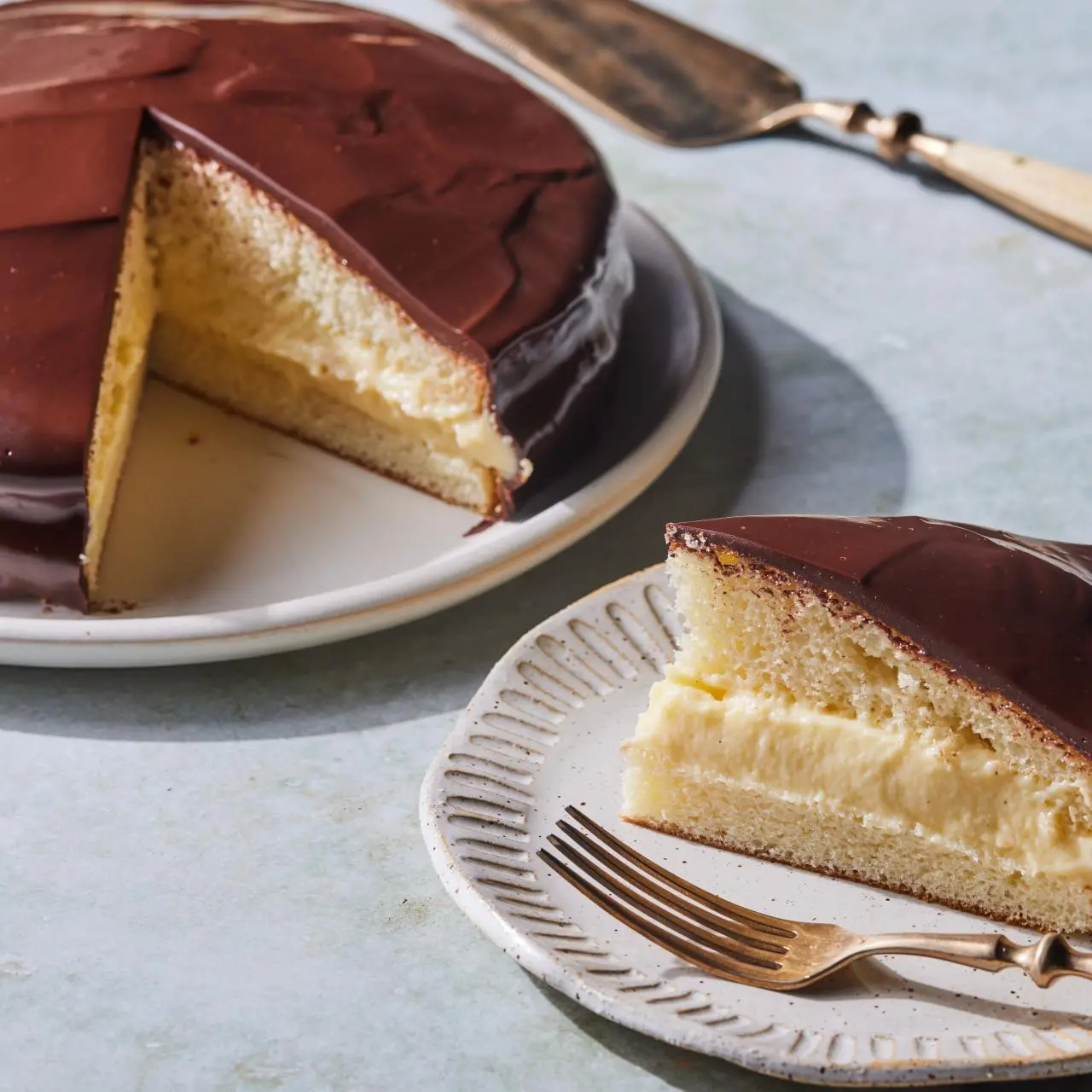
At first glance, the Boston Cream Pie presents a clear contradiction. Its layered structure—two tender sponges separated by a luscious vanilla cream filling, all crowned with a rich chocolate glaze—bears the unmistakable characteristics of a cake. Yet, the name adamantly declares it a “pie.” This historical oddity is not a mere accident but a testament to a bygone era of American baking, when culinary definitions were more fluid and kitchen technologies were still evolving. For those engaging in culinary tourism in Boston, understanding this dessert means appreciating a historical artifact as much as a delectable treat.
A Deep Dive into its History
The origins of the Boston Cream Pie trace back to the mid-19th century, a period of significant culinary innovation in the United States. It was conceived around 1856 at the prestigious Parker’s Restaurant, located within the Omni Parker House in Downtown Boston. Originally known as “Chocolate Cream Pie” or “Parker House Chocolate Cream Pie,” the dessert emerged at a time when round cake pans were a relative novelty, and many desserts baked in round tins were referred to as “pies,” regardless of their composition. The earliest versions of this dish were indeed more akin to a pudding cake or a tart, evolving over time into the distinct layered cake we recognize today. The “pie” designation was likely an early descriptive term that simply stuck, solidifying its place in culinary lore and confusing generations of dessert lovers. This historical context provides valuable insight for any visitor keen on understanding the unique cultural nuances embedded in Boston’s food scene.
The Original Parker’s Restaurant Legacy
The birthplace of the Boston Cream Pie, Parker’s Restaurant at the Omni Parker House, remains an integral part of its story. This historic establishment, famed for its culinary contributions, also takes credit for inventing Parker House rolls. Visiting the Omni Parker House offers more than just a taste of the original dessert; it provides a tangible connection to Boston’s storied past. For tourists, dining at Parker’s Restaurant is an experience in itself, a step back in time where the ambiance and service complement the historical significance of the cuisine. It’s a prime example of how food tourism intersects with historical landmarks, offering a holistic cultural immersion. The chefs at Parker’s Restaurant have meticulously preserved the original recipe, ensuring that each slice embodies the tradition and flavor profile that has captivated palates for over a century.
Understanding its Unique Composition
To truly appreciate the Boston Cream Pie, one must dissect its components and understand how they interact to create its distinctive character. It is the careful balance of these elements that defines its charm and contributes to its enduring popularity, making it a must-try for any visitor exploring local food culture.
Beyond the Name: Cake, Custard, and Ganache
At its heart, the Boston Cream Pie is a layered dessert built on three fundamental components:
- The Cake: Two layers of light, airy sponge cake form the foundation. This is typically a butter cake, moist and delicate, providing a neutral canvas for the rich fillings. The texture is crucial; it needs to be sturdy enough to hold the custard but tender enough to melt in the mouth.
- The Custard: The quintessential element separating it from many other cakes is its creamy, velvety custard filling. Traditionally a pastry cream (crème pâtissière), this rich vanilla-flavored custard provides a cool, smooth contrast to the cake. Its generous volume and unctuous texture are what elevate the dessert from a simple cake to something truly special.
- The Ganache: A glossy, dark chocolate ganache crowns the entire creation. This chocolate topping is usually poured while warm, creating a smooth, slightly hardened shell as it cools. The bitterness of the dark chocolate perfectly balances the sweetness of the cake and custard, providing a sophisticated finish.
The combination of these elements creates a symphony of textures and flavors—the soft cake, the silky custard, and the firm, slightly bitter chocolate—that distinguishes the Boston Cream Pie and places it firmly within the cake family, despite its name.
Why the “Pie” Misnomer?
The continued use of “pie” in its name is a charming historical anomaly that adds to its mystique. As mentioned, during the mid-19th century, cakes baked in shallow, round pans were often referred to as pies, especially before the widespread adoption of specific cake terminology and baking equipment. “Pudding pies” were common, encompassing a variety of baked desserts with creamy fillings. Furthermore, early American pies often featured bottom crusts with creamy or fruit fillings, sometimes topped with a thin cake-like layer, blurring the lines between what we now strictly define as pie or cake. The Boston Cream Pie’s initial form likely resembled these ‘pudding pies’ more closely, and as it evolved into a fully-fledged cake, the original nomenclature simply stuck. This linguistic quirk is a fun piece of trivia for any visitor seeking to understand the unique cultural narrative behind Boston’s most famous dessert. It’s a reminder that culinary traditions often carry the imprints of their past, even when those imprints no longer perfectly align with modern definitions.
A Boston Icon and Cultural Staple
Beyond its delicious taste and intriguing nomenclature, the Boston Cream Pie holds a special place in the heart of Boston and its residents. It’s more than just a dessert; it’s a symbol of local pride, a culinary landmark that draws visitors into the city’s vibrant food culture. For travelers, sampling this iconic treat is as essential as visiting the Freedom Trail or catching a Red Sox game at Fenway Park.
Experiencing the Boston Cream Pie Today
While the original can be savored at the Omni Parker House, numerous bakeries and restaurants across Boston offer their own interpretations of this classic. From traditional renditions that closely follow the original recipe to modern, gourmet variations, there’s a Boston Cream Pie for every palate. Exploring these different versions is a delightful activity for food tourism, allowing visitors to compare and contrast, and discover their personal favorite. Many local establishments pride themselves on using fresh, high-quality ingredients, often sourcing dairy and other components from local Massachusetts farms, further enhancing the local flavor experience. Whether enjoyed in a cozy café in the North End or a bustling diner in the Seaport District, the experience of eating a Boston Cream Pie is an authentic taste of Bostonian life.
Boston’s Sweetest Souvenir
For many, the Boston Cream Pie serves as the perfect edible souvenir. Its portability (when properly packaged) makes it an ideal treat to bring home, sharing a piece of Boston’s culinary heritage with friends and family. Beyond its deliciousness, it carries with it stories of historical intrigue and local pride. Bakeries often sell individual slices or smaller, gift-ready whole pies, making it easy for tourists to take a piece of their Boston experience with them. This tangible connection to a destination through its food is a cornerstone of cultural tourism, allowing the memories of a trip to linger long after the vacation ends. It’s a simple, sweet reminder of the time spent exploring the charming streets and rich history of this iconic American city.
Culinary Tourism and Local Delicacies
The story of the Boston Cream Pie is emblematic of the broader appeal of culinary tourism. Food provides a unique lens through which to understand a destination’s history, culture, and people. In Boston, the emphasis on traditional dishes, from clam chowder to lobster rolls, offers visitors a comprehensive taste of New England.
Exploring Boston’s Food Scene
Boston’s food scene is a vibrant tapestry woven from historical traditions and modern innovations. Beyond the Boston Cream Pie, the city offers an array of local delicacies that are integral to its cultural identity. Visitors can embark on food tours that navigate the historic North End, famous for its Italian bakeries and pasta dishes, or explore the bustling Quincy Market for a taste of various local and international foods. Seafood, naturally, plays a huge role, with fresh catches brought in daily to restaurants along the waterfront. Engaging with these culinary experiences is not just about eating; it’s about connecting with the local community, understanding the rhythms of daily life, and appreciating the craftsmanship behind generations-old recipes. It’s an immersive way to experience Boston beyond its major landmarks.

Essential Foodie Stops
For any visitor keen on a thorough culinary exploration of Boston, a few key stops are essential:
- The Omni Parker House: As the birthplace of the Boston Cream Pie, this is a non-negotiable visit for a taste of history and the original recipe.
- Quincy Market and Faneuil Hall Marketplace: These bustling marketplaces offer a vast selection of local and international foods, perfect for sampling clam chowder, lobster rolls, and other regional favorites.
- The North End: Boston’s oldest residential neighborhood is a paradise for Italian food lovers, boasting an abundance of authentic bakeries, trattorias, and gelato shops.
- Local Bakeries: Seek out smaller, independent bakeries across the city for unique spins on classic Boston desserts, including various takes on the famous pie.
Ultimately, whether the Boston Cream Pie is a pie or a cake is a delightful semantic debate. What is undeniable is its status as a foundational piece of Boston’s culinary identity and a captivating reason for visitors to indulge in the city’s rich cultural offerings. It’s a sweet testament to Boston’s innovative past and its vibrant present, truly making it one of the most delicious aspects of Boston tourism.
LifeOutOfTheBox is a participant in the Amazon Services LLC Associates Program, an affiliate advertising program designed to provide a means for sites to earn advertising fees by advertising and linking to Amazon.com. Amazon, the Amazon logo, AmazonSupply, and the AmazonSupply logo are trademarks of Amazon.com, Inc. or its affiliates. As an Amazon Associate we earn affiliate commissions from qualifying purchases.