
Alaska, a land of unparalleled natural beauty, immense wilderness, and a reputation for extreme temperatures, often sparks a singular question in the minds of potential visitors: “How cold does Alaska really get?” This question is not just about mere curiosity; it’s a crucial element for anyone planning a trip to this captivating frontier, influencing everything from packing lists and itinerary planning to the choice of accommodation and the very experiences they’ll seek. Alaska’s climate is as diverse as its landscapes, ranging from the relatively mild coastal regions to the profoundly frigid interior. Understanding these nuances is key to appreciating and safely enjoying all that the Last Frontier has to offer, whether you’re dreaming of a luxurious resort stay or a budget-friendly adventure.
Decoding Alaska’s Climate: Beyond the Frosty Reputation
While Alaska is synonymous with ice and snow, its climate is far from monolithic. Several factors contribute to the vast range of temperatures experienced across the state.
Coastal vs. Interior Extremes
The most significant differentiator in Alaska’s climate lies between its coastal regions and its vast interior. The Pacific Ocean exerts a considerable moderating influence on coastal areas. This means that cities like Juneau, Ketchikan, and Sitka generally experience milder winters and cooler summers compared to their inland counterparts. Precipitation, often in the form of rain and snow, is abundant, contributing to the lush temperate rainforests found in places like the Misty Fjords National Monument.
In stark contrast, the interior of Alaska, far from any significant oceanic influence, is where the truly extreme temperatures are recorded. Regions like Fairbanks and the Yukon Territory (often considered part of the broader Alaskan context for its similar climate) experience continental climates characterized by long, frigid winters and short, warm summers. Here, the temperature fluctuations are dramatic, with winter lows plummeting far below zero and summer highs often reaching comfortable, even warm, levels. This stark contrast is a fundamental aspect of understanding Alaska’s weather patterns.
Influences of Geography and Topography
The sheer scale of Alaska, coupled with its varied topography, plays a pivotal role in shaping its climate. Towering mountain ranges, such as the Alaska Range and the Brooks Range, act as significant barriers to weather systems. The Alaska Range, home to Denali, North America’s tallest peak, dramatically influences precipitation patterns. The southern side of the range receives copious amounts of snow, feeding glaciers and contributing to the state’s icy reputation. The northern side, in the rain shadow of these mountains, experiences drier conditions.
Furthermore, Alaska’s vast expanse means that different regions are exposed to different air masses. The presence of the Arctic Ocean to the north means that northern Alaska is subject to very cold Arctic air for much of the year, leading to exceptionally low temperatures. Conversely, the influence of the Pacific Ocean to the south brings maritime air, which is generally wetter and less extreme in temperature. Even within seemingly similar regions, microclimates can exist, shaped by elevation, proximity to water bodies, and the presence of dense forests.
Winter Wonders and Their Chilling Realities
When people think of Alaska’s cold, they are invariably picturing its formidable winters. This is when the state truly embraces its moniker as the “Last Frontier,” presenting a landscape transformed by snow and ice, offering unique travel experiences for the intrepid.
The Deep Freeze: Interior Winter Temperatures
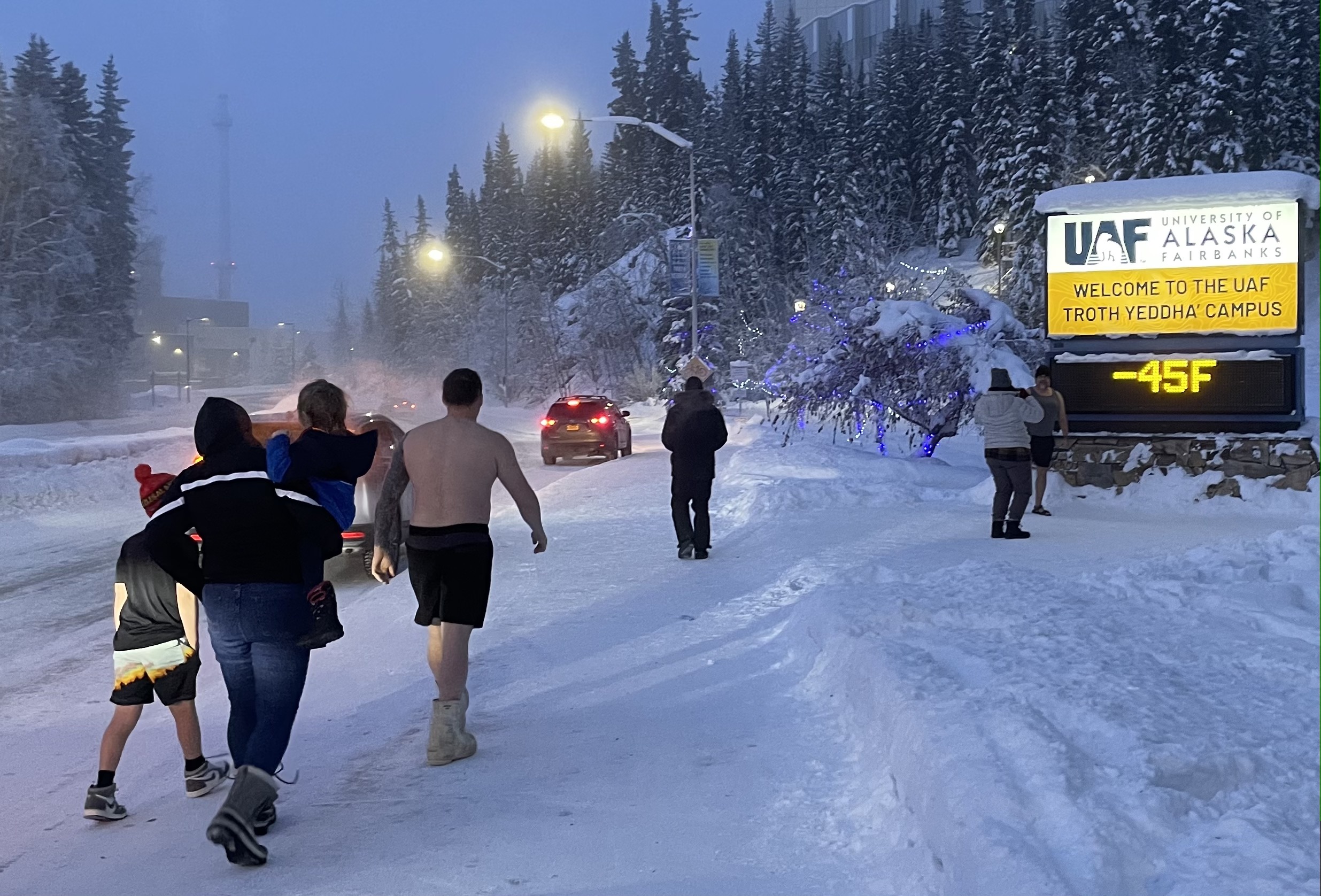
The interior of Alaska is where the thermometers truly take a plunge. Fairbanks, a popular destination for experiencing the Aurora Borealis, is renowned for its extreme winter cold. Average January temperatures in Fairbanks hover around -10°F (-23°C), but it is not uncommon for the mercury to drop to -30°F (-34°C) or even -40°F (-40°C). On particularly harsh days, temperatures can plummet to -50°F (-46°C) or lower. These are the temperatures that define “cold” for most people, and they require serious preparation and respect.
The phenomenon of permafrost, ground that remains frozen for two or more consecutive years, is prevalent in the interior and significantly impacts building and infrastructure. It also contributes to the unique landscape, with features like thermokarst lakes forming as the ground thaws and freezes cyclically. For tourists, understanding this deep freeze is essential for staying safe and comfortable. This means dressing in layers of insulated clothing, protecting extremities, and being aware of the signs of frostbite and hypothermia. Many lodging options, from cozy cabins to hotels, are designed with extreme cold in mind, featuring robust heating systems.
Coastal Chill: A Milder Winter Embrace
While still cold, the winter experienced along Alaska’s coast is considerably milder. Anchorage, the state’s largest city, is situated in Southcentral Alaska and benefits from a degree of maritime influence. Average January temperatures in Anchorage are typically in the teens (around -9°C to -7°C), with occasional dips to 0°F (-18°C) or below. Snowfall is common, transforming the urban landscape into a winter wonderland, but the biting cold of the interior is generally absent.
Cities like Skagway and Haines, located in the Alaska Panhandle, experience similar coastal winter conditions. These areas often see more precipitation, which can manifest as rain, freezing rain, or snow, depending on the exact temperature. The proximity to the ocean keeps the most extreme cold at bay, making these regions more accessible for winter tourism, although visitors still need to be prepared for cold, wet conditions. Many hotels and resorts cater to winter visitors, offering warm havens after a day of exploring.

Summer’s Warmth and the Lingering Chill
Alaska’s summers are a time of vibrant life, long daylight hours, and a welcome reprieve from the winter’s grip. However, even during the warmest months, the state retains a certain coolness, a reminder of its northern latitude.
The Sun-Kissed Interior
The interior of Alaska experiences the most dramatic seasonal shift. Summers in Fairbanks can be surprisingly warm, with average July temperatures in the mid-60s°F (around 18-19°C). It’s not uncommon for temperatures to climb into the 70s°F (20s°C), and even occasionally reach the 80s°F (high 20s°C). This is when Alaska bursts into full bloom, with wildflowers carpeting the tundra and the long daylight hours (known as the “midnight sun”) providing ample time for exploration.
This period is ideal for activities like hiking, fishing, and wildlife viewing. Many tourists opt to stay in lodges or apartments during the summer, enjoying the pleasant weather. However, even on warm summer days, temperatures can drop significantly after sunset, so it’s wise to pack a jacket. This is also the time when many of Alaska’s famous national parks, such as Denali National Park and Preserve and Wrangell-St. Elias National Park and Preserve, are most accessible and enjoyable.
Cool Coastal Breezes
Coastal Alaska experiences a more temperate summer. Juneau, for instance, sees average July temperatures in the low 60s°F (around 16-17°C). While pleasant for sightseeing and outdoor activities, the weather can remain cool and damp, with frequent cloud cover and rain. This maritime influence ensures that extreme heat is rarely an issue, making it an ideal destination for those who prefer cooler summer climates.
The long daylight hours still apply to coastal areas, but the overall feel is one of refreshing coolness rather than the warmth of the interior. This makes it perfect for exploring attractions like the Mendenhall Glacier or taking scenic boat tours. Accommodation options range from boutique hotels to resort-style properties, all designed to offer comfort in a naturally cooler environment.
Preparing for Alaska’s Temperatures: Packing and Planning for Every Season
Understanding how cold Alaska gets is only the first step; knowing how to prepare is crucial for a successful and enjoyable trip. Whether you’re planning a winter adventure to chase the Northern Lights or a summer expedition to explore its vast national parks, proper preparation is key.
Layering: The Golden Rule of Alaska Travel
The most fundamental principle of dressing for Alaska’s climate is layering. This allows you to adapt to changing temperatures and activity levels.
- Base Layer: This should be moisture-wicking material, such as merino wool or synthetic fabrics, to draw sweat away from your skin. Avoid cotton, which retains moisture and can leave you feeling cold.
- Mid Layer: This layer provides insulation. Fleece jackets, down vests, or wool sweaters are excellent choices. You might need one or more mid-layers depending on the expected temperature.
- Outer Layer: This is your protective shell against wind and moisture. A waterproof and windproof jacket and pants are essential, especially in coastal areas or during wetter seasons. For extreme cold in the interior, a heavily insulated parka is a must.
Don’t forget accessories! Warm hats, gloves or mittens, scarves or neck gaiters, and waterproof, insulated boots are non-negotiable, especially during the winter months. Even in summer, a warm hat and gloves can be useful for cooler evenings or higher elevations.

Accommodation and Activity Considerations
Your choice of accommodation and planned activities will also be influenced by Alaska’s climate.
- Hotels and Resorts: Many hotels and resorts in Alaska, particularly in popular tourist hubs like Anchorage, Fairbanks, and Juneau, are well-equipped for the climate. They offer robust heating systems and often provide amenities like indoor pools or saunas, perfect for warming up after a day in the cold. Luxury travel options often include features designed for comfort in any weather.
- Cabins and Lodges: For a more immersive experience, consider renting a cabin or staying in a wilderness lodge. These often provide a cozy retreat from the elements, with fireplaces and warm interiors. Booking these in advance is highly recommended, especially during peak seasons.
- Activities: If you’re traveling in winter, activities will likely revolve around snow-related pursuits like skiing, snowmobiling, dog sledding, or aurora viewing. Summer opens up opportunities for hiking, fishing, wildlife cruises, and exploring national parks. Always check the conditions and recommended gear for specific activities. For those on a budget, camping (in summer) or utilizing hostels can be viable options, but require careful planning for temperature fluctuations.
By understanding the nuances of Alaska’s climate – from the biting cold of the interior winters to the cooler, breezy summers along the coast – and preparing accordingly, visitors can unlock the magic of this extraordinary destination. Whether you seek the thrill of the northern lights, the majesty of its glaciers, or the warmth of its welcoming communities, Alaska promises an unforgettable experience.
LifeOutOfTheBox is a participant in the Amazon Services LLC Associates Program, an affiliate advertising program designed to provide a means for sites to earn advertising fees by advertising and linking to Amazon.com. Amazon, the Amazon logo, AmazonSupply, and the AmazonSupply logo are trademarks of Amazon.com, Inc. or its affiliates. As an Amazon Associate we earn affiliate commissions from qualifying purchases.