
When people dream of Las Vegas, they often conjure images of sun-drenched pool parties, desert heat, and shimmering mirages rising above the asphalt. However, situated in the heart of the Mojave Desert, the city experiences a classic desert climate characterized by extreme temperature fluctuations. Understanding how cold the city truly gets is essential for travelers planning a winter getaway or those curious about the seasonal transitions in Nevada.
Contrary to the “eternal summer” myth, Las Vegas undergoes a distinct transformation when the calendar flips toward the end of the year. While you likely won’t be packing heavy snow gear, you will certainly need to rethink your wardrobe and expectations for outdoor exploration.
Winter Temperatures and Seasonal Averages
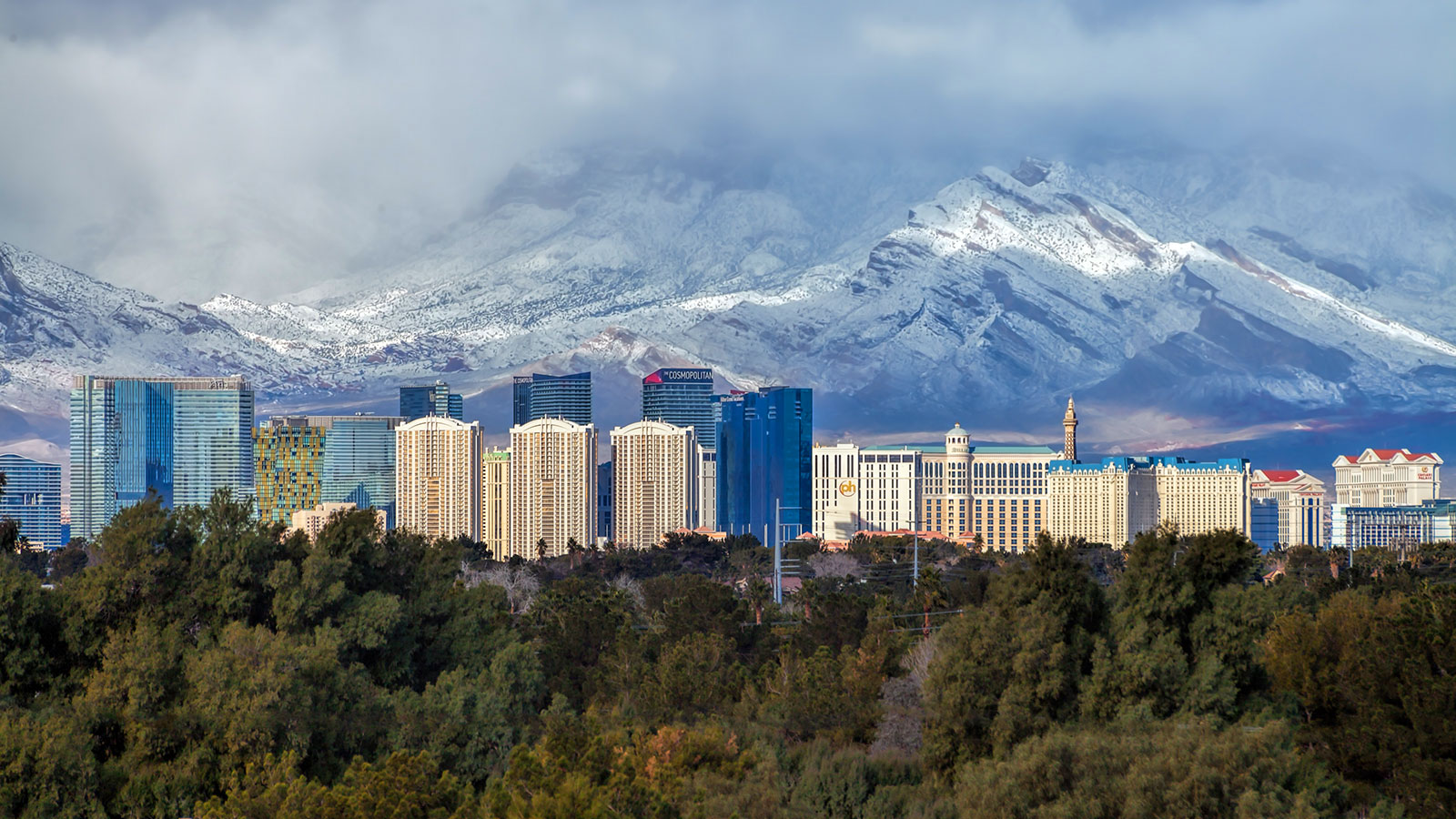
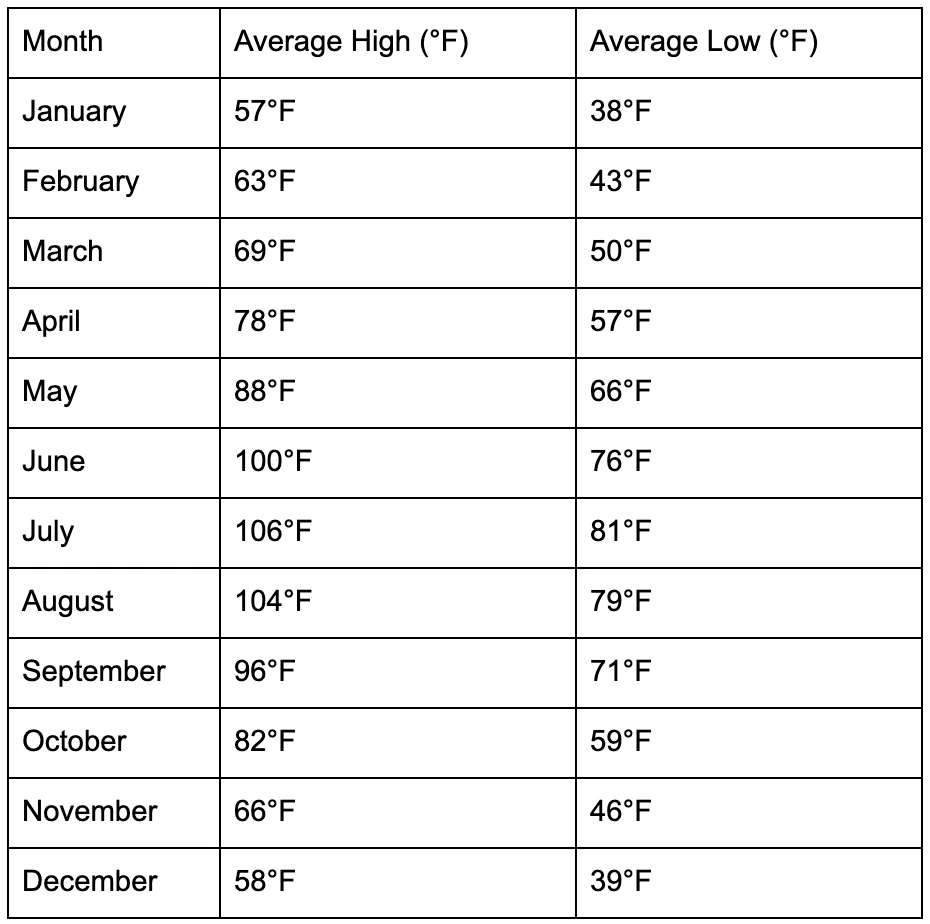
The winter season in Las Vegas, which generally spans from December through February, brings the coldest temperatures of the year. During the daylight hours, the city enjoys brilliant sunshine, which can make the air feel deceptively mild. It is not uncommon for daytime highs to reach the mid-50s or even the low 60s Fahrenheit. These afternoons are often crisp, clear, and perfectly suited for walking the Las Vegas Strip without the oppressive heat that dominates the summer months.
The Nighttime Deep Freeze
The real change occurs once the sun dips behind the Spring Mountains. Because the desert lacks humidity, there is little to trap the day’s heat, causing temperatures to plummet rapidly after dark. It is standard for nighttime temperatures in January—the coldest month of the year—to dip near or slightly below the freezing mark, typically hovering around 33°F to 38°F.
On exceptionally cold nights, the mercury can drop into the high 20s. For visitors staying at luxury resorts like the Bellagio or Caesars Palace, this means that the walk between venues can feel biting if you aren’t prepared with a proper coat, scarf, and gloves.
Does it Ever Snow?
While significant snowfall on the main thoroughfares is rare, it is not impossible. Flurries are occasionally reported in the valley, though they rarely stick for long in the urban center due to the heat-island effect caused by the dense concrete of the MGM Grand and surrounding mega-resorts. However, the surrounding peaks, particularly Mount Charleston, receive significant snowfall. This creates a fascinating phenomenon where visitors can spend the morning skiing or snowboarding in deep powder at Lee Canyon and be back on the pool deck of the Wynn Las Vegas by sunset.
Planning Your Wardrobe for a Desert Winter
Packing for a trip to Nevada during the winter months requires a strategic “layering” approach. Because indoor spaces—from the casinos at The Venetian to the theaters at Planet Hollywood—are climate-controlled to remain comfortable year-round, you will frequently move between temperature extremes.
The Art of Layering
The ideal travel wardrobe for a winter stay in Las Vegas involves a lightweight base layer, a comfortable sweater or fleece, and a medium-weight jacket. Avoid bulky parkas if you intend to spend most of your time inside the resorts, as you will find yourself carrying them around while navigating crowded gaming floors or shopping at The Forum Shops.
Additionally, consider the footwear requirements. While the weather is dry, the transition from warm indoor luxury hotels to cold outdoor streets makes closed-toe shoes essential. If you plan to venture beyond the city limits to explore Red Rock Canyon or the Valley of Fire State Park, bring sturdy, wind-resistant outer layers. The desert wind can make 45-degree temperatures feel significantly colder, especially in the canyons where shadows linger longer.
Outdoor Activities and Seasonal Perks
The cold does not shut down the city; in fact, many seasoned travelers argue that winter is the best time to visit Las Vegas. The moderate temperatures make outdoor activities far more enjoyable than the sweltering heat of August.
Sightseeing Without the Sweat
Walking the Fremont Street Experience in Downtown Las Vegas is a much more pleasant experience when you aren’t battling heat exhaustion. The lack of intense heat means you can spend hours visiting landmarks like the Neon Museum or strolling through the Botanical Gardens at the Bellagio without needing to duck into an air-conditioned room every twenty minutes.
Off-Strip Adventures
Winter is the prime time for hiking. The trails at Lake Mead and the Hoover Dam are bustling with activity during the cooler months. You will find that the desert flora, though different from summer, provides a rugged, stark beauty. The contrast of the clear, blue winter skies against the rust-colored sandstone of the desert creates some of the most stunning photographic opportunities of the year.

Tips for Managing the Temperature Drop
If you are visiting during the winter, there are a few local tips to keep in mind to ensure your trip remains comfortable regardless of the forecast.
- Check the Humidity and Wind: Even if the temperature reading says 45°F, a high wind speed can lead to wind chill factors that drop the “feels-like” temperature significantly. Always check a weather app for wind warnings before heading to high-elevation areas like Mount Charleston.
- Utilize Indoor Walkways: Many of the major properties are connected by skywalks or underground passages. Familiarize yourself with the layout of resorts like Aria Resort and Casino and Park MGM to minimize your time spent outside in the late-night cold.
- Stay Hydrated: Just because it is cold doesn’t mean the desert air has stopped being arid. The low humidity in Las Vegas during the winter can be very drying to the skin and throat. Drink plenty of water to combat the effects of the dry desert climate.
- Pool Season vs. Winter: Be aware that while some resorts keep a few pool areas open year-round, many of the famous, massive pool decks scale back their services or close entirely. If lounging poolside is a priority, verify the pool status at your specific resort, such as The Cosmopolitan of Las Vegas, before you book.
Ultimately, the cold in Las Vegas is a refreshing departure from the intense heat that defines its identity. By understanding that winter here is essentially a mild, dry season with chilly nights, you can pack appropriately and take full advantage of the unique seasonal experiences that Nevada has to offer. Whether you are looking for a brisk hike in the desert or a night spent enjoying the world-class entertainment along the Las Vegas Strip, the city remains an inviting destination all year round, provided you bring a jacket for the evening stroll.
LifeOutOfTheBox is a participant in the Amazon Services LLC Associates Program, an affiliate advertising program designed to provide a means for sites to earn advertising fees by advertising and linking to Amazon.com. Amazon, the Amazon logo, AmazonSupply, and the AmazonSupply logo are trademarks of Amazon.com, Inc. or its affiliates. As an Amazon Associate we earn affiliate commissions from qualifying purchases.