
The cinematic heritage of Los Angeles County is woven into the very fabric of American culture. While the city is synonymous with glitzy premieres at the TCL Chinese Theatre and the sprawling studio lots of Burbank, there is a persistent romanticism surrounding the mid-century tradition of the drive-in theater. For many, the image of a warm Southern California night spent under the stars with the radio tuned to a flickering silver screen remains the quintessential movie-going experience.
However, as property values have skyrocketed and the urban density of Los Angeles has increased, the vast parking lots required to sustain traditional drive-in theaters have largely vanished. While the glory days of the 1950s—when dozens of drive-ins dotted the San Fernando Valley and Orange County—are behind us, the desire for this retro experience has persisted, leading to a modern resurgence of pop-up venues and creative outdoor cinema concepts.
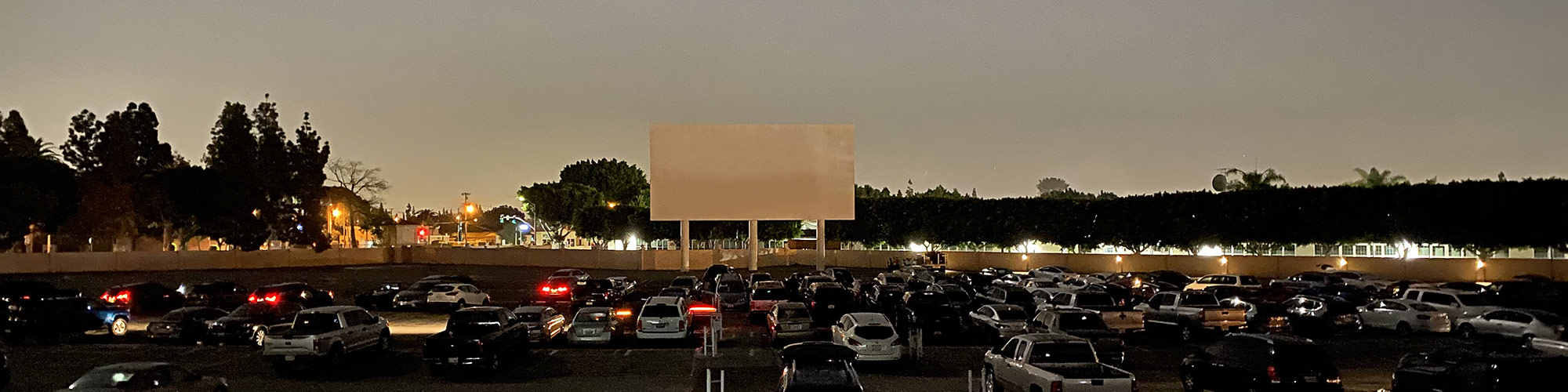
The Evolution of Open-Air Cinema in the City of Angels
The history of the drive-in in California is a story of space and transformation. In the post-war era, the drive-in was more than just a venue for films; it was a social hub, a private bubble for families, and a staple of the suburban landscape. As Hollywood changed, so did the way audiences consumed media. Today, the search for a permanent, dedicated drive-in theater within the county limits often leads visitors to discover that the “permanent” structure is a relic of the past, replaced by specialized outdoor screening events.
Why Permanent Drive-Ins Disappeared
The primary driver for the closure of historic sites like the Pacific Drive-In was land economics. In a metropolitan area as densely populated as Los Angeles County, maintaining a twenty-acre plot for a business that only functions at night became financially unsustainable. Most of these sites were sold to developers, becoming shopping centers, housing complexes, or office parks. Despite this, the cultural imprint left by these landmarks ensures that the demand for drive-in style entertainment remains higher than ever.
Modern Alternatives and Pop-Up Experiences
While you might struggle to find a traditional, year-round drive-in facility that operates on a nightly basis, the void has been filled by a new generation of event producers. These organizers utilize repurposed lots, stadium parking, and unconventional spaces to bring the drive-in magic back to life.
Electric Dusk Drive-In
The Electric Dusk Drive-In stands as a prominent example of how the spirit of the 1950s lives on. By hosting screenings in various locations, including Glendale, they provide a curated experience that leans heavily into the nostalgia of the past. Attendees can expect a mix of cult classics, family-friendly hits, and blockbuster favorites. Unlike the drive-ins of old, these modern iterations often feature high-definition LED screens and digital sound transmission, ensuring the picture quality meets the standards of contemporary viewers.

Rooftop and Immersive Cinema
Beyond the traditional drive-in, the culture of outdoor cinema in Los Angeles has diversified into rooftop and immersive events. Venues like those found in Downtown Los Angeles often transform private parking decks into makeshift drive-ins or walk-in outdoor theaters. These locations offer a unique vantage point, providing a panoramic view of the skyline alongside the film. This hybrid approach to outdoor cinema allows the city to preserve its love for film while adapting to its modern architectural constraints.
Planning Your Night Under the Stars
If you are planning an evening at an outdoor screening event, it is crucial to understand that the “drive-in” experience in Los Angeles County requires more logistical planning than a traditional indoor theater trip. Because many of these venues operate as pop-ups or limited-run event series, schedules change frequently.
Logistics and Practical Tips
- Check the Schedule: Because these venues are not permanent, always consult the official websites of event organizers before driving out. Sites often update their calendars on a weekly or monthly basis.
- Audio Reception: Most modern drive-ins use FM radio transmitters. Ensure your vehicle has a functional radio or bring a portable battery-operated FM radio to enjoy the sound. Relying on your car’s battery for several hours while the engine is off can sometimes lead to a dead battery, so plan accordingly.
- Arrival Times: Prime spots are usually first-come, first-served. Arriving early not only ensures you get a good view of the screen but also allows you to enjoy the atmosphere and secure a spot before the lot fills up.
- Food and Beverage: Unlike old-school concession stands, modern pop-up drive-ins may feature local food trucks from Culver City or other nearby districts. Check the event details to see if food vendors will be on-site or if you are encouraged to bring your own snacks.
The Role of Seasonality
In Southern California, the weather is almost always conducive to outdoor activities, but the best time for drive-in events is during the warmer months. Late spring through early autumn provides the most comfortable conditions for sitting in your vehicle with the windows down. During the winter, while rare, the occasional chilly night might necessitate bringing extra blankets and heavy jackets to keep the experience comfortable.
The Future of Outdoor Cinema in Los Angeles
The decline of the fixed-location drive-in theater did not signal the death of the format; rather, it signaled a shift toward mobility and accessibility. As Los Angeles continues to grow, the ability of these events to move between neighborhoods—from the coast in Santa Monica to the hills of Hollywood—is a testament to the resilience of the outdoor movie experience.

Preserving a Legacy
Groups dedicated to the history of cinema in California often advocate for the preservation of these cultural touchpoints. Even if a permanent drive-in lot does not exist in the way it did fifty years ago, the collective memory of these spaces continues to inspire filmmakers and event planners. By choosing to support pop-up drive-in theaters, residents and visitors alike are participating in the ongoing narrative of Los Angeles County as the center of the cinematic universe.
Ultimately, whether you are looking for a classic date night or a family outing, the spirit of the drive-in remains a vital part of the Los Angeles lifestyle. While you may have to travel a bit further or keep a closer eye on event calendars than a typical visitor would, the experience of watching a film under the vast, clear night sky of Southern California is an experience that remains unrivaled in its charm and historical significance. The drive-in may have changed its form, but its heart remains beating in the land where movies were born.
LifeOutOfTheBox is a participant in the Amazon Services LLC Associates Program, an affiliate advertising program designed to provide a means for sites to earn advertising fees by advertising and linking to Amazon.com. Amazon, the Amazon logo, AmazonSupply, and the AmazonSupply logo are trademarks of Amazon.com, Inc. or its affiliates. As an Amazon Associate we earn affiliate commissions from qualifying purchases.