
The mention of Alaska often conjures images of endless snow, towering glaciers, and temperatures that plummet far below freezing. While this picture certainly holds true for vast swaths of the Last Frontier, the reality of Alaska’s climate is far more nuanced and diverse than many imagine. This massive state, larger than Texas, California, and Montana combined, experiences a spectrum of weather patterns that vary dramatically from its temperate rainforests in the south to its frozen Arctic plains in the north. Understanding how cold Alaska truly is requires a journey through its distinct climatic regions and a seasonal breakdown of what travelers can expect. Far from being uniformly frigid, Alaska offers a captivating array of experiences that range from surprisingly mild summers to intensely cold, yet breathtakingly beautiful, winters. For those planning a visit, knowing the climatic variations is key to optimal packing and enjoying all the attractions this incredible destination has to offer.
Understanding Alaska’s Diverse Climate Zones
Alaska’s immense size and varied geography mean that its climate is far from monolithic. The state can generally be divided into several distinct climatic zones, each with its own unique temperature ranges, precipitation levels, and seasonal characteristics. These differences are crucial for any traveler seeking to understand “how cold” Alaska truly is, as a winter day in Fairbanks will feel vastly different from one in Juneau.
Coastal Regions: Mild and Wet
The coastal areas, particularly Southeast Alaska (the panhandle) and much of Southcentral Alaska, are significantly influenced by the Pacific Ocean. This maritime climate is characterized by relatively mild temperatures, especially compared to the interior, and high levels of precipitation. Cities like Juneau, the state capital, and Ketchikan in the panhandle, or Anchorage and Seward in Southcentral, rarely experience the extreme cold often associated with Alaska. Winter temperatures typically hover in the 20s and 30s Fahrenheit (-7 to 4 degrees Celsius), with heavy snowfall common, particularly at higher elevations. Summers are cool and often overcast, with temperatures ranging from the 50s to low 70s Fahrenheit (10-22 degrees Celsius). The moderating effect of the ocean means less drastic temperature swings, but visitors should always be prepared for rain and damp conditions, which can make even mild temperatures feel cooler. This region is a popular choice for cruise travel and offers lush landscapes and abundant wildlife.
Interior Alaska: Land of Extremes
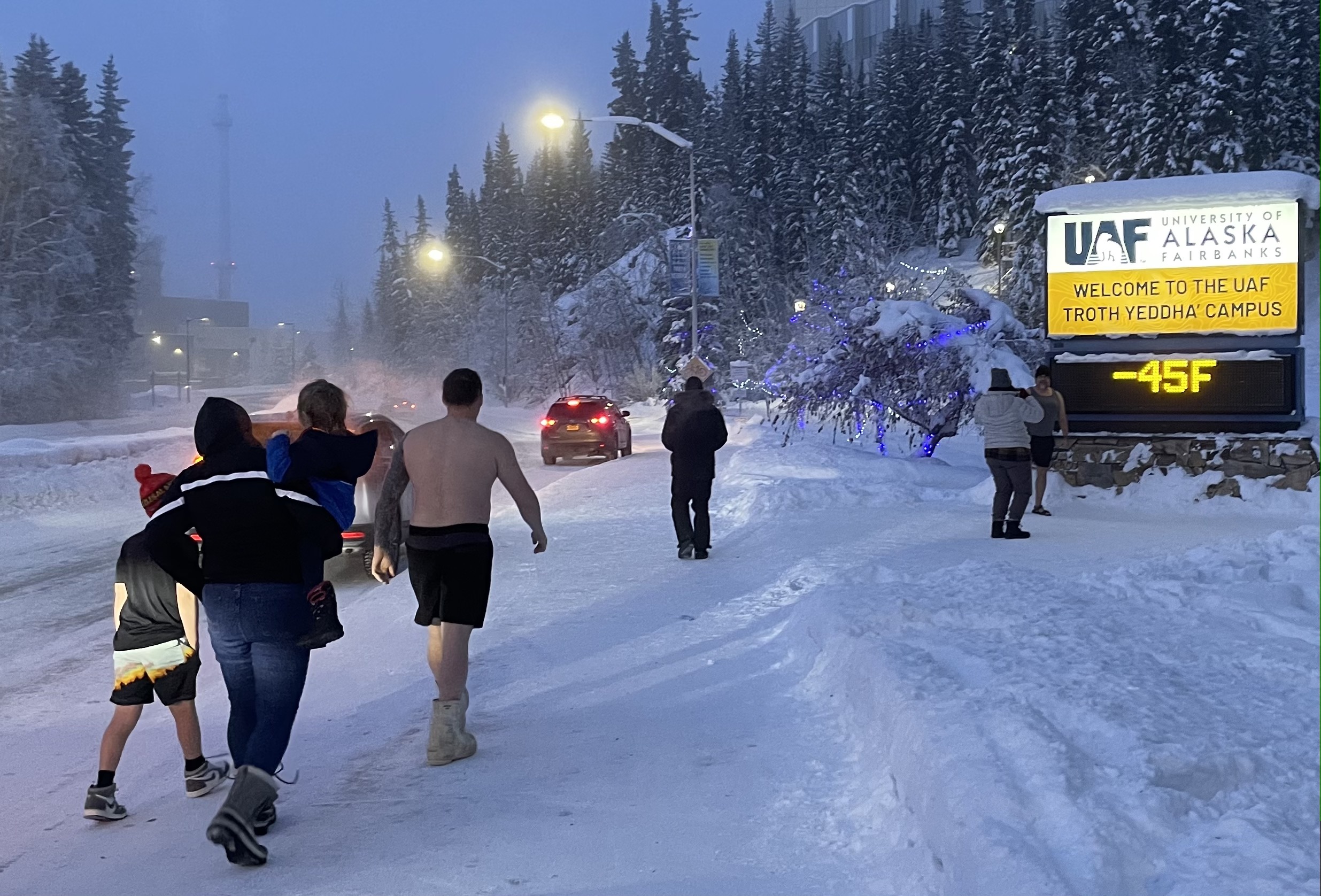
Venturing inland, away from the ocean’s influence, one encounters Interior Alaska, home to a truly continental climate. This zone, which includes cities like Fairbanks, experiences some of the most dramatic temperature variations on Earth. Winters are notoriously long and bitterly cold, with temperatures frequently plunging to -20°F (-29°C) and often much lower, sometimes reaching -50°F (-45°C) or even colder during cold snaps. Ice fog is a common phenomenon, adding to the otherworldly winter scenery. However, the interior also boasts surprisingly warm summers. During July and August, temperatures can soar into the 70s and 80s Fahrenheit (21-29 degrees Celsius), with occasional spikes into the 90s (32+ degrees Celsius). The combination of long summer daylight hours and low humidity makes for pleasant conditions, albeit with persistent mosquito populations. This region is a prime destination for viewing the Aurora Borealis in winter and exploring Denali National Park and Preserve in summer.
Arctic and Western Alaska: The Deep Freeze
The most frigid parts of the state are found in Arctic Alaska and along the Western Alaska coastline. Here, a polar climate dominates, characterized by permafrost, long periods of darkness in winter, and truly extreme cold. Utqiaġvik (formerly Barrow), the northernmost city in the United States, exemplifies this climate. Winters are brutally cold, with average temperatures well below 0°F (-18°C) for months, often dipping to -40°F (-40°C) or colder, compounded by fierce winds that create dangerous wind chills. Even summers are remarkably cool, typically staying in the 30s and 40s Fahrenheit (0-10 degrees Celsius), with brief periods of thaw. Nome, on the Bering Sea coast, shares similar characteristics but with slightly less extreme winter lows due to its maritime influence. Visiting these regions is an adventure in itself, often requiring specialized gear and a high tolerance for cold, but offering unparalleled experiences with Arctic wildlife and indigenous culture.
Seasonal Temperature Breakdown: What to Expect When You Visit
Understanding Alaska’s climate zones is the first step, but knowing what to expect during specific seasons is vital for planning your trip. Each season in Alaska presents a dramatically different environment, offering unique challenges and rewards.
Winter Wonderland (November – March)
This is when Alaska truly lives up to its cold reputation. Across the state, temperatures drop significantly, and snowfall becomes abundant. In Interior Alaska, winter averages for Fairbanks can range from -10°F to 10°F (-23°C to -12°C), though extended periods below -20°F (-29°C) are common. The coldest recorded temperature in Alaska was -80°F (-62°C) in Prospect Creek, near the Dalton Highway. Even in relatively milder Anchorage, average winter temperatures are in the teens and low 20s Fahrenheit (-9°C to -4°C), with significant snow accumulation. The far north, like Utqiaġvik, experiences months of darkness and average temperatures well below 0°F (-18°C). Despite the deep cold, winter is a magical time for chasing the Aurora Borealis, participating in winter sports like dog sledding or skiing at Alyeska Resort, and experiencing famous events like the Iditarod Trail Sled Dog Race and Fur Rondy. Proper layering and cold-weather gear are absolutely essential for enjoying this time of year.

Spring Thaw & Awakening (April – May)
Spring is a season of transition in Alaska, where winter’s grip begins to loosen, but conditions remain variable. Snowmelt begins, leading to muddy trails and swollen rivers, particularly in the interior. Temperatures slowly rise, reaching the 30s and 40s Fahrenheit (0-10°C) in most regions, with occasional warmer days. The days rapidly lengthen, bringing more daylight and signaling the return of wildlife. This can be a challenging time for travel as some services and accommodations might still be closed for the season, and transportation can be affected by the melting conditions. However, it’s also a time of rejuvenation, with budding foliage and active wildlife, making it appealing for those seeking fewer crowds and unique photographic opportunities.
Summer’s Embrace (June – August)
Summer is peak tourist season in Alaska, and for good reason. Temperatures are at their warmest, daylight hours are incredibly long (with “midnight sun” phenomena in the north), and most attractions and activities are in full swing. Coastal areas like Anchorage and Juneau see average temperatures in the 50s and 60s Fahrenheit (10-21°C), making it pleasant for cruises, fishing, and hiking. The Interior Alaska experiences the warmest temperatures, with Fairbanks often reaching the 70s Fahrenheit (21-26°C), sometimes higher. While generally mild, cool evenings and occasional rain showers are always possible, so layers are still advisable. Mosquitoes can be a significant nuisance, particularly near water and in forested areas, necessitating insect repellent. This is the ideal time for exploring national parks, wildlife viewing, and experiencing Alaska’s vibrant summer lifestyle.
Autumn’s Golden Glow (September – October)
As summer wanes, Alaska transforms into a canvas of golden and fiery hues. Autumn brings crisp air, fewer crowds, and a renewed chance to see the Aurora Borealis as nights grow longer. Temperatures begin to drop steadily, averaging in the 30s and 40s Fahrenheit (0-10°C) across most regions. Snow can start falling in higher elevations and the interior by late September. While some tourist services begin to wind down, early autumn offers a beautiful window for photography, wildlife viewing (bears are active preparing for hibernation), and experiencing a quieter side of Alaska. It’s a fantastic time for budget travel as some prices for hotels and tours may decrease. However, be prepared for rapidly changing weather conditions and pack accordingly.
Preparing for the Alaskan Chill: Practical Tips for Travelers
No matter the season, proper preparation is paramount for a comfortable and safe trip to Alaska. The variable and often extreme conditions demand thoughtful planning, especially concerning clothing and accommodation choices.
Essential Packing List: Mastering the Art of Layering
The key to staying warm and comfortable in Alaska is mastering the art of layering. This allows you to adapt to rapidly changing temperatures and activity levels.
- Base Layer: Moisture-wicking material (merino wool or synthetics) worn next to the skin to keep you dry. Avoid cotton, as it loses its insulating properties when wet.
- Mid-Layer: Insulating layer (fleece, down vest, or wool sweater) to provide warmth.
- Outer Layer: Waterproof and windproof shell jacket and pants to protect against rain, snow, and wind. For winter, a heavily insulated, waterproof parka is crucial.
- Headwear: A warm hat that covers your ears is vital, as significant heat is lost through the head.
- Gloves/Mittens: Waterproof, insulated gloves or mittens are essential for keeping hands warm, especially in colder months.
- Footwear: Waterproof, insulated boots with good traction are a must, particularly for winter and shoulder seasons. For summer, sturdy hiking boots are recommended.
- Socks: Wool or synthetic socks are best for warmth and moisture management.
- Accessories: Sunglasses (snow glare can be intense), sunscreen, insect repellent (especially in summer), and a good camera to capture the stunning landscapes.

Staying Warm & Safe: Beyond Clothing
Beyond your wardrobe, several other considerations are important for staying safe in Alaska’s cold climate. Always inform someone of your itinerary if you’re venturing into remote areas. Carry emergency supplies, especially if driving long distances in winter, including extra food, water, blankets, and a shovel. Be aware of the signs of hypothermia and frostbite, and seek shelter immediately if you or your companions experience symptoms. When embarking on winter activities like snowmobiling or ice fishing, ensure you have appropriate safety gear and local guides if unfamiliar with the terrain. Respect wildlife by maintaining a safe distance and never feeding animals. Travel insurance is also highly recommended, given the potential for unexpected weather delays or medical emergencies in remote areas.
Accommodation Choices in the Cold: Cozy Retreats
Alaska’s accommodation options range from rustic cabins to luxury resorts, all designed to provide warmth and comfort regardless of the outside temperature. In cities like Anchorage or Fairbanks, you’ll find a variety of hotels, from international chains to charming boutique options, often equipped with excellent amenities like indoor pools, saunas, and robust heating systems. For a more immersive experience, consider staying in cozy cabins or wilderness lodges which often feature fireplaces, hearty meals, and access to outdoor winter activities. Many resorts cater specifically to winter tourism, offering ski-in/ski-out access or Aurora Borealis viewing packages. When booking your stay, check reviews for heating efficacy and insulation, especially if traveling during the colder months. Some accommodations even offer heated gear rentals, which can be a convenient option.
Experiencing Alaska’s Cold: Unique Attractions & Activities
Instead of deterring visitors, Alaska’s cold climate is often the very reason people come, offering a canvas for unique adventures and unforgettable natural phenomena.
Winter Sports & Adventures
When the snow falls, Alaska transforms into a playground for winter sports enthusiasts. Downhill skiing and snowboarding are popular at resorts like Alyeska Resort near Girdwood, which boasts impressive vertical drops and stunning scenery. Cross-country skiing and snowshoeing trails are abundant throughout the state, from urban parks to vast wilderness areas. Dog sledding, Alaska’s state sport, offers an iconic experience, with opportunities for short tours or multi-day expeditions. Ice fishing, snowmobiling (known as “snowmachining” locally), and even ice climbing are popular activities that allow visitors to embrace the cold. The thrill of exploring Alaska’s frozen landscapes on a clear, crisp winter day is unparalleled.
Chasing the Aurora Borealis
One of the most compelling reasons to visit Alaska during its colder, darker months is the chance to witness the spectacular Aurora Borealis, or Northern Lights. The long, dark nights of winter, combined with Alaska’s high latitude and minimal light pollution in many areas, create ideal viewing conditions. Fairbanks is particularly renowned as one of the best places on Earth to see the aurora, thanks to its location beneath the “aurora oval.” Many tours and lodges specialize in aurora viewing, often providing heated spaces and photography tips. While autumn and spring can also offer aurora sightings, the deeper cold and longer nights of mid-winter often provide the most vibrant displays.
Cold Weather Festivals & Events
Alaskans don’t just endure the cold; they celebrate it! Winter in Alaska is punctuated by unique festivals and events that showcase the state’s resilient local culture and love for the outdoors. The Fur Rondy in Anchorage is one of the oldest and largest winter festivals in the United States, featuring dog sled racing, snow sculpture competitions, and even an outhouse race. The Iron Dog Race, the world’s longest toughest snowmobile race, challenges participants across hundreds of miles of frozen terrain. These events offer a fascinating glimpse into the Alaskan lifestyle and are a testament to the community spirit that thrives despite the chill.
In conclusion, “How cold is Alaska?” is a question with a complex answer. It is a land of profound contrasts, where extreme cold in one region coexists with surprisingly mild conditions in another. The key for any traveler is to understand these regional and seasonal variations and to prepare accordingly. With the right gear and an adventurous spirit, Alaska’s cold climate transforms from a daunting challenge into an integral part of its unique allure, promising unforgettable experiences that can be found nowhere else on Earth. Whether chasing the Northern Lights or exploring vast, snow-covered landscapes, Alaska invites you to embrace its chill and discover its magnificent beauty year-round.