
Alaska in winter is a landscape transformed, a realm of breathtaking beauty and formidable extremes. For the intrepid traveler, understanding the nuances of its frigid embrace is paramount to crafting an unforgettable experience. This is not merely about temperature readings; it’s about embracing a unique environment that shapes everything from daily life to the very essence of its allure. Alaska in winter is a destination that demands respect, preparation, and a spirit of adventure.
The Chill Factor: Understanding Alaska’s Winter Temperatures
Alaska is a vast state, and its winter temperatures are as diverse as its geography. While the image of perpetual deep freeze is prevalent, the reality is more nuanced, with significant regional variations influenced by proximity to the coast, elevation, and inland continental effects.
Coastal Alaska: The Maritime Influence
Along the southern coast, including cities like Juneau and Ketchikan, the influence of the Pacific Ocean moderates the temperatures. Winters here are generally milder, characterized by more frequent snowfall and rain, and fewer extreme cold snaps. Average January temperatures in Juneau, for instance, hover around 20-30°F (-7 to -1°C). While this might still sound cold, it’s a stark contrast to the interior. Snowfall is abundant, creating a picturesque winter wonderland, but the temperatures rarely plummet to the extreme lows experienced elsewhere in the state. This region offers a more accessible winter experience for those seeking snow without the bone-chilling temperatures of the interior.
Interior Alaska: The Continental Freeze
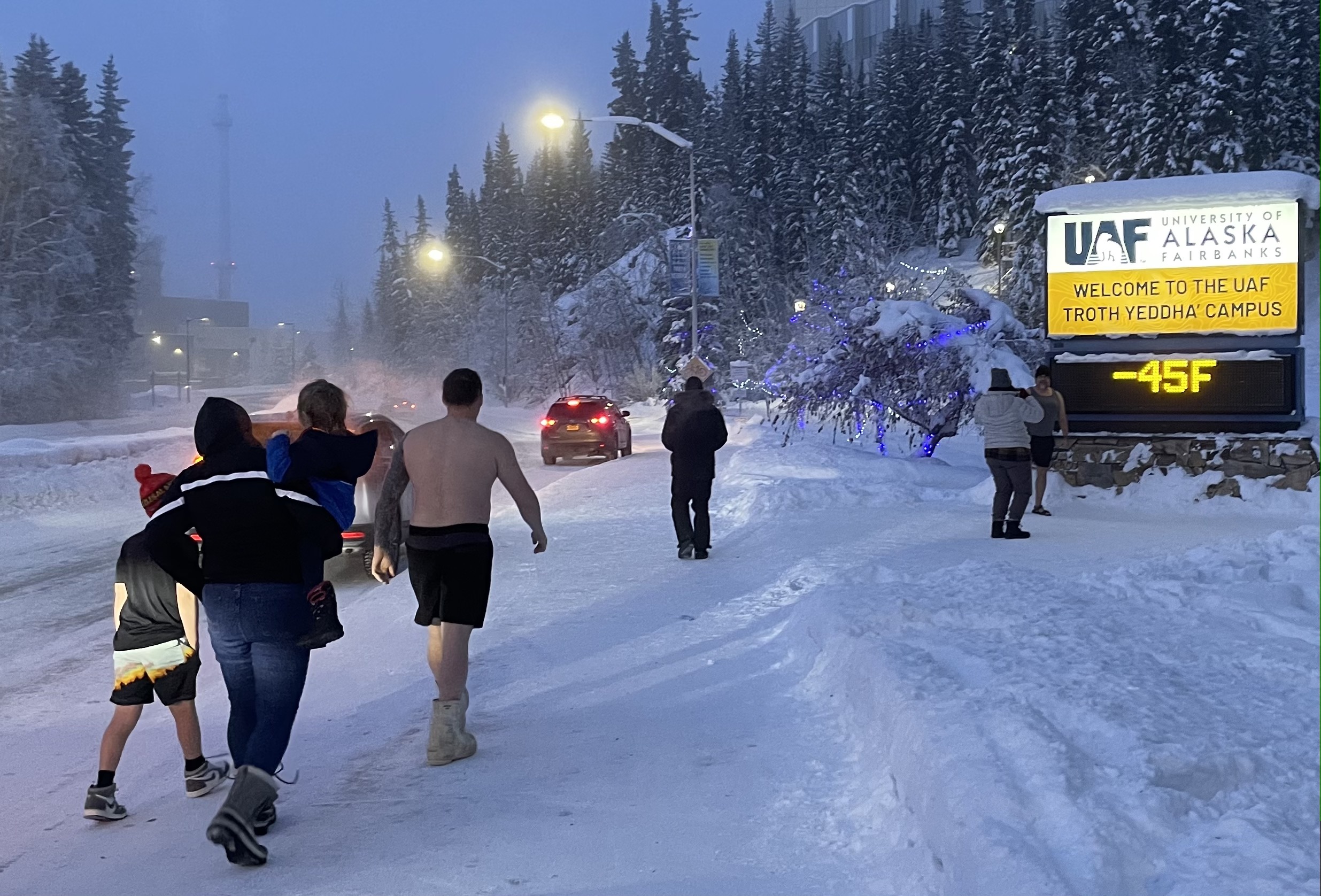
The interior of Alaska, home to cities like Fairbanks, is where the true definition of a harsh winter takes hold. Removed from the moderating influence of the ocean, this region experiences a continental climate with significant temperature fluctuations. Average January temperatures in Fairbanks can range from -10°F to -20°F (-23°C to -29°C), with daily highs often remaining below zero.
However, these averages only tell part of the story. It is not uncommon for temperatures to dip to -40°F (-40°C) and even -50°F (-46°C) or lower during cold snaps. These extreme temperatures are often accompanied by clear, crisp air, which can make the cold feel even more intense due to the lack of humidity. The phenomenon of “ice fog,” a dense fog composed of ice crystals, is common in these frigid conditions, particularly around populated areas where moisture is released into the cold air. The interior is where you can experience the true, unadulterated Alaskan winter.
Arctic Alaska: The Extreme North
In the northernmost reaches of Alaska, including towns like Utqiagvik (formerly Barrow), winter is an extended period of darkness and extreme cold. Temperatures here are consistently frigid, with average January lows often falling below -20°F (-29°C) and frequently reaching -30°F to -40°F (-34°C to -40°C).
The “polar night,” where the sun does not rise above the horizon for weeks, defines the winter experience in the Arctic. This extended darkness, coupled with the harsh temperatures, creates a unique and challenging environment. Survival and daily life are deeply intertwined with the climate, and activities are planned around the extreme conditions. For travelers, this region offers a profound glimpse into life at the edge of the world, a testament to human resilience in the face of nature’s most severe tests.
Beyond the Thermometer: Factors Influencing Alaska’s Winter Feel
While raw temperature figures are important, several other factors contribute to how cold Alaska feels in winter. Understanding these elements is crucial for proper preparation and for appreciating the full Alaskan winter experience.
Wind Chill: The Invisible Adversary
The wind chill factor is a significant consideration in Alaska. Even if the thermometer reads a relatively manageable temperature, a strong wind can make it feel much colder. This is because wind strips away the insulating layer of warm air next to your skin, accelerating heat loss. In coastal areas, winds can be more prevalent, amplifying the perceived cold. Conversely, in the interior, while temperatures may be lower, calmer winds on certain days can sometimes make the air feel less biting, despite the numbers. Always pay attention to wind chill advisories when planning outdoor activities.
Humidity: The Moisture Effect
The level of humidity plays a role in how cold the air feels. In the interior of Alaska, the air is typically very dry, which can make extreme cold feel less penetrating than one might expect. Conversely, in coastal regions where humidity is higher, the cold can feel more damp and “sticky.” This is similar to how a dry cold in the desert feels different from a damp cold in a temperate climate.
Daylight Hours: The Psychological Impact
The stark difference in daylight hours between the summer and winter months in Alaska profoundly impacts the human experience and can influence the perception of cold. In winter, particularly in the interior and Arctic regions, daylight is scarce. Fairbanks, for example, experiences only about 3-4 hours of “daylight” around the winter solstice, much of which is twilight. This reduced sunlight can affect mood and energy levels, making the already cold temperatures feel more oppressive. Conversely, the crispness of the short winter days, illuminated by the low-hanging sun, can create breathtaking photographic opportunities and a sense of serene beauty.
Snow Cover: The Reflective Element
The presence and depth of snow cover also influence the perceived temperature and overall winter experience. A thick blanket of snow reflects sunlight, which can make even frigid days feel brighter. It also provides a natural insulation layer for the ground and wildlife. For travelers, the snow is often the very reason to visit, enabling activities like dog sledding, skiing, and snowshoeing. The quality of the snow—whether it’s powdery, icy, or wet—will also affect outdoor activities and travel conditions.
Preparing for the Alaskan Winter: Essential Travel Tips
To truly enjoy the magic of an Alaskan winter, thorough preparation is key. This means layering effectively, understanding the implications of the cold on activities, and embracing the unique pace of life in this frozen frontier.
Layering is Paramount: Dressing for the Cold
The golden rule of Alaskan winter dressing is layering. This approach allows you to adjust your insulation as your activity level changes or as you move between indoor and outdoor environments.
- Base Layer: This is your first line of defense against the cold, worn directly against the skin. Materials like merino wool or synthetic fabrics are ideal as they wick moisture away from your body, keeping you dry and warm. Avoid cotton, as it holds moisture and can lead to chilling.
- Mid Layer: This layer provides insulation. Fleece, down, or wool sweaters and jackets are excellent choices. You might opt for one or two mid-layers depending on the temperature and your activity level.
- Outer Layer: This is your protective shell against wind and moisture. A waterproof and windproof jacket and pants are essential. Look for features like good insulation, adjustable hoods, and gaiters to keep snow out.
Don’t forget extremities: insulated, waterproof gloves or mittens, warm hats that cover your ears, and thick wool socks are non-negotiable. Insulated, waterproof boots with good traction are also crucial for navigating icy or snowy terrain.
Choosing the Right Activities: Embracing the Season
Alaska offers a wealth of winter activities, each requiring consideration for the cold.
- Northern Lights Viewing: Witnessing the Aurora Borealis is a bucket-list experience for many. This requires being outdoors, often for extended periods, in cold, clear nights. Proper thermal gear is essential for comfortable viewing, especially in areas like Fairbanks.
- Dog Sledding & Mushing: This iconic Alaskan adventure offers a thrilling way to experience the landscape. While the dogs are built for the cold, participants need to be well-dressed to withstand the wind and temperature during the ride. Many tour operators provide specialized parkas.
- Skiing and Snowshoeing: Whether on groomed trails or backcountry, these activities provide excellent exercise and immersion in the winter scenery. The intensity of the activity will dictate the layering needed.
- Ice Fishing: A more relaxed but equally rewarding pastime, ice fishing requires patience and warm clothing as you’ll be stationary for long periods.
- Scenic Drives and Sightseeing: Even if not participating in strenuous activities, exploring by car requires awareness of road conditions and the need for warm clothing for brief excursions. Popular routes like the drive between Anchorage and Fairbanks offer stunning winter vistas.
Accommodation and Indoor Comfort
While the allure is the outdoor environment, comfortable and warm accommodation is essential for a positive Alaskan winter trip. Most hotels and lodges in major tourist hubs like Anchorage, Fairbanks, and Juneau are well-equipped to handle the cold, offering reliable heating and warm amenities. Consider accommodations that offer fireplaces or cozy common areas for unwinding after a day in the elements.

Embracing the Pace of Winter
Alaska’s winter is a time of introspection and slower living for many of its residents. Embrace this slower pace. Shorter daylight hours mean fewer organized tours and a greater emphasis on local experiences. Engage with the local culture, enjoy hearty Alaskan cuisine in warm restaurants, and appreciate the quiet beauty of the snow-laden landscapes. The cold is not an obstacle but an integral part of the Alaskan identity and a gateway to some of the most profound natural spectacles on Earth.
Alaska in winter is a testament to the raw power and breathtaking beauty of nature. Understanding its cold is the first step to unlocking an extraordinary travel experience. From the crisp air of the interior to the snow-dusted peaks of the coastal mountains, the Alaskan winter offers a unique and unforgettable adventure for those willing to embrace its icy charm.
LifeOutOfTheBox is a participant in the Amazon Services LLC Associates Program, an affiliate advertising program designed to provide a means for sites to earn advertising fees by advertising and linking to Amazon.com. Amazon, the Amazon logo, AmazonSupply, and the AmazonSupply logo are trademarks of Amazon.com, Inc. or its affiliates. As an Amazon Associate we earn affiliate commissions from qualifying purchases.