
California, a land synonymous with innovation, natural beauty, and cultural diversity, also carries a reputation for its exorbitant cost of living. For many, the dream of calling the Golden State home remains just that – a dream, often shattered by the daunting figures of housing, utilities, and everyday expenses. However, for those willing to look beyond the glitzy coastal metropolises, more affordable havens exist, offering a pathway to a California lifestyle without the staggering price tag. Navigating the state’s diverse economic landscape requires strategic insight, identifying cities where the balance between quality of life and financial viability is more attainable. This exploration delves into the realities of budget living in California, pinpointing cities that consistently rank lower in cost while still offering significant advantages for residents.
Understanding California’s Cost of Living Landscape
The notion of “cheapest” in California is relative, often meaning significantly less expensive than the San Francisco Bay Area or Los Angeles, rather than being inexpensive in an absolute sense compared to other U.S. states. The state’s average cost of living is consistently among the highest in the nation, driven primarily by housing prices.
The Golden State’s Price Tag Demystified
When evaluating the cost of living, several key categories come into play: housing, utilities, groceries, transportation, and healthcare. Housing typically accounts for the largest portion of a household budget, especially in California. Median home prices in areas like San Jose or San Francisco can easily exceed $1 million, with rental prices following suit. This makes finding truly affordable housing the paramount challenge for those on a budget. Utilities, while variable, are generally higher due to the state’s climate and energy demands. Transportation costs can escalate, particularly for those commuting long distances, exacerbated by California’s gas prices. Groceries and healthcare, while perhaps less volatile than housing, also tend to be above the national average.
Regional Disparities: Coast vs. Interior
The starkest divide in California’s cost of living lies between its coastal regions and its interior, particularly the Central Valley. Coastal cities, with their desirable climates, proximity to major tech and entertainment industries, and limited developable land, command premium prices. The Central Valley, on the other hand, offers more expansive land, a predominantly agricultural economy, and a significantly lower population density in many areas. This translates into more affordable housing, lower property taxes, and generally reduced costs across the board. The trade-off often involves hotter summers, longer distances to major attractions, and a different economic landscape, but for those prioritizing financial accessibility, the Central Valley becomes the primary focus.
Identifying Affordable Havens: Top Contenders
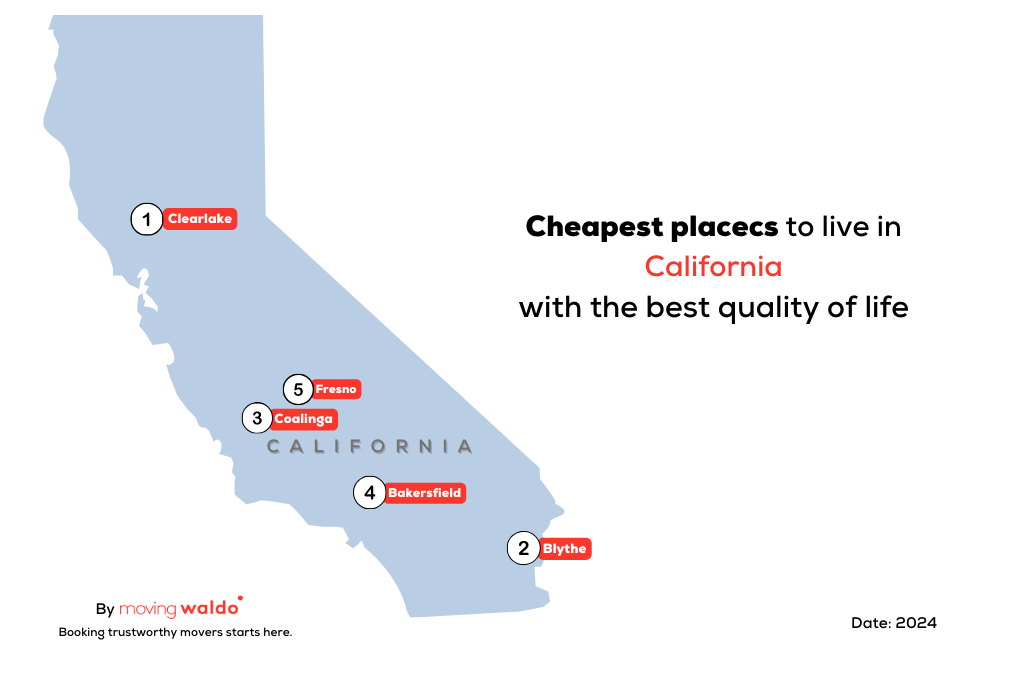
When sifting through California’s cities for the most budget-friendly options, the Central Valley repeatedly emerges as the region of choice. Cities here offer a blend of affordability, community amenities, and access to the wider state, often without the extreme costs of their coastal counterparts.
Bakersfield: Central Valley’s Economic Hub
Bakersfield consistently ranks as one of the most affordable large cities in California. Located in the southern San Joaquin Valley, it’s a major hub for agriculture and energy. The median home price in Bakersfield is significantly lower than the state average, often falling into the mid-$300,000s, with rental prices for a one-bedroom apartment typically ranging from $1,100 to $1,400 per month. This accessibility extends to other cost categories; groceries, utilities, and transportation are all notably more manageable than in coastal cities. While summers are hot, Bakersfield offers a growing job market, a diverse community, and proximity to national forests and outdoor recreation.
Fresno: Agriculture and Affordability
Further north in the Central Valley, Fresno presents another compelling case for affordability. As the largest city in the San Joaquin Valley, Fresno boasts a vibrant local economy driven by agriculture, healthcare, and education. Median home prices here are comparable to or slightly higher than Bakersfield, often in the high $300,000s, making homeownership a realistic goal for many. Rent for a one-bedroom averages around $1,200-$1,500. Fresno offers a range of urban amenities, including diverse dining options, cultural attractions, and parks, while also providing relatively easy access to national parks like Yosemite, Kings Canyon, and Sequoia. The cost of living index for Fresno is considerably below the California average, making it an attractive option for budget-conscious individuals and families.
Stockton: River City Resurgence
Stockton, situated on the San Joaquin River in the northern Central Valley, offers a unique blend of affordability and strategic location. While it has faced economic challenges in the past, Stockton has seen significant revitalization efforts. Its median home price often hovers in the low to mid-$400,000s, which, while higher than Bakersfield or Fresno, is still a fraction of prices in the nearby Bay Area (approximately 50 miles away). Rental costs for a one-bedroom typically fall between $1,200 and $1,600. Stockton’s appeal lies in its relative proximity to both the Bay Area job market and the state capital, Sacramento, offering a longer commute but significant savings on housing. The city also benefits from its deep-water port and a growing logistics industry, contributing to its economic base.
Modesto: Heart of the Central Valley
Modesto, another Central Valley gem, sits nestled between Stockton and Fresno. It is known for its agricultural roots and as the former home of George Lucas (inspiration for American Graffiti). Median home prices in Modesto are similar to Stockton, often in the low to mid-$400,000s, making it more attainable than coastal cities. Rent for a one-bedroom typically ranges from $1,200 to $1,500. Modesto offers a family-friendly environment with a strong sense of community, local amenities, and access to regional parks and rivers. Its central location also provides reasonable access to the Bay Area, Sacramento, and the Sierra Nevada mountains, balancing affordability with lifestyle opportunities.
Sacramento: Capital City’s Relative Value
While slightly pricier than the other Central Valley cities mentioned, Sacramento, the state capital, still offers considerably more affordable living than California’s major coastal hubs. With a median home price often in the high $400,000s to low $500,000s, and one-bedroom rents averaging $1,600-$1,900, Sacramento presents a unique value proposition. Residents benefit from a robust job market in government, healthcare, and education, alongside a rapidly growing food scene, vibrant arts and culture, and an abundance of parks and outdoor activities along the American River. For those seeking an urban environment with diverse opportunities and better relative affordability than Los Angeles or the Bay Area, Sacramento is a compelling choice, offering a true big-city feel without the biggest city price tags.
Factors Beyond the Price Tag: What to Consider
While identifying the cheapest cities is crucial, a balanced approach to budget living in California requires considering other lifestyle factors that impact overall quality of life and long-term financial stability.
Job Market and Economic Opportunity
A city’s affordability can be quickly negated if job opportunities are scarce or pay scales are significantly lower. When evaluating potential cities, it’s essential to research the local job market in your specific industry. Cities like Bakersfield and Fresno have strong agricultural and logistics sectors, while Sacramento thrives on government and healthcare. Some residents in Stockton and Modesto opt for longer commutes to higher-paying jobs in the Bay Area to offset local salary differences, a lifestyle choice that requires careful calculation of time and transportation costs.
Quality of Life and Amenities
The “cheapest” city isn’t always the best fit if it lacks the amenities, culture, or environment that contribute to your well-being. Consider factors like public safety, quality of schools (if applicable), access to healthcare facilities, recreational opportunities, and local dining/entertainment scenes. Many Central Valley cities are investing in revitalizing their downtowns, improving parks, and expanding cultural offerings, enhancing their appeal beyond just price. For instance, Fresno boasts a university and a growing arts scene, while Sacramento offers a vibrant culinary landscape.
Commute Times and Transportation Costs
Even if housing is affordable, the cost and time spent on transportation can quickly erode savings. California’s vast distances and traffic congestion are significant considerations. Evaluate a city’s public transportation options (which are generally less robust in the Central Valley than in coastal metros), average commute times, and gas prices. For those reliant on personal vehicles, car maintenance, insurance, and fuel can add up. Choosing a city where your workplace is relatively close or where public transit is a viable option can lead to substantial long-term savings.
Strategies for Budget Living in California
Beyond selecting an affordable city, adopting smart financial habits is key to thriving on a budget in California.
Housing Hacks: Renting vs. Buying
For many, renting is the entry point into California living, especially in the more affordable cities. Look for roommates to split costs, explore diverse neighborhoods within a city, and consider smaller living spaces. If homeownership is a goal, the relatively lower prices in cities like Bakersfield, Fresno, Stockton, and Modesto make it a much more realistic prospect than on the coast. Research local first-time homebuyer programs and consider townhouses or condominiums as more affordable alternatives to single-family homes.
Smart Spending: Groceries and Utilities
Groceries can be managed by shopping at discount supermarkets, farmers’ markets, and planning meals to minimize waste. Utilities, particularly electricity during the hot Central Valley summers, can be high. Invest in energy-efficient appliances if possible, utilize smart thermostats, and take advantage of natural ventilation during cooler parts of the day. Many utility companies offer programs for budget billing or energy efficiency rebates.
Transportation Alternatives
If you can, reduce reliance on a personal vehicle. Explore walking or cycling for short distances, and investigate local bus systems. Carpooling or ridesharing can also significantly cut down on costs if public transport isn’t extensive. For longer commutes to major cities, consider commuter rail services where available, like Amtrak San Joaquins which serves cities like Bakersfield, Fresno, and Sacramento.

Leveraging Local Resources
Take advantage of free or low-cost local amenities. Many cities offer free public parks, libraries with extensive resources, and community events that provide entertainment without breaking the bank. Exploring state parks and natural areas often comes with minimal fees, providing access to California’s renowned landscapes. Networking within your community can also lead to sharing resources and discovering hidden local gems.
Ultimately, while no city in California can be described as truly “cheap” by national standards, the Central Valley offers the most viable options for budget-conscious individuals and families dreaming of a California lifestyle. Cities like Bakersfield, Fresno, Stockton, Modesto, and even Sacramento provide a significantly lower cost of living, particularly for housing, making the Golden State dream a tangible reality. With strategic planning and smart financial habits, living affordably in California is not just possible, but an increasingly attractive choice.
LifeOutOfTheBox is a participant in the Amazon Services LLC Associates Program, an affiliate advertising program designed to provide a means for sites to earn advertising fees by advertising and linking to Amazon.com. Amazon, the Amazon logo, AmazonSupply, and the AmazonSupply logo are trademarks of Amazon.com, Inc. or its affiliates. As an Amazon Associate we earn affiliate commissions from qualifying purchases.